
Why Mulch in Fall Helps Your Lawn Grow Healthier by Spring
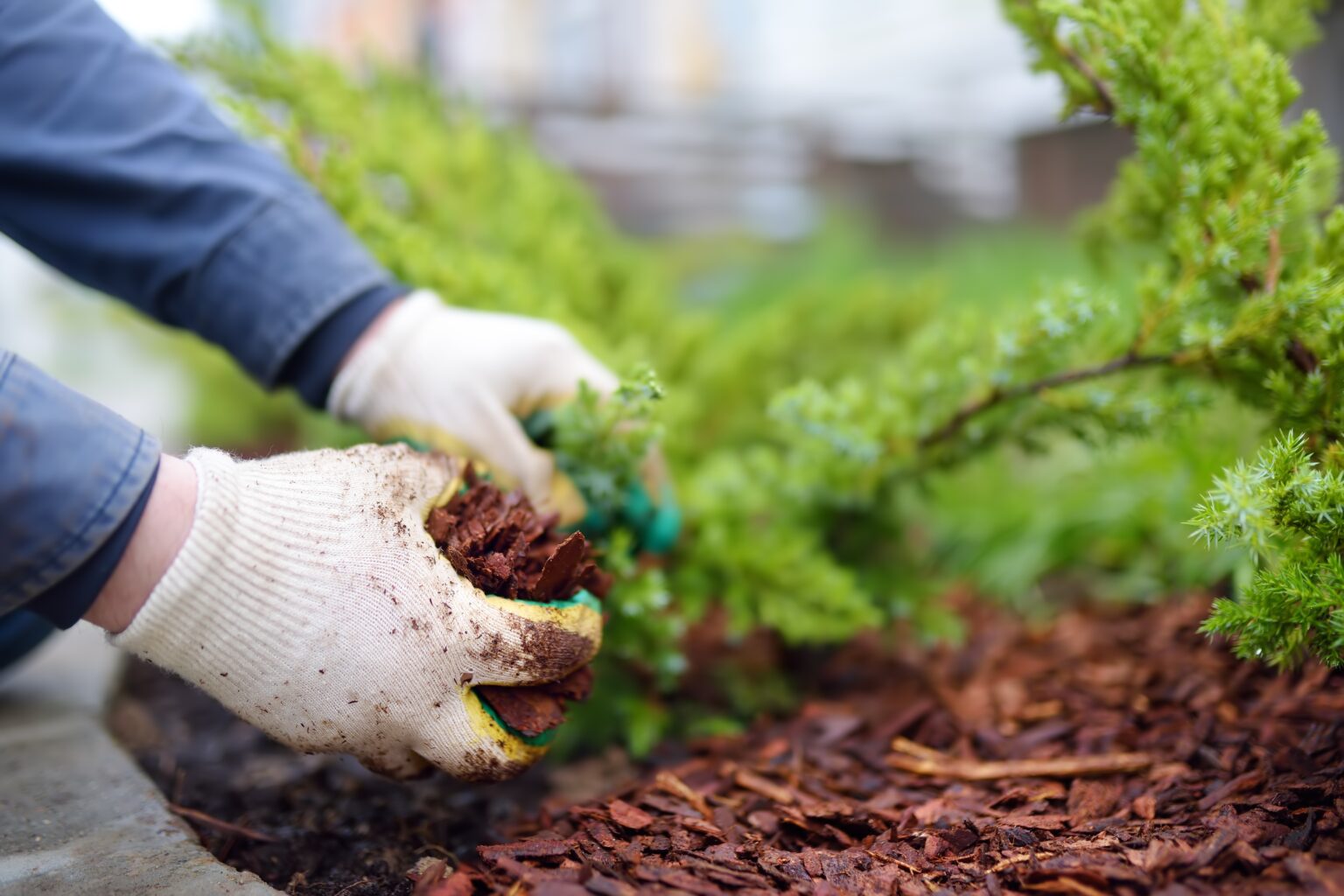
Most homeowners dream of stepping outside in early spring and seeing a yard that looks greener, fuller, and more alive than the year before. We feel that too. After years working with lawns and garden landscapes, we noticed something simple that makes a dramatic difference in how healthy grass returns after winter. It is mulching, specifically mulch in fall, and it is one of the most underrated lawn care habits people often overlook.
When trees start dropping those golden leaves, most people rush to rake and bag them right away. But those leaves are not wasted. They are a natural fertilizer waiting to feed your soil all winter. Fall mulching is more than tidying up your yard. It helps keep the lawn insulated, nourished, and protected so it comes back stronger in spring.
We have watched lawns grow thicker and greener simply by mulching in fall. In this guide, we will show you why fall mulching matters, the benefits it brings, and how to do it properly. By the end, you will see why this one seasonal habit can become your lawn’s silent hero.
What Is Fall Mulching & Why Homeowners Overlook It
Fall arrives, leaves start falling, and most homeowners grab a rake without thinking twice. We used to do that too. But once we learned how much value those leaves hold, we stopped seeing them as yard waste and started treating them as free soil food. Fall mulching is simple, and it can change how your lawn grows by spring.
So what is fall mulching? It is the process of shredding fallen leaves or spreading organic material across your lawn so it breaks down naturally during winter. Instead of bagging leaves and throwing nutrients away, we let them work for us.
When you mulch in fall, you are:
- recycling leaves back into the soil instead of removing them
- keeping moisture and nutrients where the roots need them
- building a healthier soil foundation for spring growth
This thin layer slowly decomposes, feeding the grass, improving soil texture, and protecting roots from the cold. It is like giving your lawn a protective blanket before winter arrives.
The best part is your lawn keeps improving under the soil even when it looks like nothing is happening. By spring, it grows back fuller, greener, and easier to care for.
We at Gebhard Horticulture will walk you through the benefits of fall mulching, easy ways to do it right, and common mistakes to avoid.
The Key Benefits of Mulching in Fall for a Healthier Spring Lawn
Picture this. Snow melts away, the sun comes out, and your lawn wakes up looking fresh and green instead of patchy and dull.
Many homeowners wonder why some yards bounce back strong while others struggle. The secret often happens months earlier in fall. Mulching might seem small, but the payoff is big, especially when you start before winter settles in. It is one of the simplest seasonal gardening tips that leads to healthier grass by spring.
When we mulch in fall, we are not just cleaning up leaves. We are preparing the lawn for the next season by feeding the soil and protecting the roots. A little effort now saves a lot of work later, and this is where homeowners start to see real results.
Here are the benefits you will love:
- Nutrient recycling: Shredded leaves break down over winter and return nutrients like nitrogen and potassium back into the soil.
- Better soil health: Mulch improves soil structure and encourages microbial activity, helping grass roots grow deeper and stronger.
- Moisture retention: A mulch layer slows evaporation, keeping the soil moist longer and reducing watering needs.
- Weed control: Mulch blocks sunlight from weed seeds, so fewer weeds pop up in spring.
- Winter protection: It acts like a natural blanket that shields roots from freezing temperatures and harsh winds.
Mulching in the fall gives your lawn the head start it needs when temperatures warm up again. We have seen it make lawns richer, softer, and better prepared for new growth. Stick with us because we will break down each benefit so you can apply it confidently at home and get the same results.
Why Mulch in Fall Works Better Than Raking or Bagging
Have you ever spent hours raking leaves, bagging them up, and still felt like the yard did not look as good as you hoped? We have been there too. It feels productive, but you are actually throwing away natural fertilizer that your lawn could use for months. That is why mulching in fall works smarter, not harder.
Instead of removing leaves, we turn them into something useful. When shredded and left on the lawn, those leaves break down slowly and feed the soil through winter. It saves time, reduces yard waste, and gives your grass the nutrients it needs without store bought fertilizer.
Here is how mulching beats raking:
- Raking removes valuable organic matter, mulching returns it to the soil
- Leaf pieces decompose faster when shredded
- Mulching adds nutrients and improves soil while raking only cleans the surface
- You work less, but your lawn gets more benefits
- No bags to haul, no disposal fees, no wasted effort
Spring becomes easier, too. A mulched lawn wakes up with stored energy, richer soil, and better moisture levels. Instead of fixing winter damage, you spend more time enjoying your lawn.
At Gebhard Horticulture, we always encourage homeowners to mulch whenever possible, especially in fall. It is a simple habit that pays off season after season, and we are here to help you do it right.
When and How to Mulch in Fall for the Best Results
Most lawn problems begin when the right tasks happen at the wrong time. We have seen homeowners mulch too early, mulch too thick, or skip it altogether because they were unsure how to start.
The truth is, when you mulch at the right moment in fall, your lawn gets everything it needs to stay healthy through winter and wake up strong in spring. Timing and technique make all the difference.
Here is an easy guide to help you mulch like a pro:
Best time to mulch in fall:
- After most leaves have fallen
- When temperatures start to cool down
- Before the ground freezes
- Ideally mid to late fall depending on your area
How to mulch the right way:
- Use a mulching mower to shred leaves into small pieces
- Keep the mulch layer light so it does not smother the grass
- Spread evenly across the lawn to allow air and water to pass
- For garden beds, apply 2 to 4 inches of organic mulch
- Keep mulch a few inches away from tree trunks to prevent rot
Quick tip: If leaves form a thick layer, mulch them in multiple passes or remove some first. Your lawn should still breathe.
When done right, fall mulching becomes one of the easiest ways to build strong soil and reduce spring lawn maintenance. We guide our clients through this process every season because the transformation is worth it. With Gebhard Horticulture on your side, mulching stops feeling like a chore and starts working as a long term lawn booster.
Most lawn problems begin when the right tasks happen at the wrong time. We have seen homeowners mulch too early, mulch too thick, or skip it altogether because they were unsure how to start.
The truth is, when you mulch at the right moment in fall, your lawn gets everything it needs to stay healthy through winter and wake up strong in spring. Timing and technique make all the difference.
Here is an easy guide to help you mulch like a pro:
Best time to mulch in fall:
- After most leaves have fallen
- When temperatures start to cool down
- Before the ground freezes
- Ideally mid to late fall depending on your area
How to mulch the right way:
- Use a mulching mower to shred leaves into small pieces
- Keep the mulch layer light so it does not smother the grass
- Spread evenly across the lawn to allow air and water to pass
- For garden beds, apply 2 to 4 inches of organic mulch
- Keep mulch a few inches away from tree trunks to prevent rot
Quick tip: If leaves form a thick layer, mulch them in multiple passes or remove some first. Your lawn should still breathe.
When done right, fall mulching becomes one of the easiest ways to build strong soil and reduce spring lawn maintenance. We guide our clients through this process every season because the transformation is worth it. With Gebhard Horticulture on your side, mulching stops feeling like a chore and starts working as a long term lawn booster.
Common Mulching Mistakes We See (And How You Can Avoid Them)
Have you ever mulched your yard, only to notice patches of dead grass or soggy spots later? It happens more often than you might think. Mulching is simple, but a few small mistakes can change the results you get by spring.
We’ve helped many homeowners fix these problems, and once they learn what to avoid, their lawns improve fast.
Here are the mistakes we see most often:
- Mulching too thick: A heavy layer of leaves can block sunlight and air, leading to mold or smothered grass.
- Using whole leaves instead of shredding: Unshredded leaves form a mat that holds moisture and prevents proper breakdown.
- Piling mulch against tree trunks: This traps moisture and can cause rot or attract insects. Keep mulch a few inches away.
- Using fresh wood chips without compost: Fresh chips can pull nitrogen from the soil. Mix with compost or use aged mulch.
- Waiting too late in the season: Once the ground freezes, mulch won’t break down well through winter.
Avoiding these mistakes turns mulching into a win instead of a headache. We help homeowners get this step right because we know how rewarding the results look once spring returns.
If you ever need help or want a professional boost for your lawn, reach out to Gebhard Horticulture for support or guidance.
The Best Types of Mulch to Use in Fall
Have you ever stood in the garden section wondering which mulch is actually right for your lawn? You are not alone. With leaves, wood chips, bark blends, and even grass clippings to choose from, it is easy to get overwhelmed.
In our experience caring for landscapes, we noticed that some mulch types support soil health and spring recovery better than others.
Here are the most effective mulch types to use in fall:
Shredded Leaves
This is our favorite and the easiest option. Leaves are free, break down naturally, and add nutrients back into your soil. Just shred them first so they do not melt down.
Organic Wood Chips or Bark Mulch
Great for garden beds and around trees. They insulate roots, help retain moisture, and reduce weeds. Choose aged mulch or pair with compost for better soil balance.
Grass Clippings (Light Layer Only)
Grass clippings work well when dry and applied thinly. Too much can form a thick, soggy layer, so go light and mix with leaves when possible.
All three options support soil health, retain moisture, and protect roots through winter. The key is using them correctly so your lawn stays breathable and nourished until spring.
Whenever homeowners ask what mulch works best in fall, we often recommend leaf mulch first. It is natural, cost-effective, and improves soil as it breaks down. And if you prefer expert help instead of handling it alone, Gebhard Horticulture offers reliable mulching and weeding services to make sure your lawn is treated the right way from the start.
Real Results You Can Expect After Mulching in Fall
Imagine stepping outside in early spring and seeing your lawn wake up greener and fuller than the year before. No struggling patches. No weak spots. Just healthy grass that looks like it never even felt winter. We love that moment, and many homeowners are surprised how something as simple as fall mulching leads to such visible results.
When you mulch in fall, you are preparing your lawn months ahead. Your soil slowly absorbs nutrients as the mulch breaks down. Microorganisms stay active. Moisture stays in place. Roots stay protected. All of this creates stronger growth once warm weather returns.
Here is what fall mulching often leads to:
- thicker and healthier grass coverage
- better spring color and faster green up
- improved soil with more organic matter
- fewer weeds competing with your lawn
- less need for heavy spring treatments
These changes do not happen overnight, but they build quietly under the soil all winter. By spring, the payoff becomes clear.
We guide homeowners through this process every year because we have seen how valuable fall mulching can be. If your goal is a lawn that feels soft under your feet and looks great after winter, you are already on the right path by learning this step. Stick with us, we will help you get there.
When Fall Mulching Might Not Be the Best Choice
Mulching in fall works for most lawns, but there are a few situations where you need to pause or adjust your approach. We want you to get the best results, so it’s important to know when mulching may cause more harm than good. A little awareness now helps you avoid problems later.
Here are moments when you should be more careful:
- Leaves are thick and wet: Heavy layers can trap moisture, lead to mold, and block sunlight.
- The lawn already has too much mulch: Thick buildup from previous seasons should be reduced before adding more.
- Leaves show signs of disease: Mulching infected leaves can spread problems into the soil or nearby plants.
- Fresh wood mulch is used without compost: It may take nitrogen from the soil as it breaks down. Balance with compost first.
- Ground is already frozen: Mulch won’t break down well and may not support winter soil health.
None of these situations mean you cannot mulch. You simply need to adjust how you do it. Remove extra layers if needed, shred leaves well, and use compost or aged mulch whenever possible. A little caution helps you protect your yard while still getting mulching benefits.
Our goal is to help you make choices that build a healthier lawn, not create extra problems. With smart timing and proper care, fall mulching becomes one of the easiest and most rewarding steps you can take for your yard.
Give Your Lawn the Head Start It Deserves
A healthy spring lawn starts in the fall. When you mulch instead of removing leaves, you feed the soil, protect roots, reduce weeds, and help your grass return greener and thicker in spring. Many homeowners overlook this simple step, even though it is one of the easiest ways to boost lawn health long-term.
You have everything you need to get started. You know when to mulch, how to apply it, what materials work best, and the mistakes to avoid. The next step is simple. Put it into action and let the soil work for you through winter.
If you need support with mulching or want help improving your landscape, Gebhard Horticulture is ready. We provide mulching services along with full landscape care including lawn maintenance, planting, garden design, tree and shrub care, and custom property management.
Contact us anytime and let us help you grow a yard you will be proud to see when warmer weather returns.
Frequently Asked Questions
How much mulch in fall is too much for my lawn?
A thin layer is best. When mulching leaves into your lawn, you should still be able to see grass blades poking through. Too much mulch can block air and sunlight, which may cause mold or smother the grass.
Can mulching in fall replace spring fertilizing?
Mulch in fall helps improve soil health and adds nutrients over winter, but it does not fully replace spring fertilization. Think of it as giving your lawn a strong foundation so spring feeding works even better.
Is it okay to mulch leaves if my lawn already has bare or thin spots?
Yes, but go lightly. Shredded leaves can protect exposed soil and add organic matter, but thick layers over weak grass can slow recovery. In thin areas, combine light mulching with overseeding for best results.
Should I mulch in fall if I have a lot of trees in my yard?
Absolutely, but timing matters. Mulch in stages as leaves fall instead of waiting for a heavy buildup. This keeps the lawn breathable and prevents leaves from matting down.
Do I still need to rake after mulching in fall?
In most cases, no. If leaves are shredded properly and spread evenly, raking is not necessary. You only need to rake if leaves are wet, diseased, or piling up too thick in certain areas.