
Spring & Fall Cleanups in Morris County, NJ
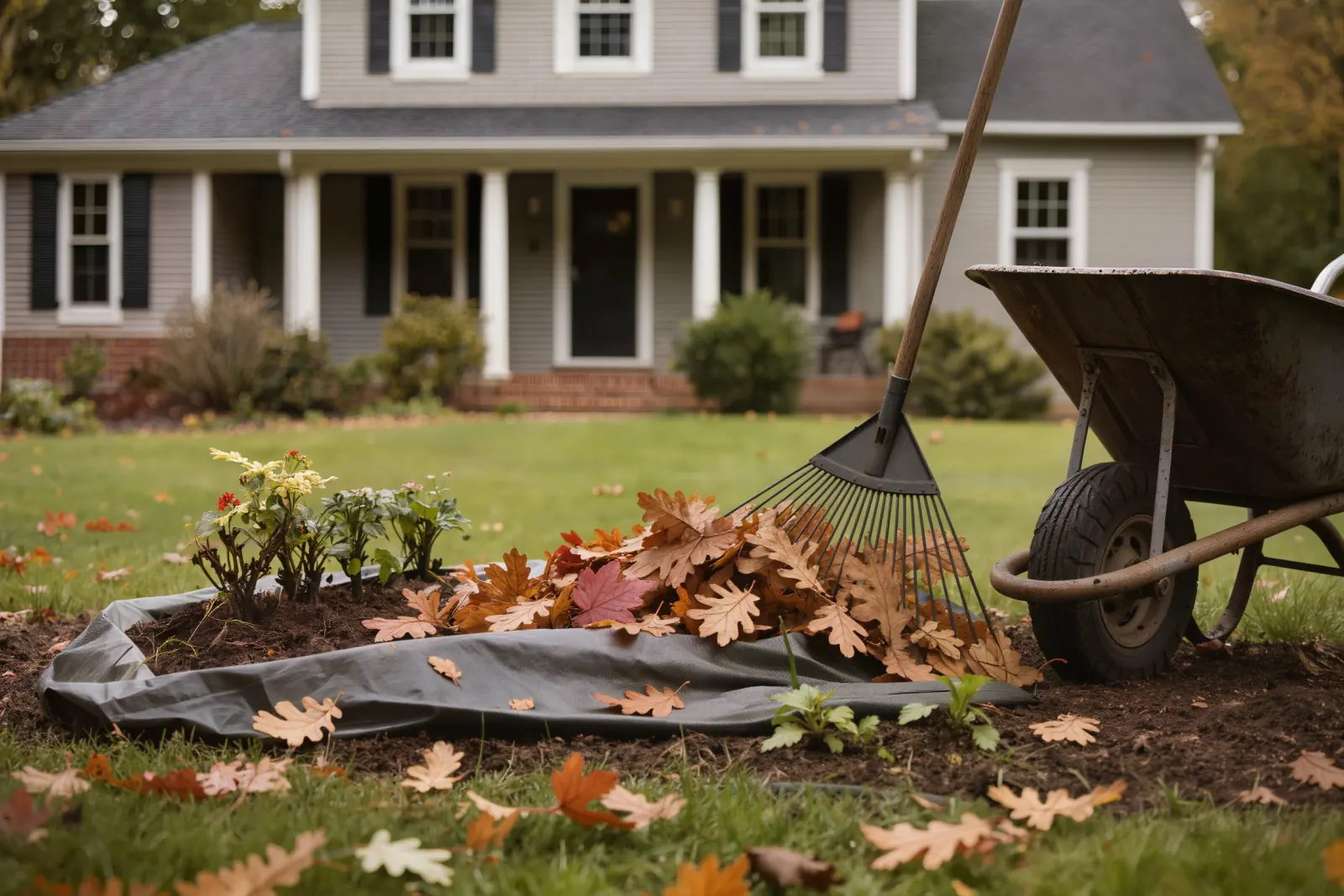
Beds cleared, perennials cut back, edges sharpened and the garden set up for the season ahead: in spring to give new growth a clean start, in fall to put the garden to bed.
Seasonal garden cleanups, spring and fall
Yes, Gebhard Horticulture does spring and fall garden cleanups across Morris County, NJ. Russel Gebhard clears leaves and debris from beds and borders, pulls early weeds, cuts back perennials, edges the beds, prunes where the timing is right, and can finish with fresh mulch.
A cleanup is about timing as much as tidying. Spring cleanups (March through May) clear what winter left behind before new growth gets going. Fall cleanups (late September through November) put the garden to bed: what needs cutting is cut, what's better left for winter is left, and nothing is pruned that would push out tender growth before a freeze.
Cost: every job is different, so Russel prices it at the free on-site estimate and gives you a quote and a timeline before any work starts.
What's included
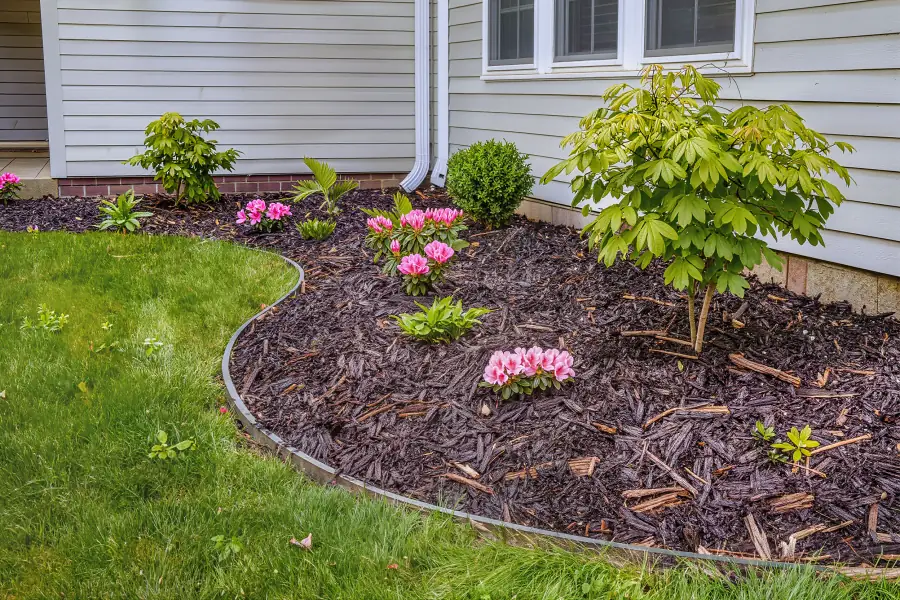
- Leaves and debris cleared from beds, borders and hard surfaces
- Early weeds pulled by hand, before they take hold
- Perennials cut back and beds cleaned out
- Beds and borders edged
- Shrub and ornamental tree pruning, timed to the season
- Optional add-ons: fresh mulch, fertilizing and gutter cleaning
How a seasonal cleanup works
Free walk-through
Russel walks the beds with you and agrees what's cleared, cut back and left.
Quote and timeline
You get a quote and a timeline before anything starts. No obligation.
Book the window
Spring cleanups run March through May; fall cleanups late September through November.
The cleanup
Leaves, debris and early weeds out, perennials cut back, beds edged, add-ons done.
Next season
Book spring and fall together, or add mulching and trimming visits through the year.
What a spring cleanup does, and when
Spring cleanups run from March through May. The aim is to get beds clear before new growth comes through: leaves and winter debris raked out, last year's perennial stems cut back, early weeds pulled while they're small, edges recut and, if you want it, fresh mulch laid once the beds are clean.
Spring is also the right time for some pruning, but not all. Rutgers Cooperative Extension advises pruning summer-flowering shrubs, which bloom on new growth, in late winter or early spring. Spring-flowering shrubs such as forsythia, lilac and azalea wait until they've finished blooming, or the flowers get cut off. More on that on the shrub trimming page.
Fall cleanups: what to cut and what to leave
Fall cleanups run from late September through November. Leaves come off lawns, walks and patios, beds are cleaned out, and perennials that are finished or diseased are cut back.
Two things are deliberately left alone. First, shrubs aren't pruned from mid-August through leaf fall, apart from dead, damaged or diseased wood, because Rutgers warns that the new growth pruning stimulates may not harden off before winter. Second, not every leaf has to go. A Rutgers fact sheet by Morris County extension agent Jean Epiphan explains that leaf litter feeds the soil and shelters beneficial insects through winter, including bumble bee queens and firefly larvae. It suggests moving leaves from lawns and walkways into beds rather than bagging them, as long as the beds aren't buried, and leaving some perennial stems standing to hold the leaves in place.
So you choose the finish: beds cleared completely, or lawns and paths cleared with leaves kept as mulch in the beds.
Fertilizer and the New Jersey calendar
If fertilizing is part of your plan, the calendar matters. New Jersey's Fertilizer Law bars homeowners from applying lawn fertilizer that contains nitrogen or phosphorus after November 15 and before March 1. Lime and potassium-only products aren't restricted. Rutgers also points homeowners to its soil test, which reports pH and nutrient levels with a recommended fertilizer ratio and any lime needed, so you only add what the soil actually needs.
Book early
The spring and fall windows are short, and everyone wants their cleanup at the same time. Booking ahead, or putting spring and fall on the calendar together, gets your garden done at the right point in the season rather than whenever a slot opens.
Sources
Rutgers NJAES, Pruning Flowering Shrubs (FS1221); Rutgers NJAES, Why Leave the Leaves and How to Do It (FS1369); Rutgers NJAES, NJ Fertilizer Law restrictions on home lawn applications.
Where do the leaves and garden debris go?
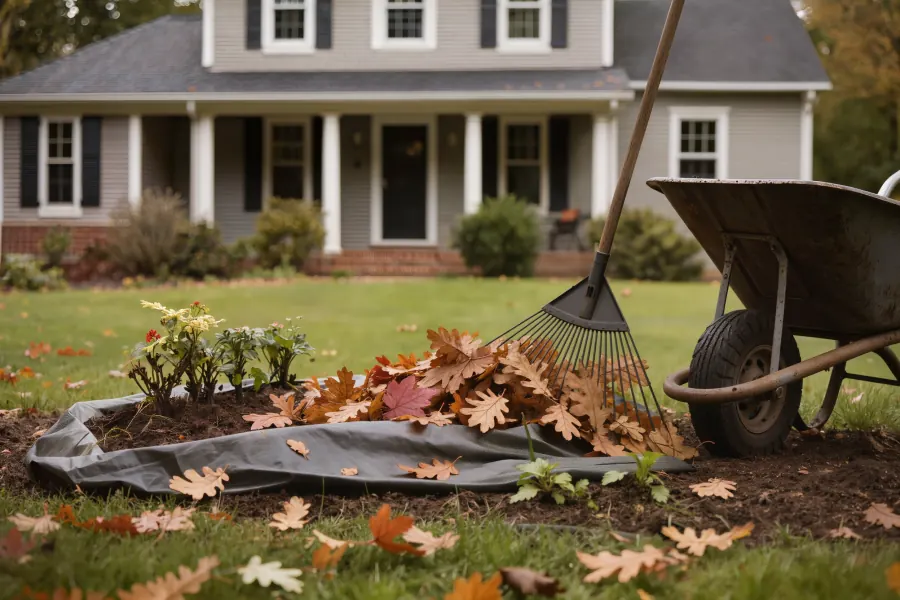
A fall cleanup fills a lot of bags and tarps, and it is worth deciding before the work starts where all of it ends up. Not everything raked out of a garden should go to the same place.
- Healthy leaves can stay on the property as mulch in the beds or go into a compost pile. Rutgers Cooperative Extension notes that leaves will compost on their own, and they also balance a pile that is heavy on grass clippings.
- Spent perennial stems and healthy plant trimmings can be composted along with the leaves.
- Diseased or insect-infested plants and weeds that have gone to seed should stay out of a home compost pile, according to the same Rutgers fact sheet. Bag them for disposal instead, so the problem isn't spread back across the garden next year.
- Anything left for town pickup should follow your town's own rules on dates and on bagged or loose leaves, which each town sets for itself.
Keep leaves out of the street and storm drains
Morris County's stormwater guidance asks residents not to let leaves, grass clippings or soil build up on driveways, sidewalks or in the street. Yard waste washed into storm drains can clog them and cause local flooding, and as it breaks down it releases nutrients and bacteria into local waterways. Raking leaves into the road to wait for collection is exactly what the county is warning against, so check with your town before piling anything at the curb.
Settling this at the estimate keeps the cleanup simple: what gets kept in the beds, what gets composted, and what leaves the property.
Sources
Rutgers NJAES, Home Composting (FS811); Morris County, NJ, Stormwater Management: Yard Wastes and Erosion.
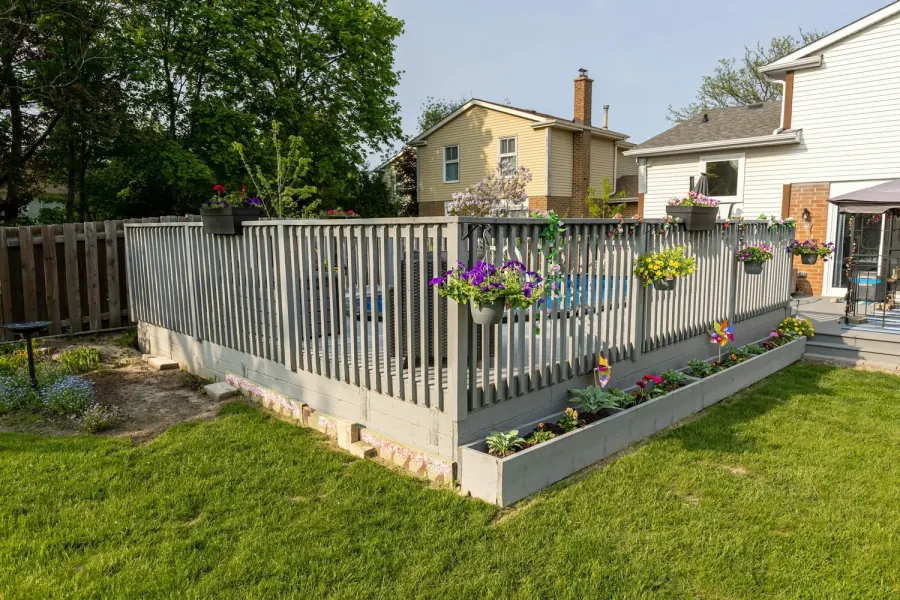
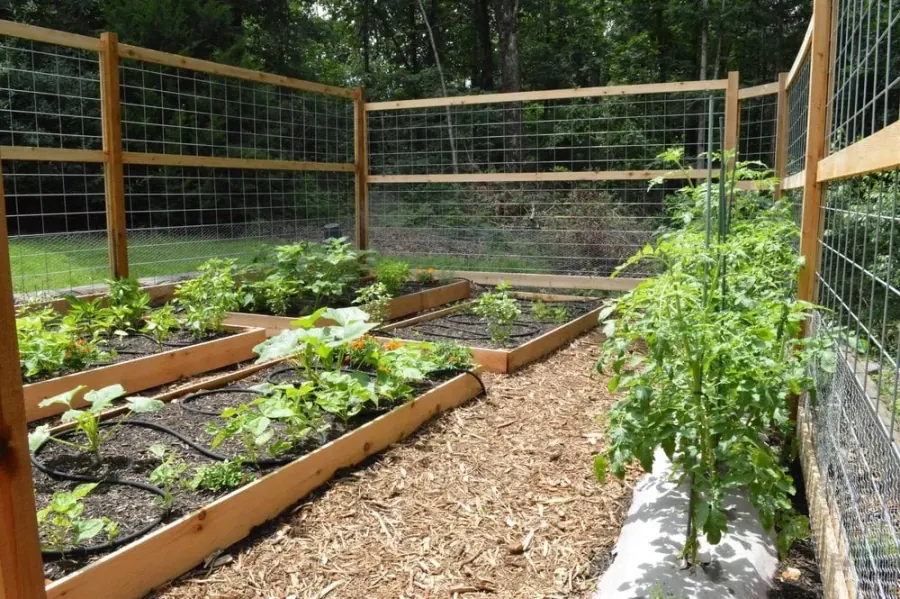
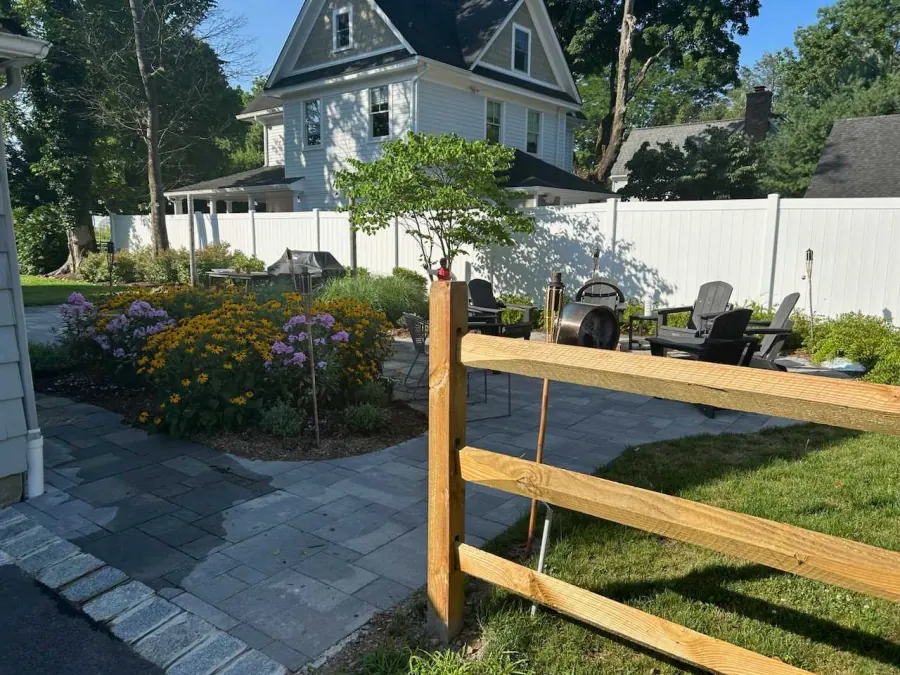
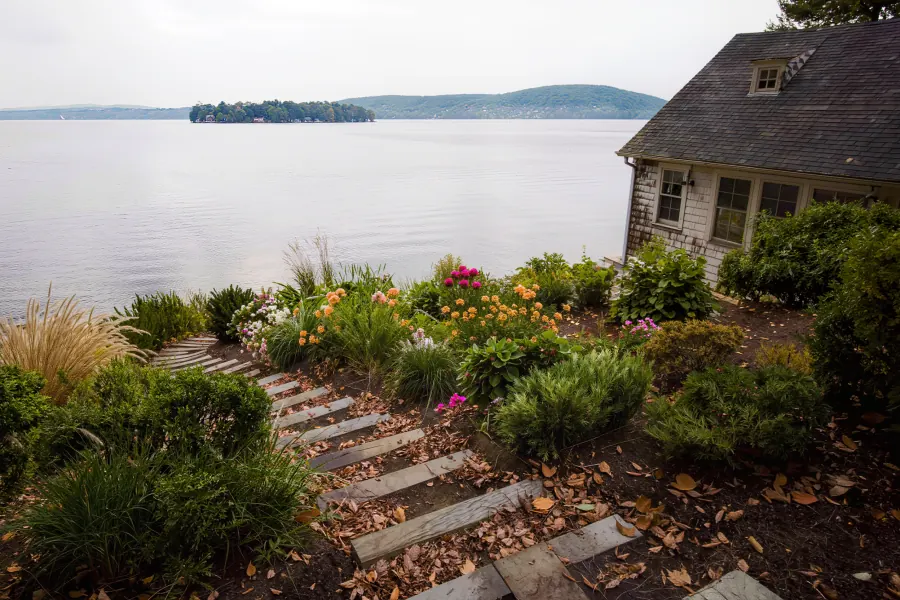
Recent seasonal cleanup work
What clients say about Russel's garden care
★★★★★Russell did a great job for us. We were very comfortable having him work around our home and were pleased with the final results.
★★★★★Russell has been our primary groundskeeper for some years now and has always done excellent work with selecting, installing, and maintaining our plants and shrubs. We highly recommend him.
Spring & fall cleanups near you
Other garden services
A cleanup is often the start of a season of care. Part of the free estimate is telling you which services you actually need.
Garden Design & Planting
A plan built around your light, soil and how you use the yard, then planted by the person who drew it.
→
Garden Bed Creation & Redesign
New beds cut in, or tired and patchy beds reworked and replanted with plants suited to the spot.
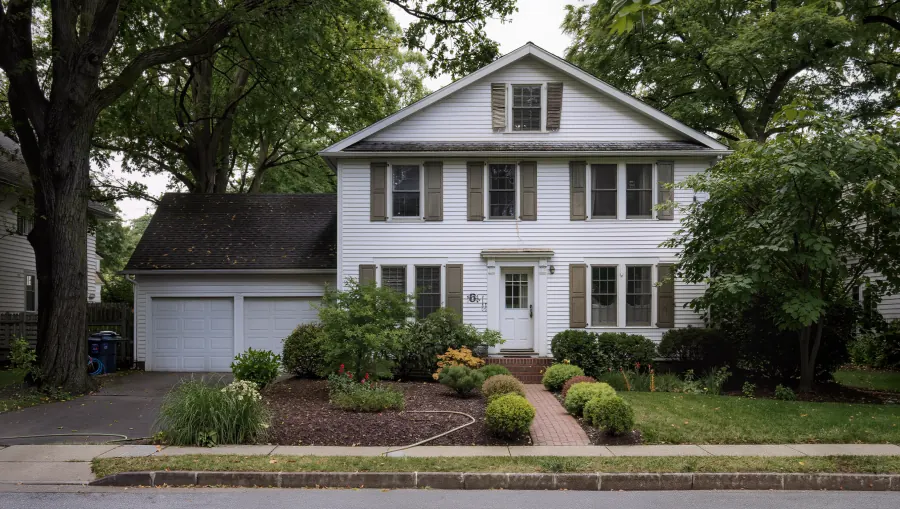
→Mulching & Weeding
Weeds pulled by hand around your plantings and mulch laid to hold moisture and keep beds clean.
→
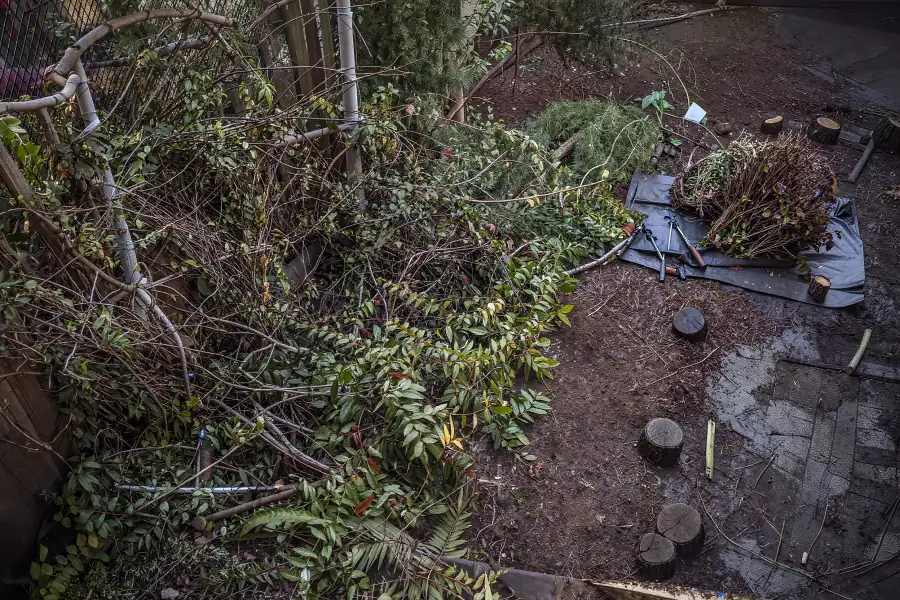
Shrub & Bush Trimming
Shrubs and hedges cut at the right time, for healthy growth and good shape rather than just size.
→
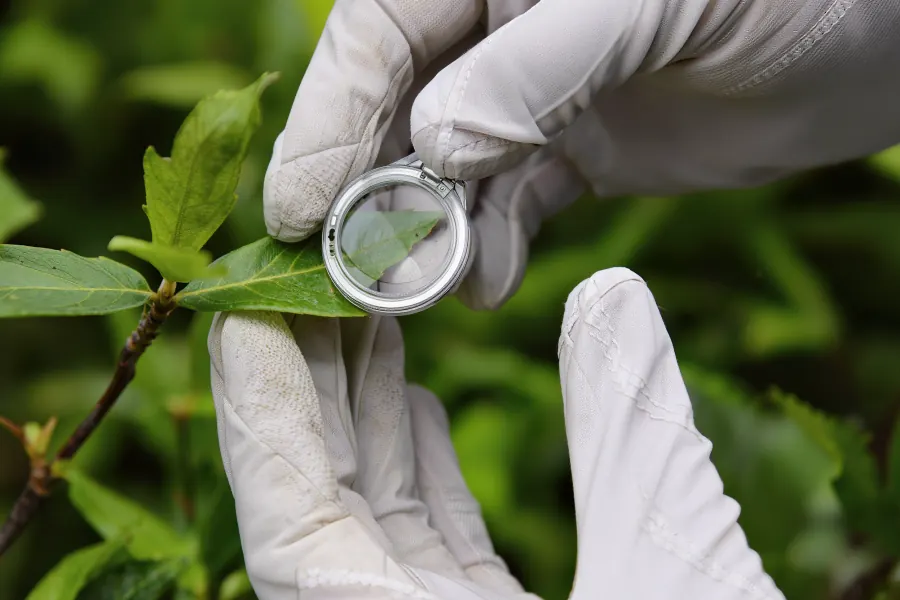
Overgrown Plants & Bush Removal
Overgrowth and invasives cleared carefully, without damaging the plants you want to keep.
→Vegetable Garden Setup & Care
Soil prep, plant choice and season-long care, so the beds keep producing.
→
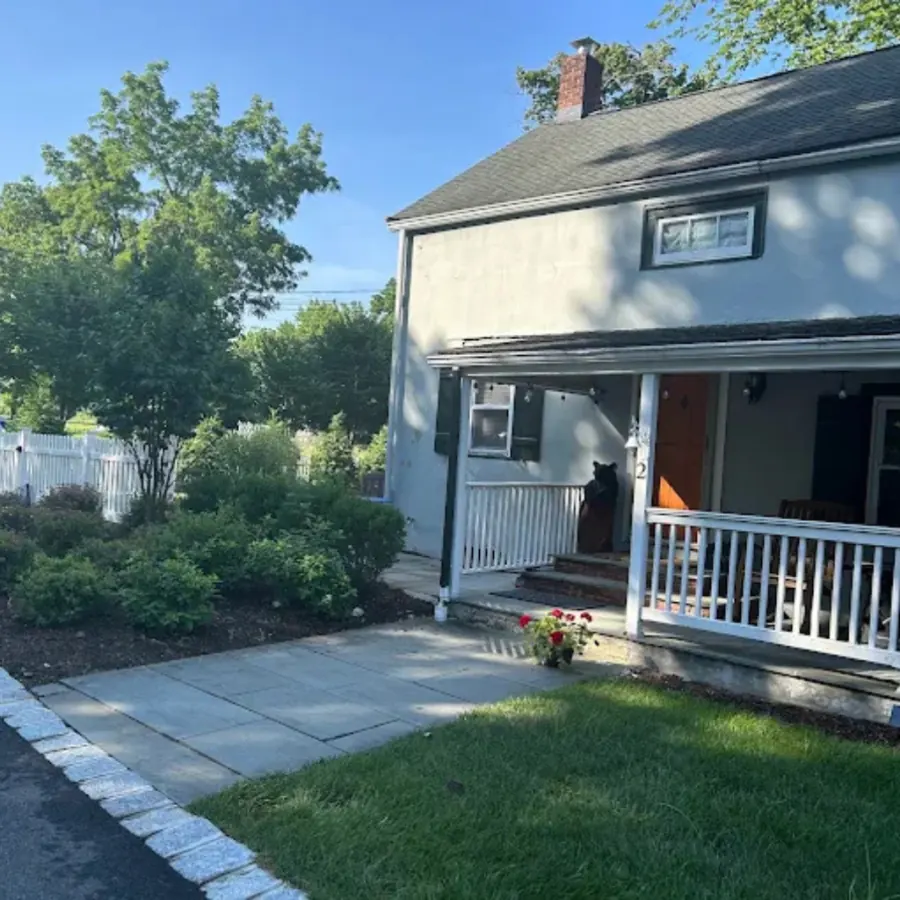
Licensed Pesticide Application
Targeted treatment applied in person by a licensed applicator, with eco-friendly options.
→
Spring & fall cleanup questions
When should I book a spring cleanup?
Spring cleanups run from March through May. Earlier is better, so beds are clear before new growth comes through, and booking ahead gets you a slot in the window you want.
When is the fall cleanup done?
Fall cleanups run from late September through November.
What's included in a cleanup?
Leaf and debris removal, early weed removal, cutting back perennials, edging beds and borders, and shrub and ornamental tree pruning timed to the season. Fresh mulch, fertilizing and gutter cleaning are optional add-ons.
Do you prune shrubs during a fall cleanup?
Only to remove dead, damaged or diseased wood. Rutgers Cooperative Extension advises against pruning flowering shrubs from mid-August through leaf fall, because the new growth pruning stimulates may not harden off before winter.
Do all the leaves have to be removed?
No. Leaves can be cleared from lawns, walks and patios and moved into beds as mulch, which Rutgers recommends for the soil and for beneficial insects, as long as the beds aren't buried. Or the beds can be cleared completely. You choose.
Can I book both spring and fall?
Yes. Book both together, and add mulching, weeding and trimming visits through the year if you want ongoing care.
What does a cleanup cost?
It depends on the size of the property, how much leaf and debris there is, and any add-ons. Russel prices the job at the free on-site estimate and gives you a quote and a timeline before any work starts.
Can diseased leaves and plants go in the compost pile?
No. A Rutgers home composting fact sheet says to keep diseased or insect-infested plants and weeds with seeds out of a home compost pile. Bag them for disposal, and compost the healthy leaves and trimmings.
Can I rake leaves into the street for town pickup?
Check your town's rules first. Morris County asks residents not to let leaves and clippings build up in the street, because yard waste clogs storm drains, causes local flooding and pollutes nearby waterways. Towns set their own collection dates and rules for bagged or loose leaves.
Free & no pressure
Get your free cleanup estimate
- Russel walks the property and prices the job himself
- A clear quote and timeline before work starts
- Free, and there's no obligation to book
Rather talk it through? (973) 985-2369 · Mon–Fri, 9am–5pm