Frequently Asked Questions
How can I maintain the health of my shrubs?
Maintaining the health of your shrubs involves regular pruning, proper watering, and mulching to retain moisture. Additionally, ensure they receive adequate sunlight and monitor for pests or diseases to promote robust growth and vitality.
What services do you offer for bush trimming?
The services offered for bush trimming include expert pruning, shaping, and maintenance tailored to enhance the health and appearance of your landscape. Gebhard Horticulture & Design ensures meticulous care for all types of bushes, promoting vibrant growth and curb appeal.
How often should I schedule shrub trimming?
The frequency of scheduling shrub trimming is essential for maintaining plant health and aesthetics. It is recommended to trim shrubs at least once or twice a year, depending on the species and growth rate, to ensure optimal growth and appearance.
What are the benefits of professional shrub pruning?
The benefits of professional shrub pruning include enhanced plant health, improved aesthetics, and increased curb appeal. Expert pruning promotes proper growth, prevents disease, and ensures your landscape remains vibrant and well-maintained throughout the seasons.
Can you provide testimonials from previous clients?
Testimonials from previous clients highlight our commitment to quality and customer satisfaction. Many homeowners in Morris County have praised Gebhard Horticulture & Design for our meticulous care, creativity, and the transformation of their outdoor spaces.
What techniques improve shrub health and growth?
Techniques to improve shrub health and growth include regular pruning to encourage new growth, proper watering to maintain soil moisture, and applying mulch to retain moisture and suppress weeds. Additionally, using high-quality fertilizers can enhance nutrient availability for optimal development.
How do you assess shrub trimming needs?
Assessing shrub trimming needs involves evaluating the overall health, growth patterns, and aesthetic requirements of the shrubs. Our experts at Gebhard Horticulture & Design conduct a thorough inspection to determine the best trimming approach for optimal growth and appearance.
What tools are used for bush trimming?
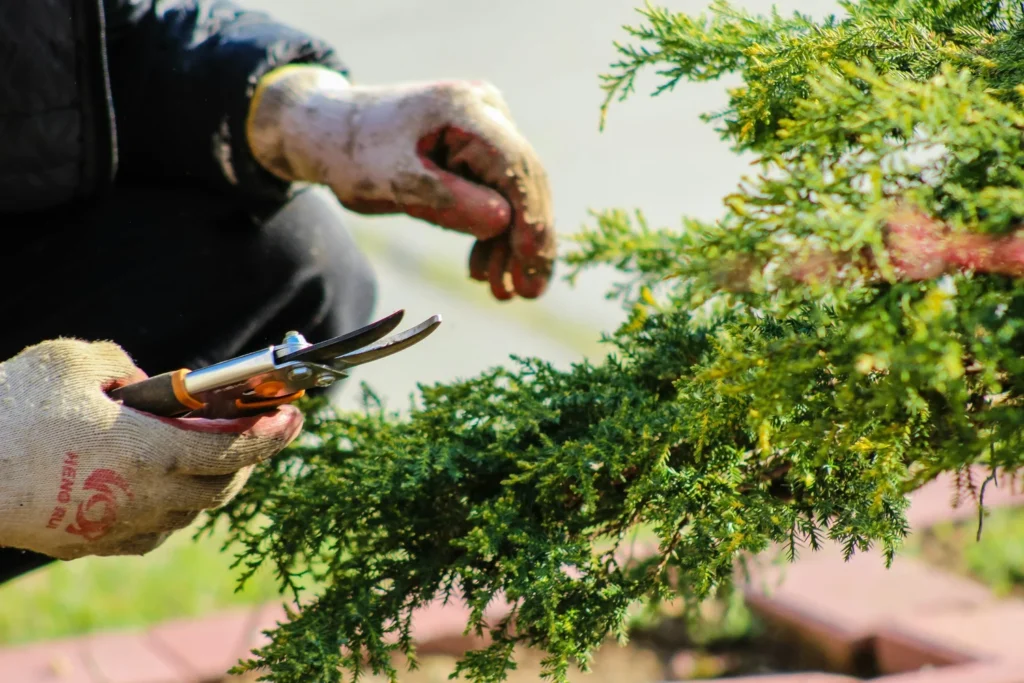
The tools used for bush trimming include hand pruners, hedge shears, and electric or gas-powered hedge trimmers. These tools help achieve clean cuts, promote healthy growth, and maintain the desired shape and size of your bushes.
When is the best time for shrub pruning?
The best time for shrub pruning is typically late winter to early spring, before new growth begins. This timing promotes healthy growth and enhances the overall appearance of your shrubs.
How do you ensure precise bush trimming?
The process for ensuring precise bush trimming involves meticulous planning and expert techniques. Gebhard Horticulture & Design utilizes professional tools and a keen eye for detail to achieve clean cuts, promoting healthy growth and enhancing the overall appearance of your landscape.
What should I expect during a trimming service?
During a trimming service, you can expect professional care and attention to detail as our team assesses your shrubs and bushes, ensuring proper techniques are used to promote health and enhance the overall appearance of your landscape.
How can I prepare my shrubs for winter?
Preparing your shrubs for winter involves several key steps. Begin by pruning dead or damaged branches, applying mulch to insulate roots, and ensuring adequate moisture before the ground freezes. This helps protect your shrubs from harsh winter conditions.
What are common mistakes in shrub maintenance?
Common mistakes in shrub maintenance include improper pruning, neglecting soil health, overwatering or underwatering, and failing to choose suitable plant varieties for the local climate. These errors can lead to poor growth and diminished curb appeal.
How do you handle overgrown shrubs?
Handling overgrown shrubs involves a careful assessment of their health and structure. Our team at Gebhard Horticulture & Design employs precise pruning techniques to restore shape, promote growth, and enhance the overall appearance while ensuring the plants thrive in their environment.
What is the cost of shrub trimming services?
The cost of shrub trimming services varies based on factors such as the size of the shrubs, the complexity of the job, and the specific requirements of your landscape. For an accurate estimate, it is best to contact Gebhard Horticulture & Design directly.
How can I enhance my landscape with shrubs?
Enhancing your landscape with shrubs involves selecting the right varieties that complement your home's architecture and local climate. Regular pruning and maintenance will ensure they thrive, adding beauty and structure to your outdoor space.
What types of shrubs benefit from pruning?
The types of shrubs that benefit from pruning include flowering shrubs like hydrangeas and lilacs, evergreens such as boxwoods, and deciduous varieties like spireas. Regular pruning enhances their health, promotes growth, and improves overall appearance.
How do you maintain shrub aesthetics year-round?
Maintaining shrub aesthetics year-round involves regular pruning, appropriate watering, and seasonal care tailored to each plant's needs. This ensures healthy growth, vibrant foliage, and an appealing landscape throughout all seasons.
What signs indicate my shrubs need trimming?
Signs that indicate your shrubs need trimming include overgrowth, dead or damaged branches, and a lack of shape or structure. Regular trimming promotes healthy growth and enhances the overall appearance of your landscape.
How can I improve my shrubs disease resistance?
Improving your shrubs' disease resistance involves selecting disease-resistant varieties, ensuring proper spacing for air circulation, maintaining healthy soil through regular amendments, and implementing a consistent watering and pruning schedule. Regular monitoring for pests and diseases is also essential.
What is the difference between trimming and pruning?
The difference between trimming and pruning lies in their purpose and technique. Trimming focuses on maintaining the shape and appearance of shrubs and bushes, while pruning involves selectively removing specific branches to promote plant health and growth.
How do you customize trimming for different shrubs?
The customization of trimming for different shrubs involves assessing each shrub's species, growth habits, and health needs. Our expert team tailors the trimming approach to enhance aesthetics and promote optimal growth, ensuring a healthy and vibrant landscape.
What are the long-term benefits of regular trimming?
The long-term benefits of regular trimming include improved plant health, enhanced growth, and increased curb appeal. Consistent trimming promotes a strong structure, reduces disease risk, and encourages vibrant foliage, ensuring your landscape remains beautiful and thriving over time.
How do you ensure safety during trimming services?
Safety during trimming services is ensured through the use of proper equipment, adherence to safety protocols, and training for our staff. We prioritize both the well-being of our team and the protection of your property throughout the entire process.
What is the impact of trimming on shrub growth?
The impact of trimming on shrub growth is significant. Regular trimming encourages healthy growth, improves air circulation, and enhances the overall shape and appearance of shrubs, leading to a more vibrant and well-maintained landscape.
How can I choose the right shrubs for my yard?
Choosing the right shrubs for your yard involves considering factors like your local climate, soil type, sunlight exposure, and the desired aesthetic. Opt for varieties that thrive in Morris County, NJ, and complement your landscape design.
What are the environmental benefits of shrub maintenance?
The environmental benefits of shrub maintenance include improved air quality, enhanced biodiversity, and effective erosion control. Regular trimming promotes healthy growth, allowing shrubs to better absorb carbon dioxide and provide habitat for local wildlife.
How do you educate clients about shrub care?
Educating clients about shrub care involves providing personalized guidance on proper maintenance techniques, seasonal care tips, and the benefits of regular trimming. We offer informative resources and consultations to ensure clients understand how to keep their shrubs healthy and vibrant.
What follow-up care is needed after trimming?
The follow-up care needed after trimming includes regular watering to promote recovery, applying mulch to retain moisture, and monitoring for pests or diseases. Ensuring these steps will help maintain the health and appearance of your shrubs and bushes.
How can I identify healthy versus unhealthy shrubs?
Identifying healthy versus unhealthy shrubs involves checking for vibrant leaves, strong stems, and no signs of pests or disease. Unhealthy shrubs may exhibit discoloration, wilting, or stunted growth, indicating a need for professional care.