
Seasonal Planting Guide for Morris County Homeowners
Comprehensive Seasonal Planting Guide for Morris County Homeowners: Optimized NJ Planting Calendar and Expert Landscaping Tips
Navigating the seasonal planting calendar can be a daunting task for homeowners in Morris County, New Jersey. This comprehensive guide aims to simplify the process by providing essential insights into the best times to plant various crops, the native plants that thrive in the region, and expert tips for successful gardening. By understanding the unique climate and soil conditions of Morris County, homeowners can optimize their gardening efforts and create beautiful, sustainable landscapes. This article will cover the optimal planting times, recommended plants, soil preparation techniques, and essential tips for both spring and fall planting. With this knowledge, you can transform your garden into a flourishing oasis that enhances your outdoor space.
When is the Best Time to Plant in Morris County? Understanding the NJ Planting Calendar
Understanding the best times to plant in Morris County is crucial for successful gardening. The New Jersey planting calendar provides a framework for when to sow seeds and transplant seedlings, ensuring that plants thrive in their optimal conditions. The timing of planting is influenced by local climate patterns, which can vary significantly throughout the year.
What Are the Key Seasonal Planting Periods for Morris County Gardens?
Morris County experiences distinct seasonal changes that dictate the planting schedule. Here’s a month-by-month breakdown of key planting periods:
- Spring (March to June): Ideal for planting cool-season crops like peas and lettuce in early spring, followed by warm-season crops such as tomatoes and peppers in late spring.
- Summer (June to August): Focus on maintaining and harvesting summer crops, with opportunities to plant fall crops like kale and broccoli in late summer.
- Fall (September to November): Perfect for planting garlic and cover crops to enrich the soil for the next growing season.
- Winter (December to February): While not a traditional planting season, this time can be used for planning and preparing for the upcoming spring.
How Does Morris County’s Climate and Zone 6a Influence Planting Schedules?
Morris County is classified under USDA Hardiness Zone 6a, which means it experiences cold winters and warm summers. This climate influences the types of plants that can be successfully grown and the timing of planting. The average last frost date in spring is around mid-April, while the first frost typically occurs in late October. Understanding these frost dates helps gardeners plan their planting schedules effectively, ensuring that plants are not exposed to damaging temperatures.
Which Native and Best Perennial Plants Thrive in Morris County Gardens? Expert Recommendations
Selecting the right plants is essential for a thriving garden. Native plants are particularly well-suited for Morris County, as they are adapted to the local climate and soil conditions. Here are some expert recommendations for native and perennial plants that thrive in the region:
- Purple Coneflower (Echinacea purpurea): A hardy perennial that attracts pollinators and blooms from summer to fall.
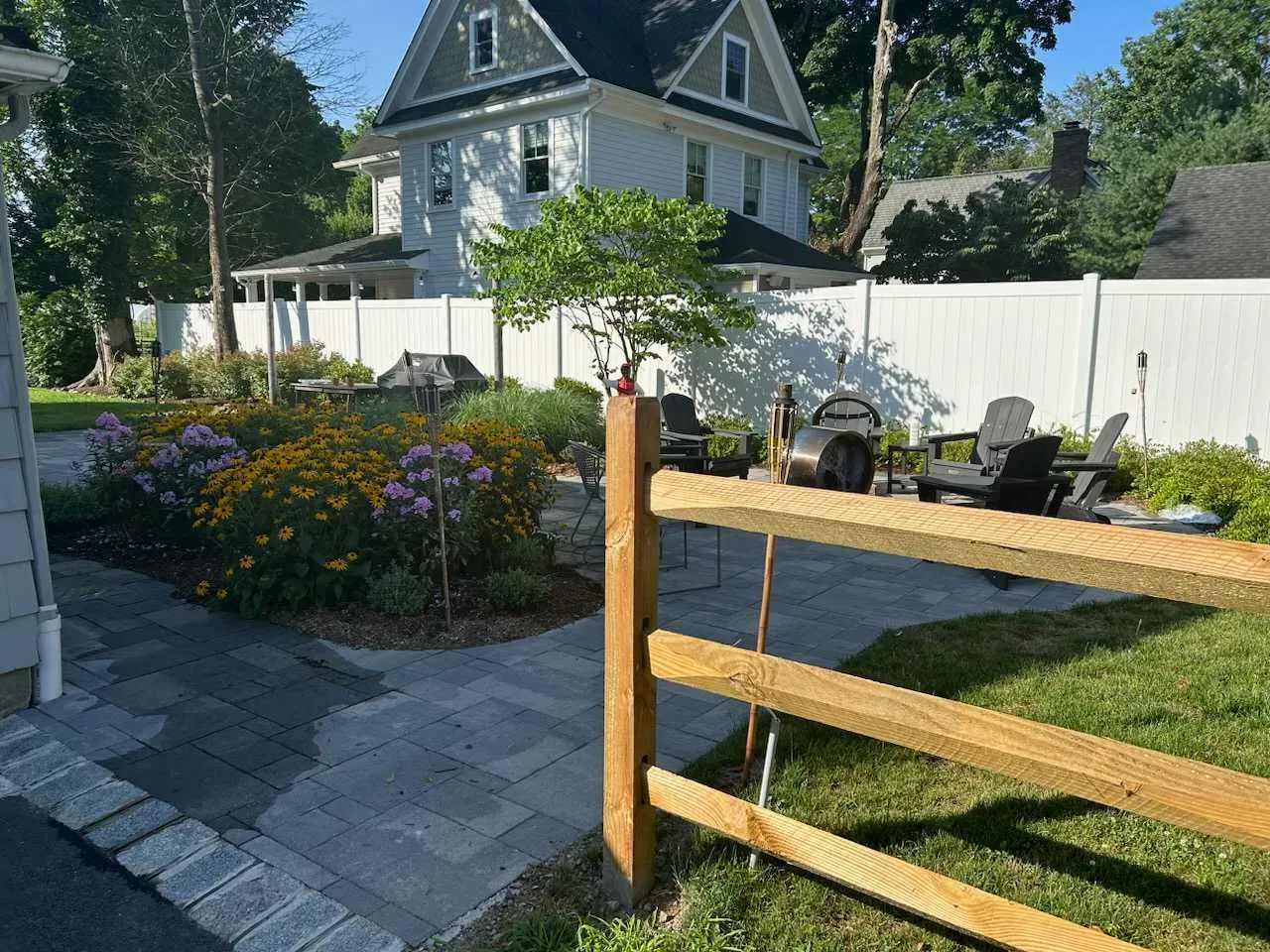
- Black-eyed Susan (Rudbeckia hirta): Known for its vibrant yellow flowers, this plant is drought-tolerant and easy to care for.
- New England Aster (Symphyotrichum novae-angliae): A late-blooming perennial that provides color in the fall and supports local wildlife.
What Are the Top Native Plants for Sustainable Morris County Landscaping?
Incorporating native plants into your landscaping not only enhances the beauty of your garden but also promotes sustainability. Native plants require less water and maintenance, making them an eco-friendly choice. Here are some top native plants for sustainable landscaping in Morris County:
- Wild Bergamot (Monarda fistulosa): This fragrant plant attracts bees and butterflies, adding both beauty and biodiversity to your garden.
- Serviceberry (Amelanchier spp.): A small tree that produces edible berries and offers stunning spring blooms.
- Switchgrass (Panicum virgatum): A versatile grass that provides habitat for wildlife and is excellent for erosion control.
How to Select and Care for the Best Perennials in Morris County?
Choosing the right perennials involves considering factors such as bloom time, color, and maintenance requirements. Here are some criteria to keep in mind when selecting perennials for your Morris County garden:
- Climate Adaptability: Ensure the plants are suited for Zone 6a.
- Soil Requirements: Consider the soil type and drainage capabilities.
- Maintenance Level: Choose plants that fit your desired level of care, from low-maintenance to more demanding varieties.
Caring for perennials involves regular watering, mulching, and deadheading to promote new blooms. Additionally, dividing perennial every few years can help maintain their vigor and encourage healthy growth.
How to Prepare Your Garden Soil for Seasonal Planting in Morris County?
Soil preparation is a critical step in ensuring successful planting. Healthy soil provides the necessary nutrients and structure for plants to thrive. Here are some essential techniques for preparing your garden soil:
- Testing Soil pH: Conduct a soil test to determine pH levels and nutrient content, allowing for informed amendments.
- Adding Organic Matter: Incorporate compost or well-rotted manure to improve soil structure and fertility.
- Tilling: Loosen the soil to enhance aeration and drainage, promoting healthy root development.
What Soil Types Are Common in Morris County and How Do They Affect Plant Growth?
Morris County features various soil types, including clay, sandy loam, and silt. Each type has distinct characteristics that influence plant growth:
- Clay Soil: Retains moisture but can become compacted, making drainage a concern. Choose plants that tolerate wet conditions.
- Sandy Loam: Drains well and warms quickly in spring, ideal for a wide range of plants.
- Silt Soil: Rich in nutrients and retains moisture, making it suitable for many garden plants.
Understanding your soil type helps in selecting appropriate plants and amendments to optimize growth.
Which Soil Preparation Techniques Optimize Planting Success?
To ensure successful planting, consider these soil preparation techniques:
- Double Digging: This method involves digging down two spades deep to improve aeration and drainage.
- Cover Cropping: Planting cover crops in the off-season can enhance soil health and prevent erosion.
- Mulching: Applying a layer of mulch helps retain moisture, suppress weeds, and regulate soil temperature.
These techniques contribute to a healthy growing environment, setting the stage for successful seasonal planting.
What Are the Essential Spring and Fall Planting Tips for New Jersey Home Gardens?
Timing and technique are crucial for successful planting in New Jersey. Here are essential tips for both spring and fall planting:
- Spring Planting Tips:Start seeds indoors 6-8 weeks before the last frost date for an early start.Harden off seedlings by gradually exposing them to outdoor conditions before transplanting.Water newly planted seeds and seedlings regularly to establish strong roots.
- Fall Planting Tips:Plant garlic in late September to early October for a bountiful harvest the following summer.Consider planting perennials in the fall to allow roots to establish before winter.Mulch around plants to protect them from frost and retain moisture.
These tips help ensure that your garden thrives throughout the growing season.
Which Spring Garden Plants Are Best Suited for NJ Climates?
Spring is a vibrant time for gardening in New Jersey, with many plants flourishing in the warming temperatures. Here are some of the best spring garden plants for NJ climates:
- Lettuce: A cool-season crop that can be sown as soon as the soil can be worked.
- Radishes: Quick to germinate and perfect for early spring planting.
- Peas: Thrive in cooler temperatures and can be planted as soon as the ground thaws.
These plants not only grow well in NJ but also provide fresh produce for your table.
How to Implement an Effective Fall Planting Guide for New Jersey Gardens?
Implementing a fall planting strategy is essential for preparing your garden for the winter months. Here are key steps to follow:
- Choose the Right Plants: Select fall crops like kale, spinach, and garlic that can withstand cooler temperatures.
- Soil Preparation: Amend the soil with compost to enhance nutrient content before planting.
- Watering: Ensure adequate moisture levels, especially for newly planted crops, to help them establish before winter.
By following these steps, you can create a productive fall garden that sets the stage for a successful spring.
How Can Morris County Homeowners Integrate Landscaping Tips with Seasonal Planting for Optimal Results?
Integrating landscaping with seasonal planting can enhance the overall aesthetic and functionality of your outdoor space. Here are some strategies for achieving this integration:
- Design with Purpose: Plan your garden layout to include both ornamental and edible plants, creating a visually appealing and productive space.
- Seasonal Color: Choose plants that bloom at different times throughout the year to maintain visual interest.
- Wildlife Support: Incorporate native plants that attract pollinators and beneficial insects, promoting a healthy ecosystem.
What Personalized Garden Care Services Does Gebhard Horticulture Offer?
For homeowners seeking expert assistance, Gebhard Horticulture provides personalized garden care services tailored to the unique needs of Morris County gardens. These services include soil testing, plant selection guidance, and ongoing maintenance to ensure your garden thrives throughout the seasons.
How to Combine Landscape Design and Seasonal Planting for Enhanced Outdoor Spaces?
Combining landscape design with seasonal planting involves thoughtful planning and execution. Consider these tips:
- Create Focal Points: Use seasonal plants to create focal points in your landscape, drawing the eye and enhancing visual appeal.
- Layering: Incorporate plants of varying heights and textures to create depth and interest in your garden.
- Functional Spaces: Designate areas for relaxation, dining, or play, integrating plants that complement these spaces.
By thoughtfully combining design and planting, you can create an outdoor space that is both beautiful and functional.