
Effective Garden Weed Control: A Professional Guide for Homeowners
By Louie Paracuelles, Gebhard Horticulture and Design
Weeds can rapidly occupy space and consume water and nutrients intended for your cultivated plants. Effective management and prevention limit that competition and support long-term garden health. This article outlines proven methods natural removal techniques, manual extraction, mulching, soil preparation and seasonal strategies to control weeds and preserve plant vigor. Implementing these practices will help maintain a productive, well-managed garden.
- Effective weed control in gardens requires identifying local weed species like dandelions, crabgrass, and clover.
- Weeds compete with garden plants for nutrients and water, reducing plant growth and yield.
- Natural weed removal methods include hand pulling, boiling water, and vinegar solutions to avoid chemicals.
- Manual weed removal improves soil health by aerating soil and targeting specific weeds precisely.
- Mulching suppresses weed germination by blocking sunlight and helps retain soil moisture and regulate temperature.
- Proper soil preparation, such as edging and adding organic matter, prevents weed establishment and supports plant health.
- Long-term garden health depends on regular monitoring, seasonal clean-ups, and sustainable weed management strategies.
- Organic herbicides like acetic acid and clove oil offer environmentally safe weed control options with some limitations.
- Avoid overusing chemical herbicides and improper mulching to maintain soil quality and effective weed suppression.
Common Garden Weeds in Morris County
Accurate identification of local weeds is the first step in a targeted control plan. In Morris County, recognizing the common species and their growth patterns allows you to select the most appropriate management measures and reduce recurring problems.
Identifying Local Weed Species Affecting Your Garden
Dandelions, crabgrass, and clover are among the common species in the region. Dandelions feature yellow blooms and deep taproots that resist shallow pulling. Crabgrass spreads rapidly across soil surfaces and can crowd out desirable plants. Clover can compete for nutrients and moisture despite occasional benefits. recognizing
these traits supports effective removal and prevention.
How Do These Weeds Impact Garden Soil and Plant Health?
Weeds divert water and nutrients from cultivated plants, which can limit growth and reduce yields. Some weed species also host pests or carry disease agents that may infect garden plants, increasing overall management needs. Controlling weeds reduces these risks and helps protect plant health.
Natural Weed Removal Techniques
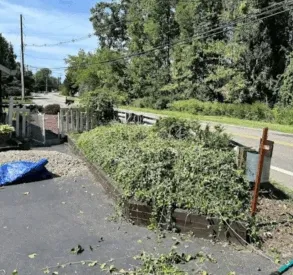
Natural techniques minimize chemical inputs while addressing weed pressure. These include physical removal, thermal methods and household-derived solutions that, when used correctly, reduce weed populations and support soil and plant health.
Local horticulture firms can provide on-site maintenance that incorporates these natural strategies. Their practical experience helps ensure methods are applied safely and tailored to site conditions.
Benefits of Manual Removal
Manual removal, hand pulling or using hand tools targets individual weeds with precision, reducing harm to nearby plants. The approach avoids chemical residues, and the disturbance from pulling can improve soil aeration and water infiltration when performed correctly.
The Role of Mulching
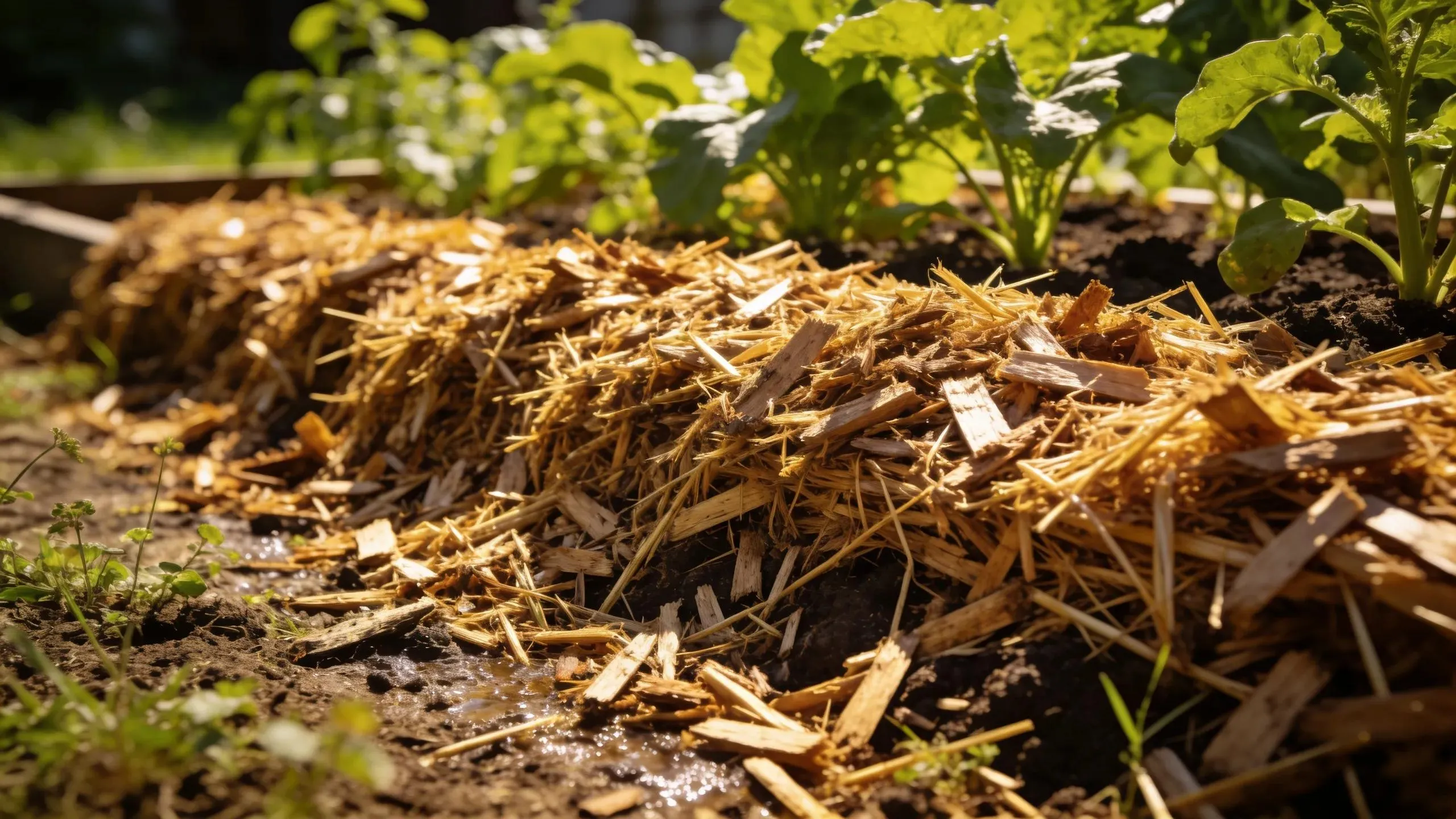
Applying mulch forms a physical barrier that limits light at the soil surface and suppresses weed germination. Mulch also conserves moisture and moderates soil temperature. Organic mulches such as wood chips or straw decompose over time, contributing organic matter and nutrients to the soil.
Mulching for Sustainable Weed Management and Soil Health
Global initiatives aim to reduce reliance on synthetic herbicides to protect human health and ecosystems and to prevent resistant weed outbreaks. A cautious approach to limiting agrochemicals has led to wider adoption of agroecological practices, including mulching. Mulch serves as a barrier to light and heat exchange, reduces evaporation, retains moisture, and helps regulate soil structure and temperature. It also enhances infiltration and water retention, provides habitat for beneficial soil fauna such as earthworms, and can promote root growth while reducing erosion. By preventing light from reaching the soil surface, mulch inhibits germination for many weed species and can reduce dependence on synthetic herbicides for weed control in crops and vegetable systems.
Khan, B.A. (2022). Implications of Mulching on Weed Management in Crops and Vegetables.
Best Practices for Soil Preparation
Effective soil preparation reduces opportunities for weeds to establish and supports plant development. Key practices include defining bed edges, improving soil structure with organic amendments, and removing seasonal debris that can shelter weed seeds.
- Edging and Bed Preparation: Create defined garden beds with clear edges to prevent weeds from encroaching.
- Soil Enrichment: Regularly amend your soil with organic matter to improve its structure and nutrient content.
- Seasonal Clean-Ups: Remove debris and old plant material at the end of each season to reduce potential weed habitats.
Long-Term Strategies for Maintaining Garden Health
Long-term control relies on regular observation and consistent maintenance. A planned schedule of monitoring, seasonal clean-ups and appropriate cultural practices will limit weed pressure and sustain plant vigor.
Local horticulture firms may offer site-specific garden care that emphasizes sustainable practices. Their field experience can help you create a maintenance schedule that includes routine inspections and proactive weed control measures.
Which Natural Weed Removal Techniques Are Most Effective?
Several natural techniques address different weed types and situations. Their selection should match the species present and site conditions to achieve consistent results.
- Hand Pulling: This method allows for precise removal of weeds, especially those with deep roots.
- Boiling Water: Pouring boiling water on weeds can effectively kill them without harming surrounding plants.
- Vinegar Solution: A mixture of vinegar and water can serve as a natural herbicide for small areas.
How Does Manual Removal Reduce Weed Populations Safely?
Removing weeds by hand prevents seed production and reduces the local seed bank. Manual removal targets specific plants without broad environmental effects, preserving beneficial organisms and adjacent vegetation when done carefully.
What Role Does Mulching Play in Preventing Weed Growth?
Mulch inhibits germination by blocking light at the soil surface and reduces soil moisture fluctuation, which benefits planted species while suppressing many weeds.
How Can Soil Preparation Enhance Garden Weed Prevention?
Preparing soil to favor cultivated plants over weeds reduces establishment. Improving structure and fertility gives desired plants a competitive advantage and decreases space available for weeds.
What Soil Management Practices Discourage Weed Establishment?
Practices such as periodic tilling where appropriate, incorporating organic matter, and maintaining a stable soil structure all reduce conditions favorable to weed invasion.
Improving Soil Health through No-Weeding Practices in Plantations
ABSTRACT: Summary The soil health of rubber (Hevea brasiliensis) plantations shows a declining trend, mainly due to the continuous mono crop cultivation and the ‘clean-weeding’ practices. Another weeding approach which allows the under-flora to grow profusely after closing up of the rubber canopy (no-weeding) can establish a multi-flora system that can improve soil health. A case study was undertaken to test this hypothesis. Rubber fields with and without control of under-flora were investigated for different soil properties, biomass and nutrients of under-flora and rubber yield. The ‘no-weeding’ practice for about 10 years in the rubber fields significantly improved the soil OC, N, available forms of K and Mg, respiration rate and moisture status. The biomass and associated nutrients of under-flora also were much higher while the rubber yield was not negatively affected in the ‘no-weeding’ fields. The new weed management system is of great significance in improving soil quality, carbon sequestration new weed management approach to improve soil health in a tropical plantation crop, rubber (Hevea brasiliensis), J Abraham, 2016
How Does Healthy Soil Support Plant Competition Against Weeds?
Well-structured, nutrient-rich soil promotes vigorous growth of cultivated plants, enabling them to outcompete weeds for light, water and nutrients.
What Organic Weed Killers and Alternatives Are Recommended?
Organic control options are available for many settings. Select products with active ingredients suited to the weed species and follow label directions for safe, effective use.
Which Organic Herbicides Effectively Control Weeds Without Harm?
Herbicides containing acetic acid or clove oil can be effective against many annual weeds and present lower environmental persistence than many synthetic products; application technique and timing influence outcomes.
What Are the Benefits and Limitations of Organic Weed Control Products?
Organic products reduce chemical residues and lower non-target impacts, but they often require repeat applications and careful placement to match performance expectations.
How Should Seasonal Weed Management Be Planned for Optimal Results?
Align control activities with weed life cycles and seasonal growth patterns. A seasonal plan improves timing for manual removal, mulching and any targeted treatments to reduce reinfestation.
When Is the Best Time to Remove Weeds Manually or Apply Mulch?
Remove weeds during early growth stages before flowering and seed set for greatest effect. Applying mulch in early spring helps suppress emergence through the main growing season.
How Do Seasonal Changes Affect Weed Growth and Control Strategies?
Temperature and moisture cycles influence germination and growth. Adapting management timing removals and mulches to seasonal patterns improves control efficiency across the year.
What Common Mistakes Should Gardeners Avoid in Weed Control?
Avoid practices that reduce long-term soil health or that unintentionally encourage weeds, such as blanket chemical use or poor mulching technique. Thoughtful, site-appropriate practices yield better results over time.
Why Is Overuse of Chemicals Detrimental to Garden Health?
Excessive herbicide use can degrade soil structure, harm beneficial organisms, and select for resistant weed populations, increasing management challenges over time.
How Can Improper Mulching Lead to Increased Weed Problems?
Using too thin a layer, placing mulch against stems, or employing material with seeds can create favorable conditions for weeds. Proper selection and application are essential for suppression.
Frequently Asked Questions
What are the signs that I have a weed problem in my garden?
Signs include visibly dense or rapidly expanding patches of unwanted plants, garden plants showing stress or reduced growth despite adequate care, and frequent seedling emergence in beds. Regular inspection and knowledge of local species support early detection and targeted action.
How can I prevent weeds from germinating in the first place?
Prevention measures include establishing dense plantings to shade the soil, using landscape fabric where appropriate under mulch to block light, and keeping soil surfaces free of debris that shelters seeds. Proper irrigation management can also reduce conditions that favor weed germination.
What are some alternative organic materials for mulching?
Effective organic mulches include shredded leaves, grass clippings, cardboard, wood chips and straw. Each conserves moisture and contributes organic matter as it decomposes; ensure materials are free of viable weed seed before application.
How often should I monitor my garden for weeds?
Inspect beds weekly during the active growing season. Early removal of seedlings and prompt attention to problem areas limit seed production and reduce labor over the season.
Can I use homemade pesticides to control weeds naturally?
Household remedies such as vinegar or salt can kill exposed growth but may also damage desirable plants and alter soil chemistry. Use concentrated vinegar products with care, apply directly to target weeds, and trial on a small area first to avoid unintended harm.
Is there a best time of year for weed control efforts?
Early spring, before most weeds set seed, is ideal for manual removal and mulch application. Fall clean-up helps remove seed sources and reduce winter annual establishment. Consistent seasonal effort improves long-term control.
What are the environmental impacts of chemical herbicides?
Chemical herbicides can harm non-target insects and soil organisms, reduce biodiversity and contaminate water if misapplied. Over-reliance increases the risk of resistant weeds. Integrating non-chemical methods mitigates these impacts.
Achieving Long-Term Garden Health Through Sustainable Weed Control
Effective weed management combines practical, low-impact methods with sound soil management and regular monitoring. By identifying common species, prioritizing manual removal and mulching, and planning seasonally, you can maintain productive planting areas and protect soil health. Use these evidence-based practices to keep your garden well-managed and resilient.