
Organic Pest Control: A Guide to a Thriving, Sustainable Garden
By Louie Paracuelles, Gebhard Horticulture and Design
Pests can undermine plant health and reduce garden productivity, which is why organic pest control for your garden is essential to keeping plants healthy and productive. Gardeners increasingly prefer organic approaches that protect plants while avoiding synthetic pesticides. This article outlines proven natural pest-control methods that safeguard plants and support a resilient garden ecosystem. By learning these techniques, you can reduce pest pressure and encourage healthy growth. Topics include natural repellents, beneficial insects, companion planting, pest identification, and seasonal prevention strategies for practical organic pest management.
Organic pest-management principles emphasize ecological soundness and combine multiple tactics to prevent pest damage; the citation below provides further detail.
Organic Pest Management Principles and Practices for Sustainable Cultivation
Organic farming has grown worldwide among farmers, entrepreneurs, policymakers, scientists and other stakeholders because it reduces dependence on chemical inputs and protects natural resources and the environment. In organic production systems, genetically modified crops and synthetic pesticides are not permitted, so insect pests present a significant challenge. The principle of organic pest management involves applying ecologically sound practices and integrating multiple tactics into cropping-system design to prevent pest damage. Core principles include prevention/avoidance, monitoring and suppression. Monitoring employs visual inspections, nets, sticky traps and pheromone traps. Preventive cultural measures include removal of alternate host plants, selection of cultivars, crop rotations, tillage, mulching, barrier crops, intercropping, trap cropping, timing of planting/sowing and soil nutrition management, together with conservation of natural enemies. Curative measures include pinching and pruning, sanitation, fruit bagging, water management, mechanical control, insect traps, use of parasitoids and predators, insect pathogens, botanicals, insect growth regulators, insecticidal oils, insecticidal soaps, organic and inorganic insecticides and other synthetic substances allowed in organic farming. When used compatibly, these practices can make the agro-ecosystem less attractive to pest species and provide benefits for both people and the environment. Organic pest management in horticultural crops, 2022
-
- Organic pest control uses ecologically sound practices to minimize chemical inputs and protect garden health.
-
- Natural repellents like neem oil and garlic spray disrupt pest feeding and reproduction without harming beneficial insects.
-
- Beneficial insects such as ladybugs and lacewings naturally reduce pest populations in gardens.
-
- Companion planting with species like marigolds and basil deters pests and supports beneficial insect attraction.
-
- Early pest identification through signs like leaf discoloration and chewed leaves enables timely organic intervention.
-
- Seasonal pest prevention, including spring treatments and fall cleanup, enhances long-term garden resilience.
-
- Homemade insecticides like soap spray and neem oil solutions provide safe, effective pest management options.
-
- Maintaining diverse plantings and avoiding chemical pesticides fosters beneficial insect habitats for natural pest control.
What Are the Most Effective Natural Pest Repellents for Plants?
Natural pest repellents are substances derived from plants or other natural sources that deter pests while preserving beneficial insects and environmental health. They act by masking plant scents, creating inhospitable conditions for pests, or disrupting feeding and reproduction. Effective options include essential oils, homemade sprays and specific plant extracts. Using these repellents is a practical foundation for organic pest control for your garden, reducing pest pressure while supporting overall plant health.
Which Homemade Insecticide Recipes Protect Gardens Safely?
Homemade insecticides can be a safe and effective way to manage pests in your garden. Here are a few simple recipes:
-
- Soap Spray: Mix 1 tablespoon of liquid soap with 1 quart of water. Spray directly on affected plants to suffocate soft-bodied insects like aphids and spider mites.
- Garlic Spray: Blend 2 cloves of garlic with 1 quart of water, strain, and spray on plants. The strong odor deters many pests.
- Neem Oil Solution: Combine 2 tablespoons of neem oil with 1 quart of water and a few drops of soap. This mixture disrupts the life cycle of various pests.
These homemade insecticides are easy to prepare and pose low risk to beneficial insects, making them an environmentally responsible choice for organic pest control for your garden.
How Do Natural Ingredients Like Neem Oil and Garlic Spray Work?
Neem oil and garlic spray are effective natural pest-control agents. Neem oil interferes with insect hormonal systems, reducing feeding and reproduction, and is active against aphids, whiteflies and spider mites. Garlic spray repels pests through its strong odor. Both provide safer alternatives to synthetic pesticides and support a healthier garden ecosystem.
How Can Beneficial Insects Support Organic Pest Control?
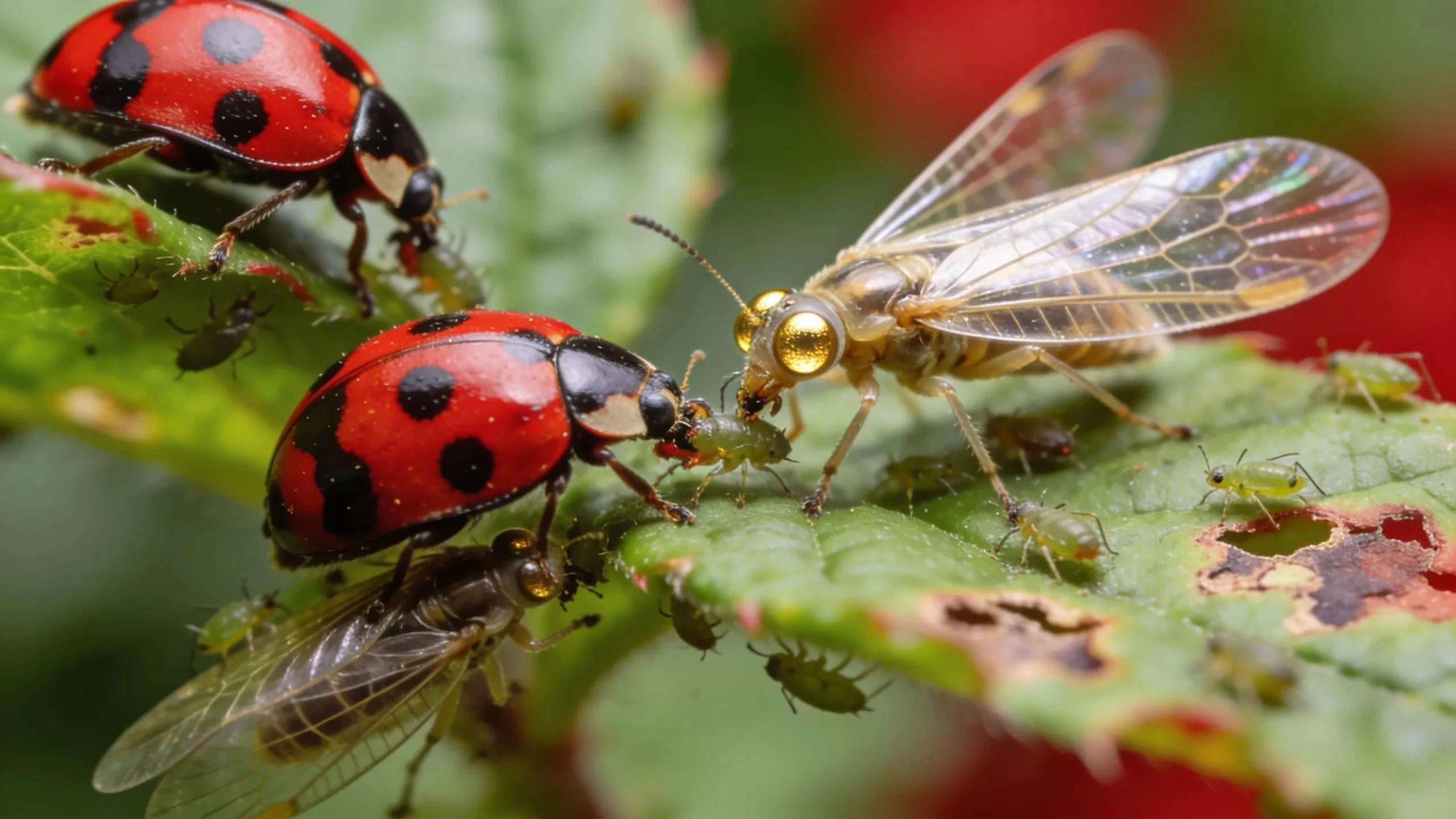
Beneficial insects are essential to organic pest management: they prey on harmful species and help preserve ecological balance. Supporting these populations reduces reliance on chemical measures and strengthens natural regulation of pest numbers.
Which Beneficial Insects Are Most Effective Against Common Garden Pests?
Several beneficial insects are particularly effective in controlling common garden pests:
-
- Ladybugs: Known for their voracious appetite for aphids, ladybugs can consume up to 50 aphids a day.
- Lacewings: Their larvae feed on aphids, caterpillars, and other soft-bodied insects, making them excellent pest controllers.
- Predatory Wasps: These wasps lay their eggs inside pest insects, such as caterpillars, effectively controlling their populations.
Attracting and supporting these species typically reduces pest numbers through natural predation.
How to Attract and Maintain Beneficial Insect Populations in Your Garden?
To attract beneficial insects, implement these proven strategies:
-
- Plant Diverse Flora: Incorporate a variety of flowering plants that bloom at different times to provide a continuous food source.
-
- Provide Shelter: Create habitats such as insect hotels or leave some areas of your garden undisturbed to offer refuge for beneficial insects.
-
- Avoid Pesticides: Refrain from using chemical pesticides that can harm beneficial insect populations.
These practices help establish a resilient garden ecosystem that supports natural pest control.
Harnessing Companion Planting for Natural Pest Control
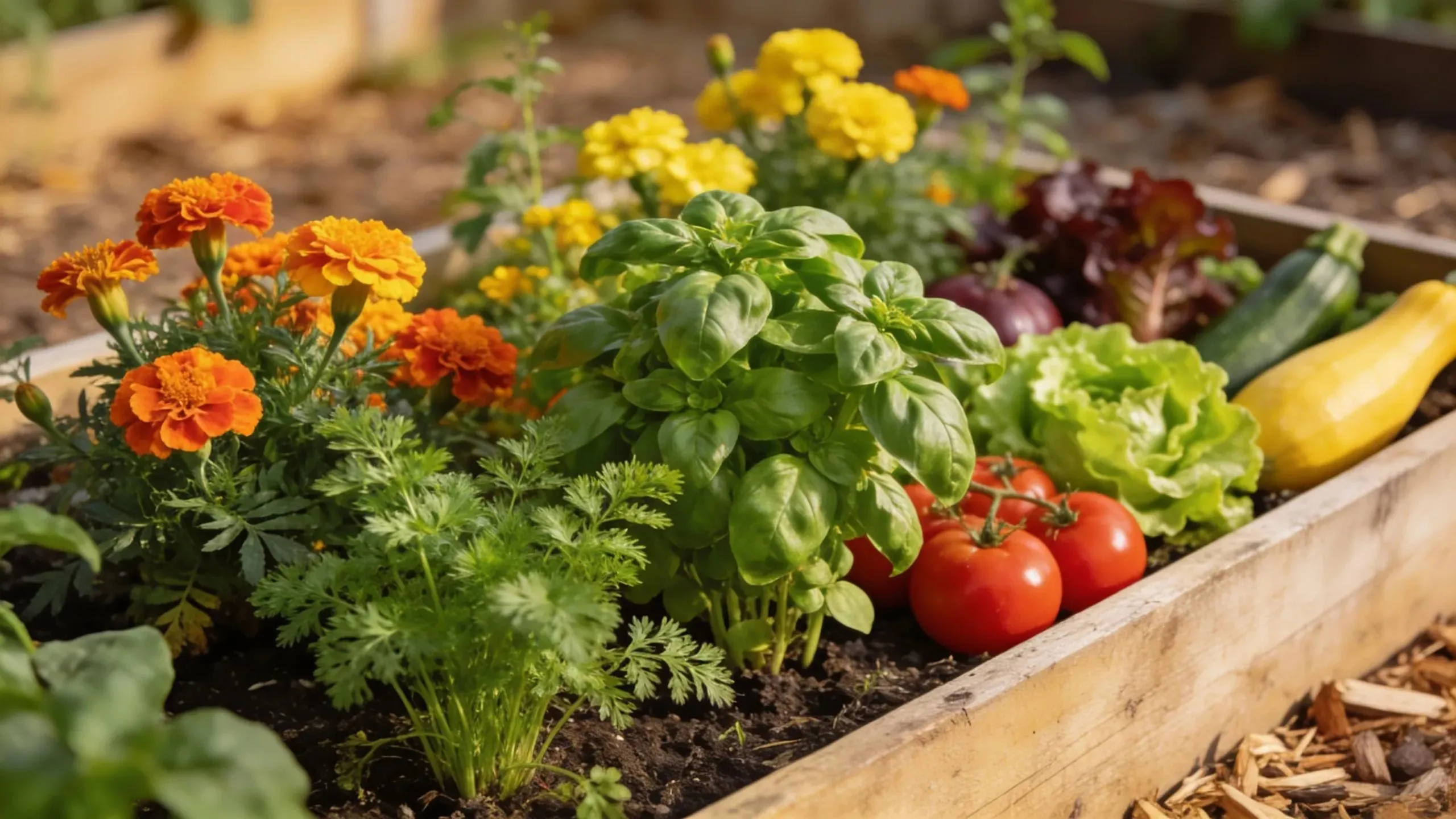
Companion planting places complementary species together to deter pests, improve growth and strengthen overall garden health. Strategic pairings can lower pest pressure while supporting biodiversity.
Which Plant Combinations Naturally Repel Pests?
Some effective companion plant combinations include:
-
- Marigolds with Tomatoes: Marigolds deter nematodes and other pests that affect tomatoes.
-
- Basil with Peppers: Basil repels aphids and whiteflies, benefiting pepper plants.
-
- Cilantro with Various Crops: Cilantro attracts beneficial insects while repelling pests like aphids.
Research has specifically examined marigolds for their pest-deterrent properties and their ability to attract pollinators; the study below summarizes those findings.
Marigolds: Companion Planting for Pest Deterrence and Pollinator Attraction
Marigolds (Tagetes spp.) have been studied for their role in pest control and pollinator attraction within mixed cropping systems. Field studies and existing research show marigolds release bioactive compounds, such as thiophene and alpha-terthienyl, which effectively repel pests including aphids, whiteflies and root-knot nematodes, thereby reducing crop damage and improving yields. Marigolds also support beneficial insect populations, including ladybugs, hoverflies and parasitic wasps, that strengthen biological pest control and contribute to agroecosystem health. Moreover, marigolds provide a reliable source of nectar and pollen that attracts pollinators and can boost pollination rates and crop productivity. This study highlights the value of incorporating marigolds as a companion crop. Marigolds As a Companion Crop: Impact on Pest Control and Pollinator Attraction in Mixed Cropping Systems, 2025
Such combinations contribute to a more resilient garden ecosystem.
What Are the Tradeoffs and Best Practices for Companion Planting?
Companion planting offers clear benefits but also involves tradeoffs to consider:
-
- Space Requirements: Some plants may require more space, which can limit planting options.
-
- Compatibility: Not all plants grow well together; research compatibility before planting.
-
- Maintenance: Diverse plantings may require more attention to ensure all plants thrive.
Best practice is to research plant compatibility, rotate crops and monitor plant interactions to optimize companion-planting outcomes.
How to Identify Common Garden Pests and Apply Organic Solutions?
Early pest identification is essential for effective control. When detected promptly, many pests respond well to organic measures. Recognizing signs of damage allows timely intervention before infestations escalate.
What Are the Signs of Pest Damage on Vegetables and Flowers?
Common signs of pest damage include:
-
- Leaf Discoloration: Yellowing or browning leaves can indicate pest activity.
-
- Chewed Leaves: Visible holes or missing sections of leaves suggest feeding by insects.
-
- Presence of Pests: Spotting pests like aphids or caterpillars on plants is a clear sign of infestation.
Regular inspections and consistent vegetable garden maintenance enable early detection and timely application of suitable organic remedies.
Which Organic Insecticides Are Recommended for Specific Pests?
Several organic insecticides are effective against specific pests:
-
- Neem Oil: Effective against aphids, spider mites, and whiteflies.
-
- Diatomaceous Earth: Works well for crawling insects like ants and beetles.
-
- Insecticidal Soap: Targets soft-bodied pests such as aphids and thrips.
These organic products help control pests while preserving beneficial insect populations.
What Seasonal Pest Prevention Tips Enhance Sustainable Garden Care?
Seasonal pest prevention is vital to a healthy garden. Understanding pest activity periods lets you apply proactive measures that reduce infestations year-round.
When and How Often Should Organic Pest Control Treatments Be Applied?
Timing is critical for effective control. Apply these seasonal guidelines:
-
- Spring Treatments: Apply organic solutions early to prevent pests from establishing.
-
- Summer Maintenance: Regularly inspect plants and reapply treatments as needed.
-
- Fall Preparations: Clean up debris and apply preventative measures to prepare for winter.
Following a seasonal schedule strengthens your garden’s resilience to pests.
How Does Seasonal Maintenance Support Long-Term Pest Management?
Seasonal maintenance supports long-term pest control by promoting vigorous plant growth and reducing pest habitat. Practices such as crop rotation, improving soil health and routine inspections maintain ecosystem balance. Healthier plants resist pests more effectively, simplifying management.
Integrating these seasonal practices into your routine strengthens organic pest control for your garden and yields a more sustainable, productive result.
Frequently Asked Questions
What are the benefits of using natural pest control methods?
Natural pest control preserves ecosystem health by reducing reliance on synthetic chemicals that can harm beneficial insects, soil quality and water resources. Organic methods encourage biodiversity and create balanced conditions that reduce recurring pest problems. They also lower residues on produce, supporting safer harvests for consumers concerned about chemical exposure.
Can companion planting really deter pests?
Yes. Specific plant pairings repel pests and attract beneficial species. For example, marigolds can reduce nematode pressure when planted near vegetables. This mutual support helps plants maintain health and reduces pest incidence over time.
How do I identify beneficial insects in my garden?
Identify beneficial insects by their appearance and behavior. Ladybugs have a distinctive red body with black spots and help control aphid populations. Lacewings have delicate green wings and their larvae feed on many soft-bodied pests. Observing these predators indicates a functioning biological control system in the garden.
Are homemade insecticides as effective as commercial options?
Homemade insecticides can be effective when prepared and applied correctly. Formulations based on soap, garlic or neem oil target specific pests while posing lower risk to beneficial insects. Although they may be less concentrated than commercial products, correct timing and thorough application make them a practical option for common garden pests.
What preventative measures can I take during the off-season?
In the off-season, implement measures such as removing plant debris, rotating crops and improving soil with compost to reduce overwintering pests. Applying organic mulches can insulate soil and deter pests, while maintaining plant diversity supports habitats for beneficial insects ahead of the next growing season.
How often should I monitor my garden for pests?
Regular monitoring is essential. Inspect weekly to detect early signs such as leaf discoloration, damage or visible pests. Early detection allows prompt organic treatment before problems spread.
Is it safe for pets and children to be around naturally managed gardens?
Naturally managed gardens are generally safe for pets and children when synthetic pesticides are avoided. Using natural repellents and organic insecticides reduces toxic exposure risk. Follow product instructions and apply sprays carefully to maintain a safe outdoor environment.
Conclusion
Implementing organic pest control for your garden creates a healthier ecosystem and reduces dependence on harmful chemicals. Natural repellents, beneficial insects and companion planting protect plants while enhancing biodiversity. Consult reliable resources on organic pest management to apply these techniques and build a thriving garden. Adopting sustainable practices supports long-term landscape health.