
How to Bring Overgrown Bushes Back to Life: Effective Pruning Techniques and Care
Overgrown bushes can reduce both the health and appearance of a landscape. Reviving them requires targeted pruning paired with consistent aftercare. This guide explains how to restore shrubs through practical pruning methods, how to recognize signs that they need attention, and the maintenance steps that support recovery and long-term vigour.
- Pruning overgrown bushes involves selective trimming, foundation shaping, and thinning to promote healthy growth.
- Proper care after pruning includes regular pest inspections, deep watering, mulching, and balanced fertilization.
- Signs that bushes need pruning include dead branches, overgrowth blocking pathways, and unbalanced shapes.
- Essential pruning tools are hand pruners, loppers, hedge shears, and pruning saws for different branch sizes.
- The best time to prune bushes in Morris County is late winter to early spring before new growth begins.
- Avoid common pruning mistakes such as over-pruning, pruning at the wrong time, and using dull tools.
- Post-pruning care requires watering, fertilizing after a few weeks, and monitoring for pests to support recovery.
- Cleaning debris, controlling weeds, and edging around bushes help nurture plants back to health after pruning.
Effective Pruning Techniques
Pruning removes chosen parts of a shrub to encourage new shoots, improve structure and reduce disease risk. The following techniques are effective for rehabilitating overgrown bushes:
- Selective Hand Trimming: This method involves carefully cutting back specific branches to promote healthy growth while maintaining the bush’s natural shape. It is particularly useful for ornamental bushes that require aesthetic consideration.
- Foundation Shaping: This technique focuses on shaping the base of the bush to create a balanced appearance. By trimming lower branches, you can enhance the bush’s overall form and allow for better air circulation.
- Thinning vs. Shearing: Thinning involves removing entire branches to reduce density, while shearing is the practice of cutting back the tips of branches to create a uniform look. Understanding when to use each method is crucial for effective bush rejuvenation.
For complex rejuvenation or large specimens, consider professional assistance. For complex rejuvenation or large specimens, consider professional assistance. Gebhard Horticulture and Design provides shrub and bush trimming services and care plans suited to site requirements.
Essential Care Practices
Proper aftercare helps pruned bushes recover and produce healthy new growth. Key follow-up actions include pest monitoring, appropriate watering, mulching and balanced fertilization.
- Regular Inspections for Pests: Monitor your bushes for signs of pest infestations. Early detection can prevent significant damage and ensure the health of your plants.
- Proper Watering Techniques: Ensure that your bushes receive adequate water, especially during dry spells. Deep watering encourages root growth and helps the plant recover from pruning stress.
- Importance of Mulching and Fertilization: Applying mulch around the base of your bushes can help retain moisture and suppress weeds. Additionally, using a balanced fertilizer can provide essential nutrients to support new growth.
For homeowners seeking scheduled maintenance, Gebhard Horticulture and Design offers mulching and weeding services to support plant health and appearance.
Tips for Nurturing Plants Back to Health
Nurturing bushes after pruning reduces stress and accelerates recovery. The following measures help create an environment that supports new growth and reduces pest and weed pressure:
- Clear Debris Around Bushes: Remove any fallen leaves or debris that may harbor pests or diseases. Keeping the area clean promotes a healthier environment for your plants.
- Weed Control Strategies: Regularly check for weeds that compete for nutrients and water. Implementing a consistent weeding schedule can significantly benefit your bushes.
- Importance of Edging: Creating defined edges around your bushes can enhance their appearance and prevent grass from encroaching on their space.
What Are the Signs That Your Bushes Need Pruning?
Early recognition of pruning needs prevents decline and preserves plant form. Common indicators include dead or damaged wood, obstruction of paths or sightlines, and uneven or lopsided growth.
- Dead or Damaged Branches: Look for branches that are brown or brittle, as these can hinder the overall health of the bush.
- Overgrowth Blocking Pathways: If your bushes are encroaching on walkways or other plants, it’s time to trim them back for safety and aesthetics.
- Unbalanced Shapes: If your bushes appear lopsided or uneven, pruning can help restore a more balanced and appealing shape.
How to Prune Overgrown Bushes to Restore Health and Appearance?
A methodical pruning routine yields the best results. Assess the plant, use the correct tools, make strategic cuts and clean up thoroughly to limit pest and disease issues.
- Assess the Bush: Begin by evaluating the overall health and shape of the bush. Identify any dead or damaged branches that need removal.
- Gather the Right Tools: Use sharp hand pruners for small branches, loppers for thicker branches, and hedge shears for shaping. Ensure your tools are clean to prevent disease spread.
- Make Strategic Cuts: Start by removing dead or damaged branches, followed by thinning out dense areas to improve air circulation. Aim for a natural shape that enhances the bush’s appearance.
- Clean Up: After pruning, collect and dispose of all cuttings to prevent pest infestations.
What Tools Are Essential for Pruning Overgrown Bushes?
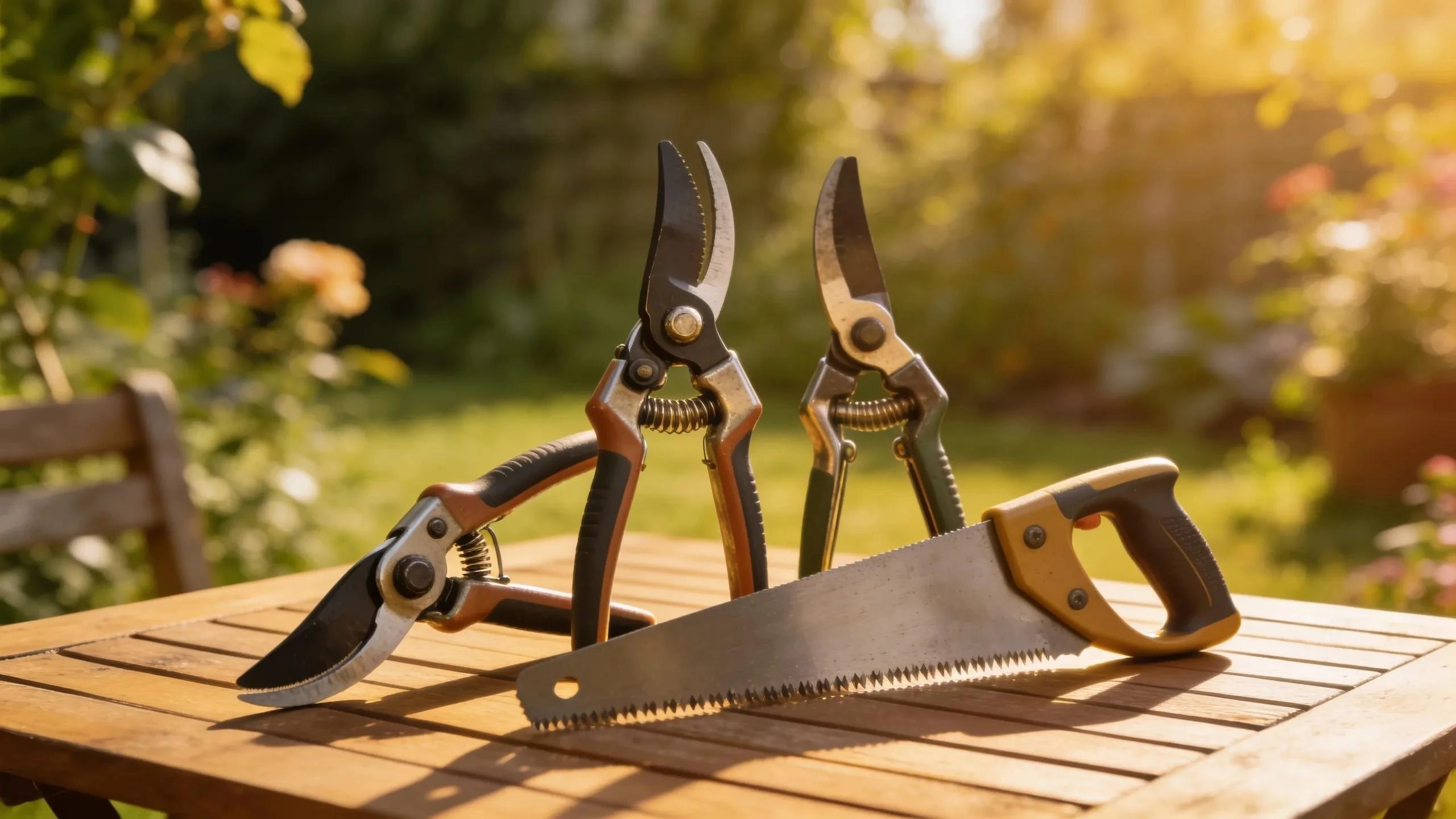
Selecting the right tools lets you make clean, correct cuts and reduces wound size. Essential tools include hand pruners, loppers, hedge shears and a pruning saw for larger limbs.
Using these tools correctly supports cleaner cuts and healthier regrowth.
When Is the Best Time to Prune Bushes in Morris County?
Pruning timing affects recovery and bloom. In Morris County, prune most shrubs in late winter to early spring before buds open. For flowering species, perform post-bloom pruning to preserve seasonal flowers while maintaining plant health. Rutgers NJAES guidance on pruning flowering shrubs.
What Common Pruning Mistakes Should Homeowners Avoid?
Certain pruning errors can cause long-term damage. Avoid removing excessive foliage, pruning at inappropriate times, or using blunt tools that tear tissue rather than cut cleanly.
- Over-Pruning Risks: Removing too much foliage can stress the plant and hinder its recovery. Always prune conservatively.
- Ignoring Seasonal Timing: Pruning at the wrong time can lead to reduced flowering and growth. Be mindful of the specific needs of your plants.
- Using Dull Tools: Dull tools can cause jagged cuts that may lead to disease. Always ensure your tools are sharp and well-maintained.
How to Care for Bushes After Pruning to Promote Recovery?
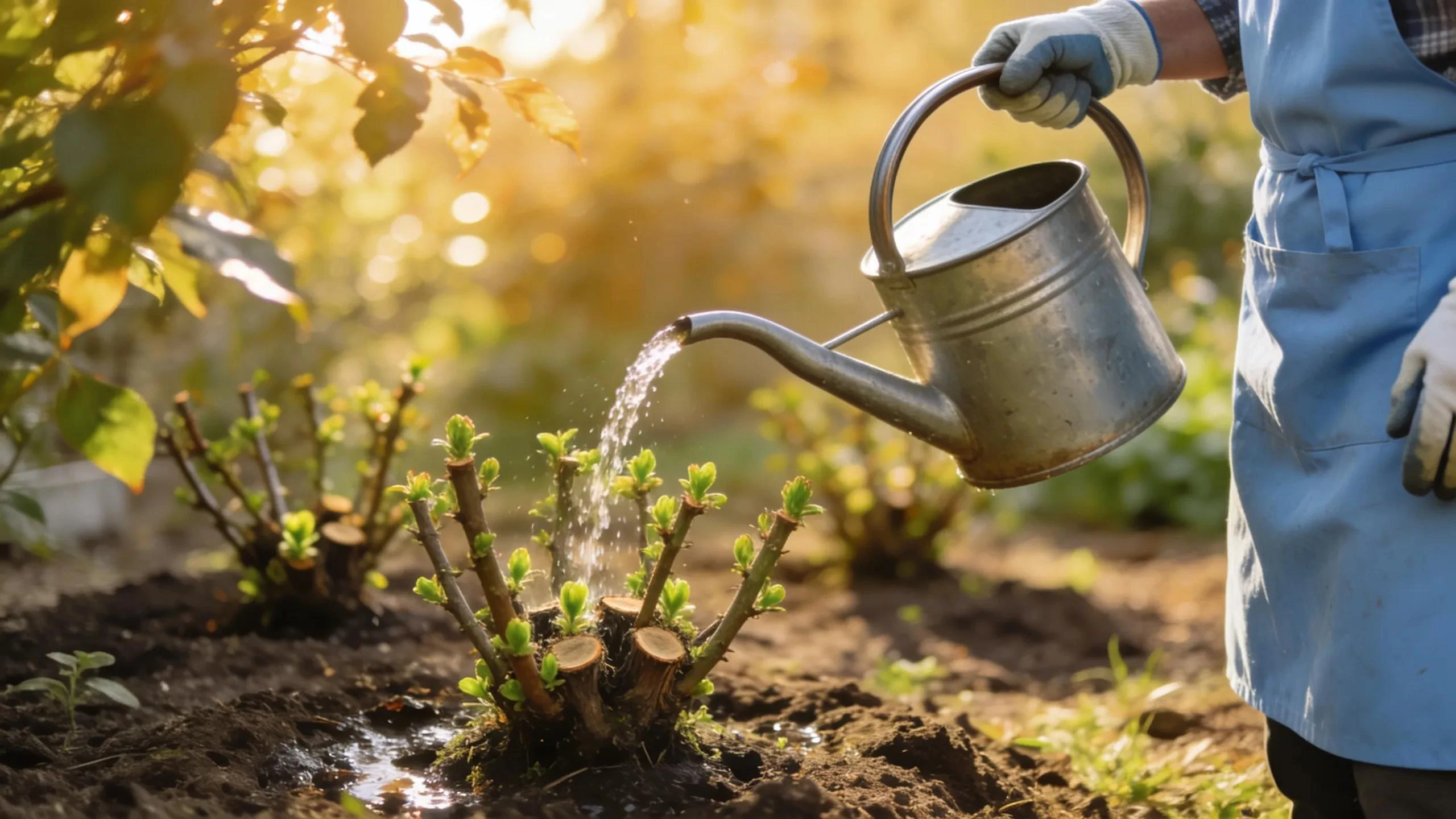
Targeted post-pruning care reduces stress and supports regrowth. Key actions include deep watering, timed fertilization and prompt monitoring for pests or disease.
- Watering Practices Post-Pruning: Ensure your bushes receive adequate water after pruning to support new growth. Deep watering is preferable.
- Fertilization Timing: Apply a balanced fertilizer a few weeks after pruning to provide essential nutrients for recovery.
- Monitoring for Pests: Keep an eye out for any signs of pests or diseases that may arise after pruning. Early intervention is key to maintaining plant health.
Following these steps will help restore overgrown bushes and improve landscape health. If you prefer professional support, Gebhard Horticulture and Design provides plant-health services and landscaping assistance to maintain strong, attractive shrubs.
Frequently Asked Questions
What are the best practices for disposing of debris after pruning?
Bundle and remove trimmings and fallen leaves to reduce pest and disease risk. Compost healthy material or place it in yard-waste collection. If you find signs of disease, follow local regulations: burn only where permitted or dispose of the material with general waste to prevent further spread.
How often should I prune my bushes for optimal health?
Pruning frequency depends on species and growth rate. Many shrubs benefit from an annual prune in late winter or early spring. Fast-growing varieties may need light trims during the season to maintain shape. Inspect plants regularly and prune when you observe overgrowth or dead wood.
Can I prune my bushes during the summer months?
Summer pruning can help control size on vigorous shrubs but can increase stress in hot conditions. If you prune in summer, limit cuts to light shaping and avoid removing more than one-third of the foliage at a time.
What signs indicate that a bush might be diseased?
Look for discolored or spotted leaves, wilting or brittle branches, fungal growths, stem lesions or unusual growths. New insect activity or webbing where none existed before can also indicate disease. Regular monitoring helps detect problems early, especially after extreme weather.
Is it necessary to use a fertilizing schedule after pruning?
Yes. A measured fertilizing schedule supports recovery and encourages new growth. Apply a balanced, slow-release fertilizer a few weeks after pruning once new growth appears. Avoid fertilizing immediately after heavy pruning to limit stress.
What type of mulch is best for use around bushes?
Organic mulches such as shredded bark, wood chips or straw are suitable around bushes. They retain soil moisture, suppress weeds and improve soil structure as they decompose. Apply roughly a 3-inch layer, keeping mulch several inches away from the stem to prevent rot, and replenish annually.
Conclusion
Consistent pruning combined with appropriate follow-up care can revive overgrown bushes and improve landscape function and appearance. Regular attention reduces the likelihood of future problems and supports long-term plant vigor. For site-specific recommendations or professional service, contact Gebhard Horticulture and Design to discuss available options.