

Hedge maintenance requires skill and regular attention. Well-maintained hedges improve landscape appearance and plant health. This guide outlines proven trimming techniques, essential maintenance practices and seasonal care tailored for Morris County. It explains common errors to avoid, the optimal timing for pruning in the area, and the tools needed for effective maintenance. Following these recommendations will help produce attractive, resilient hedges that complement your property.
- Regular trimming maintains hedge shape and promotes healthy growth throughout the year.
- Selective hand trimming and foundation shrub shaping support natural form and hedge longevity.
- Thinning improves air circulation and new growth, while shearing creates a uniform appearance.
- Proper seasonal care includes spring pruning and fall preparation to enhance hedge health.
- Avoid over-trimming, incorrect timing, and using dull tools to prevent plant stress and disease.
- The best time to trim hedges in Morris County is late winter to early spring for optimal growth.
- Different hedge species require tailored trimming frequencies based on their growth rates.
- Essential tools include hand pruners, loppers, hedge shears, and pruning saws for effective trimming.
- Maintaining tools by cleaning and sharpening ensures precise cuts and reduces disease risk.
Expert Hedge Trimming Techniques
Correct trimming methods are essential for hedge health and presentation. Selective hand pruning permits precise shaping and preserves each hedge’s natural habit while encouraging strong new growth. Foundation shrub shaping establishes a firm structural base at the root zone to support long-term vigour. Understanding the difference between thinning and shearing is important: thinning opens the canopy to improve air movement and stimulate internal shoots, while shearing produces a formal, uniform outline.
Essential Practices for Consistent Hedge Maintenance
Consistent maintenance preserves form and plant health. Key practices include the following:
- Establish a Regular Trimming Schedule: Consistent trimming helps maintain shape and encourages healthy growth.
- Conduct Seasonal Cleanups: Remove dead leaves and debris to prevent disease and pests.
- Ensure Debris Removal: Clearing away clippings and fallen branches helps maintain a tidy appearance and reduces the risk of disease.
If professional assistance is required, local horticulturists can provide tailored garden maintenance and hedge care to help maintain health and correct form.
Seasonal Care Recommendations
Seasonal care supports hedge vigour. In spring, prune to encourage fresh shoots and remove dead or damaged wood. In autumn, shape hedges and prepare them for winter. Practices such as mulching and soil amendment improve root health and resilience through seasonal changes.
Common Mistakes to Avoid
Avoiding common errors protects plant health and reduces rework. Be mindful of these pitfalls:
- Over-Trimming: Cutting too much can stress the plant and hinder growth.
- Ignoring Timing: Trimming at the wrong time can damage flowering shrubs and affect their blooming cycle.
- Using Dull Tools: Dull tools can cause jagged cuts, leading to increased susceptibility to disease.
Recognizing and correcting these mistakes promptly is important; local services can provide expert hedge trimming to restore proper form and reduce plant stress.
When Is the Best Time to Trim Hedges in Morris County?
In Morris County the preferred window for most hedge pruning is late winter to early spring, prior to active growth. This timing supports vigorous spring development. Take care with flowering shrubs, as some species require different schedules to preserve blooms. Local temperature and moisture patterns should guide precise timing. Rutgers NJAES pruning guidance
How Does Seasonal Timing Affect Hedge Growth and Health?
Seasonal timing affects growth and recovery. Pruning in late winter prepares plants for vigorous spring growth; pruning at inappropriate times can cause stress and reduce development. Consider local climate-driven moisture cycles when planning pruning dates.
What Is the Recommended Trimming Frequency for Different Hedge Species?
Trimming frequency should match species growth rates. Fast-growing hedges often need pruning every 4–6 weeks during the growing season, while slower-growing varieties may require attention every 8–12 weeks. Adjust schedules by species to encourage dense, healthy growth.
What Are the Essential Tools for Effective Hedge Trimming?
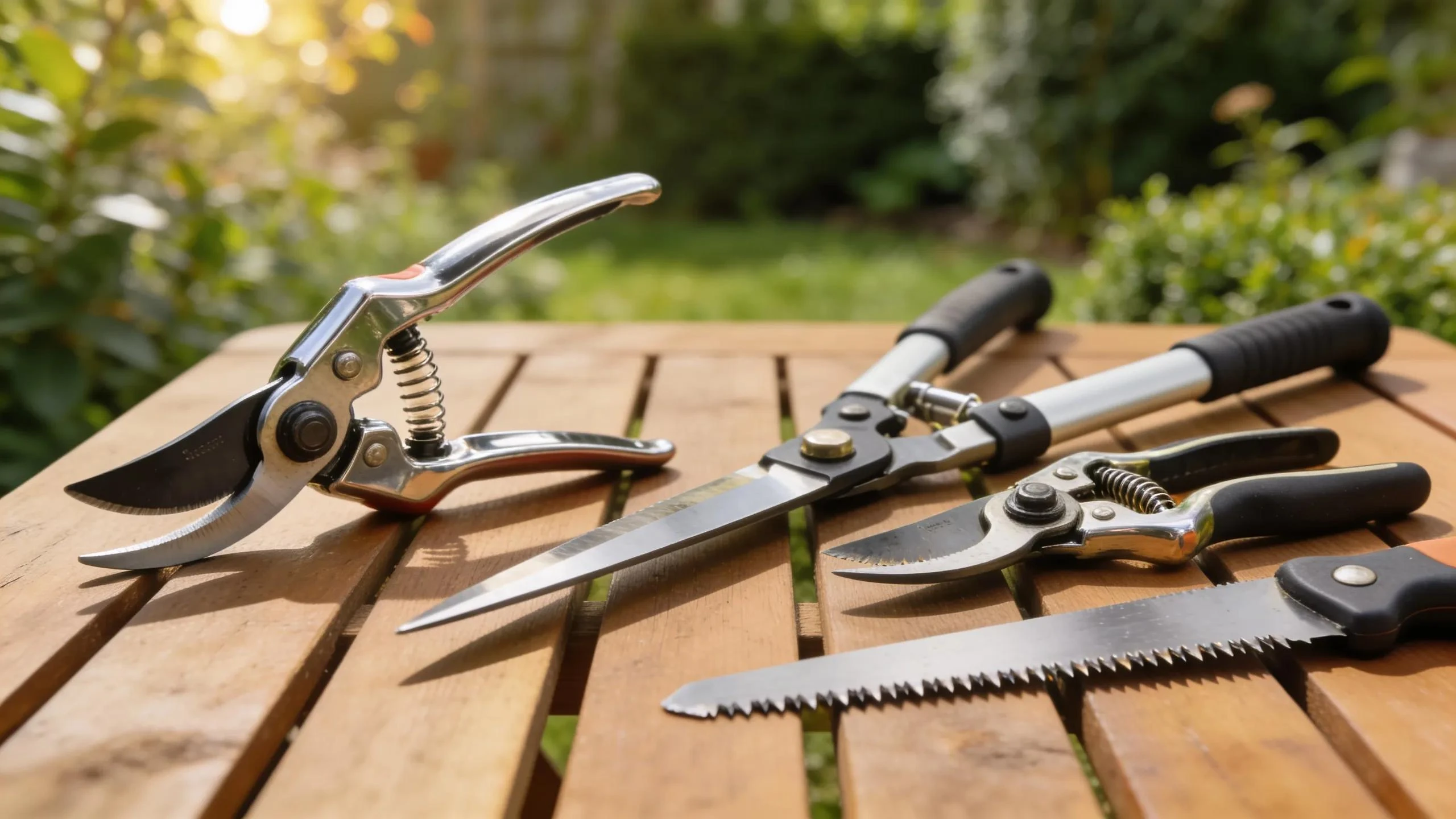
Appropriate tools are necessary for effective trimming. Essential items include:
- Hand Pruners: Ideal for small branches and precise cuts.
- Loppers: Useful for thicker branches that require more leverage.
- Hedge Shears: Perfect for shaping and maintaining the overall appearance of hedges.
- Pruning Saw: Necessary for larger branches that cannot be cut with shears.
Which Pruning Tools Ensure Precise and Safe Hedge Shaping?
Sharp, well-maintained tools deliver clean cuts that reduce disease risk and support recovery. Use appropriate personal protective equipment, such as gloves and eye protection, to prevent injury while trimming.
How Should You Maintain and Handle Hedge Trimming Equipment?
Maintain equipment to preserve performance: clean tools after use to limit disease transfer, store them in a dry place to prevent rust, and sharpen blades regularly to improve cutting efficiency and reduce effort.
How to Trim Hedges Properly: Step-by-Step Techniques for Neat and Healthy Results
Proper trimming follows clear steps. First, assess the shrub to determine desired shape and size. Next, select tools appropriate to branch thickness. Time the work according to the species’ seasonal cycle. Make clean cuts at a slight angle to promote healing and avoid water accumulation.
What Are the Best Practices for Shaping Garden Hedges?
Shaping requires selecting the right technique. Selective pruning preserves a hedge’s natural form, while shearing creates a more formal line. Respect species-specific timing and use suitable tools to make shaping efficient and effective.
How Can Pruning Methods Improve Hedge Health and Appearance?
Pruning improves hedge health by removing dead or diseased wood, enhancing airflow and increasing light penetration to the inner canopy. These actions stimulate vigorous growth and improve overall plant vitality.
What Common Hedge Trimming Mistakes Should Be Avoided?
Steer clear of common errors that harm hedges. Key issues include:
- Incorrect Timing: Trimming at the wrong time can lead to poor growth and flowering.
- Improper Techniques: Using the wrong tools or methods can damage the plant.
- Neglecting Tool Maintenance: Dull tools can cause injury to the plant and lead to disease.
How Does Incorrect Timing or Technique Harm Hedge Health?
Incorrect timing or poor technique can reduce flowering and create wounds that invite pests and disease. For example, late pruning may remove developing buds, and improper cuts can serve as entry points for pathogens. Understanding each species’ requirements is essential for long-term health.
What Safety Precautions Are Necessary During Hedge Maintenance?
Observe standard safety precautions: wear gloves and eye protection to guard against sharp branches and debris, be aware of surroundings when using power tools, and keep bystanders clear to prevent accidents.
How to Maintain Hedge Health Year-Round Beyond Trimming?
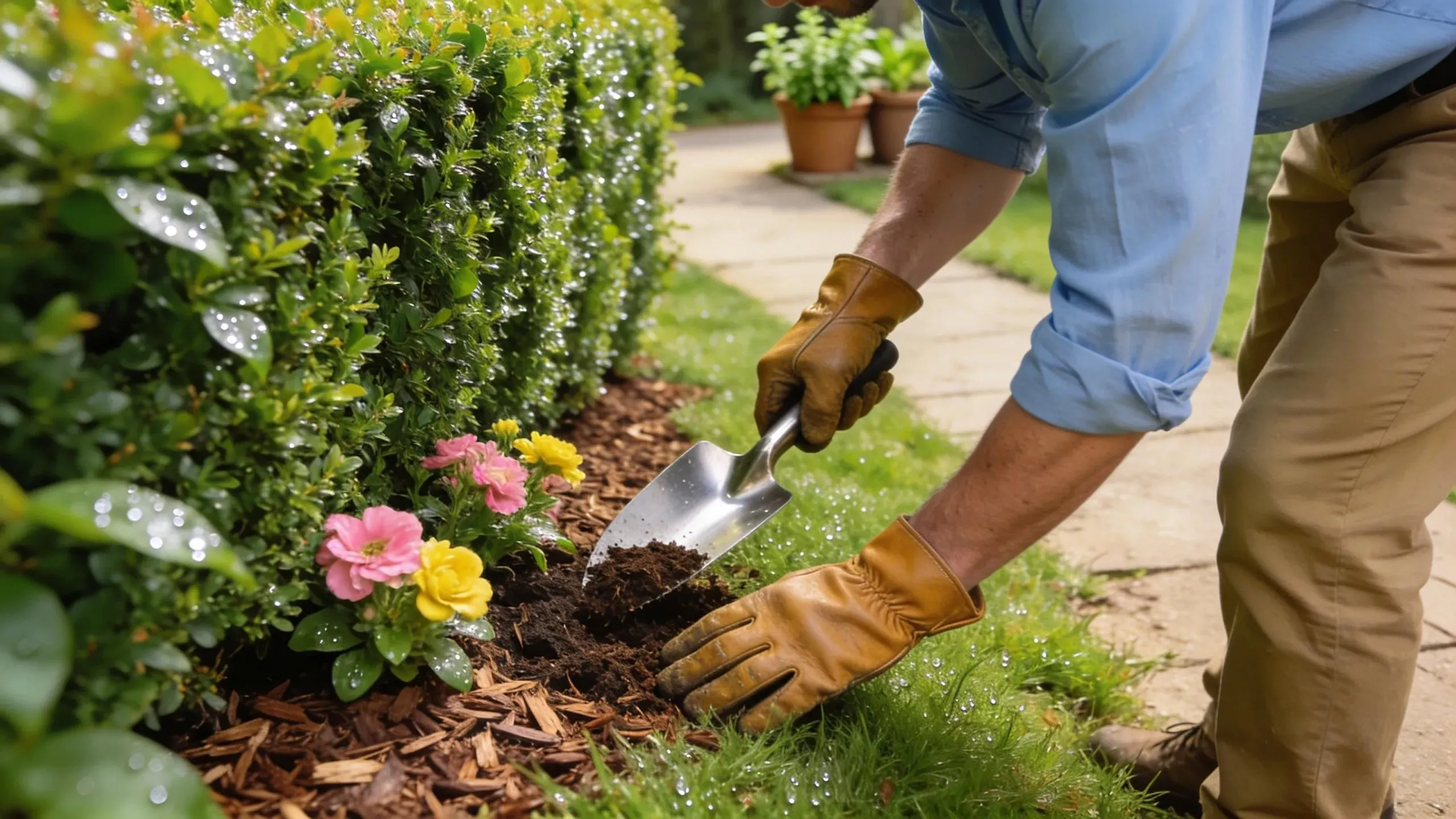
Year-round hedge care extends beyond pruning. Improve soil structure with organic amendments and mulch to enhance nutrient and moisture retention. Regular monitoring for pests and disease enables early intervention before issues escalate.
What Are the Signs of Hedge Disease and How to Address Them?
Common signs of disease include yellowing leaves, stunted growth and unusual spots or lesions. Remove affected branches promptly, clean surrounding debris to limit spread, and apply licensed pest and disease treatment or consult a professional for persistent or unclear problems.
Which Sustainable Practices Support Long-Term Hedge Vitality?
Adopt sustainable practices to support long-term vigour: incorporate organic matter into the soil, use efficient irrigation techniques, and choose native species where appropriate to increase resilience and reduce maintenance inputs.
Frequently Asked Questions
1. What are the benefits of regular hedge trimming?
Regular trimming promotes healthy growth, controls size and reduces the risk of disease and pest infestation. It removes dead or diseased wood, improves air circulation and light penetration, and helps maintain the intended shape and scale across seasons.
2. How can I identify a hedge species to determine trimming needs?
Identify species by examining leaf shape, growth habit and flowering behaviour. Evergreens and deciduous hedges have different pruning requirements. Refer to local identification guides or consult a horticulturist to confirm species and adapt your trimming schedule accordingly.
3. What should I do if I notice signs of hedge disease?
If disease symptoms appear, remove affected material and clear nearby debris to limit spread. Depending on the diagnosis, apply appropriate cultural or chemical treatments and consider consulting a professional for targeted guidance.
4. How can seasonal changes affect hedge maintenance practices?
Seasonal changes alter maintenance priorities: spring focuses on renewal pruning, summer requires pest and moisture monitoring, autumn is suited to shaping and winter preparation, and winter care addresses protection from severe weather. Adjust routines to seasonal needs to maintain hedge health year-round.
5. Are there specific safety tips to follow when trimming hedges?
Prioritise safety: wear gloves and goggles, keep tools sharp and well maintained, and remain aware when operating power equipment. Keep children and pets at a safe distance during work to reduce the risk of accidents.
6. What maintenance can enhance my hedges beyond trimming?
Enhance hedges through soil management such as mulching and adding organic matter, regular pest and disease checks, efficient watering during dry periods and seasonal debris removal to prevent problems and support long-term vitality.
7. How does improper trimming affect hedge growth?
Improper trimming can stunt growth or kill plants. Excessive removal of foliage or cutting into old wood can prevent regeneration. Jagged cuts from dull tools raise infection risk. Correct timing, appropriate techniques and maintained tools are essential for recovery and robust growth.
Conclusion
Well-trimmed hedges contribute to both the health and appearance of a garden. Applying sound trimming techniques and following seasonal care routines promotes strong growth and reduces the risk of problems. Consider consulting local horticulturists for tailored advice or professional services to optimise your maintenance programme and achieve resilient, well-formed hedges.