
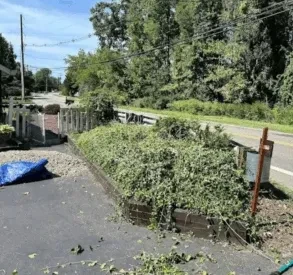
An excessively overgrown yard can appear unmanageable, but a structured approach restores control and value. First, this guide outlines practical steps and proven techniques for effective cleanup and landscape restoration. In particular, you will find clear advice on initial assessment, restoration methods, required tools, and routine maintenance. In general, yards reach this state from neglect or limited horticultural knowledge; therefore, following the methods below will help you recover a healthy, usable landscape. The article explains the cleanup sequence, tool selection, and when to engage professional services so you can reclaim your yard with confidence.
- First, assess your overgrown yard by removing debris and organic matter to prevent pests and diseases.
- Then use pruning shears and loppers to trim dead or overgrown branches, promoting healthy plant growth.
- Also, remove invasive plants early to protect native species and support landscape restoration.
- Essential tools include pruning shears, loppers, rakes, leaf blowers, and edging tools for effective cleanup.
- Schedule yard cleanups twice yearly and, in addition, maintain regular mowing, weeding, and pruning to control overgrowth.
- Above all, prioritize safety hazards and accessible areas when planning your yard cleanup and restoration tasks.
- Follow step-by-step clearing: remove debris, cut back overgrowth, clear weeds, and finally define garden edges. For heavily overgrown specimens, professional shrub and bush trimming avoids the over-cutting that stalls regrowth.
- Hire professional services for extensive overgrowth, hazardous materials, or when lacking time or ability.
- Lastly, dispose of yard waste sustainably by composting and following local regulations for responsible debris management.
Where to Start with Yard Cleanup
Begin with a thorough site assessment and a simple plan. Remove large obstructions—fallen branches, trash and similar items—that limit access. Clear accumulated leaves and organic layers to reduce pests and disease pressure. Tackle visible weeds early to prevent seed spread. Establish clear edges around beds to define planting zones and improve the property’s appearance and manageability.
Expert Tips for Restoration Techniques
Effective restoration uses targeted horticultural techniques to promote healthy regrowth and visual order. Prune shrubs and trees to remove dead wood and thin crowded branches, which improves light and air movement. Eradicate invasive species promptly to protect desirable plants and restore ecological balance. Maintain the restored areas with routine monitoring, appropriate irrigation, nutrient management and mulch to support selected plants.
When invasive plants are widespread, rigorous site preparation is typically required to remove root stocks and seed banks before replanting or outplanting.
Restoring Overgrown Yards: Site Preparation for Invasive Plants
Many tropical sites are overrun with invasive plants (figure 17.2) and cannot be restored successfully without intensive site preparation (referred to as “site prep”) to achieve Outplanting [Chapter 17], D.L. Haase, 2014
Essential Tools for Efficient Yard Cleanup and Restoration
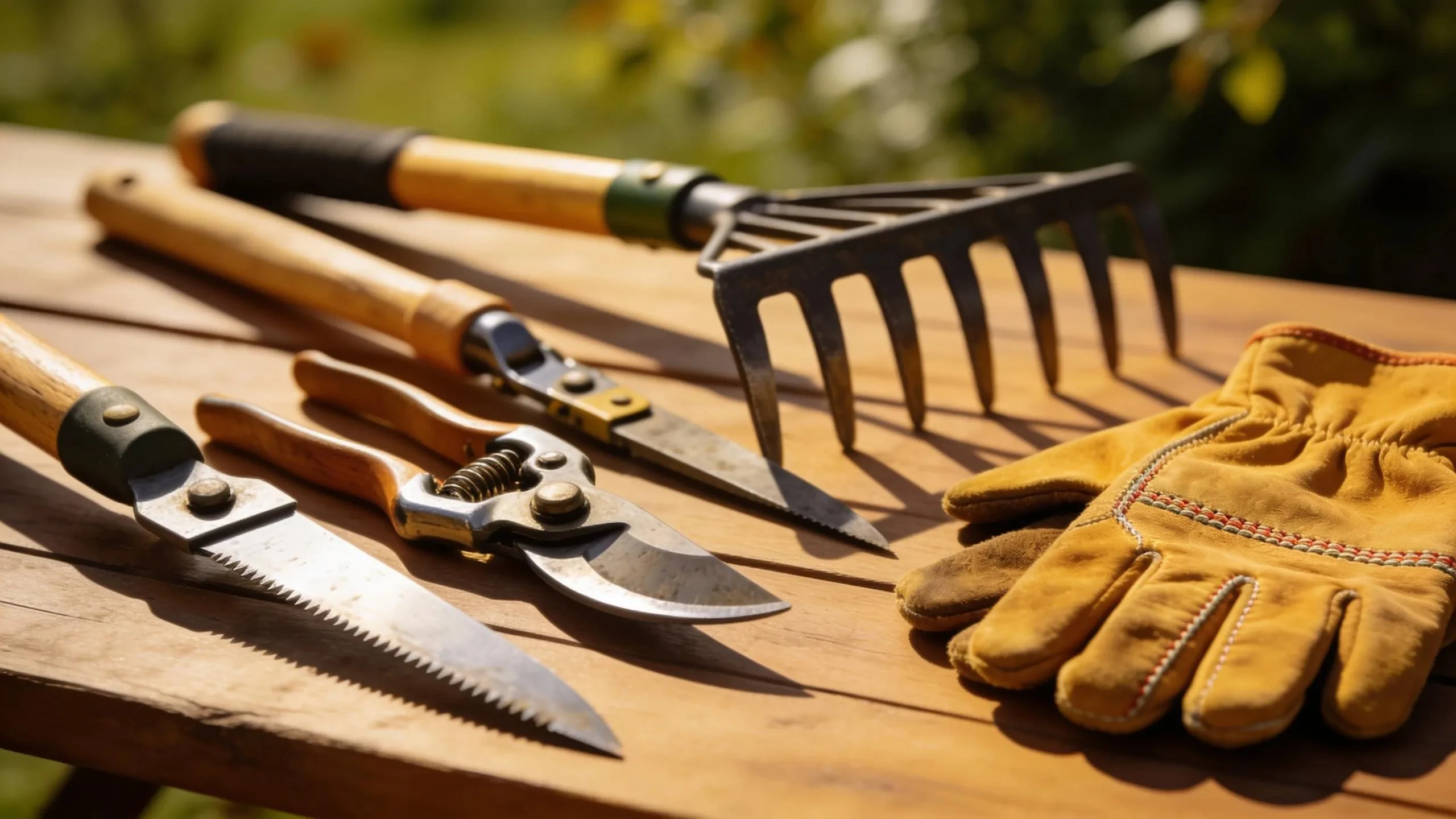
Selecting the appropriate tools improves efficiency and reduces effort. The right hand tools and small power equipment enable precise cuts, safe debris removal and clean edging. Below are the primary tools recommended for most cleanup and restoration projects.
These implements allow you to address pruning, debris collection and bed definition efficiently and prepare the site for follow-up landscaping or maintenance.
Best Practices for Regaining Control of the Landscape
Establish a maintenance routine to keep the landscape under control. Aim for two comprehensive cleanups per year—typically spring and fall—to manage seasonal growth. Maintain a schedule for mowing, targeted weeding and selective pruning to prevent reoccurrence of dense overgrowth. Periodic soil feeding and mulching will support plant health and reduce weed pressure.
How Do You Begin Clearing an Overgrown Yard?
Tackle the task in stages to keep it manageable. Start with a site survey to identify the worst areas, then assemble the necessary tools and safety gear. Use a systematic sequence to work efficiently and safely.
- Remove Debris: Clear away any large items, such as branches and trash, to create a safe working environment.
- Cut Back Overgrowth: Use pruning shears and loppers to trim back overgrown shrubs and trees, focusing on dead or unhealthy growth.
- Clear Weeds: Remove any visible weeds, ensuring to pull them out by the roots to prevent regrowth.
- Define Edges: Use edging tools to create clean lines around garden beds and pathways, enhancing the overall appearance of your yard.
Working methodically through these steps prepares the site for restoration and ongoing maintenance.
Assessing Yard Conditions and Identifying Key Challenges
A careful evaluation identifies plant health issues, invasive species and physical hazards like uneven ground or broken limbs. Use that assessment to determine necessary tools, safety precautions and the scope of work required for restoration.
Prioritizing Areas for Cleanup and Restoration
Set priorities based on safety and access. Address hazards—sharp debris, unstable branches or exposed roots—first. Then focus on accessible zones where progress can be made quickly, followed by more difficult areas. Prioritise sections with valuable or salvageable plants to conserve resources.
What Essential Tools Are Needed for Overgrown Yard Cleanup?
Effective cleanup calls for a range of hand and light power tools tailored to tasks at hand. The list below covers items used most frequently in restoration work and routine landscape care.
Perform a final tidy of the work area and clean tools after tasks are complete; this preserves equipment and prevents the spread of pests and disease.
Essential Hand Tools for Landscape Operations and Yard Cleanup
A trowel is identified as an essential tool in landscape operations. Yard work typically concludes with a cleanup phase that includes cleaning the work area and the tools used. Hand Tools Safety: Lawncare Training Guide, R.D. Grisso, 2013
Having the recommended tools on hand reduces downtime and helps you respond to typical challenges during cleanup and restoration.
What Are the Step-by-Step Processes for Effective Yard Restoration?
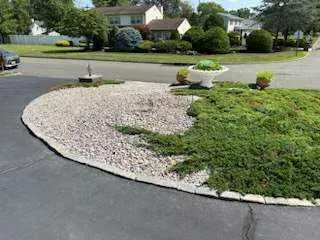
Restoration follows a clear sequence to re-establish plant health and site order. Each stage focuses on removing unwanted material, stabilising the site and preparing for replanting or maintenance.
- Clear Dense Vegetation: Begin by removing any thick underbrush and overgrown plants that are not part of your desired landscape.
- Remove Unwanted Plants: Identify and eliminate invasive species that may hinder the growth of your preferred plants.
- Final Cleanup Steps: Once the major work is done, conduct a final cleanup to remove any remaining debris and prepare the area for planting or landscaping.
Completing these processes restores structure and creates a suitable environment for selected plants to thrive.
When Should Homeowners Hire Professional Yard Restoration Services?
Engage professionals when the scale of overgrowth exceeds safe or practical DIY effort, when hazardous materials are present, or when physical limitations prevent completion. Professional involvement is also appropriate for complex restoration plans that require specialised equipment or technical expertise. Obtain several estimates to understand scope and cost before committing.
Professional consultation can provide planning guidance for restoration, including use of appropriate native species and long-term site management strategies.
Professional Services for Landscape and Yard Restoration Planning
On the propagation and use of native plants for landscaping and restoration: the nursery offers consulting services in landscape and restoration planning and has worked with parks and golf facilities. Landscape restoration handbook, 1999
How Can Yard Waste Be Disposed of Sustainably and According to Local Guidelines?
Follow local regulations for yard waste collection, which may include curbside pickup or drop-off sites. Composting organic material converts leaves, grass clippings and small branches into a soil amendment that improves structure and nutrient levels. Arrange for chipping or municipal recycling options for larger woody debris to reduce landfill contribution and support sustainable waste management.
What Common Mistakes Should Be Avoided During Overgrown Yard Cleanup?
Avoiding common errors reduces rework and protects plant health. Typical mistakes include planting too many species in a small area, neglecting early weed control and using improper pruning methods that injure plants. Address these issues with planned spacing, prompt weed removal and correct cutting techniques.
Avoiding Damage to Healthy Plants and Soil
Preserve desirable plants and soil structure by using selective methods: hand-pull weeds near fragile specimens, use targeted pruning rather than broad cuts, and limit heavy equipment traffic to prevent compaction. Time interventions to the appropriate season to reduce stress on retained plants.
Planning Cleanup Timing to Maximize Effectiveness
Schedule major cleanups in spring or fall when plants are entering growth or dormancy. Choose dry weather to minimise soil disturbance and erosion. Coordinate weed-control measures with seasonal cycles to reduce regrowth and simplify ongoing maintenance.
Frequently Asked Questions
What Steps Should I Take to Prevent Future Overgrowth in My Yard?
Preventative care relies on a regular maintenance plan: consistent mowing, targeted weeding and scheduled pruning. Use mulch around beds to suppress weeds and conserve moisture — professional weed removal and mulching services can establish this base before your maintenance routine begins.
How Do I Know When to Hire a Professional for Yard Cleanup?
Consider hiring a professional if overgrowth limits safe access, if hazardous materials or plants are present, or if time and physical ability are constraints. Professionals can also advise on sustainable restoration approaches and provide estimates so you can weigh cost against expected outcomes.
What Are Invasive Plants, and How Can I Identify Them?
Invasive plants are non-native species that spread rapidly and displace local flora. They often show rapid growth, extensive root systems or prolific seed production. Check regional invasive-species lists from extension services or botanical organizations, or consult local horticultural groups for identification and removal guidance. Rutgers NJAES guidance on native plants and invasive removal
Can I Compost Yard Waste, and What Are the Benefits?
Composting yard waste is an effective recycling method that returns nutrients to the soil and reduces landfill volumes. Balance green materials, such as grass clippings, with brown materials like dry leaves to maintain proper carbon-to-nitrogen ratios. Regular turning promotes aeration and speeds decomposition, producing a stable, nutrient-rich amendment for your garden.
How Can I Safely Prune Trees and Shrubs in My Yard?
Prune with an understanding of plant growth points: cut just above a bud or lateral branch to encourage healthy regrowth. Use sharp, clean tools to reduce tissue damage and disease risk. For many species, late winter or early spring dormant pruning minimises stress. Avoid over-pruning; remove only dead, diseased or structurally unsound wood when possible.
What Tools Are Essential for Yard Maintenance Beyond Cleanup?
Beyond hand tools, essential maintenance equipment includes a reliable lawn mower for regular cutting, a garden fork for aeration and a soil moisture meter to inform irrigation. A wheelbarrow or garden cart aids material transport. Investing in durable tools improves efficiency and reduces replacement costs over time.
How Often Should I Schedule Professional Landscaping Services?
Service frequency depends on landscape complexity and objectives. A baseline of two seasonal professional visits per year—spring and fall—covers major cleanups and assessments. Properties with intensive plantings, pest challenges or specialised care needs may benefit from more frequent professional engagement to maintain plant health and landscape function.
Conclusion
Converting an overgrown yard into an orderly, healthy landscape is achievable with the right plan, tools and maintenance. Prioritise key cleanup steps and regular care to prevent recurrence. When the scope or hazards exceed your capacity, professional services can provide technical support and planning. Use this guidance to begin practical restoration and maintain the landscape for long-term health and functionality.