
Raised Garden Beds vs. In-Ground Gardens: Expert Guidance to Choose the Best Option for Your Morris County Garden
Gardeners in Morris County frequently must decide between raised beds and in-ground gardens. Each approach offers specific advantages and constraints that affect plant health, maintenance and yield. This article compares both systems so you can choose based on site conditions, soil characteristics, available space and budget. You will learn the benefits and limitations of each method, how local soil and climate influence the decision, and practical cost and space considerations. We will also outline common mistakes to avoid and describe how professional garden design can improve long-term outcomes.
- Raised garden beds improve soil drainage and quality by elevating planting areas above ground level.
- Materials like wood, metal, and stone affect raised bed durability and plant root temperature.
- In-ground gardens offer cost-effective options for larger spaces but require extensive soil preparation.
- Proper soil testing and amendments are essential for successful in-ground garden growth.
- Raised beds dry out faster than in-ground gardens, impacting water retention and irrigation needs.
- Morris County’s soil pH, nutrient content, and climate influence the choice between garden bed types.
- Raised beds warm up earlier in spring, enabling earlier planting compared to in-ground gardens.
- Maintenance differs: raised beds need erosion control, while in-ground gardens require frequent weeding and pest monitoring.
- Professional garden design services can optimize garden bed selection, construction, and long-term productivity.
What Are the Key Benefits and Drawbacks of Raised Garden Beds?
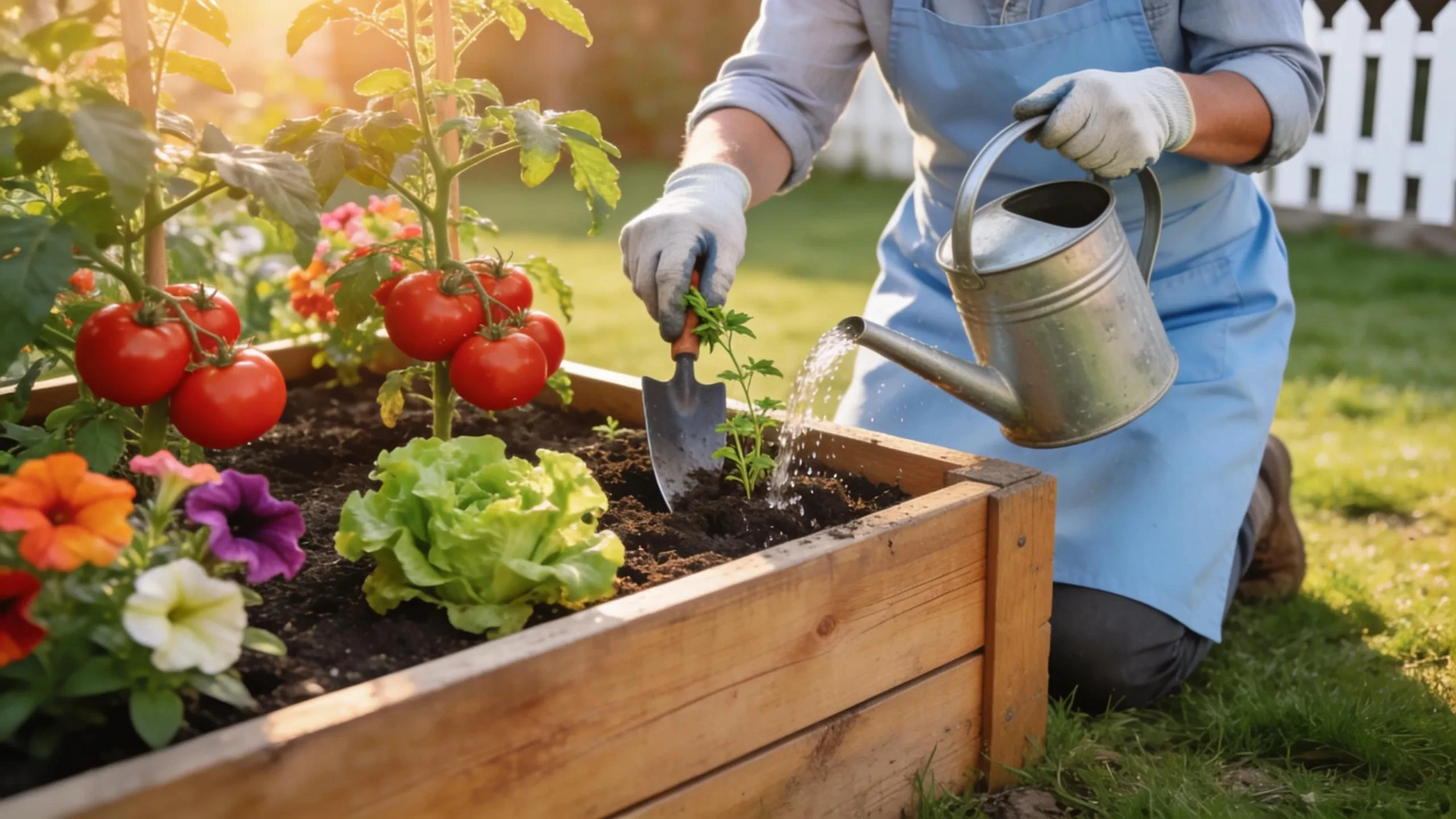
Raised beds deliver measurable benefits for many home gardens: improved drainage, the ability to control soil structure and nutrient status, and easier physical access for planting and maintenance. They permit precise soil mixes tailored to crop needs and reduce compaction from foot traffic. The trade-offs include higher initial material and soil costs and a need for routine maintenance to manage erosion and moisture levels.
How Do Raised Beds Improve Soil Drainage and Quality?
By elevating the planting zone, raised beds facilitate surface runoff and reduce waterlogging that causes root oxygen deficiency and disease. They also allow gardeners to construct a defined soil profile—combining topsoil, compost and other amendments—to target pH, texture and nutrient availability for chosen crops.
Which Materials and Construction Methods Are Best for Raised Beds?
Common materials include treated and untreated wood, metal and stone; each affects longevity, thermal behaviour and cost. Untreated timber is economical and easy to work with but will eventually decay. Metal is durable but can increase soil temperature near the edges. Proper joinery, drainage provision and base preparation determine how long a bed will perform under local weather and soil conditions.
What Are the Advantages and Challenges of In-Ground Gardens?
In-ground gardens are economical for larger areas and can support deep-rooted crops without the upfront expense of built beds. They rely on the native soil, which can retain moisture and support soil biology when managed correctly. The main challenges are the labour and materials needed for soil testing, amendment and regular cultivation to address compaction, fertility and pest pressure.
How Does Soil Preparation Affect In-Ground Garden Success?
Effective in-ground gardening depends on testing for pH and nutrient levels, then applying targeted amendments to correct deficiencies and improve structure. Incorporating organic matter and addressing drainage or compaction issues before planting will increase crop vigour and reduce the risk of failure.
What Maintenance Considerations Are Unique to In-Ground Gardens?
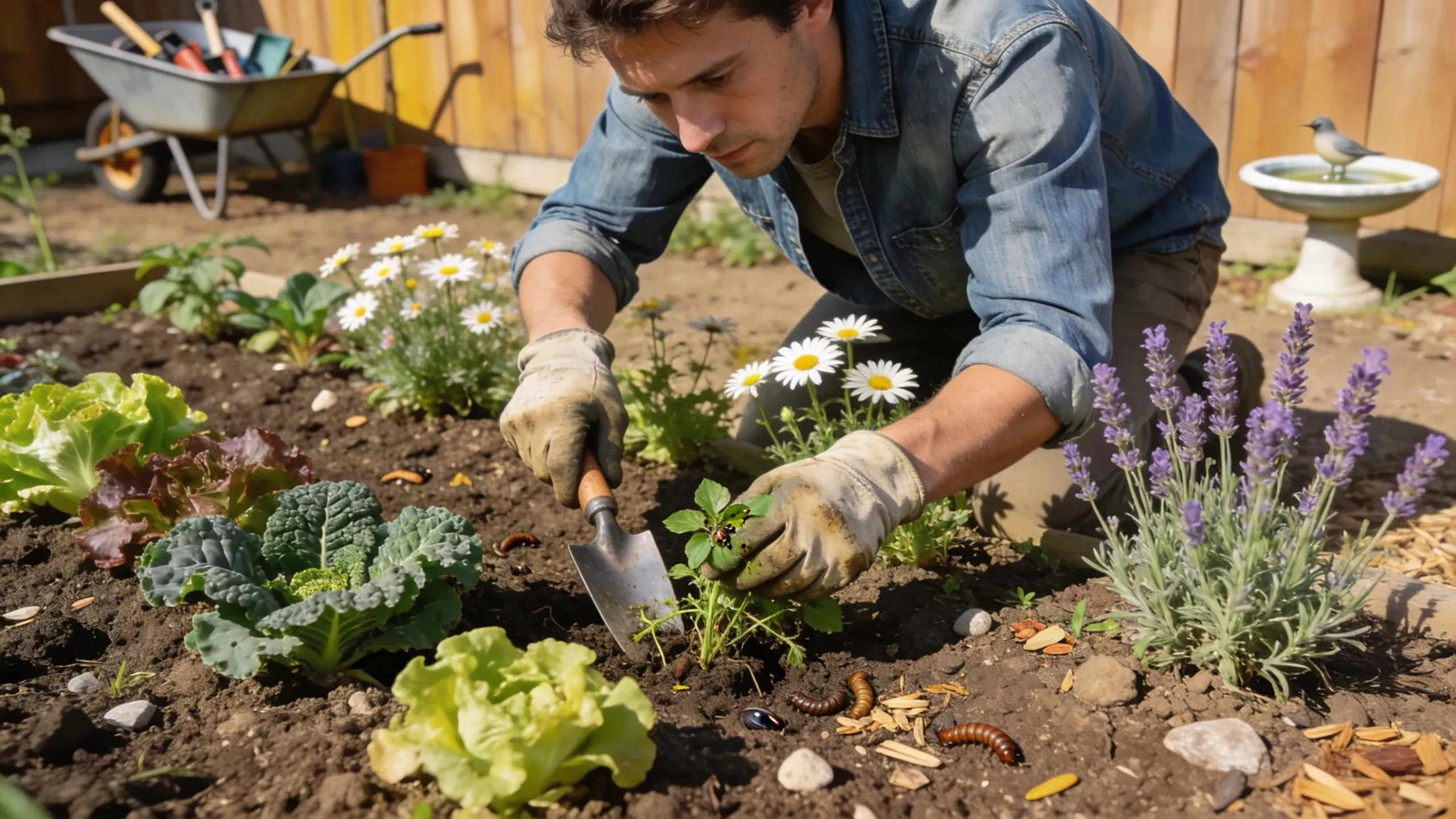
In-ground plots typically demand more frequent weeding and vigilance for soil-borne pests and pathogens. Gardeners should monitor soil moisture and structure, rotate crops to manage pests, and use surface mulches or cover crops to limit erosion and nutrient loss.
How Do Local Morris County Soil and Climate Conditions Influence Garden Bed Choice?
Morris County’s soil texture, pH range and seasonal climate strongly affect whether raised beds or in-ground gardens are the better option. Assessing these local factors helps determine if a raised, controlled soil profile or an improved in-ground system will offer the best growing conditions for your plants.
What Soil Characteristics Should Morris County Gardeners Assess?
Gardeners should test for pH, organic matter content, key nutrients and drainage. These results guide decisions on liming, fertiliser regimes and the addition of compost or sand to adjust texture. Accurate testing is the basis for selecting appropriate crops and amendment schedules.
How Does Local Climate Affect Raised Bed and In-Ground Garden Performance?
Seasonal temperature swings and frost dates in Morris County influence planting timelines. Raised beds typically warm earlier in spring, which can permit earlier sowing of tender crops. Gardeners must also consider humidity and frost risk when planning plant selection and protective measures.
What Are the Cost and Space Considerations When Choosing Garden Bed Types?
Cost and available space are primary constraints. Raised beds demand an upfront investment in materials and soil, while in-ground gardens require preparation work that can be time- and labour-intensive. Assess both the short-term expenses and the ongoing maintenance needs to determine the most economical approach for your situation.
How Do Initial and Ongoing Costs Compare Between Raised Beds and In-Ground Gardens?
Raised beds incur higher initial costs for frames and imported soil, but may reduce some long-term labour through easier access and targeted soil management. In-ground gardens avoid frame costs but often require continuous expenditure on fertiliser, soil amendments and pest control. Budget for both one-time and recurring expenses when planning.
What Space Requirements Should Be Considered for Each Garden Bed Type?
Raised beds require clearly defined plots and are suitable for compact or constrained sites where intensive planting is desired. In-ground gardens are better for larger, contiguous areas where crops can spread and deeper cultivation is possible. Match the system to your property footprint and planting objectives.
What Common Mistakes Should Gardeners Avoid When Selecting and Maintaining Garden Beds?
Choosing the wrong system for the site or neglecting soil assessment are frequent errors. Poorly planned beds can result in chronic moisture issues, nutrient imbalances and increased pest problems. A methodical assessment of soil, drainage and site exposure reduces the risk of costly mistakes.
Which Construction and Soil Preparation Errors Impact Garden Health?
Failing to test soil before planting can lead to persistent nutrient or pH problems and poor yields. Likewise, improper construction—such as inadequate drainage, poor anchoring or insufficient soil volume—can cause raised beds to fail structurally or dry out prematurely.
How Can Pest Control and Maintenance Practices Differ Between Bed Types?
Pest management must be tailored to the chosen system. Raised beds can simplify some barrier and baiting strategies but may expose plants to different microclimate pests. In-ground gardens often require crop rotation, soil treatment and stronger cultural controls to address soil-borne organisms. Select practices that address the specific pest pressures you observe.
For example, it’s worth noting how the water retention capabilities of raised beds differ from in-ground gardens.
Raised Bed Gardens: Water Access & Drying Rates
The guide explains why gardeners raise soil and plants above ground level. Access to water: raised beds tend to dry out faster than comparable in-ground gardens, which affects irrigation planning.Raised-Bed Gardening For Dummies, 2026
How Can Professional Garden Design and Installation Support Your Garden Bed Decision?
Specialist design and installation teams provide site assessment, soil analysis and construction guidance that align the chosen system with local conditions and planting goals. Their practical experience helps ensure the selected approach performs reliably over multiple seasons.
What Personalized Services Does Gebhard Horticulture and Design Offer for Garden Bed Planning?
Gebhard Horticulture and Design conducts site assessments and recommends materials, soil mixes and layouts matched to your objectives and the local environment. Their planning focuses on durability, plant health and efficient maintenance to support productive gardens.
How Does Expert Consultation Enhance Garden Bed Longevity and Productivity?
Consultation identifies soil limitations, appropriate plant selections and maintenance regimes that extend bed longevity and improve yields. Applying professional guidance to planting schedules, soil management and irrigation reduces risk and supports sustained productivity.
Frequently Asked Questions
1. What are the advantages of using raised garden beds for urban gardening?
Raised beds are well suited to urban sites because they allow control over soil quality where native soil is compacted or contaminated. They improve drainage, permit tailored soil mixes and can be built at heights that ease access for gardeners with limited mobility. These attributes make urban cultivation more practical and productive.
2. Are there specific plants that thrive better in raised beds compared to in-ground gardens?
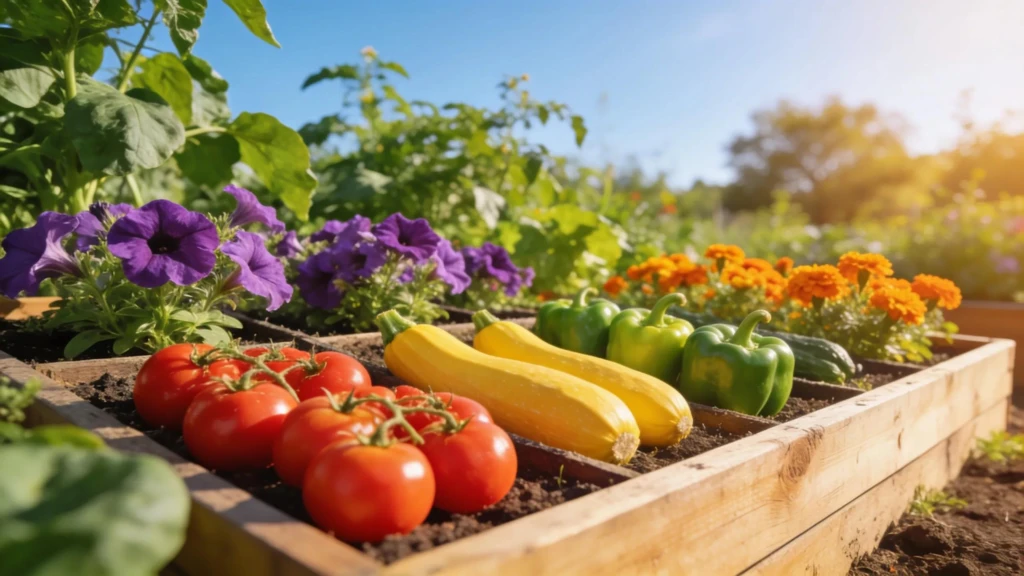
Certain vegetables perform particularly well in raised beds. Warm-season crops such as tomatoes and peppers benefit from earlier soil warming, while leafy greens and root crops like lettuce and carrots develop well in the loose, well-drained soil mixes that raised beds provide.
3. How do mulch and cover crops help maintain the health of both garden types?
Mulch conserves moisture, moderates soil temperature and suppresses weeds, reducing routine maintenance. Cover crops planted in the off-season protect against erosion, add organic matter and restore nutrients when incorporated, improving soil structure and fertility over time.
4. What are the long-term benefits of investing in professional garden design services?
Professional design delivers site-specific recommendations for layout, plant selection and maintenance that reduce costly mistakes and improve long-term performance. A well-planned garden can lower ongoing maintenance needs and support consistent yields, enhancing the value and usability of the outdoor space.
5. How can organic pest management practices differ between raised and in-ground gardens?
Organic strategies must reflect the system: raised beds can be managed with physical barriers and localized controls, while in-ground gardens often rely on rotation, soil health improvements and encouraging beneficial insects to manage deeper or soil-borne pests. Choose methods that suit the pest ecology of your site.
6. What considerations should be made regarding water access for raised beds?
Because raised beds dry more quickly, plan reliable irrigation such as drip systems or soaker hoses and include moisture-retaining amendments in the soil mix. Regular moisture monitoring during dry spells will prevent stress and support steady plant growth.
7. How can local gardening communities benefit both raised and in-ground gardeners?
Local groups offer practical knowledge on regional pests, planting calendars and successful cultivars for your area. Sharing resources and experience helps gardeners improve practices for both raised and in-ground systems and promotes collaborative learning.
Conclusion
Selecting raised beds or in-ground gardens affects drainage, soil management, planting schedules and maintenance. Consider your site, soil tests and available resources when deciding. If you require tailored advice, consult local horticultural professionals who can assess conditions and recommend the most suitable approach for lasting, productive results.