
Perennials vs. Annuals: Understanding Plant Lifecycles and Care for Informed Garden Planning
Choosing between perennials and annuals is a key decision in garden planning. This article explains their lifecycles, care needs, and planting strategies so gardeners in Morris County and nearby areas can make practical, informed choices that support healthy, attractive landscapes.
- Perennials live for multiple years and bloom each season, while annuals complete their lifecycle in one growing season.
- Perennials develop deep roots, enabling survival through winter and regrowth in spring.
- Annuals require replanting yearly as they germinate, flower, and die within one season.
- Perennials need less frequent watering and fertilizing mainly in early spring and post-bloom.
- Annuals demand consistent watering, fertilizing, and deadheading for continuous blooms during the growing season.
- Morris County perennials like Black-eyed Susans and Sedum are low-maintenance and drought-tolerant.
- Annuals such as Sunflowers and Marigolds thrive locally and enhance garden color and pest control.
- Optimal planting times are early spring or fall for perennials and late spring for annuals in Morris County.
- Choosing plants suited to local conditions prevents maintenance issues and promotes garden longevity.
What Are the Key Differences Between Perennial and Annual Plants?
The primary distinction is lifecycle: perennials persist and return each year, while annuals complete their cycle in a single season and must be replanted. That difference drives choices about planting density, rotation, and long-term maintenance.
How Do Lifecycles Distinguish Perennials from Annuals?
Perennials such as daylilies and peonies form robust root systems that permit winter survival and spring regrowth. Annuals like marigolds and petunias complete germination, flowering and seed set within one year, so gardeners plan for replacement each season.
What Are Common Examples of Perennials and Annuals?
Examples of perennials include:
- Hostas: Known for their lush foliage and shade tolerance.
- Coneflowers: Attract pollinators and thrive in various conditions.
- Lavender: Offers fragrance and drought resistance.
Common annuals include:
- Zinnias: Bright, colorful blooms that are easy to grow.
- Basil: A culinary favorite that thrives in warm weather.
- Petunias: Versatile flowers that add vibrant color to gardens.
How Do Care and Maintenance Requirements Vary Between Perennials and Annuals?
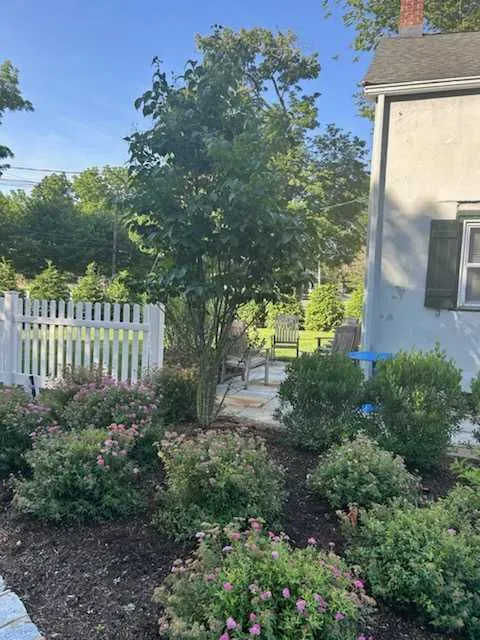
Care requirements differ in frequency and focus. Perennials demand planning for seasonal cycles and root health, while annuals require continuous input for blooms and yield throughout their single season.
What Are the Typical Watering and Fertilizing Needs for Perennials?
Once established, perennials need less frequent irrigation because deep roots access soil moisture. Apply mulch to conserve moisture and limit weeds. Fertilize in early spring and again after peak bloom to support foliage and next season’s flowers.
How Does Annual Plant Care Differ Throughout the Growing Season?
Annuals need regular watering and feeding to sustain rapid growth and flowering. Plant or set out seedlings in spring, then deadhead and fertilize through summer to maintain continuous blooms. Remove spent annuals in autumn to prepare beds for the next season.
Which Perennials and Annuals Are Best Suited for Morris County Gardens?
Select species that match local climate and soil characteristics to reduce inputs and improve plant performance in Morris County.
What Are Recommended Perennials for Beginners in Morris County?
For novice gardeners, choose low-maintenance perennials such as:
- Black-eyed Susans: Hardy and drought-tolerant.
- Sedum: Requires minimal care and thrives in poor soil.
- Daylilies: Adaptable and resilient, perfect for various conditions.
These selections provide reliable performance with limited maintenance, making them suitable starting points for a resilient garden.
Which Annual Flowers and Vegetables Thrive Locally?
Annuals that perform well in Morris County include:
- Sunflowers: Easy to grow and provide stunning visual appeal.
- Cherry Tomatoes: A rewarding choice for home gardeners.
- Marigolds: Effective at deterring pests while adding color.
These annuals adapt to local conditions and offer predictable results for colour and harvest.
How Can Gardeners Optimize Seasonal Planting Schedules for Perennials and Annuals?
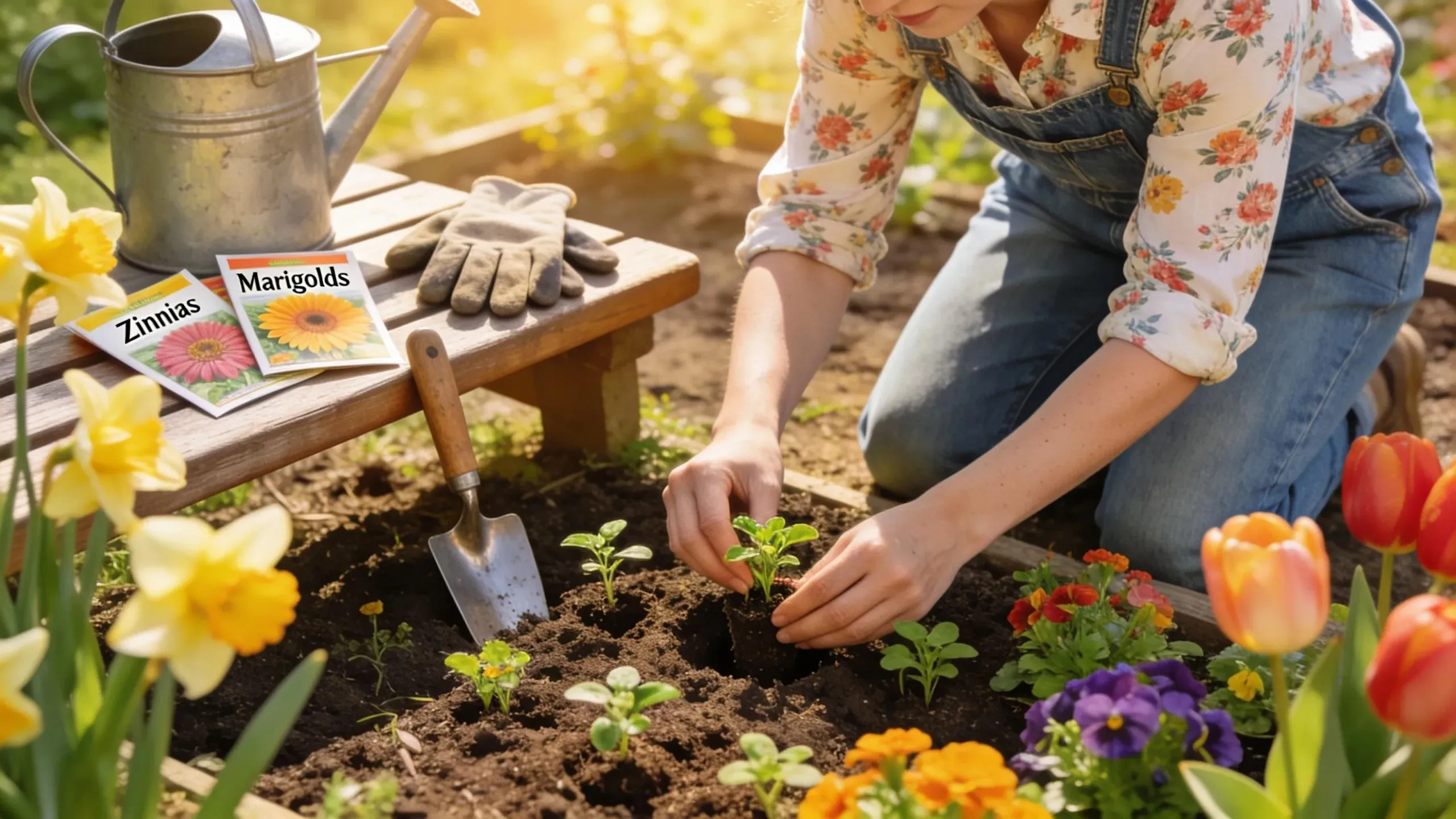
Planting at the right time improves establishment and reduces stress on plants. Scheduling should reflect soil temperature, expected frost dates, and moisture availability.
What Is the Ideal Timing for Planting Perennials in Morris County?
Plant perennials in early spring or fall. Spring planting allows root establishment before summer heat; fall planting helps roots develop ahead of winter dormancy. Monitor soil temperature and moisture to optimise establishment.
How Should Annuals Be Scheduled for Continuous Bloom and Harvest?
Stagger plantings for continuous blooms and harvests. Start seeds indoors in early spring for an earlier display, and direct-sow later in spring to extend the season. Regular deadheading and consistent feeding support prolonged flowering.
What Common Mistakes Should Be Avoided When Choosing Between Perennials and Annuals?
Poor plant selection and timing are common mistakes that increase maintenance and reduce garden longevity. Addressing these factors early prevents avoidable problems.
How Does Incorrect Plant Selection Affect Garden Longevity?
Plants chosen for unsuitable light or soil conditions often struggle or fail, increasing maintenance and replacement costs. Matching species to site conditions is essential for long-term viability.
What Are Tradeoffs Between Maintenance Effort and Garden Aesthetics?
Perennials reduce replanting but may have shorter peak bloom periods. Annuals provide sustained colour but need higher input. Balance aesthetic goals with the available time and resources for maintenance.
Deliberate planting strategies—such as mixing long-lived perennials with seasonal annuals—help manage both workload and appearance.
The table summarises how planting time and care levels differ by plant type, informing decisions that improve garden outcomes.
By recognising the practical differences between perennials and annuals, gardeners can plan beds that perform reliably. Gebhard Horticulture and Design offers personalised garden care services for homeowners and businesses in Morris County to support long-term garden health.
Frequently Asked Questions
What are the benefits of planting perennials over annuals?
Perennials deliver multi-year performance and typically lower long-term maintenance. Their deeper roots improve drought resilience and reduce irrigation needs once established. They also contribute structure to planting schemes and attract pollinators, supporting a healthier garden ecosystem.
Can perennials and annuals be planted together effectively?
Yes. Combining perennials and annuals gives a stable framework from perennials while annuals supply seasonal colour. Ensure the combined plants share compatible light, water and soil requirements to avoid competition and maintenance issues.
How can I tell if my perennials are healthy?
Healthy perennials display vigorous foliage, firm stems and timely blooms. Look for uniform leaf colour and turgidity. Signs of decline include wilting, discolouration or lesions. Inspect roots during repotting or division; firm, pale roots are healthy, while brown or soft roots indicate rot.
Are there any specific pests that affect annuals more than perennials?
Annuals are often more vulnerable to pests such as aphids, spider mites and whiteflies because of tender, fast-growing tissue. Perennials tend to withstand such pressure better due to established root systems. Use integrated pest management and promote beneficial insects to reduce infestations.
What types of soil are best for growing perennials and annuals?
Both plant types prefer well-draining soil enriched with organic matter. Perennials generally favour loam that balances moisture retention and drainage, while many annuals tolerate slightly sandier mixes that warm quickly. A soil test will identify pH and nutrient needs for effective amendments.
What is the impact of climate on choosing annuals and perennials?
Climate determines hardiness and performance. Select perennials rated for local hardiness zones and choose annuals suited to the region’s temperature and moisture patterns. Understanding local conditions reduces failure risk and improves seasonal reliability.
How can I extend the blooming period for my annuals?
Extend flowering by deadheading spent blooms, planting varieties with staggered bloom times, and maintaining consistent irrigation and nutrition. Pruning to shape plants can promote bushier growth and additional flowers; some gardeners also use growth stimulants judiciously under optimal conditions.
Conclusion
Understanding perennial and annual differences helps gardeners select plants that suit Morris County’s climate and maintenance capacity. Combining both types creates year-round interest while aligning effort with desired results. Review the selection of perennials and annuals suited to local conditions to begin planning a resilient, attractive garden.