
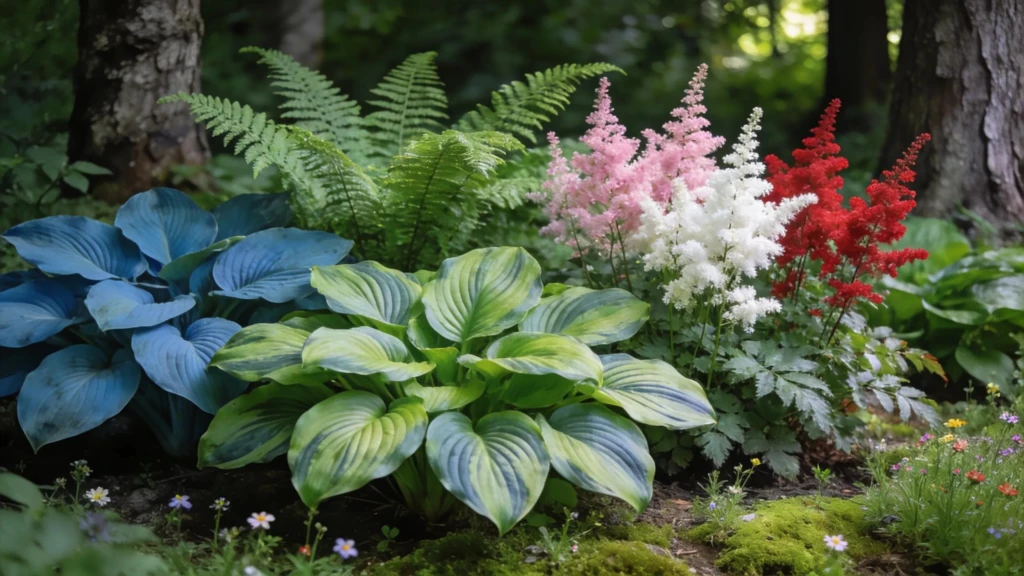
Establishing a healthy garden in a shady yard is a practical and achievable goal. Many property owners find shade limits their plant choices, yet selecting species adapted to low light can convert these spaces into vigorous, attractive areas. This guide outlines shade-tolerant species, proven design approaches, and essential maintenance steps to help your shady yard perform well. It also covers frequent errors to avoid and specific plant recommendations suited to Morris County’s climate.
After reading this guide, you will understand how to optimise a shady site through informed plant selection and routine care. The content covers perennials, shrubs, and ground covers, and integrates horticultural guidance from Gebhard Horticulture and Design, a landscaping and garden care company serving Morris County.
- Shade-tolerant plants like hostas, ferns, and astilbe thrive in low-light garden conditions.
- Effective shade garden design uses plant layering and diverse foliage textures for visual interest.
- Proper soil preparation with organic matter improves drainage and nutrient availability in shady areas.
- Monitoring moisture levels and applying mulch helps retain soil moisture and supports plant health.
- Common shade gardening mistakes include ignoring light conditions, overcrowding, and neglecting soil preparation.
- Shade-loving shrubs such as Virginia Sweetspire, Fothergilla, and Rhododendron suit Morris County gardens well.
- Consistent watering, balanced fertilization, and pruning promote healthy growth of shade perennials like hostas and astilbe.
- Ground covers like Creeping Jenny, Pachysandra, and Vinca Minor prevent erosion and suppress weeds in shade.
- Seasonal care including spring cleanup, weed control, and mulching optimizes shade plant health year-round.
Shade-Tolerant Plants
Plants adapted to low light are the foundation of a successful shade garden. These species perform where direct sun is limited, offering appropriate foliage and, where applicable, seasonal bloom. Common selections include hostas, ferns, and astilbe, each contributing distinct texture and colour to shaded beds.
Choose shade-tolerant plants with attention to their cultural requirements: soil texture, preferred moisture regime, and mature size. For example, hostas prefer rich, well-drained soil and steady moisture, while some ferns are suited to slightly drier conditions. Aligning plant needs with site conditions supports long-term vigour.
Which Shade Tolerant Perennials Thrive in Shady Yards?
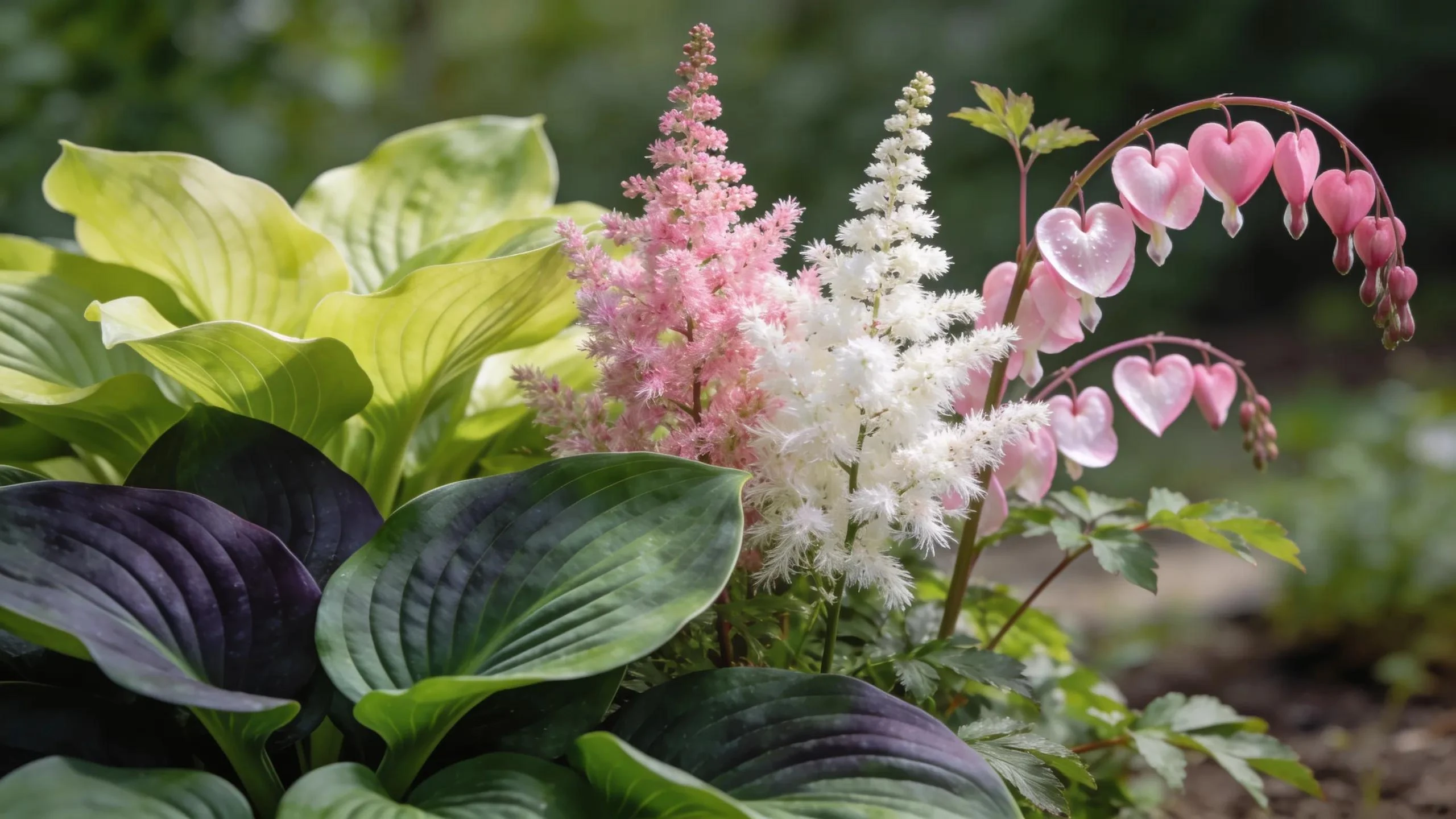
Several perennials perform consistently in shaded locations. Below are reliable options for structure and seasonal interest.
- Hostas: Known for their lush foliage, hostas come in various sizes and colors, making them a versatile choice for any shady garden.
- Astilbe: This perennial produces beautiful feathery flowers in shades of pink, white, and red, adding a pop of color to your garden.
- Bleeding Heart: With its unique heart-shaped flowers, this plant thrives in partial to full shade and adds a romantic touch to any garden.
These perennials enhance garden structure and provide habitat for local wildlife, supporting biodiversity in shaded areas.
What Are the Characteristics of Top Shade Loving Perennials?
Leading shade perennials share features that enable success in low light. These traits guide selection and placement for reliable performance.
- Broad Leaves: These help capture the limited sunlight available, maximizing photosynthesis.
- Deep Root Systems: This allows them to access moisture and nutrients from deeper soil layers.
- Diverse Flowering Times: Many shade perennials bloom at different times, ensuring continuous color throughout the growing season.
Recognising these characteristics helps you choose plants that will establish reliably and present consistent seasonal interest in shade.
Effective Garden Design Strategies
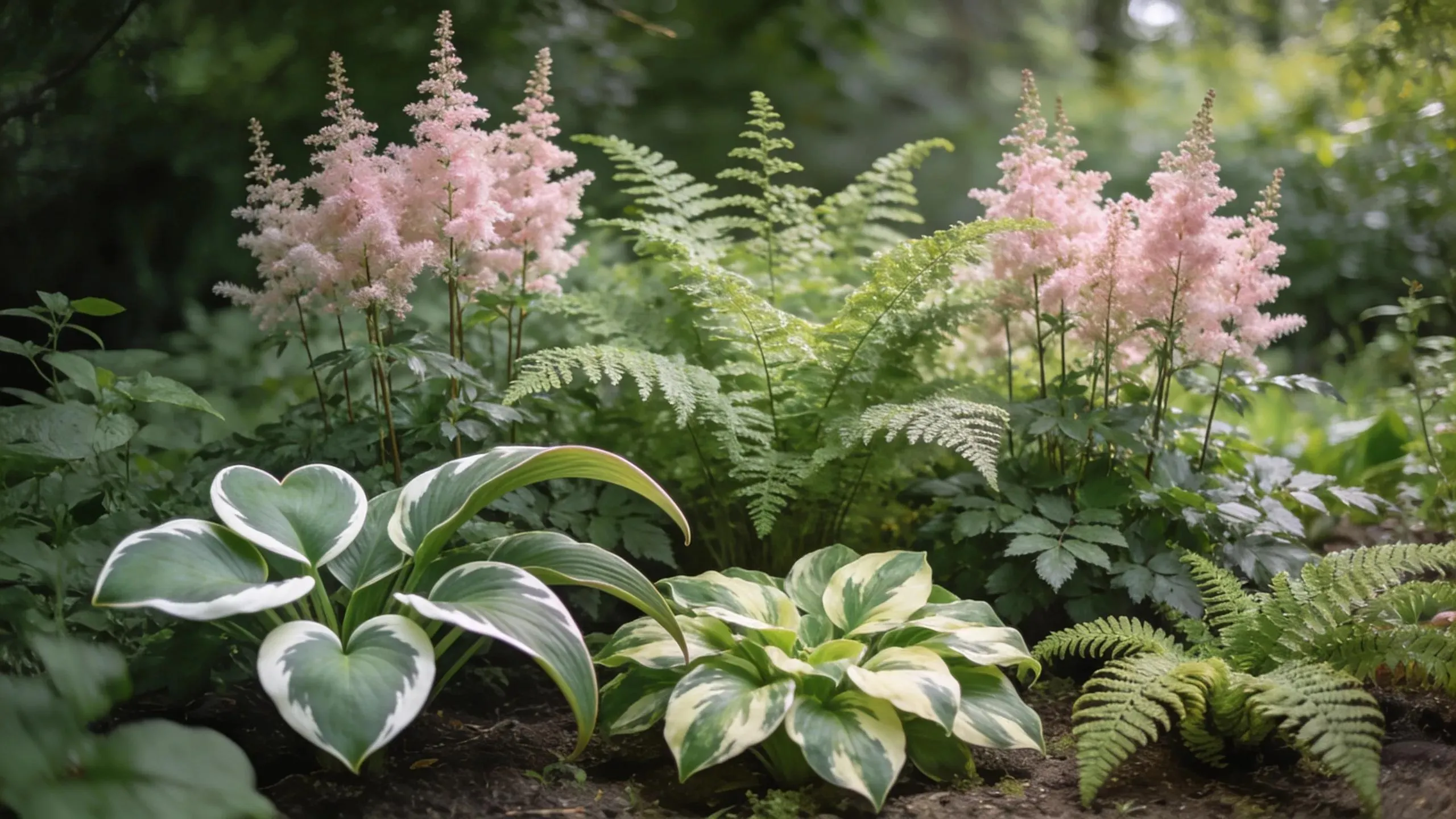
Designing a shade garden requires deliberate placement to achieve both function and aesthetic appeal. One practical method is vertical layering: place taller species toward the rear of beds and lower-growing plants near paths or edges to create depth and sightlines.
Foliage selection is central in low-light gardens where blooms may be limited. Use a variety of leaf shapes, colours and textures—including variegated forms—to maintain visual interest throughout the season.
Tips for Maximizing Growth in Low-Light Conditions
To support healthy growth in shade, apply targeted cultural practices based on site conditions.
- Understand Shade Types: Different plants have varying shade tolerance levels. Identify whether your garden receives full shade, partial shade, or dappled sunlight to choose the right plants.
- Soil Preparation: Enrich the soil with organic matter to improve drainage and nutrient availability, which is crucial for plant health in shaded areas.
- Watering and Mulching: Regularly monitor moisture levels, as shaded areas can retain water longer. Applying mulch can help retain soil moisture and suppress weeds.
Applying these practices will improve plant establishment and long-term performance in shaded sites.
Common Mistakes to Avoid
Gardening in shade presents specific challenges; common errors can limit plant health and longevity. Awareness of these issues allows corrective action from the start.
- Ignoring Specific Light Conditions: Not all shade is created equal. Ensure you understand the light conditions in your garden to select appropriate plants.
- Overcrowding Plants: Allow adequate space between plants to promote air circulation and reduce competition for nutrients.
- Neglecting Soil Preparation: Failing to amend the soil can lead to poor plant health. Always prepare the soil before planting to ensure optimal growth.
Avoiding these pitfalls will increase the likelihood of a resilient, attractive shade garden.
What Shade Loving Shrubs Are Suitable for Morris County Gardens?
Shrubs can add structure and seasonal interest in shade. For Morris County conditions, consider species that tolerate reduced light while offering flowering or evergreen value.
- Virginia Sweetspire: This shrub produces fragrant white flowers in spring and has beautiful fall foliage.
- Fothergilla: Known for its stunning spring blooms and vibrant fall colors, Fothergilla is a great addition to any shade garden.
- Rhododendron: These evergreen shrubs provide year-round interest and produce beautiful flowers in the spring.
Integrating these shrubs provides form, seasonal colour and a framework for understory planting in shaded landscapes.
How to Care for Popular Shade Perennials Like Hostas and Astilbe
Caring for shade perennials involves consistent, routine practices tailored to each species.
- Watering: Ensure consistent moisture, especially during dry spells. However, avoid overwatering, as this can lead to root rot.
- Fertilization: Use a balanced fertilizer in early spring to promote healthy growth and flowering.
- Pruning: Regularly remove dead or damaged leaves to encourage new growth and maintain plant health.
Following these practices will support robust foliage and reliable flowering from shade perennials.
Which Ground Covers Best Enhance Shady Garden Areas?
Ground covers are effective for filling bare soil, reducing erosion and limiting weed pressure in shaded beds. Select species that suit the site’s light and moisture regimes.
- Creeping Jenny: This low-growing plant features vibrant yellow-green leaves that turn golden in the fall.
- Pachysandra: A hardy evergreen ground cover that thrives in shade, providing year-round greenery.
- Vinca Minor: Also known as periwinkle, this plant produces lovely blue flowers and spreads quickly, making it an effective ground cover.
Appropriate ground cover selection supports soil stability, conserves moisture and reduces maintenance in shaded areas.
How to Maintain Ground Covers in Low Light Environments
Ground covers have specific cultural needs; match soil conditions and moisture management to the chosen species for best results.
- Soil Preparation: Ensure the soil is well-drained and rich in organic matter to support healthy growth.
- Watering: Monitor moisture levels, especially during dry periods, to keep ground covers healthy.
- Weed Management: Regularly check for weeds, as they can compete with ground covers for nutrients and water.
Consistent attention to these factors will maintain dense, healthy ground cover in shaded beds.
What Common Mistakes Should Be Avoided in Shade Gardening?
Successful shade gardening depends on matching plants to conditions and maintaining basic cultural practices. Common errors undermine both plant health and aesthetic goals.
- Choosing the Wrong Plants: Selecting plants that are not suited for shade can lead to poor growth and disappointment.
- Overwatering: Many gardeners assume that shaded areas require less water, but this can lead to root rot if not monitored properly.
- Neglecting Fertilization: Failing to provide adequate nutrients can stunt plant growth and flowering.
Recognising and avoiding these mistakes will contribute to a stable, attractive shade garden year after year.
How Should Soil and Moisture Be Managed for Shade Gardens?
Soil and moisture management are key to successful shade planting. Implement testing and amendments to match plant needs.
- Soil Testing: Conduct a soil test to determine pH and nutrient levels, allowing for targeted amendments.
- Moisture Monitoring: Use a moisture meter to ensure that soil remains consistently moist but not waterlogged.
- Organic Matter Addition: Regularly add organic matter to improve soil structure and nutrient availability.
Adopting these practices creates a more reliable growing medium for shade-tolerant species.
What Soil Types Support Healthy Shade Plant Growth?
Soil composition influences drainage, nutrient retention and root development. Shade gardens typically perform best with soils that balance these properties.
- Loamy Soil: A balanced mixture of sand, silt, and clay that provides good drainage and nutrient retention.
- Rich Organic Matter: Incorporating compost or well-rotted manure can enhance soil fertility and structure.
- Acidic Soil: Many shade-loving plants prefer slightly acidic conditions, so consider amending your soil accordingly.
Understanding and adjusting soil type where necessary will support healthier shade plant growth.
How to Monitor and Adjust Moisture Levels in Shady Areas
Accurate moisture assessment prevents both drought stress and waterlogging in shaded sites.
- Use a Moisture Meter: This tool can help you accurately gauge soil moisture levels, ensuring you water appropriately.
- Observe Plant Health: Wilting or yellowing leaves can indicate either overwatering or underwatering, prompting adjustments.
- Adjust Watering Frequency: Depending on weather conditions, you may need to increase or decrease watering to maintain optimal moisture levels.
Regular monitoring and timely adjustments will sustain plant health in shaded locations.
What Seasonal Care Practices Optimize Shade Plant Health?
Seasonal maintenance keeps shade plants vigorous and reduces pest and disease pressure over time.
- Spring Cleanup: Remove any dead foliage and debris to promote new growth.
- Weed Management: Regularly check for and remove weeds that compete for nutrients and water.
- Fall Preparation: Mulch around plants to protect roots during winter and retain moisture.
Consistent seasonal tasks preserve plant health and improve the appearance of shaded beds throughout the year.
How to Prepare Shade Plants for Winter and Summer Conditions?
Preparing plants for seasonal extremes protects root systems and reduces stress.
- Winter Preparation: Apply a thick layer of mulch to insulate roots and prevent frost damage.
- Summer Care: Ensure adequate watering during hot spells, as shaded areas can still dry out quickly.
- Pruning: Trim back dead or damaged growth in late fall to encourage healthy new growth in spring.
Following these preparation steps helps shade plants survive seasonal fluctuations with minimal loss of vigour.
What Maintenance Tasks Support Year-Round Shade Garden Success?
Routine maintenance sustains plant health and keeps shaded areas attractive across seasons.
- Regular Watering: Consistently monitor and adjust watering based on seasonal needs.
- Fertilization: Apply a balanced fertilizer in spring to support healthy growth.
- Pest Monitoring: Keep an eye out for pests and diseases, addressing any issues promptly to prevent damage.
Committing to these tasks will maintain a healthy, resilient shade garden throughout the year.
Frequently Asked Questions
1. How do I select plants for different types of shade?
Selecting suitable plants begins with identifying the shade type on site: full shade (no direct sun), partial shade (a few hours of sun), or dappled shade (intermittent filtered light). Match plant species to those conditions. For example, full shade is appropriate for ferns and hostas, while partial shade supports flowering species such as astilbe and certain rhododendron varieties. Aligning light requirements with plant choice promotes reliable growth.
2. What maintenance is necessary for shade gardens throughout the seasons?
Shade garden maintenance is seasonal. In spring, clear debris and apply mulch to conserve moisture. Summer requires consistent watering and pest checks. In fall, prune as needed and add insulating mulch. Winter protection may include additional mulch or physical barriers in exposed microclimates. Periodically test soil and adjust fertilisation and moisture management to match plant needs.
3. Can ground covers help with weed management in shaded areas?
Ground covers are effective at reducing weeds by forming dense mats that limit light and space for weed establishment. Species such as Pachysandra, Creeping Jenny and Vinca Minor fill gaps, reduce erosion and conserve soil moisture. Select a ground cover suited to your light and soil conditions for optimal weed suppression.
4. What are the benefits of using organic mulch in shady gardens?
Organic mulch conserves soil moisture and moderates temperature swings, both beneficial in shaded sites. As mulch decomposes it contributes organic matter and nutrients, improving soil structure and fertility. A mulched surface also reduces weed pressure, lowering competition for resources among shade plants.
5. How can I ensure my shade plants receive adequate moisture?
Monitor soil moisture frequently in shaded areas using a moisture meter or the finger test. Provide deep, infrequent watering to encourage root development, but avoid prolonged saturation that causes root rot. Incorporate organic matter to balance drainage and retention, helping the soil hold moisture without becoming waterlogged.
6. Are there specific fertilizers recommended for shade-loving plants?
Shade-loving plants respond well to balanced fertilizers and organic amendments. Fertilisers higher in nitrogen can support foliage development, which is important in low-light settings. Consider slow-release formulations or organic materials such as compost or well-rotted manure, applied in early spring and, if necessary, again in mid-summer based on plant growth.
7. What precautions should I take when planting in heavily shaded areas?
In heavily shaded sites, select species known to tolerate low light and prepare soil with organic matter to ensure nutrient availability. Avoid overcrowding to reduce disease pressure and competition for resources. Assess microclimate factors such as frost pockets or prevailing winds, and monitor for pests and diseases, intervening early when issues arise. Establishing sound cultural practices at planting reduces long-term problems.
Conclusion
Establishing an attractive, healthy garden in shaded areas is feasible with informed plant selection and consistent care. Use shade-tolerant species, apply considered design principles and follow routine maintenance to improve performance. Consult the plant recommendations and practical guidance provided here to plan and maintain a productive shady garden.