
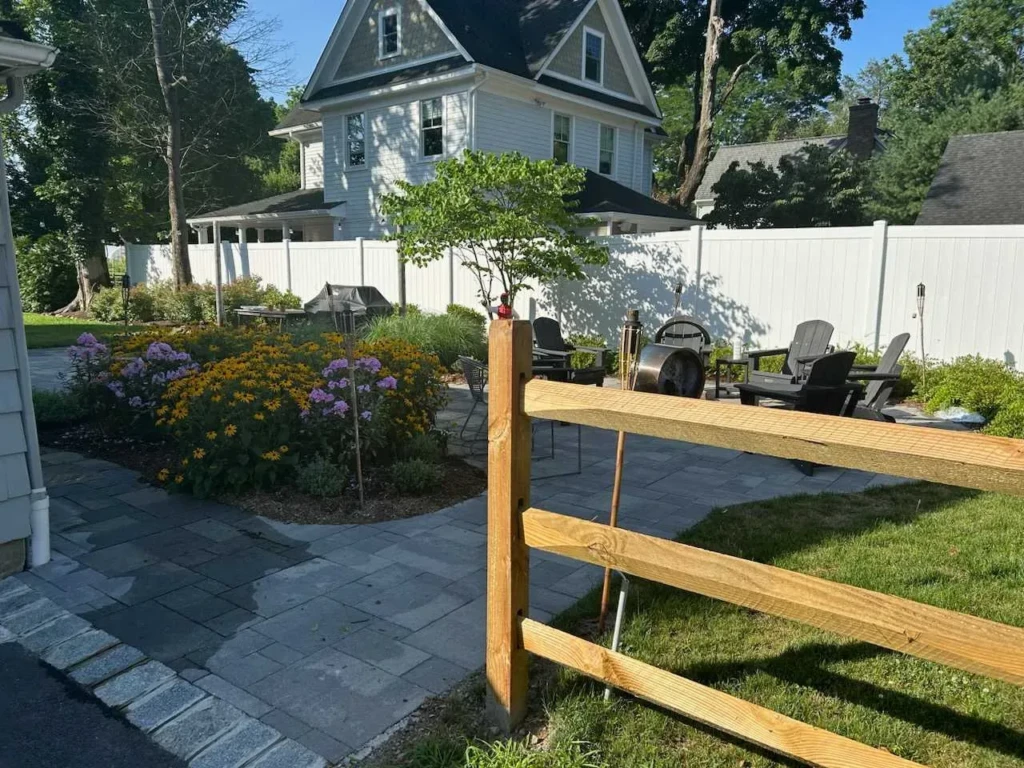
Planning a garden that fits your lifestyle blends design principles with practical horticulture. First, define your preferences. Then, assess site conditions and local climate to guide plant choices and layout. In addition, this guide explains site analysis, plant selection and maintenance so you can build an attractive, functional space that suits your routine and is straightforward to maintain. Therefore, follow the methods here to create a durable garden that delivers enjoyment and reliable performance.
To begin with, planning a garden requires analyzing site conditions like soil quality, sunlight, and drainage for informed decisions.
Next, developing a design concept ensures the garden reflects your lifestyle and balances aesthetics with functionality.
In addition, selecting native plants adapted to local climate reduces maintenance and supports garden resilience.
Assessing soil structure and nutrient content is essential for healthy plant growth and proper garden care.
Understanding sunlight exposure helps match plants to their ideal light conditions for optimal growth.
Incorporating outdoor living spaces enhances garden usability and creates seamless indoor-outdoor transitions.
Planning for seasonal changes and maintenance ensures year-round garden beauty and manageable upkeep.
Personalized garden features like seating and pathways improve comfort and reflect individual outdoor living needs.
Planning a garden requires analyzing site conditions like soil quality, sunlight, and drainage for informed decisions.
Developing a design concept ensures the garden reflects your lifestyle and balances aesthetics with functionality.
Selecting native plants adapted to local climate reduces maintenance and supports garden resilience.
Furthermore, assessing soil structure and nutrient content is essential for healthy plant growth and proper garden care.
Similarly, understanding sunlight exposure helps match plants to their ideal light conditions for optimal growth.
Moreover, incorporating outdoor living spaces enhances garden usability and creates seamless indoor-outdoor transitions.
Finally, planning for seasonal changes and maintenance helps ensure year-round garden beauty and manageable upkeep.
As a result, personalized garden features like seating and pathways improve comfort and reflect individual outdoor living needs.
Site Analysis
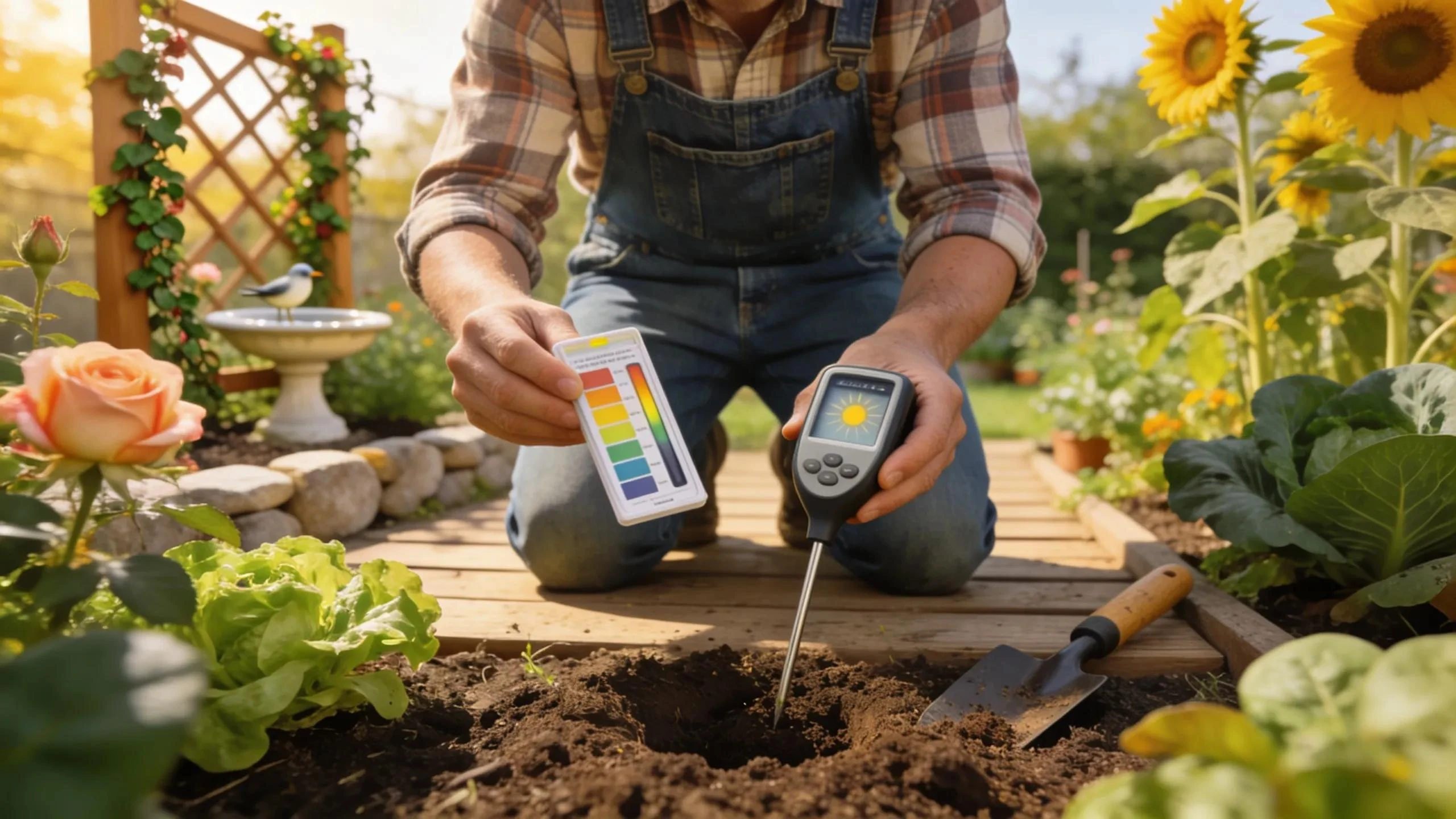
First of all, site analysis is the first practical step in garden planning. Next, evaluate soil texture, nutrient status, sunlight patterns and drainage so plant choices and layout match real conditions. As a result, measured observations and simple tests reveal site strengths and limits, which helps avoid costly changes later.
Design Concept Development
Once the site is assessed, create a clear design concept that translates your needs into a workable plan. account for climate, wildlife interactions and how you intend to use the space, whether for relaxation, entertaining or growing food. Therefore, a concept that balances function and appearance will help ensure the garden performs as intended.
Plant Selection
Next, choose plants that suit your climate, maintenance capacity and light conditions. For instance, native species often reduce water and care needs while increasing resilience. Therefore, prioritise plants by maintenance level, water requirement and suitability to the specific light in each area.
First, select native plants: Native species are more likely to thrive in your local environment and require less water and care.
Next, consider maintenance needs: Choose plants that fit your availability for upkeep, ensuring that your garden remains manageable.
Finally, match plants to sunlight exposure: Assess the sunlight conditions in your garden to select plants that will flourish in those environments.
Soil Quality
In addition, soil quality determines plant vigour and long-term performance. Therefore, test soil structure and nutrient levels to set realistic planting plans. If problems are found, address compaction, low organic matter or drainage issues with targeted amendments or raised beds.
First, assess soil structure:: Determine if your soil is sandy, clayey, or loamy, as this affects drainage and nutrient retention.
Next, check nutrient content: Conduct soil tests to identify nutrient deficiencies and amend the soil accordingly.
Finally, improve drainage: If your soil retains too much water, consider adding organic matter or creating raised beds to enhance drainage.
Sunlight Exposure
Next, record how much sun each area receives throughout the day and across seasons. Then, match plant light requirements to those microclimates to avoid poor site selection. In addition, note how structures and trees change shade patterns over the year.
First, identify full sun versus shade: Observe how much sunlight different areas of your garden receive throughout the day.
Next, choose plants accordingly: Select plants that match the light conditions of their designated spots.
Finally, consider seasonal changes: Be aware that sunlight exposure can change with the seasons, affecting plant growth.
Personalized Outdoor Solutions
In addition, tailor features to how you use the garden so the space performs for your daily life. For example, place seating, paths and focal elements where they serve you best, and choose materials that withstand local weather while matching your style.
However, for complex layouts, consider engaging a garden professional to validate the concept and produce detailed planting lists, irrigation specifications and construction notes. As a result, their input helps ensure plans are practical and implementable.
Incorporate Outdoor Living Spaces
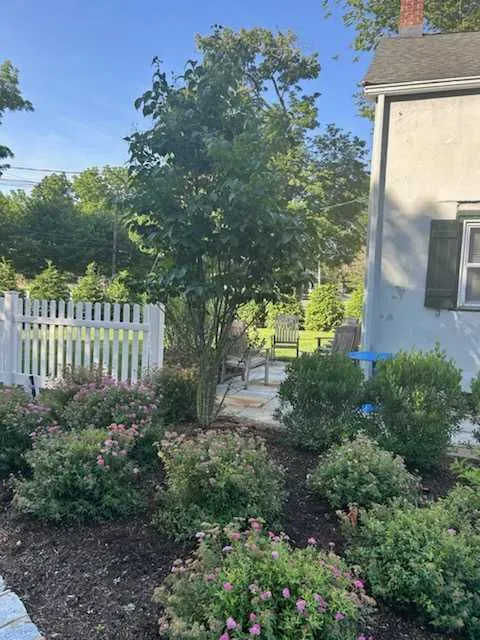
Patios, decks and paved areas extend usable living space and ease the transition from indoors. Prioritise comfort, durable materials and logical circulation so these areas work for daily use and gatherings.
Enhance Usability: Create areas that are comfortable and inviting for gatherings or relaxation.
Create Inviting Spaces: Use materials and designs that complement your home and garden style.
Consider Flow Between Areas: Ensure that pathways and transitions between different garden zones are intuitive and accessible.
Enhance Usability: Create areas that are comfortable and inviting for gatherings or relaxation.
Create Inviting Spaces: Use materials and designs that complement your home and garden style.
Consider Flow Between Areas: Ensure that pathways and transitions between different garden zones are intuitive and accessible.
Seasonal Considerations
Plan for seasonal interest by combining early, mid and late-flowering species and adding structural evergreens for year-round form. Schedule seasonal tasks—pruning, mulching and irrigation adjustments—to keep the garden healthy as conditions change.
Maintenance Planning
Design for accessible maintenance to keep long-term upkeep manageable. Select plants suited to your climate and time availability, set a realistic schedule for watering and pruning, and space plants to reduce competition and simplify tasks.
Simplify Upkeep: Choose plants that require minimal care and are suited to your local climate.
Plan for Regular Tasks: Establish a maintenance schedule that fits your availability, including watering, pruning, and fertilizing.
Consider Plant Spacing: Proper spacing can reduce competition for resources and make maintenance tasks easier.
Simplify Upkeep: Choose plants that require minimal care and are suited to your local climate.
Plan for Regular Tasks: Establish a maintenance schedule that fits your availability, including watering, pruning, and fertilizing.
Consider Plant Spacing: Proper spacing can reduce competition for resources and make maintenance tasks easier.
Where routine care is onerous, hiring a maintenance provider can preserve plant health and keep the garden looking good while reducing your regular workload.
Comfortable Spaces
Design comfortable zones with shade, durable seating and sightlines to planted areas to encourage use. Thoughtful placement of furniture and paths creates settings for relaxation and socialising that feel intentional and welcoming.
What Are the Key Factors to Assess in Your Garden Space and Site Conditions?
Identify soil, light and drainage as the primary factors that determine plant suitability and layout. Assessing these elements early shapes realistic design and maintenance expectations.
Soil Quality: Evaluate the soil’s structure and nutrient content to ensure healthy plant growth.
Sunlight Exposure: Understand the light conditions in your garden to select appropriate plants.
Drainage: Assess how well your garden drains to prevent waterlogging and root rot.
Soil Quality: Evaluate the soil’s structure and nutrient content to ensure healthy plant growth.
Sunlight Exposure: Understand the light conditions in your garden to select appropriate plants.
Drainage: Assess how well your garden drains to prevent waterlogging and root rot.
Soil Quality
Evaluate drainage rate, texture and nutrient levels to set planting priorities. Carry out soil tests to identify pH or nutrient shortfalls and correct them with compost or targeted fertilizers to improve fertility and structure.
Assess Drainage: Check how quickly water drains from your soil to prevent waterlogged conditions.
Check Nutrient Levels: Conduct soil tests to identify any deficiencies that may need addressing.
Improve Soil Health: Use organic amendments to enhance soil fertility and structure.
Assess Drainage: Check how quickly water drains from your soil to prevent waterlogged conditions.
Check Nutrient Levels: Conduct soil tests to identify any deficiencies that may need addressing.
Improve Soil Health: Use organic amendments to enhance soil fertility and structure.
Sunlight Exposure
Map sun exposure across the plot to distinguish full sun, partial sun and shade. Place species in locations that match their light requirements and review the map seasonally to account for shifting shadows.
Identify Full Sun vs. Shade: Determine which areas receive direct sunlight and which are shaded.
Choose Plants Accordingly: Select plants that thrive in the specific light conditions of your garden.
Consider Seasonal Changes: Be mindful of how sunlight exposure may shift with the seasons.
Identify Full Sun vs. Shade: Determine which areas receive direct sunlight and which are shaded.
Choose Plants Accordingly: Select plants that thrive in the specific light conditions of your garden.
Consider Seasonal Changes: Be mindful of how sunlight exposure may shift with the seasons.
Careful assessment of these factors helps you select species and layouts that perform reliably, producing a garden that is both attractive and resilient over time.
Frequently Asked Questions
How can I assess the soil quality in my garden?
Begin by checking texture and drainage with a simple squeeze and soak test. Send a sample for laboratory analysis or use a reliable home kit to measure pH and nutrient levels. Improve soil health with organic compost, and address specific deficiencies based on test results.
What are the benefits of using native plants in my garden?
Native plants are adapted to local climate and soils, which typically reduces irrigation and pest interventions. They support pollinators and local fauna and generally require less ongoing care than non‑native species, making them practical for resilient plantings.
How can I ensure my garden design reflects my lifestyle?
Start by listing the activities you expect to do outdoors—entertaining, relaxing, growing produce—and create zones that match those uses. Place seating near views, locate high-light beds where they get sun, and choose plants that fit the time you can commit to care.
What features can enhance the comfort of my outdoor space?
Add weatherproof seating, shade structures and clear paths to improve comfort and accessibility. Layer planting, select soft surfaces for key areas and include low-level lighting to extend usable hours into the evening.
How do I plan for seasonal changes in my garden?
Combine species with staggered flowering and include evergreens for winter structure. Use supports like trellises for seasonal climbers, and adjust irrigation and pruning schedules as light and temperatures change through the year.
What should I include in a maintenance schedule for my garden?
Document regular tasks—watering, weeding, pruning and fertilizing—on a seasonal calendar. Schedule mulching and periodic soil tests to maintain fertility. Proper plant spacing and suitable species selection reduce time spent on routine work.
Conclusion
Planning a garden around your lifestyle improves both usability and long‑term performance. Apply careful site analysis, select plants suited to conditions and adopt a realistic maintenance plan to achieve consistent results. Consult our planning resources for practical checklists and planting guidance to begin implementing a garden that meets your needs.