
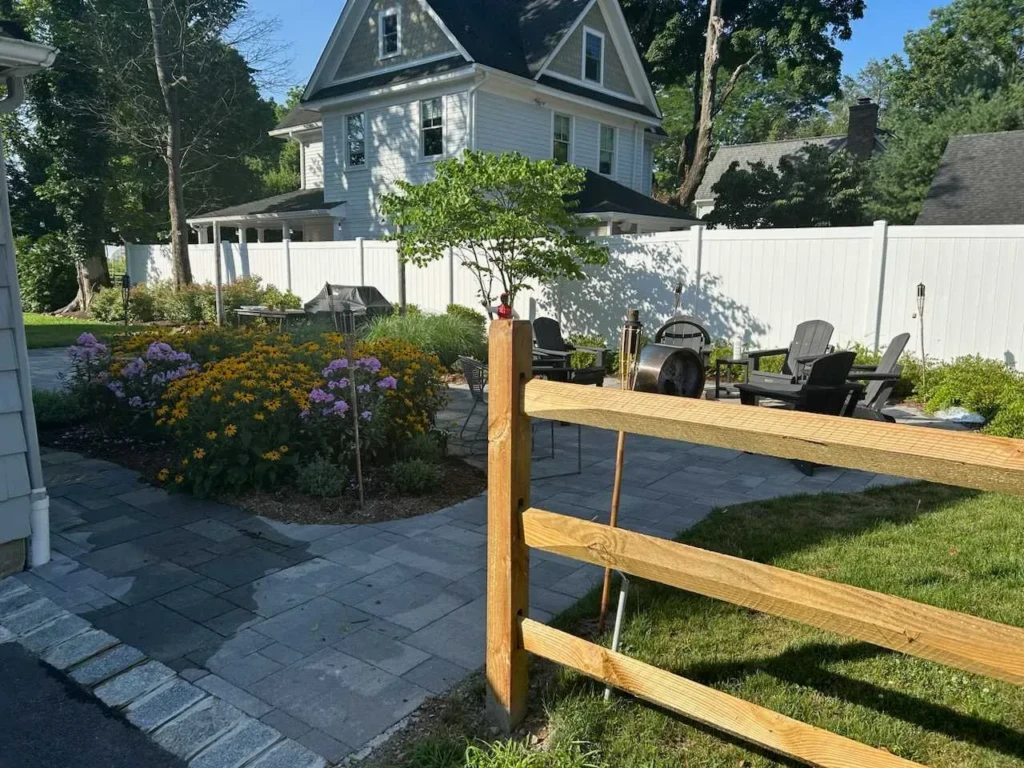
First impressions matter for homeowners. Small, well-planned landscaping updates can noticeably improve the appearance and approachability of your front yard. This article outlines practical, implementable ideas—covering layout choices, plant selection, and routine care—that produce measurable improvements without large-scale construction. Many homeowners want visible results without heavy renovation; targeted plantings, clear focal points and regular upkeep offer cost-effective solutions that deliver lasting benefit.
- Simple landscaping updates significantly enhance front yard curb appeal and create inviting outdoor spaces.
- Incorporating focal points, layered plants, and clean edging improves visual interest and design cohesion.
- Choosing native and low-maintenance plants reduces upkeep while maintaining seasonal color and vibrancy.
- Regular maintenance, including mulching, weed control, and routine care, sustains plant health and garden appearance.
- Walkways with curved paths, natural materials, and border plants add charm and guide visitors effectively.
- Outdoor lighting enhances safety, highlights landscape features, and creates a welcoming nighttime ambiance.
- Avoiding overcrowding, neglecting soil health, and skipping maintenance prevents common landscaping mistakes.
- Balancing aesthetics with upkeep involves selecting hardy plants, simple layouts, and incorporating hardscape elements.
- Scheduling seasonal updates like planting, cleanups, and fertilizing optimizes landscape health and curb appeal.
Design Elements
Design choices determine how a front yard reads from the street. Strategic focal points, layered planting for depth and crisp bed edges make a yard look intentional and cared for. These elements guide sightlines, organise space and make maintenance simpler.
- Focal Points: Incorporating a striking feature, such as a decorative bench or a unique sculpture, can serve as a focal point that captures attention and adds character to your yard.
- Layering Plants: Using a variety of plant heights and textures creates depth and interest. Taller plants can be placed at the back, with medium and low-growing plants in front, ensuring a lush, layered look.
- Clean Edging: Well-defined edges between garden beds and lawns enhance the overall appearance. Using materials like stone or metal for edging can provide a polished finish.
When implementing these design elements, professional guidance can help align plant choice and placement with site conditions. Gebhard Horticulture & Design provides practical design support to achieve cohesive front-yard layouts.
Plant Selection
Plant choice is central to an attractive, low-effort yard. Opt for species that suit local soil and light, and that require minimal seasonal input. The right mix keeps beds healthy, reduces resource use and sustains visual interest across seasons.
- Native Plants: Opting for native species can enhance the local ecosystem while requiring less water and maintenance. These plants are well-adapted to the local climate and soil conditions.
- Grouping Plants: Arranging plants in groups rather than scattering them can create a more cohesive and visually appealing landscape. This technique also allows for better color coordination and seasonal interest.
- Seasonal Color: Incorporating plants that bloom at different times of the year ensures that your yard remains colorful and engaging throughout all seasons.
Focusing on species adapted to your site reduces maintenance and replacement costs. For specific plant recommendations suited to your property, consult Gebhard Horticulture & Design for professional plant selection advice.
Maintenance Tips
Consistent maintenance preserves investment and keeps plantings performing well. A routine that includes timely mulching, weed control and appropriate watering limits problems and keeps beds tidy.
- Mulching: Applying mulch around plants helps retain moisture, suppress weeds, and improve soil quality. It also provides a neat appearance to garden beds.
- Weed Control: Regularly removing weeds prevents them from competing with your plants for nutrients and water. Consider using landscape fabric or organic mulch to minimize weed growth.
- Routine Care: Establishing a regular care routine, including watering, pruning, and fertilizing, is crucial for maintaining plant health and vibrancy.
If garden construction or ongoing upkeep feels like too much, professional maintenance plans can deliver reliable, scheduled care. Gebhard Horticulture & Design offers maintenance services tailored to property needs and schedules.
What Are Effective Landscaping Ideas for Front Yard Curb Appeal?
Effective ideas centre on clarity and balance: a clear focal point, defined bed edges and a mix of heights create a pleasing composition. Groundcovers can fill gaps and reduce mowing while providing a uniform, low-growing layer.
Which Low Maintenance Plants Enhance Front Yard Aesthetics?
Several low-maintenance species deliver strong visual impact with limited care. Look for plants that survive local conditions and return reliably each year to reduce replanting and upkeep.
- Ornamental Grasses: These add texture and movement to your landscape, thriving in various conditions with little care.
- Perennials: Plants like daylilies and coneflowers provide seasonal blooms and return year after year without needing replanting.
- Groundcovers: Varieties such as creeping thyme or sedum can fill in bare spots and reduce the need for mowing.
Selecting these plant types gives homeowners a durable, attractive landscape with limited routine care.
How Do Mulch and Edging Improve Garden Appearance?
Mulch and edging perform both cosmetic and functional roles. Together they define beds, reduce maintenance and support healthier soil conditions for plants to thrive.
- Visual Appeal: Mulch adds a finished look to garden beds, while edging creates clean lines that define spaces. Together, they enhance the overall organization of your landscape.
- Soil Health: Mulch helps retain moisture and suppress weeds, contributing to healthier soil and plants. This is particularly important in maintaining a vibrant garden.
- Types of Mulch: Various mulch types, such as wood chips, bark, or stone, can be chosen based on aesthetic preferences and functional needs.
Adding appropriate mulch and durable edging clarifies planting areas and reduces long-term labour for upkeep.
How Can Easy Landscaping Tips Transform Your Property’s Visual Appeal?
Targeted, straightforward updates can change how a property is perceived. Simple bed refreshes, strategic hardscape additions and focused lighting create a more inviting and functional frontage.
- Refresh Garden Beds: Regularly updating your garden beds with new plants or seasonal flowers can keep your landscape looking fresh and vibrant.
- Incorporate Hardscape Features: Adding pathways, patios, or decorative stones can enhance functionality and visual interest in your yard.
- Use Lighting: Strategically placed outdoor lighting can highlight features and create ambiance, making your property more inviting during the evening.
These practical adjustments produce a measurable improvement in appearance without major excavation or high ongoing costs.
What Simple Walkway Designs Guide Visitors and Add Charm?
Walkways shape arrival and flow. Curved routes, durable materials and planted borders guide visitors while softening hard surfaces and increasing visual appeal.
- Curved Pathways: A gently curved walkway can create a more inviting entrance compared to a straight path, leading visitors through your garden.
- Material Choices: Using natural stone, brick, or pavers can enhance the aesthetic appeal of your walkway while providing durability.
- Border Plants: Incorporating low-growing plants along the edges of your walkway can soften the hardscape and add color.
Applied thoughtfully, walkway design improves both function and the overall impression of the property.
How Does Outdoor Lighting Contribute to Curb Appeal?
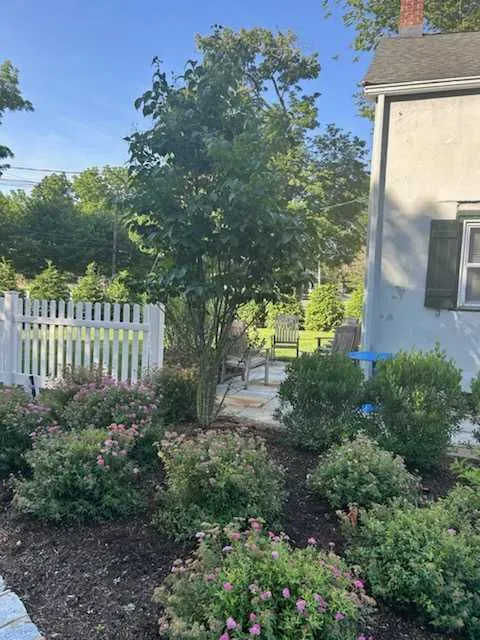
Lighting extends usability and highlights landscape structure after dark. A planned scheme improves safety, accentuates key features and creates an inviting evening setting.
- Safety: Well-lit pathways and entrances improve safety for residents and visitors, reducing the risk of accidents.
- Highlighting Features: Strategic lighting can draw attention to architectural features, plants, or focal points in your landscape, enhancing their visibility at night.
- Creating Ambiance: Soft lighting can create a warm and inviting atmosphere, making your home more welcoming.
Appropriate fixtures and placement ensure functional illumination while enhancing visual appeal at night.
What Common Landscaping Mistakes Should Homeowners Avoid?
Several common errors reduce landscape performance. Overcrowding, ignoring soil condition and poor maintenance accelerate decline and raise long-term costs.
- Overcrowding Plants: Placing too many plants in a small area can lead to competition for resources and an unkempt appearance.
- Ignoring Soil Health: Failing to assess soil quality can result in poor plant growth. Regular soil testing and amendments are essential for a thriving garden.
- Neglecting Maintenance: Allowing weeds to take over or failing to prune can lead to a decline in the overall health and appearance of your landscape.
Awareness of these pitfalls allows homeowners to plan plantings and care routines that avoid costly corrective work.
How Do Maintenance and Cost Considerations Affect Landscaping Choices?
Maintenance demands and budget shape design decisions. Selecting resilient species, grouping plants by needs and incorporating hardscape elements reduce routine costs and simplify care.
- Choosing Hardy Plants: Selecting plants that are well-suited to the local climate can reduce maintenance needs and costs associated with replacements.
- Grouping Plants: Arranging plants with similar water and light requirements together can simplify care and reduce resource consumption.
- Cost-Effective Options: Exploring native plants and low-maintenance varieties can provide aesthetic appeal without high upkeep costs.
Considering lifecycle costs alongside installation expenses helps homeowners choose solutions that balance appearance and long-term upkeep.
What Are Seasonal Factors Influencing Landscaping Success?
Seasonal timing affects planting success and maintenance workload. Planting at the correct time and scheduling seasonal tasks keeps plants established and reduces stress during extreme weather.
- Optimal Planting Times: Knowing the best times to plant specific species can enhance growth and establishment.
- Climate Considerations: Understanding local climate patterns can inform plant selection and care strategies.
- Seasonal Cleanups: Regular maintenance tasks, such as fall cleanups and spring preparations, are essential for maintaining a healthy landscape.
Aligning work with seasonal cycles improves establishment, flowering and overall landscape resilience.
Which Practical Tips Support Sustainable and Low Maintenance Landscaping?
Sustainable choices cut inputs and increase reliability. Select drought-tolerant species, cluster plants by requirements and maintain appropriate spacing to reduce disease and water use.
- Smart Plant Selection: Choosing native and drought-resistant plants can reduce water usage and maintenance needs.
- Group Planting: Arranging plants in clusters can create a more natural look while simplifying care routines.
- Layering and Spacing: Properly spacing plants and using layers can enhance air circulation and reduce disease risk.
These practices lower resource needs while supporting stable, low-input landscapes.
Why Choose Native Plants for Morris County Gardens?
Native species are adapted to local soils and climate, which reduces irrigation and routine intervention. They also support local fauna and tend to be more resilient in established conditions.
- Adaptability: Native plants are well-suited to local soil and climate conditions, requiring less water and care.
- Wildlife Support: They provide essential habitats and food sources for local wildlife, promoting biodiversity.
- Reduced Maintenance: Native plants typically require less maintenance than non-native species, making them ideal for busy homeowners.
Using native plants in Morris County enhances ecological value while simplifying ongoing care.
How to Balance Aesthetics with Upkeep Requirements?
Balance comes from deliberate choices: pick low-maintenance plants, keep layouts straightforward and use hardscape to reduce planted area. This approach maintains attractive beds with lower time investment.
- Choosing Low-Maintenance Plants: Selecting plants that require minimal care can help maintain a beautiful landscape without excessive effort.
- Simple Layouts: Designing a straightforward landscape with clear lines and defined spaces can reduce maintenance needs.
- Incorporating Hardscape: Using hardscape elements, such as patios and pathways, can minimize the area that requires regular upkeep.
Applying these strategies produces an attractive yard that fits realistic maintenance schedules.
How to Maintain Landscaping for Lasting Curb Appeal?
Consistent, seasonal attention keeps a landscape performing well. A planned maintenance calendar for watering, pruning and soil care preserves plant health and visual quality.
- Regular Maintenance Schedule: Establishing a routine for watering, pruning, and fertilizing is crucial for plant health.
- Soil Health: Regularly testing and amending soil can improve plant growth and overall landscape vitality.
- Avoiding Overcrowding: Ensuring adequate space between plants can prevent competition and promote healthy growth.
Following a clear maintenance schedule ensures the front yard remains attractive and healthy year-round.
How to Schedule Seasonal Updates for Optimal Results?
Plan tasks by season to support plant cycles: plant at recommended times, perform spring and fall cleanups and apply fertilizers when plants will most benefit.
- Timing for Planting: Understanding the best times to plant specific species can enhance growth and establishment.
- Seasonal Cleanups: Regular cleanups in spring and fall can help maintain a tidy appearance and promote plant health.
- Fertilizing: Applying fertilizers at the right times can support plant growth and flowering.
A seasonal schedule reduces stress on plants and spreads labour across the year for better results.
Where Can Homeowners Find Local Expertise and Services for Landscaping Updates?
Local landscaping firms and garden designers provide design, installation and maintenance services. Review qualifications, ask for references and compare quotes to match services to project scope and budget.
- Types of Services Available: Many landscaping companies offer design, installation, and maintenance services tailored to individual needs.
- Assessing Qualifications: When selecting a landscaping professional, it’s essential to review their qualifications and experience.
- Tips for Selecting Professionals: Look for recommendations, read reviews, and request quotes to find the best fit for your landscaping project.
For homeowners in Morris County, Gebhard Horticulture & Design offers local design and maintenance services to support front-yard improvements.
What Garden Maintenance and Planting Design Services Are Available in Morris County?
Homeowners can access design consultations, plant and hardscape installation, and scheduled maintenance services. These options cover both one-off projects and ongoing care to keep landscapes performing well.
- Design Consultation: Professional designers can help create a tailored landscape plan that meets your aesthetic and functional needs.
- Installation Services: Many companies offer installation of plants, hardscapes, and other landscape features.
- Ongoing Maintenance: Regular maintenance services ensure that your landscape remains healthy and attractive throughout the year.
Contact Gebhard Horticulture & Design for information on available services and how they align with your property goals.
How to Select Reliable Landscaping Professionals for Front Yard Projects?
Choose professionals who conduct thorough site assessments, provide clear proposals and communicate timelines and responsibilities. A detailed plan reduces surprises and keeps projects on schedule.
- Initial Consultation: Schedule a consultation to discuss your vision and assess the professional’s understanding of your needs.
- Property Assessment: A thorough assessment of your property can help the professional develop a customized plan that addresses specific challenges.
- Customized Plan Development: Ensure that the landscaping professional provides a detailed plan that outlines the scope of work, materials, and timeline.
Following these steps helps homeowners hire contractors who match the project scope and expected outcomes.
Frequently Asked Questions
1. What steps can I take to ensure my landscaping design is eco-friendly?
Start with native, low-water plants to reduce irrigation needs and support local wildlife. Use mulch and organic soil amendments to improve soil structure and retain moisture. Incorporate permeable surfaces or rain gardens to manage runoff, and source local materials to limit transport impacts. These measures improve environmental performance while keeping maintenance practical.
2. How often should I perform maintenance tasks on my landscape?
Maintenance frequency depends on plant type and season. As a general guide, deep watering about once a week is typical in dry periods. Weed control and mulch renewal are often needed monthly during active growth. Pruning and fertilising follow species-specific schedules, while soil tests can be seasonal. A simple calendar helps keep tasks regular and effective.
3. What types of outdoor lighting are best for enhancing curb appeal?
Use a combination of uplights, downlights and path lights for layered illumination. Uplighting accents trees and architecture; downlighting produces natural, safe pathways; path lights mark walkways. Solar fixtures offer low-energy options, while low-voltage systems allow precise placement. Choose fixtures that fit the home’s architectural style and the landscape scale.
4. How can I create privacy in my front yard using landscaping?
Use tall shrubs or ornamental grasses along property lines to form living screens. Evergreen trees provide year-round coverage. Trellises with climbers or lattice panels planted with vines offer screened areas without solid fencing. Combine plantings with low walls or short fences to create layered privacy that remains visually appealing.
5. Are there specific plants I should avoid in my landscaping?
Avoid species known to be invasive in your region; they can displace native plants and increase maintenance. Steer clear of plants that pose hazards, such as thorny varieties near paths. Check local hardiness and invasive species lists before selecting species to ensure long-term suitability and lower upkeep.
6. What seasonal tasks are important for maintaining landscape health?
Seasonal tasks support plant cycles: spring cleanups, mulching and new plantings; summer watering and pest monitoring; fall pruning, leaf removal and bulb planting; winter protection for vulnerable species. Scheduling these tasks ahead of time keeps the landscape resilient through changing conditions.
7. How can I effectively budget for landscaping updates?
Begin by prioritising high-impact areas and obtaining multiple quotes for work and materials. Consider phased projects to spread costs and include a 10–15% contingency for unforeseen items. Compare DIY options for minor tasks against professional services for technical work to allocate funds efficiently.
Conclusion
Targeted landscaping updates deliver clear improvements to curb appeal with manageable effort. Prioritise plant selection, practical design elements and routine maintenance to keep a front yard attractive and resilient. For local, professional support tailored to site conditions and goals, Gebhard Horticulture & Design can provide design and maintenance guidance to help implement these strategies.