
Successful shrub planting in New Jersey depends on choosing the right season and accounting for local climate. The timing you choose has a direct effect on establishment, health and long‑term growth. This article explains the optimal planting windows, key climate considerations, and practical steps for soil preparation and plant selection. Homeowners often struggle with timing and technique; following the guidance here will improve survival and performance of newly planted shrubs.
- Plant shrubs in New Jersey during spring or fall for optimal root establishment and growth.
- Fall planting benefits from warm soil and cooler air, enhancing root development and reducing stress.
- Consider local frost dates to avoid damage from late spring frosts or early fall freezes.
- Prepare soil by testing pH and nutrients, amending with organic matter, and ensuring proper drainage.
- Select native or climate-adapted shrub varieties to improve resilience and reduce maintenance needs.
- Water newly planted shrubs consistently, adjusting for rainfall and avoiding overwatering to prevent root rot.
- Use mulch to retain soil moisture, regulate temperature, and suppress weeds around shrubs.
- Incorporate deer-resistant shrubs and deterrent strategies to protect plants from deer damage.
- Plan shrub placement considering growth habits, spacing, and seasonal visual interest for effective landscape design.
When To Plant Shrubs In New Jersey
Timing is critical for shrub establishment in New Jersey. Spring and fall are generally the preferred seasons: spring allows root development before summer heat, while fall provides cooler air and sustained soil warmth for root growth. Check local frost dates and short‑term temperature swings to identify the best window for your site.
Choose planting dates with the specific shrub species in mind. Many native and locally adapted shrubs respond well to fall planting because they can expand root systems while above‑ground growth slows, improving winter survival.
Local Climate Considerations:
New Jersey’s humid continental climate influences planting decisions. Cold winters and warm summers mean frost dates and seasonal moisture patterns are important when scheduling plantings. Plant too early or too late and young shrubs face temperature stress or frost damage.
- Frost Dates: The average last frost date in spring typically falls between late April and early May, while the first frost date in fall usually occurs in late October to early November.
- Soil Moisture Retention: Fall planting benefits from higher soil moisture levels, which can help newly planted shrubs establish their roots more effectively.
- Temperature Effects: Cooler temperatures in the fall can reduce stress on newly planted shrubs, allowing them to focus on root development rather than foliage growth.
Tips for Successful Planting:
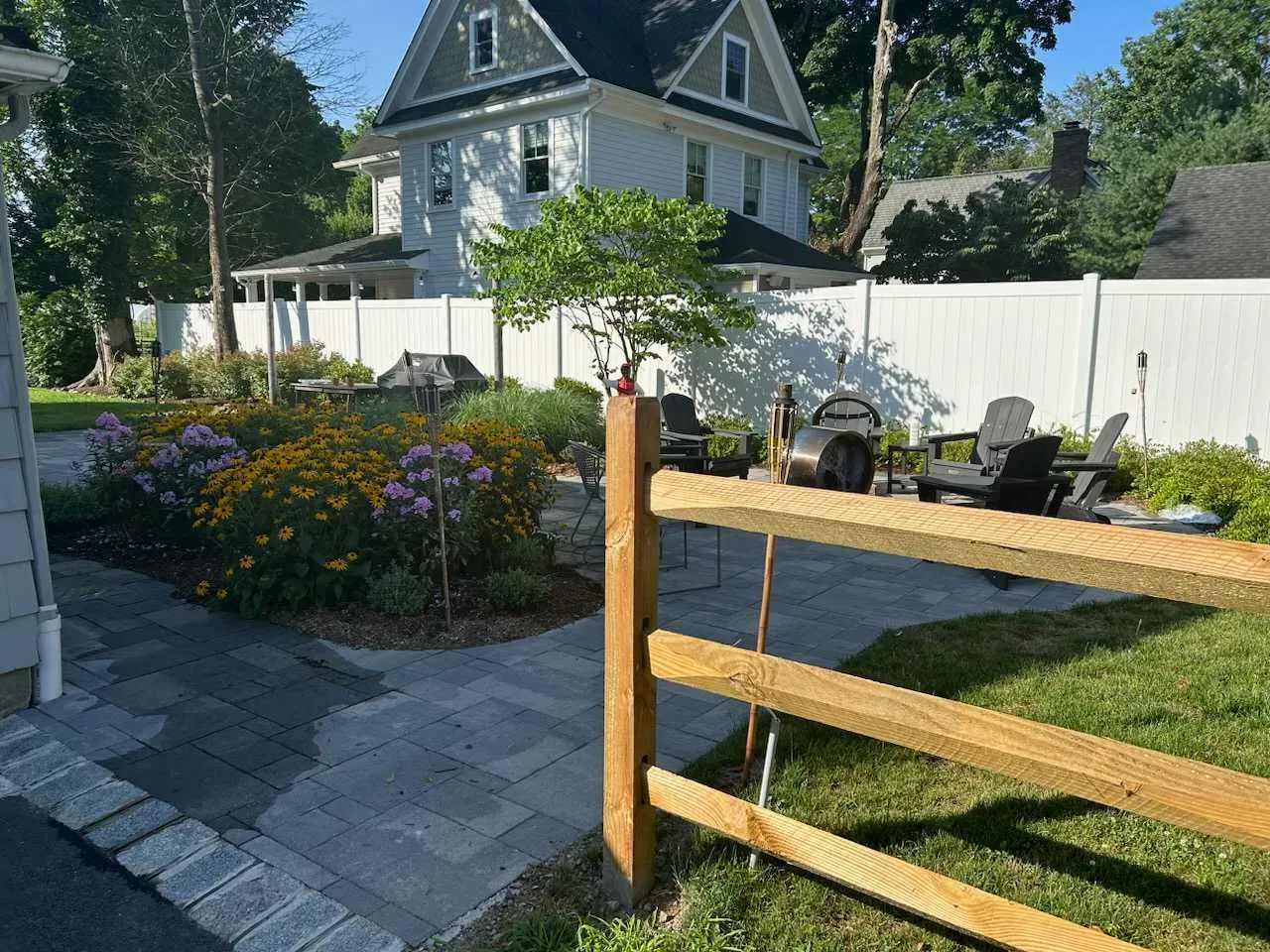
Successful shrub establishment relies on a few practical practices. Prepare the planting site, choose species suited to local conditions, and maintain consistent care during the first year. These steps increase survival rates and reduce long‑term maintenance.
- Soil Preparation: Proper soil preparation is vital for healthy shrub growth. Test your soil to determine its pH and nutrient levels, and amend it with organic matter as needed.
- Choosing the Right Plants: Select shrub varieties that are well-suited to New Jersey’s climate. Native plants often require less maintenance and are more resilient to local pests and diseases.
- Watering and Maintenance: Newly planted shrubs need consistent watering to establish their roots. Monitor soil moisture and adjust your watering schedule based on rainfall and temperature.
Soil Preparation:
Preparing soil before planting is essential. Begin with a soil test to determine pH and nutrient status, then make targeted amendments. Good structure and balanced fertility support root development and long‑term shrub health.
- Importance of Soil Testing: Conducting a soil test helps identify deficiencies and allows for targeted amendments.
- Amending Soil with Compost: Adding organic matter, such as compost, improves soil structure and nutrient availability.
- Ensuring Proper Drainage: Good drainage is essential to prevent root rot. If your soil retains too much water, consider raised beds or amending with sand.
Plant Selection:
Selecting appropriate shrub varieties is a key determinant of success. Choose species adapted to local climate and site conditions to minimise maintenance and reduce vulnerability to pests and disease.
- Benefits of Native Plants: Native shrubs are more resilient to local pests and diseases, making them easier to care for.
- Examples of Suitable Shrubs: Consider planting varieties such as Eastern Redbud, Serviceberry, or Spicebush, which thrive in New Jersey’s climate.
- Considerations for Local Climate: Always select plants that can withstand the temperature extremes typical of New Jersey.
Watering:
Apply appropriate watering practices to establish healthy root systems. New plantings require consistent moisture without prolonged saturation; monitor conditions and adjust accordingly.
- Initial Watering Needs: Water thoroughly after planting to help settle the soil around the roots.
- Adjusting for Rainfall: Monitor rainfall and adjust your watering schedule accordingly to avoid overwatering.
- Signs of Overwatering: Yellowing leaves and root rot are common signs of overwatering, so ensure your shrubs are not sitting in waterlogged soil.
Deer Resistance:
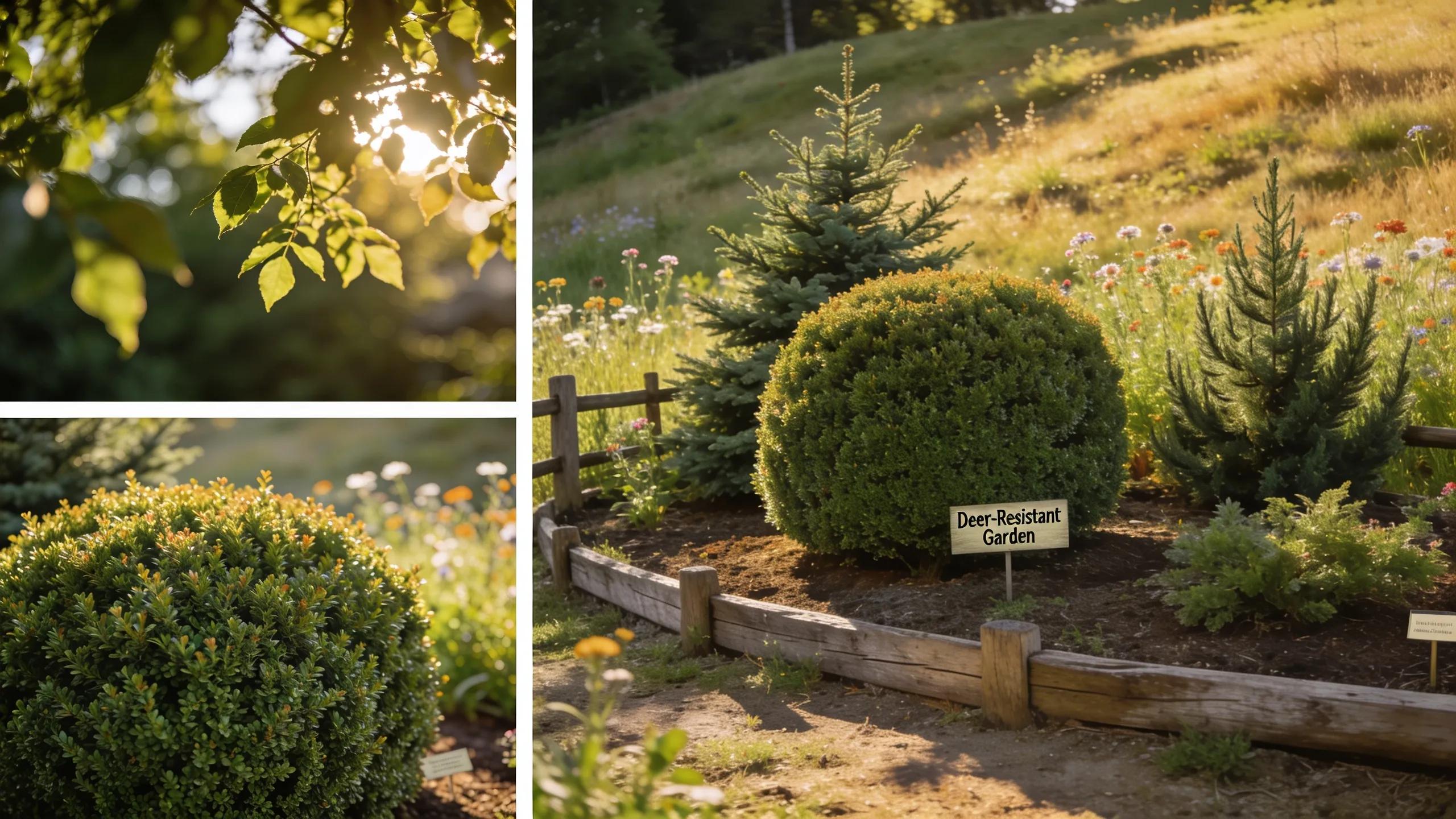
Deer browsing can damage young shrubs. Selecting less palatable species and using physical or cultural deterrents reduces losses and protects planting efforts.
- Common Deer-Resistant Shrubs: Consider planting varieties such as Boxwood, Barberry, or Juniper, which are less appealing to deer.
- Planting Strategies to Deter Deer: Use fencing or companion planting with aromatic herbs to deter deer from your garden.
- Seasonal Considerations: Be aware that deer may be more active during certain seasons, particularly in late winter and early spring.
Design Considerations:
Plan shrub layout to support both function and appearance. Consider mature size, seasonal interest and visual layering to create a balanced landscape that performs well over time.
- Creating Visual Interest: Use a mix of heights, colors, and textures to create a visually appealing landscape.
- Height and Spacing Considerations: Ensure that taller shrubs are placed at the back of beds, with shorter varieties in front to maintain visibility.
- Seasonal Color Planning: Choose shrubs that offer seasonal interest, such as spring blooms or fall foliage, to keep your garden vibrant year-round.
What Are The Optimal Shrub Planting Seasons In New Jersey?
Spring and fall are the primary planting seasons in New Jersey. Each season offers conditions that favour root development and overall establishment when timed appropriately for your site and plant choices.
- Fall Planting: Cooler temperatures and increased soil moisture make fall an excellent time for planting. This allows shrubs to establish roots before winter.
- Spring Planting: Spring is also a favorable time, as it provides a full growing season for shrubs to develop. However, be cautious of late frosts that can damage young plants.
Is Fall The Best Time To Plant Shrubs In NJ?
Fall is frequently recommended because warm soil and cooler air support root growth while reducing transplant stress. This combination often leads to stronger root systems going into winter.
- Benefits of Cooler Air and Warm Soil: The warm soil encourages root growth, while cooler air reduces stress on the plants.
- Reduced Competition for Nutrients: Fall planting allows shrubs to establish themselves before the spring growth surge, minimizing competition from weeds.
- Moisture Retention in Fall: The increased moisture levels in the soil during fall help support newly planted shrubs.
Can Shrubs Be Planted In Spring In New Jersey?
Yes. Spring planting can be successful if you account for late frosts and provide consistent care. Spring gives shrubs a full season for top growth, but root systems may not develop as extensively before winter as with fall plantings.
- Challenges of Spring Planting: Late frosts can pose a risk to young plants, so it’s essential to monitor weather forecasts.
- Comparison with Fall Planting: While spring planting allows for a full growing season, fall planting often results in stronger root systems.
- Best Practices for Spring Planting: If planting in spring, ensure that you water regularly and monitor for pests.
How To Prepare Soil And Select Sites For Successful Shrub Planting In NJ
Site selection and soil preparation are foundational steps. Assess sunlight, drainage and soil texture before planting, and correct limitations where possible to give shrubs the best start.
- Assessing Site Conditions: Evaluate sunlight, drainage, and soil type to determine the best location for your shrubs.
- Soil Testing Importance: Conduct soil tests to identify nutrient deficiencies and pH levels.
- Choosing the Right Location: Select a site that provides adequate sunlight and protection from harsh winds.
What Soil Types Are Ideal For Shrubs In New Jersey?
Well‑draining loam is generally ideal, offering a balance of moisture retention and aeration. Heavy clay or excessively sandy soils may require amendment to improve structure and fertility before planting.
- Characteristics of Ideal Soil: Well-draining, loamy soil is often best for shrubs, providing a balance of nutrients and moisture retention.
- Soil Amendments for Improvement: Adding organic matter can improve soil structure and nutrient content.
- Drainage Considerations: Ensure that the planting site has good drainage to prevent root rot.
Which Soil Preparation Steps Improve Shrub Root Establishment?
Targeted soil preparation supports root growth. Test the soil, incorporate organic matter where needed, and ensure surface grading and subsoil drainage prevent standing water around roots.
- Importance of Soil Testing: Testing helps identify nutrient needs and pH levels.
- Amending Soil with Organic Matter: Incorporating compost or well-rotted manure can enhance soil fertility.
- Proper Drainage Techniques: Ensure that the planting area allows excess water to drain away from the roots.
Which Shrub Varieties Thrive Best In New Jersey’s Climate?
Choose shrubs adapted to regional conditions. Native species and proven cultivars tolerate local temperature ranges and pest pressures better, which lowers maintenance and improves longevity.
- Native Shrub Options: Native shrubs such as Witch Hazel and Red Osier Dogwood are well-adapted to local conditions.
- Low-Maintenance Varieties: Consider shrubs that require less care, such as Barberry or Juniper.
- Seasonal Interest Plants: Choose varieties that offer blooms or colorful foliage throughout the year.
What Are The Most Suitable Shrubs For Morris County, NJ?
Morris County supports a range of shrubs when you select species suited to local microclimates. Consider bloom time, cold hardiness and soil preferences when making choices for that area.
- Local Climate Considerations: Select shrubs that can withstand the temperature fluctuations typical of the area.
- Popular Shrub Choices: Consider options like Hydrangeas, Azaleas, and Rhododendrons for vibrant blooms.
- Maintenance Requirements: Choose shrubs that fit your maintenance preferences, whether low-maintenance or more involved.
How Do Shrub Growth Habits Affect Planting Choices In NJ?
Growth habit determines spacing and placement. Upright, mounded and spreading shrubs each have different mature footprints; accounting for these habits prevents overcrowding and reduces future pruning needs.
- Growth Habits of Common Shrubs: Some shrubs grow upright, while others spread out, affecting spacing and layout.
- Impact on Spacing and Layout: Consider the mature size of shrubs when planning your garden layout.
- Considerations for Design: Use growth habits to create visually appealing arrangements in your landscape.
What Common Mistakes Should Be Avoided When Planting Shrubs In NJ?
Avoid common errors such as improper timing, inadequate soil preparation and selecting species unsuited to site conditions. Correcting these issues before planting reduces failure risk and future maintenance.
- Timing Errors: Planting too early or too late can expose shrubs to adverse conditions.
- Soil Preparation Issues: Failing to prepare the soil properly can hinder root establishment.
- Species Selection Mistakes: Choosing the wrong varieties for your climate can lead to poor growth.
How Does Incorrect Timing Impact Shrub Survival In New Jersey?
Planting at the wrong time affects root development and winter readiness. Late plantings may not establish sufficient roots before cold weather, while very early spring plantings risk frost damage to new growth.
- Consequences of Late Planting: Planting too late in the season can expose shrubs to winter stress.
- Soil Temperature Considerations: Soil temperatures affect root growth; planting at the wrong time can hinder establishment.
- Best Practices for Timing: Monitor local weather patterns and frost dates to determine the best planting times.
What Are Typical Soil Preparation Errors To Avoid?
Common preparation errors include skipping soil tests, neglecting organic amendments, and failing to correct drainage problems. Address these before planting to support healthy roots and reduce future intervention.
- Skipping Soil Preparation: Neglecting to prepare the soil can lead to poor growth.
- Ignoring Drainage Needs: Failing to ensure proper drainage can result in root rot.
- Overcrowding Plants: Planting too closely can lead to competition for nutrients and space.
How Should New Shrubs Be Watered And Cared For After Planting In NJ?
After planting, consistent care is essential. Water regularly to support root establishment, apply mulch to conserve moisture, and watch for stress indicators so you can intervene early.
- Watering Frequency: Newly planted shrubs should be watered regularly to establish roots.
- Mulching Benefits: Applying mulch can help retain moisture and suppress weeds.
- Signs of Stress in New Shrubs: Monitor for wilting or yellowing leaves, which may indicate water stress.
What Are Best Practices For Watering Newly Planted Shrubs In NJ?
Water thoroughly at planting, then maintain a consistent schedule that reflects rainfall and temperature. Deep, infrequent watering encourages roots to move deeper into the soil.
- Initial Watering Needs: Water thoroughly after planting to help settle the soil.
- Adjusting for Rainfall: Modify your watering schedule based on recent rainfall.
- Long-Term Watering Strategies: Establish a consistent watering routine to support healthy growth.
How Does Mulching Support Shrub Growth In New Jersey Gardens?
Mulch conserves soil moisture, suppresses weeds and moderates soil temperature. Organic mulches also improve soil structure and nutrient content as they decompose, benefiting root health over time.
- Moisture Retention: Mulch helps retain soil moisture, reducing the need for frequent watering.
- Weed Control: A layer of mulch can suppress weed growth, allowing shrubs to thrive.
- Soil Temperature Regulation: Mulch helps maintain consistent soil temperatures, benefiting root development.
Frequently Asked Questions
What should I do if I missed the ideal planting season for shrubs?
You can still plant outside the ideal window, but take extra precautions. For spring plantings, monitor for late frosts and protect tender growth. For late autumn plantings, complete work early enough to allow root establishment before ground freezes. If conditions are poor, delaying until the next optimal season may yield better results.
How often should I fertilize my newly planted shrubs?
New shrubs typically benefit more from establishing roots than from immediate feeding. A light application of slow‑release fertiliser after the first growing season can help growth, but conduct a soil test first to target specific nutrient needs. Avoid heavy early applications that can damage young roots.
Can I plant shrubs in containers instead of directly in the ground?
Container planting is a practical alternative when in‑ground conditions are unsuitable. Use adequately sized containers with drainage holes, high‑quality potting mix and a watering schedule that reflects the increased drainage and evaporation container plants experience.
What are the benefits of using mulch around shrubs?
Mulch reduces evaporation, stabilises soil temperature and limits weed competition. Organic mulches like wood chips gradually improve soil fertility as they break down, supporting longer‑term plant health.
What are some signs that my shrubs are not thriving?
Watch for yellowing leaves, wilting, stunted growth or leaf drop. These symptoms can indicate overwatering, nutrient shortfalls, poor drainage or pest pressure. Inspect soil moisture, drainage and plant tissue to identify and correct the issue promptly.
How can I help my shrubs acclimatize when moving them?
Reduce transplant shock by initially placing moved shrubs in light shade, then gradually increasing sun exposure over several days. Keep the root zone consistently moist, avoid fertilising until the plant shows new growth, and monitor closely for stress signs.
Should I prune my shrubs after planting?
Limit pruning in the first season to removal of dead or damaged branches so the plant can prioritise root establishment. Once established, use routine pruning to shape shrubs and improve air circulation and light penetration.
Conclusion
Planting shrubs in New Jersey at the correct time and selecting species suited to local conditions increases resilience and reduces long‑term maintenance. Proper site assessment, soil preparation and early care support healthier, more attractive plantings and improve the appearance of your property. Review locally available shrub options to begin implementing these practices.