
Starting a vegetable garden in New Jersey is rewarding but requires careful planning to address local conditions. With structured planning and consistent care you can establish a productive garden that supplies fresh produce through the growing season. In this guide, we cover site selection, soil preparation, plant choice, and seasonal scheduling tailored to New Jersey’s climate. In addition, we address local concerns such as wildlife management and community resources so you can manage common challenges. By following these steps you will understand how to begin and maintain a productive backyard vegetable garden.
- Starting a vegetable garden in New Jersey requires careful planning tailored to local climate and soil conditions.
- First, choose a garden site with six to eight hours of sunlight and good drainage for optimal vegetable growth.
- Next, conduct soil testing to determine pH and nutrient levels, then amend soil with organic matter accordingly.
- In addition, design your garden layout using raised beds and crop rotation to improve soil health and accessibility.
- Select vegetable varieties suited to New Jersey’s climate, such as tomatoes, peppers, and leafy greens.
- Then, plan planting and harvesting around local frost dates to maximize growing season success.
- Implement proper watering, weeding, fertilization, and organic pest management for sustained garden health.
- Also, address local challenges like deer and wildlife by using fencing and deer-resistant plants.
- Finally, utilize community resources and sustainable practices like composting and rainwater harvesting to support your garden.
Planning Strategies
Effective planning sets the foundation for a reliable vegetable garden. Key tasks include choosing the right site, testing and amending soil, designing an efficient layout, selecting appropriate varieties, and planning by season. Each task reduces risk and improves productivity under New Jersey’s variable climate.
Site Selection
Select a location that receives six to eight hours of direct sun and has good surface drainage. Prioritise accessibility for routine chores like watering and harvesting. Prefer level ground to limit erosion and avoid low spots that hold water and stress roots.
Soil Testing
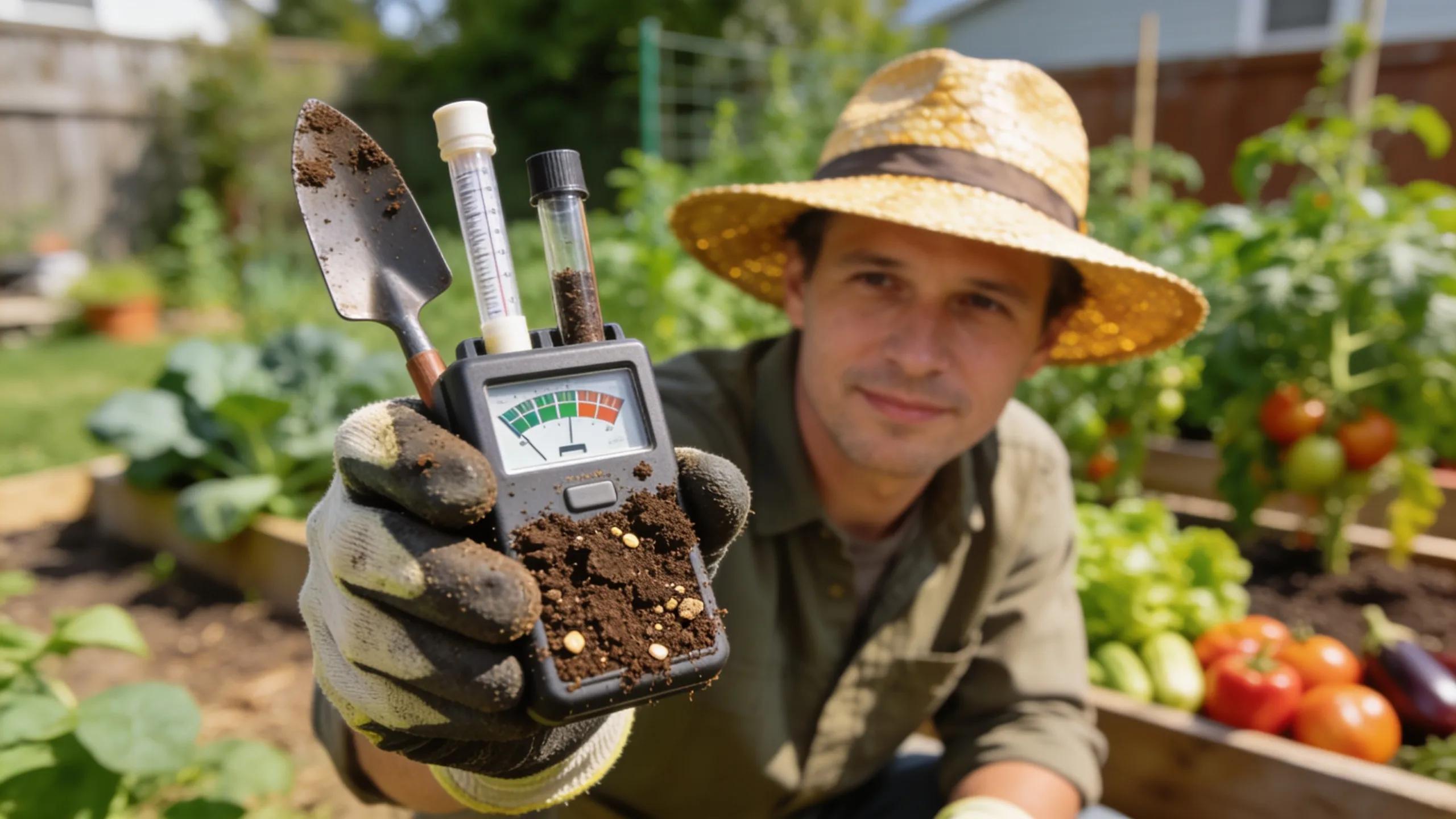
Soil quality determines plant health and yield. Perform a soil test to identify pH and nutrient levels; test kits are available from garden centres or cooperative extension services. Amend the soil with organic matter or targeted fertilizers based on results to create a balanced growing medium.
Garden Design
A practical garden layout improves production and maintenance. Use raised beds or containers to enhance drainage and control soil structure. Plan crop rotation to reduce disease pressure and nutrient depletion, and include clear pathways for easy access during care and harvests.
Plant Selection
Choose varieties proven to perform in New Jersey’s climate, such as common tomato, pepper and leafy green cultivars. Prioritise cultivars with disease resistance and adaptability to local weather. Incorporating native or low-maintenance plants can reduce input needs while supporting ecosystem health.
Seasonal Planning
Base your planting schedule on local frost dates and seasonal temperatures. In New Jersey the last frost generally falls in late April and the first frost often arrives in early November. Use those dates to determine when to start seeds indoors, transplant seedlings, and plan succession plantings.
Essential Care Techniques
After establishment, ongoing care ensures consistent growth and yields. Key practices include correct irrigation, weed control, balanced fertilisation, integrated pest management, and timely harvesting to sustain plant health and productivity.
Watering
Water deeply and less frequently to encourage deep root systems. A general target is about one inch of water per week, adjusted for rainfall and soil type. Irrigate in the early morning to reduce evaporation and lower disease risk.
Weeding and Mulching
Weeds compete directly with vegetables for moisture and nutrients. Remove weeds promptly by hand or with tools and apply organic mulch to suppress growth, moderate soil temperature, and conserve moisture around plant roots.
Fertilization
Fertilisation supports growth and yields when matched to crop needs. Organic materials such as compost or well-rotted manure supply nutrients and improve soil structure. Follow product instructions and soil test recommendations to avoid over-application and runoff.
Pest Management
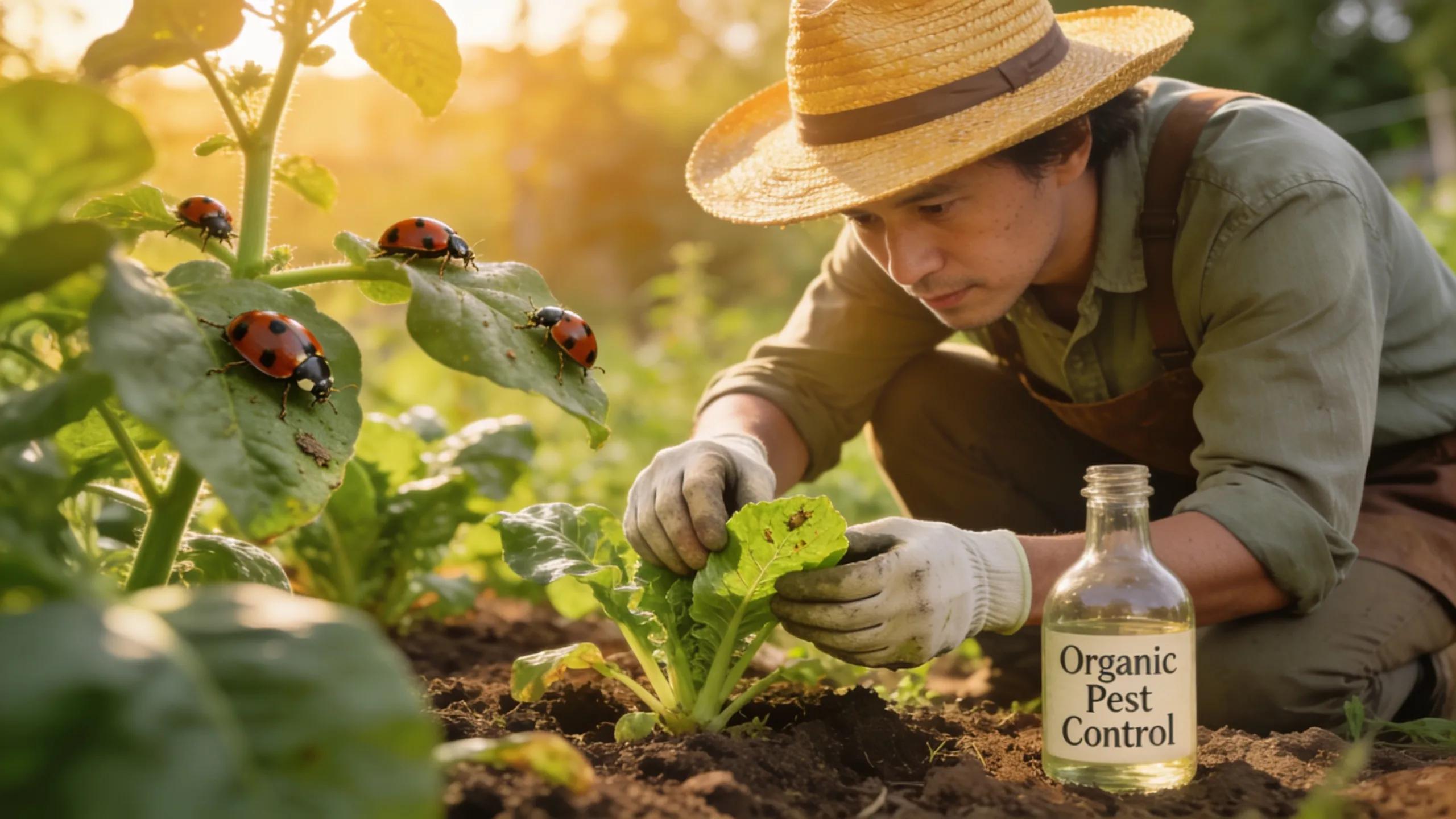
Use regular inspections and integrated, low-toxicity methods to manage pests. Monitor plants for damage and introduce beneficial insects, such as ladybugs, to reduce pest populations. Consider organic treatments like neem oil or insecticidal soap where appropriate to limit harm while controlling pests.
Harvesting
Harvest vegetables at peak maturity to capture best flavour and nutrition. Pick crops when they display full colour and expected firmness. Regular harvesting often encourages continued production in many vegetable types.
Local Considerations
New Jersey gardening requires adapting practices to local climate, wildlife presence, and available community support. Addressing these factors improves resilience and long-term garden performance.
Climate Adaptation
New Jersey experiences hot summers and cold winters; select heat-tolerant varieties for summer planting and cold-hardy types for fall. Use protective measures such as row covers to shield young plants from late or early frosts.
Deer and Wildlife
Deer and other wildlife can damage crops. Use physical barriers like fencing and select less palatable varieties to reduce browsing. Planting herbs and flowers that attract beneficial insects can support pest control while discouraging some wildlife.
Community Resources
Local resources offer practical support. Join gardening clubs or attend workshops to learn practical techniques. Cooperative extension offices provide soil testing, pest identification, and region-specific guidance for New Jersey gardeners.
Sustainable Practices
Adopt sustainable measures to improve soil and conserve resources. Compost kitchen and garden waste to create nutrient-rich amendments. Collect rainwater for irrigation to reduce municipal water use and support conservation goals.
What Are the Essential Steps for NJ Vegetable Garden Soil Preparation?
Preparing your soil is a critical step in establishing a successful vegetable garden. Here are the essential steps:
- Conduct Soil Tests: Determine pH and nutrient levels.
- Amend Soil: Add organic matter based on test results.
- Tillage: Loosen the soil to improve aeration and drainage.
- Level the Ground: Ensure an even surface for planting.
How to Test and Improve NJ Backyard Soil for Vegetable Gardening
Testing and improving your soil quality involves several methods:
- Soil Testing Kits: Use these to assess pH and nutrient levels.
- Organic Amendments: Incorporate compost or aged manure to enhance soil structure.
- Cover Crops: Plant cover crops in the off-season to improve soil health.
Which Organic Amendments and Fertilizers Suit NJ Vegetable Gardens?
When selecting organic amendments and fertilizers, consider the following options:
- Compost: Provides a balanced nutrient source and improves soil structure.
- Bone Meal: A slow-release source of phosphorus for root development.
- Fish Emulsion: A liquid fertilizer that offers a quick nutrient boost.
Which Vegetables Grow Best in New Jersey’s Climate?
New Jersey’s climate supports a variety of vegetables. Some of the best options include:
- Tomatoes: Thrive in warm weather and produce high yields.
- Peppers: Require similar conditions to tomatoes and are versatile in cooking.
- Leafy Greens: Such as spinach and kale, grow well in cooler temperatures.
How to Use a Planting Calendar for Successful NJ Vegetable Gardening?
A planting calendar helps you time your planting and harvesting effectively. Follow these steps:
- Identify Frost Dates: Know your area’s last and first frost dates.
- Plan Planting Times: Schedule seed starting and transplanting based on these dates.
- Rotate Crops: Use the calendar to plan crop rotation for soil health.
What Are Effective Pest and Disease Management Practices for NJ Vegetable Gardens?
Managing pests and diseases effectively involves:
- Regular Monitoring: Check plants frequently for signs of trouble.
- Cultural Practices: Rotate crops and maintain healthy soil to prevent issues.
- Organic Treatments: Use neem oil or insecticidal soap as needed.
How to Maintain and Water Your NJ Vegetable Garden for Optimal Growth?
To maintain and water your garden effectively:
- Water Deeply: Ensure roots receive adequate moisture.
- Mulch: Apply organic mulch to retain soil moisture and suppress weeds.
- Regular Maintenance: Keep an eye on plant health and address issues promptly.
What Common Mistakes Should NJ Gardeners Avoid When Starting a Vegetable Garden?
Avoid these common pitfalls:
- Neglecting Soil Testing: Failing to test soil can lead to nutrient deficiencies.
- Overcrowding Plants: Give plants enough space to grow and thrive.
- Ignoring Local Conditions: Adapt your gardening practices to New Jersey’s climate.
What Are Typical Pest and Maintenance Oversights and Their Solutions in NJ?
Common oversights include:
- Neglecting Regular Maintenance: Schedule consistent checks on your garden.
- Poor Soil Preparation: Ensure thorough soil testing and amendment before planting.
By following these guidelines and using local resources, you can establish and maintain a productive vegetable garden in New Jersey. For tailored garden care and landscaping services, consider contacting Gebhard Horticulture and Design, a Morris County firm that provides site-specific solutions for homeowners and businesses.
Frequently Asked Questions
1. What is the best time to plant vegetables in New Jersey?
The best time to plant vegetables in New Jersey depends on frost dates. Generally the last frost falls in late April, which is suitable for transplanting warm-season crops. Cool-season vegetables, like leafy greens, can be sown as early as March. Creating a planting calendar that references local frost dates helps you plan seed starting, transplants, and succession crops to extend harvests.
2. How can I improve soil drainage in my vegetable garden?
Poor drainage harms roots and reduces yields. Improve drainage by incorporating organic matter such as compost or well-rotted manure and by creating raised beds to lift root zones above saturated soil. Limit soil compaction by minimising foot traffic and use crop rotation to preserve soil structure over time.
3. What are effective ways to attract beneficial insects to my garden?
To attract predators like ladybugs and lacewings, plant a mix of flowers and herbs that provide nectar and shelter. Options include marigolds, sweet alyssum, and dill. Leaving small, undisturbed patches can provide habitat for nesting and overwintering beneficials, which supports natural pest control.
4. Can I grow vegetables in containers in New Jersey?
Yes. Container gardening is practical when space or soil quality is limited. Use large pots with adequate drainage and a high-quality potting mix. Vegetables such as tomatoes, peppers and many herbs perform well in containers when provided consistent water and sufficient sunlight.
5. How do I manage weeds effectively in my vegetable garden?
Regular inspection and prompt removal are essential for weed control. Hand-pull or hoe weeds before they set seed and use organic mulch to suppress new growth while conserving moisture. Landscape fabric or a thick mulch layer can further reduce weed pressure without restricting water and nutrient flow to crops.
6. What should I know about organic pest control methods?
Organic pest control aims to manage pests while protecting the garden ecosystem. Effective methods include using natural repellents such as neem oil and insecticidal soap, introducing beneficial insects, and applying diatomaceous earth as a physical barrier. Regular scouting and maintaining healthy, diverse plantings reduce overall pest risk.
7. How can I use community resources to enhance my gardening efforts?
Community resources provide practical assistance. Join local gardening groups to exchange knowledge and tools. Cooperative extension offices offer soil testing, workshops, and regional guidance on pests and diseases that reflect New Jersey’s conditions. Engaging with neighbours and local experts helps refine practices for your area.
Conclusion
Establishing a vegetable garden in New Jersey can produce reliable harvests and strengthen your connection to the local environment. With careful planning, consistent maintenance, and use of local resources, you can build a garden that performs well year after year. For professional advice and site-specific services, contact us to discuss how we can support your gardening goals.