
Gardening in New Jersey rewards careful crop selection that suits local conditions. Homeowners working in USDA zones 6 and 7 can achieve reliable results by choosing vegetables adapted to those climates. This article outlines the easiest vegetables to grow here and provides practical guidance on planting windows, soil preparation, pest control, and routine care to help you produce a productive, healthy garden.
- New Jersey’s climate zones 6 and 7 favor vegetables like tomatoes, zucchini, lettuce, green beans, and radishes.
- Plant cool-season crops such as lettuce and radishes in early spring for optimal growth.
- Warm-season vegetables like tomatoes and zucchini should be planted after the last frost, around late May.
- Soil types in New Jersey vary; sandy loam requires frequent watering, while clay needs aeration to prevent compaction.
- Organic fertilizers and soil testing improve nutrient availability and support healthy vegetable growth.
- Common pests include aphids and beetles; integrated pest management reduces damage effectively.
- Watering early morning or late afternoon with deep watering promotes strong root development.
- Regular maintenance like mulching, pruning, and weeding enhances plant health and productivity.
- Harvest vegetables at peak ripeness and store them properly to extend freshness and quality.
Which Vegetables Thrive Best in New Jersey’s Climate Zones 6 and 7?
New Jersey’s marked seasons shape which crops perform best; selecting varieties matched to cool springs and warm summers increases success. Knowing those seasonal patterns helps gardeners plan planting and harvest windows that align with plant needs.
Top 5 Easy-to-Grow Vegetables for New Jersey Gardens
- Tomatoes: These are a favorite among gardeners due to their versatility and flavor. They thrive in warm weather and require full sun for optimal growth. Regular watering and staking can help support the plants as they grow.
- Zucchini: Known for its prolific yield, zucchini is easy to grow and can be harvested in just a few weeks. It prefers well-drained soil and benefits from consistent watering to prevent blossom end rot.
- Lettuce: This leafy green is perfect for cooler seasons and can be sown in early spring or late summer. It grows quickly and can be harvested multiple times throughout the growing season.
- Green Beans: These are great for beginners as they require minimal care. They can be grown in various soil types and thrive in full sun. Regular harvesting encourages more production.
- Radish: Radishes are one of the fastest-growing vegetables, making them ideal for new gardeners. They can be sown directly into the soil and typically mature in about 30 days.
How Local Climate Influences Vegetable Growth in NJ
The seasonal temperature range in New Jersey determines planting windows and the choice between cool- and warm-season crops. Matching crop selection to local climate patterns reduces stress on plants and improves yields.
Monitoring average temperatures and precipitation helps with variety selection and timing. Cool-season crops such as lettuce and radishes perform well when sown early, while warm-season crops like tomatoes and zucchini need the stable warmth that follows the last frost.
When Is the Optimal Planting Time for Vegetables in New Jersey?
Correct timing affects germination, development, and final yield. Planting within the recommended windows for each crop limits losses from frost, heat stress, or disease.
Understanding the NJ Vegetable Planting Calendar
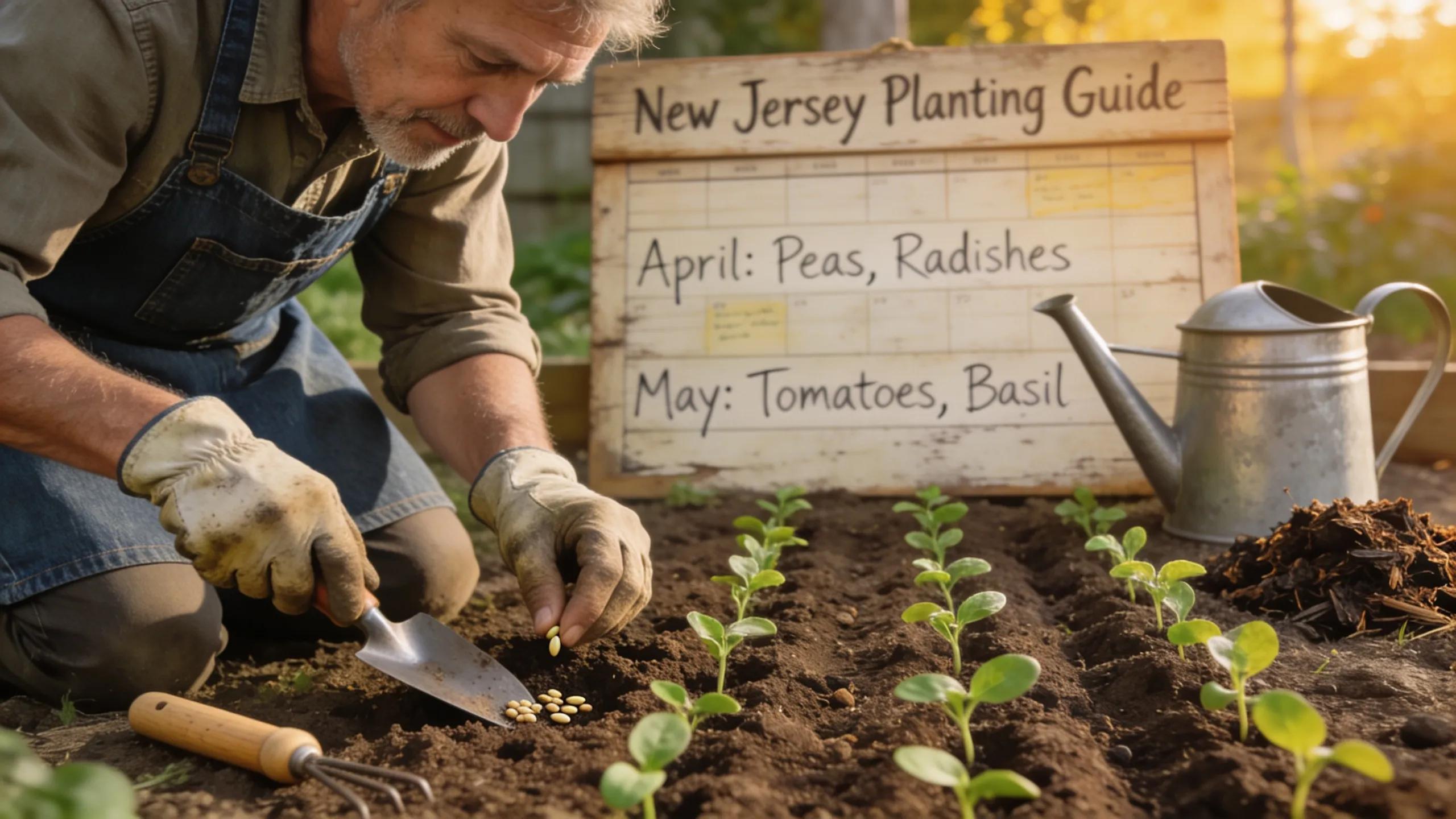
The New Jersey planting calendar sets practical windows for sowing seeds and transplanting seedlings: cool-season crops in early spring and warm-season crops after the last frost, commonly mid to late May in many parts of the state.
This brief schedule highlights typical planting times for widely grown vegetables and helps plan succession sowing to extend harvests across the season.
- Tomatoes: Late May
- Zucchini: Late May
- Lettuce: Early April
- Green Beans: Late May
- Radish: Early April
Seasonal Considerations for Successful Planting
Spring plantings extend the growing season and support faster establishment, while fall plantings can produce crops better adapted to cooler conditions. Select varieties with appropriate maturity dates for the intended season.
Consider local frost dates and rainfall trends when scheduling plantings. Use row covers to protect young plants from late cold events and reduce the risk of transplant loss.
How Should You Prepare and Fertilize Soil for NJ Vegetable Gardens?
Effective soil preparation creates a stable foundation for healthy plants. Work to improve structure, drainage, and nutrient content before planting to support strong root systems and crop performance.
Soil Types Common in New Jersey and Their Impact
New Jersey soils range from sandy loam to clay and silt, each influencing water retention and aeration. Identifying your site’s soil type guides amendments and irrigation practices for optimal growth.
Sandy soils drain rapidly and often need more frequent irrigation and organic matter to retain nutrients. Clay holds moisture but can compact; regular aeration and organic amendment improve tilth and root penetration.
Best Fertilization Practices for Vegetable Growth
Fertilisation supplies the macro- and micronutrients vegetables require. Organic inputs such as compost and well-rotted manure enhance soil structure while releasing nutrients gradually.
Perform a soil test to confirm nutrient levels and pH, then apply targeted amendments. Periodic feeding during the season supports steady growth and helps maintain yields.
Gebhard Horticulture and Design offers tailored garden care and landscaping guidance, advising on soil preparation and fertilisation practices suited to New Jersey’s climate and soil variations.
What Are Common Pests and Diseases Affecting NJ Vegetable Gardens?
Pest and disease monitoring is essential to protect yield and plant health. Early identification allows for proportionate control measures that limit crop loss while preserving beneficial organisms.
Identifying Aphids, Beetles, and Other NJ Garden Pests
Aphids, cucumber beetles and tomato hornworms are common pests in New Jersey vegetable plots. Their feeding causes defoliation, sap loss and, in some cases, vector-borne disease transmission, which can reduce productivity.
Regular scouting and early intervention reduce population buildup. Techniques such as hand removal, insecticidal soaps and introducing natural predators help control pests without broad-spectrum chemical use.
Effective Pest and Disease Management Strategies
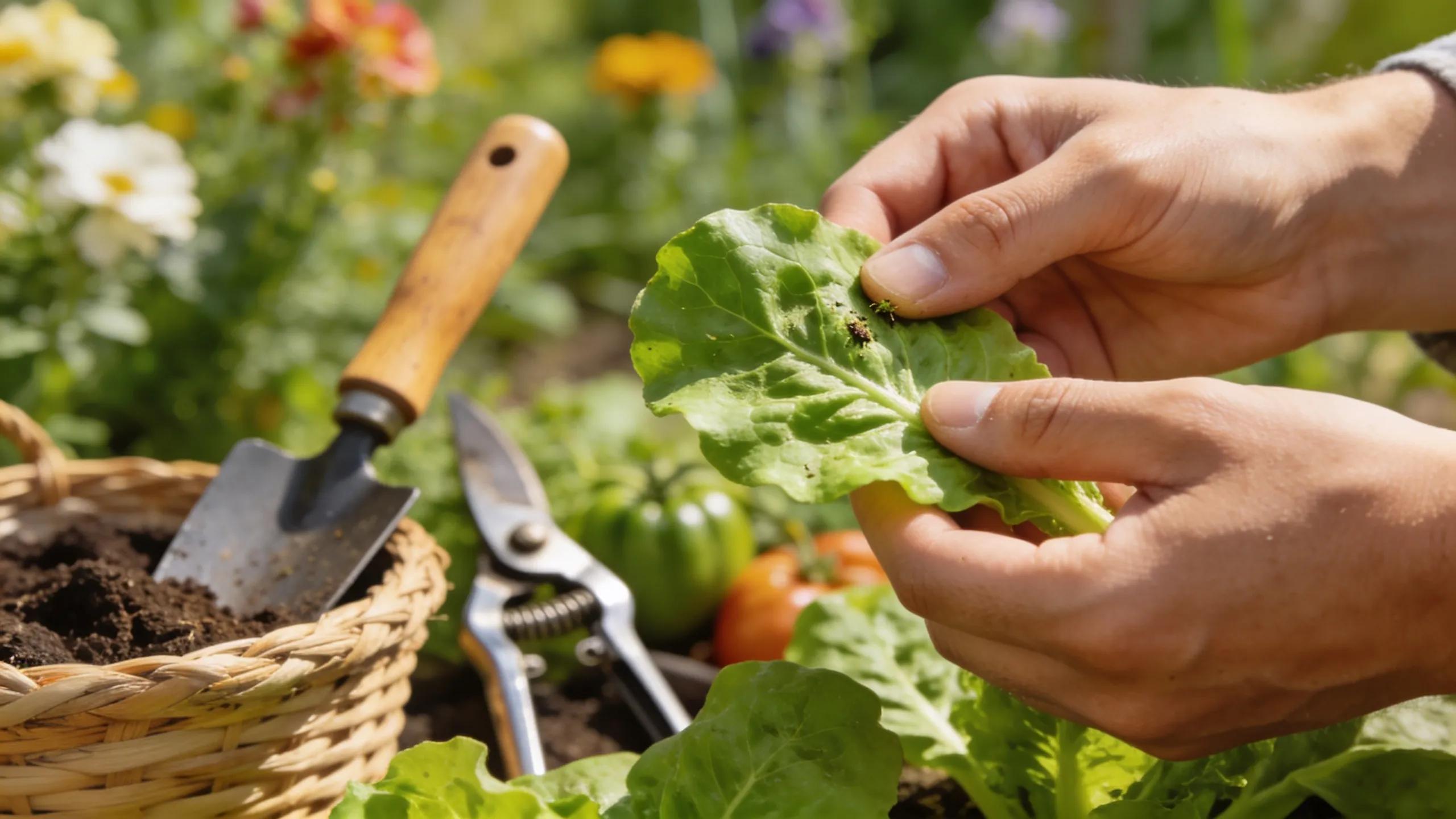
Integrated pest management combines cultural, biological and selective chemical controls to manage problems efficiently. This structured approach minimises crop damage while protecting beneficial insect populations.
Practices such as maintaining soil health, rotating crops and choosing disease-resistant cultivars reduce the incidence of pest and disease issues over time.
How Do You Maintain and Water Your Vegetable Garden for Optimal Results?
Consistent maintenance and appropriate irrigation support plant vigour and long-term productivity. Adopt practices that strengthen root systems and reduce stress during heat or dry spells.
Best Watering Techniques for NJ Vegetable Gardens
Water in the early morning or late afternoon to reduce evaporation. Apply deep, infrequent irrigations so roots grow deeper; avoid repeated shallow watering that encourages weak, shallow roots.
Drip irrigation delivers water directly to the root zone, conserves water, and reduces foliar moisture that can promote disease.
Routine Maintenance Tips to Promote Healthy Growth
Weeding, mulching and timely pruning improve air circulation, conserve soil moisture and limit competition for nutrients. Mulch also moderates soil temperature and suppresses weed emergence.
Set a regular inspection schedule to identify nutrient deficiencies, pest pressure or disease early and respond before issues escalate.
What Are the Best Practices for Harvesting and Storing Vegetables in New Jersey?
Harvesting at the correct stage preserves flavour and quality and helps maintain plant productivity for subsequent harvests.
Timing Your Harvest for Maximum Yield and Quality
Each crop has visual and tactile signs of ripeness: tomatoes should be fully coloured and slightly yielding, while zucchini is best picked small and tender for superior texture and flavour.
Frequent harvesting of crops like beans encourages continued production and prevents overmaturity that reduces quality.
Proper Storage Methods to Extend Freshness
Store vegetables according to their specific needs: many do well in a cool, dark area, while leafy greens retain quality in refrigerated conditions. Proper handling reduces bruising and spoilage.
Use breathable containers or bags to limit moisture buildup and slow deterioration, extending the usable life of your harvest.
Following these practical recommendations and accounting for New Jersey’s seasonal patterns will help you produce consistent harvests. Whether you are experienced or new to vegetable gardening, applying these techniques improves plant health and crop quality throughout the season.
Frequently Asked Questions
What are some beginner-friendly vegetables to grow in New Jersey?
For beginners, green beans, radishes and zucchini are reliable choices in New Jersey. Green beans tolerate a range of soils and require minimal upkeep; radishes mature quickly for fast results; zucchini yields heavily with routine care. These crops adapt well to local climate conditions and provide steady returns for new gardeners.
How can I improve the soil quality in my New Jersey garden?
Begin with a soil test to establish pH and nutrient levels. Amend based on results using organic matter such as compost or well-rotted manure to improve structure and fertility. Apply mulch to retain moisture and suppress weeds, and plan seasonal maintenance to sustain soil health.
What common diseases should I watch for in my New Jersey vegetable garden?
Monitor for blight, powdery mildew and root rot, which commonly affect vegetables here. Blight typically impacts tomatoes and potatoes in humid conditions, powdery mildew can form on foliage in dry, warm periods, and root rot often follows persistent overwatering. Regular inspection and crop rotation help reduce these risks.
Are there any specific watering techniques I should use in New Jersey?
Water early in the day or late afternoon and favour deep, infrequent applications to promote robust root systems. Deep irrigation reduces drought stress and encourages resilience. Consider drip systems for efficient, targeted watering that limits foliar wetness.
How can I protect my vegetable garden from pests?
Use integrated pest management: monitor plants regularly, encourage beneficial insects, and use physical barriers like row covers when needed. Apply targeted treatments such as insecticidal soaps or neem oil to control pests while minimising impact on beneficial species.
What is the best way to harvest vegetables for optimal flavor?
Harvest at physiological maturity for peak flavour: pick tomatoes when they have full colour and slight give, and collect zucchini while small and tender. Use clean tools and proper technique to avoid wounding plants and to sustain ongoing production.
How can I ensure my vegetables stay fresh after harvesting?
Store vegetables according to type: many prefer a cool, dark environment, while leafy greens keep best refrigerated. Use breathable packaging to avoid condensation and check produce regularly to remove any items that begin to spoil.
Conclusion
Successful vegetable gardening in New Jersey depends on selecting suitable crops, preparing soil correctly and applying sound pest and water management. Choosing appropriate varieties, maintaining regular care and harvesting at the right times will improve yield and produce quality. Begin with these proven practices to establish a productive, resilient home vegetable garden.