
Maintaining a productive summer vegetable garden requires targeted care as temperatures rise. Plants need adjusted watering, vigilant soil management, and timely pest and harvest practices to sustain growth and yield. This guide outlines practical strategies for irrigation, soil preparation, organic pest control, crop rotation, mulching and pruning. Apply these methods to protect plant health and extend your harvest through the hottest months.
- Consistent deep watering once or twice weekly supports vegetable growth during hot summer months.
- Drip irrigation and soaker hoses conserve water and reduce fungal disease risks effectively.
- Incorporating organic soil amendments like compost and manure improves fertility and microbial activity.
- Balanced use of organic and synthetic fertilizers sustains vegetable growth and maintains soil health.
- Early pest identification and organic controls like neem oil protect plants without harming beneficial insects.
- Crop rotation prevents soil nutrient depletion and reduces pest and disease pressure.
- Succession planting ensures continuous vegetable harvest by staggering planting times.
- Mulching conserves soil moisture, stabilizes temperature, and suppresses weed growth efficiently.
- Pruning dead or diseased branches enhances air circulation and maximizes vegetable yields.
What Are the Essential Watering Strategies for Summer Vegetable Gardens?
Consistent moisture is a primary determinant of summer performance. Higher temperatures increase evaporation and plant water use, so adopt practices that deliver water to the root zone while avoiding surface saturation. Proper timing and volume reduce stress, limit disease risk, and support steady fruit and leaf development.
How Often Should You Water Your Vegetable Garden in Summer?
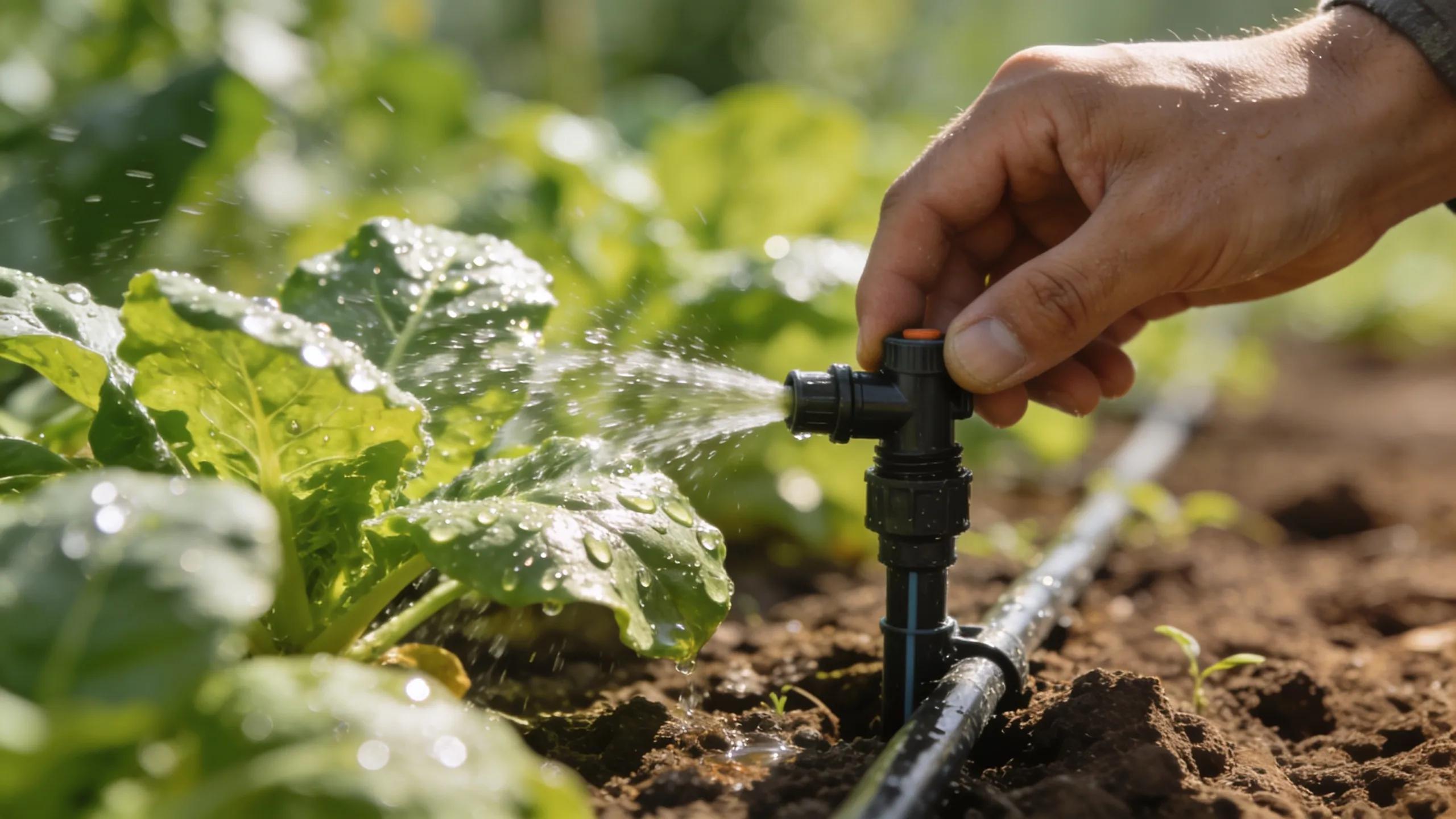
Water deeply once or twice a week in most summer conditions, adjusting for soil type and hot spells. Sandy soils may need more frequent irrigation; clay soils hold moisture longer. Watch for signs such as yellowing leaves or root rot from overwatering, and wilting or stunted growth from under-watering. Regular checks at the root zone help you set an effective schedule.
Which Irrigation Methods Conserve Water and Promote Healthy Growth?
Use systems that target the root zone to reduce loss and keep foliage dry. Drip irrigation and soaker hoses deliver water slowly at the soil line, improving efficiency and lowering fungal disease risk. Select equipment and layouts that match bed size and plant spacing for consistent moisture and reduced waste.
Drip Irrigation for Small-Scale Vegetable Production
Drip irrigation, also known as trickle irrigation or microirrigation, delivers water directly to the root zone and increases water-use efficiency. It can be applied to small plots or connected to storage tanks for flexible deployment.
More crop per drop: Using simple drip irrigation systems for small-scale vegetable production, M Bhattarai, 2011
How to Prepare and Fertilize Soil for Continuous Summer Production?
Soil quality determines nutrient availability, water retention and root development. Test pH and nutrient levels, then correct imbalances and amend structure with organic matter. Planned fertilisation and timely soil management keep plants supplied with the elements they need for sustained summer growth.
What Soil Amendments Improve Fertility for Summer Vegetables?
Incorporate compost, well-rotted manure or green manures to improve texture, water-holding capacity and microbial activity. These materials release nutrients gradually and support root health. Using organic fertilizers like bone meal or fish emulsion can provide essential nutrients without the risk of chemical buildup. Apply amendments before planting or as side-dressings during active growth for best results.
Which Fertilizer Types Support Sustained Vegetable Growth?
Organic fertilizers release nutrients slowly and build soil structure, while synthetic options supply nutrients rapidly. Use soil tests to match fertilizer choice and rates to crop demand. A balanced programme that considers crop stage and soil health supports steady yields without degrading the soil.
What Are Effective Organic Pest Control Methods for Summer Vegetables?
Pest control protects yield while preserving beneficial organisms. Organic methods focus on early detection, habitat management and targeted treatments that reduce pest pressure without broad-spectrum harm. Employ integrated techniques to maintain a resilient garden ecosystem.
How Can You Identify and Manage Common Vegetable Garden Pests?
Inspect plants regularly for chewed foliage, discoloration and visible insects. Early detection allows targeted responses such as hand removal, insecticidal soaps or release of predatory insects. Use integrated pest management (IPM) principles to combine monitoring, cultural controls and selective treatments for effective, low-impact control.
Which Organic Pest Control Techniques Are Most Effective?
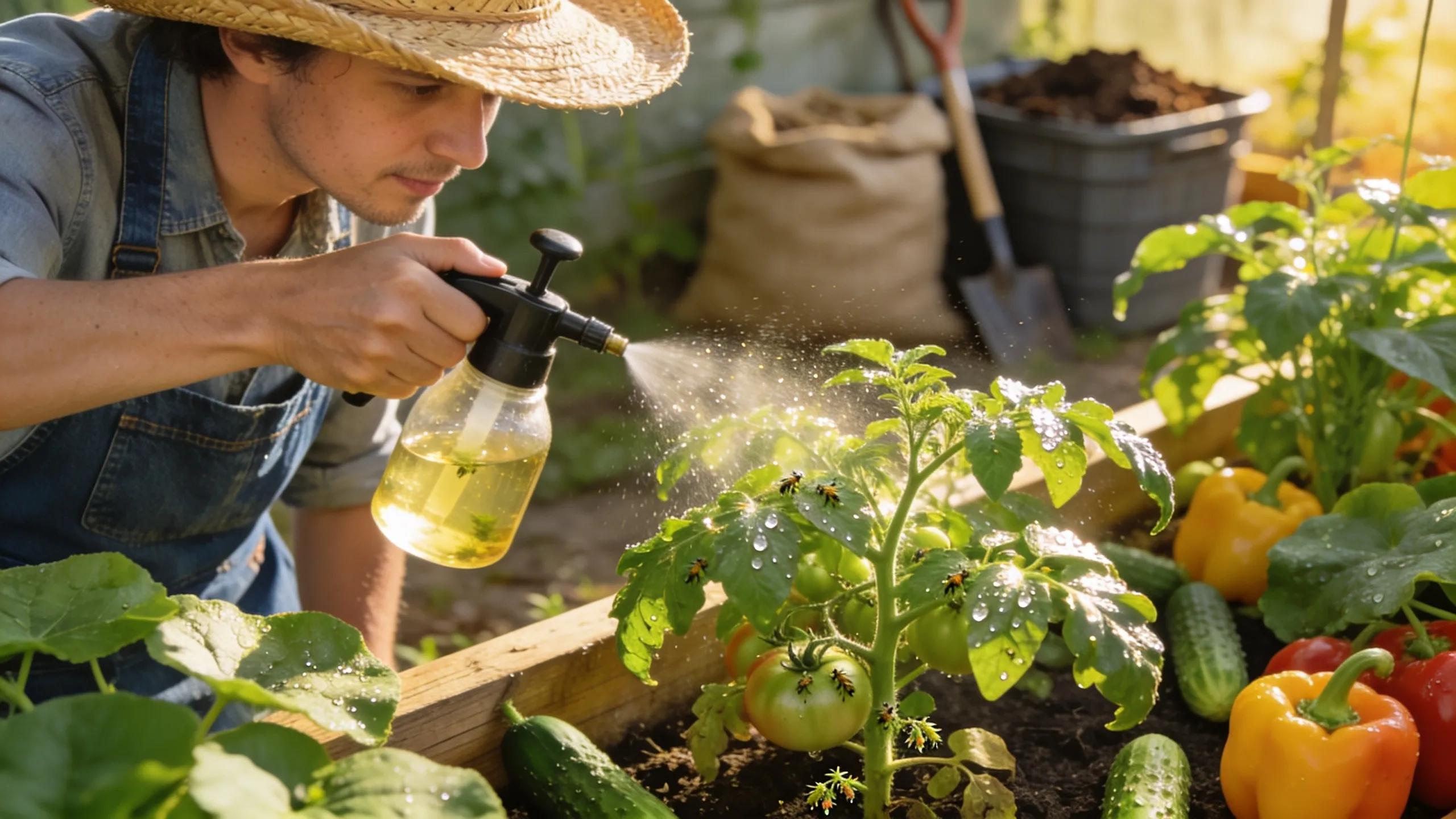
Employ neem oil, garlic sprays and other botanical repellents to deter pests while sparing beneficial insects. Encourage predators such as ladybugs and lacewings through diverse plantings. Physical measures like diatomaceous earth can control soft-bodied pests when applied correctly. These approaches help maintain a functional garden balance.
How Does Crop Rotation and Succession Planting Extend Your Harvest?
Both practices preserve soil fertility and spread harvest risk. Rotation interrupts pest and disease cycles and manages nutrient drawdown. Succession planting staggers planting dates so you replace crops as others are harvested, maintaining continuous production and efficient bed use.
What Is Crop Rotation and Why Is It Important for Soil Health?
Rotate plant families to avoid repeated nutrient depletion and to break pest life cycles. For example, follow heavy feeders like tomatoes with legumes to help restore nitrogen. Planned rotation supports long-term soil fertility and reduces the incidence of crop-specific diseases.
How to Plan Succession Planting for Continuous Vegetable Production?
Sow or transplant at intervals based on each crop’s maturity. Combine fast-maturing crops like radishes with slower ones such as carrots to optimise space and timing. Staggered planting ensures a steady flow of produce and reduces large peak harvests that can overwhelm processing and storage.
What Are the Benefits of Mulching and Pruning in Summer Vegetable Gardens?
Mulching and pruning improve microclimate and plant vigor. Mulch stabilises soil moisture and temperature while restraining weeds. Pruning removes non-productive growth, improves air movement and directs plant energy into fruiting structures, increasing marketable yield.
How Does Mulching Conserve Moisture and Suppress Weeds?
Apply organic mulches—straw, wood chips or grass clippings—to reduce evaporation and moderate soil temperature. Mulch suppresses weed growth, minimizing competition for nutrients and water. Maintain a 2–4 inch layer, avoiding direct contact with stems to prevent rot.
When and How Should You Prune to Maximize Yield?
Prune to remove dead or diseased tissue and to open the canopy for light and airflow. For many vegetables, prune during early growth or before flowering to direct resources to fruit development. Learn species-specific pruning needs to avoid reducing yield by over-pruning.
What Harvesting Tips Maximize Your Summer Vegetable Yield?
Harvesting at peak maturity preserves flavour and encourages continued production. Timely picking prevents overmaturity, reduces pest attraction and makes room for subsequent plantings. Adopt crop-specific indicators of readiness to harvest at optimum quality.
How to Determine the Optimal Harvest Time for Different Vegetables?
Assess each crop by size, colour and texture: leafy greens when leaves reach usable size, and root crops when roots have reached expected diameter. Look for firmness, colour development and crop-specific signs of ripeness to harvest for best flavour and storage life.
What Practices Help Extend the Harvest Season Effectively?
Use staggered sowings alongside row covers or cold frames to protect against early cool weather and lengthen production. These season-extending tactics delay frost damage and allow you to continue harvesting later into the year.
Frequently Asked Questions
What are the signs that my vegetable plants are stressed due to heat?
Heat stress shows as wilting, leaf bleaching or sunscald, slowed growth and smaller fruit. Provide consistent deep watering, shade during peak heat and mulching to reduce soil temperature. If symptoms persist, reassess irrigation and shading practices.
How can I attract beneficial insects to my vegetable garden?
Plant a range of flowering species such as marigolds, dill and coriander to supply nectar and pollen. Provide habitat features like undisturbed ground or insect hotels and avoid broad-spectrum pesticides. These measures support predators and pollinators that aid pest control and pollination.
What techniques can prolong the lifespan of summer vegetables?
Use crop rotation, interplanting and season extenders to reduce pest pressure and spread harvests. Monitor for disease and harvest promptly to avoid losses. Regular sanitation of tools and removal of diseased material also reduces pathogen spread.
Can I reuse garden soil for multiple planting seasons?
Reusing soil is feasible with proper management: replenish organic matter with compost, correct pH and test nutrient levels before replanting. Rotate crops to limit pathogen buildup and use cover crops when beds are fallow to restore structure and fertility.
How does temperature affect vegetable growth and yield?
Temperature governs growth rate, pollination and fruit set. Extremes can cause bolting, poor pollination or reduced yields—leafy greens, for example, tend to bolt in high heat. Use mulch to moderate soil temperature and select heat-tolerant varieties where appropriate.
What role does biodiversity play in a vegetable garden?
Biodiversity increases resilience by attracting beneficial organisms, improving soil biology and stabilising pollination. Diverse plantings reduce the risk of widespread loss to pests or disease and support a balanced ecosystem that sustains production.
How should I store vegetables after harvest to prolong freshness?
Store produce in cool, ventilated conditions suited to each crop: refrigerate leafy greens and certain roots, while tomatoes keep better at room temperature. Use breathable containers to limit moisture accumulation and wash produce just before use rather than before storage.
Conclusion
Sustaining a productive summer vegetable garden depends on sound irrigation, soil management, pest control and timely harvesting. Implementing targeted practices—such as root-zone irrigation, organic soil amendments and thoughtful crop sequencing—protects plant health and maintains steady yields. Apply these proven techniques to achieve reliable summer production and a more efficient, resilient garden.