
With winter behind us, spring is the time to restore your landscape and support plant health for the season ahead. A methodical spring yard cleanup reduces disease and pest risk, improves soil exposure to light and air, and establishes conditions for robust growth. This checklist addresses the practical steps Morris County homeowners should take to improve plant performance, appearance, and long‑term landscape resilience.
This guide outlines the essential tasks for spring cleanup: preparation, debris removal, weed management, pruning, and other site work. It also covers timing based on local climate and explains when professional landscaping input can add efficiency and horticultural accuracy. The information is intended to help both experienced gardeners and newcomers plan effective spring maintenance.
- Spring yard cleanup in Morris County is best scheduled between March and May for optimal plant health.
- Removing leaves and debris early allows sunlight to reach soil, promoting healthy garden growth.
- Effective weed control includes early identification, removal, and applying organic mulch to suppress growth.
- Pruning should be done before new growth to remove dead branches and encourage healthy development.
- Garden bed preparation involves edging, soil turning, and adding organic amendments to enrich soil quality.
- Applying eco-friendly pesticides ensures pest control while maintaining safety for pets and children.
- Mulching retains soil moisture, suppresses weeds, and improves soil fertility when using organic materials.
- Lawn care practices like reseeding bare patches and aeration enhance soil health and lawn appearance.
- Professional landscaping services offer tailored, eco-conscious cleanup and maintenance suited to Morris County conditions.
Spring Yard Cleanup Checklist for Morris County
A structured spring cleanup focuses on tasks that protect plant health and prepare beds and turf for the growing season. Use the checklist below to sequence work efficiently and avoid common timing errors.
- Preparation: Schedule your cleanup between March and May, gather necessary tools, and assess your yard for any winter damage.
- Leaf and Debris Removal: Clear away dead leaves, twigs, and other debris to allow sunlight to reach the soil.
- Weed Control: Identify and remove early spring weeds, and consider applying organic mulch to suppress future growth.
- Pruning and Trimming: Trim back overgrown shrubs and remove any dead branches to promote healthy growth.
- Garden Bed Preparation: Edge garden beds, turn the soil, and add organic amendments to enrich the soil.
- Pesticide Application: Apply eco-friendly pesticides as needed, ensuring safety for pets and children.
- Mulching: Apply mulch to retain moisture and choose organic options for added benefits.
- Lawn Care: Reseed bare patches and consider lawn aeration to improve soil health.
- Plant Care: Check for pests or disease and water new plants adequately.
- Final Cleanup: Dispose of all debris and ensure your yard is visually clean.
- Maintenance Tips: Schedule regular maintenance visits and monitor plant health throughout the season.
What Are the Key Tasks in a Spring Yard Cleanup for Morris County?
The primary tasks for a Morris County spring cleanup address debris, weeds, and turf condition. Prioritise leaf removal, early weed control, and targeted lawn work to reduce pest habitat and support new growth.
- Leaf and Debris Removal: Clearing dead leaves and twigs is crucial for allowing sunlight to reach the soil and promoting healthy plant growth.
- Weed Control: Early identification and removal of weeds can prevent them from taking over your garden.
- Lawn Care: Reseeding bare patches and aerating the lawn can significantly improve its health and appearance.
How to Effectively Remove Garden Debris and Prepare Your Yard

Effective debris removal follows a clear sequence: choose the right timing, assemble appropriate tools, and adopt a systematic technique to cover the entire site without disturbing soil structure or emerging growth.
- Timing: Begin your cleanup as soon as the weather permits, ideally in early spring.
- Tools Needed: Gather essential tools such as rakes, leaf blowers, and trash bags to facilitate the cleanup process.
- Technique: Start from one end of your yard and work systematically to ensure no area is overlooked.
Carrying out debris removal in this order helps expose soil to sunlight, reduces overwintering pest habitat, and prepares beds for planting or soil amendment.
What Are the Best Practices for Pruning and Lawn Care in Early Spring?
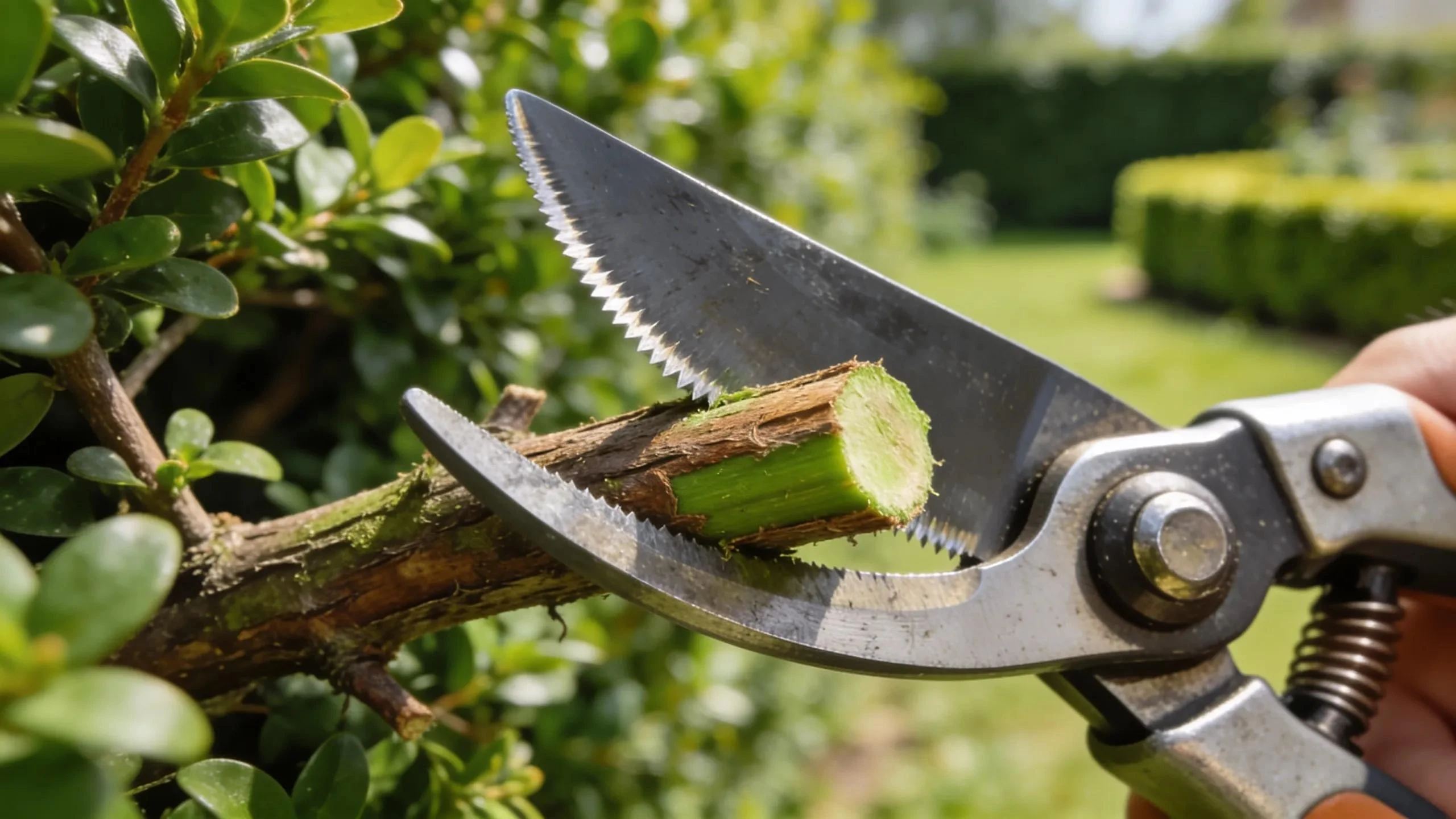
Pruning and lawn care in early spring should focus on removing dead material, shaping plants for airflow, and addressing lawn compaction before active growth accelerates.
- Cleanup Timing: Prune plants before new growth begins, typically in late winter or early spring.
- Selective Trimming Techniques: Focus on removing dead or damaged branches while shaping the plant for optimal growth.
Applying these practices supports plant vigor, improves light penetration, and helps the lawn recover more uniformly as temperatures rise.
Which Tools and Materials Are Essential for Spring Garden Maintenance?
Essential spring tools include quality rakes for debris, pruning shears for selective cutting, and organic mulch to conserve moisture and suppress weeds.
- Rakes: For leaf and debris removal.
- Pruning Shears: For trimming plants and shrubs.
- Mulch: To retain moisture and suppress weeds.
Equipping yourself with these items reduces labour time and improves the consistency of cleanup and ongoing maintenance.
When Is the Optimal Timing for Spring Yard Cleanup in Morris County?
For most Morris County properties, March through May is the appropriate window for spring cleanup. Monitor local frost dates and soil conditions to refine timing year by year and avoid working frozen or waterlogged ground.
How Do Local Climate and Soil Conditions Affect Cleanup Scheduling?
Local weather patterns and soil moisture directly affect when you can safely perform cleanup tasks. Late frosts or prolonged wet periods may require adjusting the schedule to protect plants and soil structure.
- Timing Adjustments: Be prepared to adjust your cleanup schedule based on recent weather patterns, such as late frosts or heavy rainfall.
- Soil Moisture Considerations: Ensure the soil is dry enough to work with, as overly wet conditions can hinder your efforts.
Taking these factors into account helps prevent compaction, protects root systems, and improves the effectiveness of planting and seeding operations.
What Are the Benefits of Early Spring Cleanup for Pest Control and Growth?
Early cleanup reduces shelter for pests and removes diseased or dead material that can harbour insects and pathogens. It also improves airflow and light exposure, which supports healthier, more resilient plants.
- Pest Control Advantages: Removing debris and dead plant material can reduce pest habitats and lower the risk of infestations.
- Promoting Plant Growth: A clean garden allows for better air circulation and sunlight exposure, which are essential for healthy plant development.
Prioritising early cleanup sets the garden up for stronger seasonal growth and lowers the need for reactive pest interventions later.
What Common Mistakes Should Homeowners Avoid During Spring Yard Cleanup?
Common errors include delaying cleanup until issues escalate and relying on harsh chemical treatments that can harm beneficial organisms and soil health.
- Waiting Too Long to Clean: Delaying cleanup can lead to more significant issues with pests and weeds.
- Using Harsh Chemicals: Opt for eco-friendly alternatives to protect your garden and the environment.
Avoid these mistakes to maintain a balanced garden ecosystem and reduce long‑term maintenance needs.
How Can Morris County Residents Benefit from Professional Landscaping Services?
Professional landscapers bring practical experience with local soils, pests, and plant responses, helping you prioritise work and apply appropriate treatments efficiently.
- Comprehensive Cleanup Services: Professionals can handle all aspects of yard cleanup, ensuring nothing is overlooked.
- Expert Guidance and Eco-Conscious Techniques: Experienced landscapers can provide tailored advice and use sustainable practices to enhance your garden.
Engaging a qualified provider can save time, improve horticultural outcomes, and ensure work is carried out with attention to local site conditions.
What Services Does Gebhard Horticulture and Design Offer for Spring Cleanup?
Gebhard Horticulture and Design provides spring cleanup services such as leaf and debris removal and garden bed preparation to ready sites for planting and seasonal care.
For more information, you can reach them at “(973) 985-2369”.
How Does Local Expertise Enhance Garden Care and Lawn Preparation?
Local expertise ensures recommendations reflect Morris County’s climate patterns and soil types. This leads to targeted plant choices, correct timing for interventions, and improved long‑term performance.
- Personalized Service Advantages: Tailored recommendations based on local knowledge can lead to better outcomes for your garden.
- Understanding of Local Flora: Knowledge of native plants and their care can enhance the overall health of your landscape.
Applying local knowledge reduces trial and error, optimises resource use, and improves the likelihood of successful seasonal outcomes.
On-site Reuse of Yard Waste for Sustainable Gardening
Plant litter and yard waste are produced mainly in spring and autumn during gardening and landscaping. If this organic material is not reused on-site as mulch, it often becomes municipal solid waste or enters urban compost streams, which requires transport and processing and increases the carbon footprint. Reusing plant litter as on-site mulch reduces waste generation and transport needs, improves soil water retention and fertility, and can lower irrigation and fertiliser requirements. Mulch also suppresses weeds, moderates soil temperature, and reduces erosion. These combined effects decrease the environmental footprint of residential gardening and municipal landscaping while improving soil function and plant health. On-site use of plant litter and yard waste as mulch in gardening and landscaping systems, 2020
Frequently Asked Questions
What specific plants benefit from mulching during the spring cleanup?
Organic mulch benefits many perennials and newly established plants by conserving soil moisture and insulating roots. Hostas, ferns, daylilies, and recently planted annuals and vegetables respond well to a 2–3 inch layer of wood chips or straw, which also gradually improves soil organic matter as it decomposes.
How can I prevent pests during the spring cleanup?
Prevent pests by removing leaf litter and dead plant material that can harbour insects, inspecting plants regularly, and using targeted, low‑toxicity products such as neem oil or insecticidal soap when needed. Encouraging beneficial insects like ladybugs can also help maintain pest populations at manageable levels.
What should I do if my soil is too wet to work with?
If soil is saturated, wait until it drains to avoid compaction and root damage. Use the downtime to service tools, map planting areas, or plan raised beds to improve drainage for future seasons.
Why is organic mulch preferred over synthetic options?
Organic mulches such as wood chips, straw, or leaf litter decompose and add nutrients to the soil while supporting microbial activity and improving structure. Synthetic mulches do not contribute organic matter and can impede long‑term soil health.
How can I assess the health of my garden plants during cleanup?
Assess plants by checking for new shoots, firm roots, uniform leaf colour, and signs of disease or pest damage. Inspect root systems where practical—healthy roots are firm and pale, while damaged roots are brown and soft—and address issues promptly to prevent spread.
What are eco-friendly alternatives to traditional pesticides?
Effective low‑impact alternatives include neem oil, diatomaceous earth, and insecticidal soaps. These options control many common pests while reducing harm to beneficial insects, pets, and children when applied according to label guidance.
Conclusion
Consistent, timely spring cleanup promotes plant health, reduces pest and disease pressure, and improves the appearance and function of your landscape. Following a Morris County‑focused checklist and applying practical horticultural methods will help you achieve reliable seasonal results. If you prefer professional assistance, consult qualified landscapers who understand local conditions to implement these tasks efficiently and responsibly.