
New Jersey winters present specific challenges for plant health. This guide outlines practical steps to protect gardens from cold, frost and snow so plants emerge healthy in spring. You will find clear explanations of climate factors, recommended protection materials and proven winterising practices, plus common mistakes to avoid and seasonal maintenance that supports plant survival.
- New Jersey’s winter climate challenges plant health through temperature fluctuations and snow impacts.
- Mulch, burlap, and frost cloth effectively protect plants by insulating roots and shielding from frost.
- Prune, water, and cover plants properly before the first freeze to enhance winter survival.
- Understanding USDA hardiness zones and microclimates guides appropriate plant selection and placement.
- Overwatering and improper covering can cause root rot and fungal diseases in winter.
- Seasonal watering schedules tailored to plant types support moisture needs during cold months.
- Regular plant inspections help identify damage or disease for timely winter care adjustments.
- Different plant types require specific protection methods, such as mulching perennials and wrapping shrubs.
- Expert services and local extension resources provide valuable guidance for effective winter plant protection.
What Are the Key NJ Winter Climate Factors Affecting Plant Health?
New Jersey winters bring temperature swings, variable precipitation and snow that together affect plant physiology and structure. Recognising these factors allows for targeted winter care that reduces stress and injury.
- Temperature Fluctuations: Sudden drops in temperature can stress plants, leading to frost damage.
- Precipitation Patterns: Variations in rainfall can affect soil moisture levels, impacting root health.
- Impacts of Snow Cover: While snow can insulate plants, heavy snow can also cause physical damage to branches and stems.
With these climate factors in mind, gardeners can prepare sites and choose protective measures that reduce winter losses.
Essential Winter Plant Protection Tips
Adopt a few focused practices to improve plant survival through winter: assess tree health, maintain appropriate mulch depth and confirm soil moisture levels before the ground freezes.
- Conduct Tree Health Assessments: Regularly check for signs of disease or damage to ensure trees are healthy before winter.
- Maintain Proper Mulch Depth: A layer of mulch can help insulate roots and retain soil moisture.
- Monitor Soil Moisture: Ensure that plants receive adequate water before the ground freezes, as dry soil can lead to root damage.
Gebhard Horticulture and Design provides professional winterisation services to help implement these measures effectively.
How Do Frost and Cold Temperatures Impact Different Plant Types?
Frost and prolonged low temperatures affect plant tissues, root systems and dormancy cycles differently across species; tailoring protection by type improves outcomes.
- Perennials: Many perennials can survive cold temperatures, but they may require additional protection, such as mulching, to insulate their roots.
- Shrubs: Some shrubs are more susceptible to frost damage, particularly those that are not native to the region. Wrapping them in burlap can provide necessary protection.
- Trees: Young trees are particularly vulnerable to cold stress. Proper wrapping and mulching can help shield them from harsh winter conditions.
Knowing species-specific responses to cold guides the selection of insulation, wrapping and site placement for winter protection.
What Role Do USDA Hardiness Zones and Microclimates Play in NJ Winter Gardening?
Hardiness zones and local microclimates determine which species are suited to a site and where to place them to reduce winter stress.
- Understanding Hardiness Zones: New Jersey falls within several hardiness zones, which indicate the types of plants that can thrive in specific areas. Knowing your zone helps in selecting appropriate plants for your garden.
- Identifying Microclimates: Microclimates can exist within your garden, influenced by factors such as sunlight, wind, and moisture. Recognizing these can help you place plants in optimal locations for winter survival.
- Choosing Appropriate Plants: Selecting plants that are well-suited to your specific hardiness zone and microclimate can significantly enhance their chances of surviving winter.
Knowing New Jersey’s hardiness zones helps you choose plants that tolerate local winter conditions; this point is reinforced by regional studies of street tree diversity.
Street Tree Diversity and Hardiness Zones in Northeastern US
This paper analyses municipal street tree inventories from New Jersey, New York and Pennsylvania using the 2012 USDA Plant Hardiness Zones. It reviews historical losses such as the American elm decline from Dutch elm disease and current threats to ashes and maples from pests, and reports a concentration of street trees among a relatively limited set of genera. Street tree diversity in three northeastern US states, 2012
Taking hardiness data and regional tree studies into account supports informed plant selection and placement decisions.
Which Winter Protection Materials Are Most Effective for NJ Gardens?
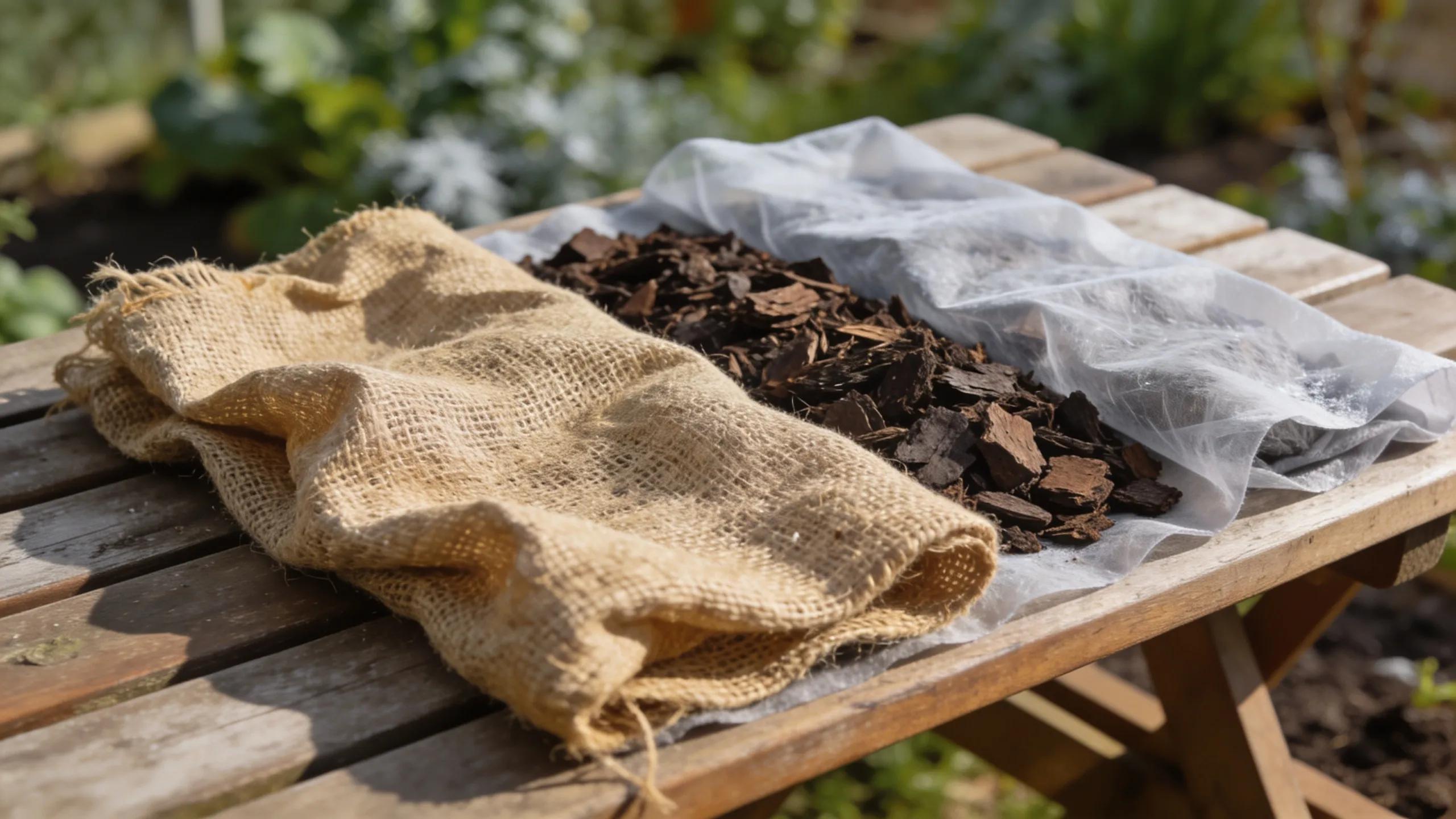
Select materials that insulate, breathe and shed excess moisture: organic mulch for root insulation, burlap for wind and frost protection, and frost cloth for breathable covers during cold snaps.
When used correctly, these materials form a defensive layer that reduces freeze-thaw damage and wind desiccation.
How Does Mulch Insulate Plant Roots During Cold Weather?
Mulch moderates soil temperature and conserves moisture, which stabilises root environments and limits freeze-thaw stress.
- Types of Mulch: Organic mulches, such as wood chips or straw, not only insulate but also improve soil health as they decompose.
- Layer Thickness: A thickness of 2-4 inches is recommended to effectively retain heat and moisture.
- Impact on Root Temperature: By maintaining a stable root temperature, mulch helps prevent freeze-thaw cycles that can damage roots.
Applied at the correct depth and kept clear of stems, mulch improves plant resilience over the winter.
What Are the Benefits of Using Burlap, Frost Cloth, and Other Coverings?
Covers protect foliage and shoot tissues from frost, reduce wind-driven moisture loss and help retain soil moisture near the root zone.
- Protection from Frost: These materials can shield plants from frost damage, particularly during unexpected cold snaps.
- Moisture Retention: Coverings help retain moisture, preventing plants from drying out in cold winds.
- Wind Protection: They can also act as a barrier against harsh winds, which can desiccate plant tissues.
Use breathable fabrics and secure installations to balance protection with ventilation and reduce disease risk.
What Are the Step-by-Step Best Practices for Winterizing Outdoor Plants in NJ?
Winterise plants by timing pruning and watering appropriately, applying mulch at recommended depths and installing covers on vulnerable specimens before severe cold arrives.
- Timing for Pruning: Prune trees and shrubs before the first hard freeze to promote healthy growth in spring.
- Watering Practices: Water plants thoroughly before the ground freezes to ensure they have adequate moisture.
- Covering Plants: Use burlap or frost cloth to cover sensitive plants, ensuring they are well-protected from the elements.
These steps reduce winter stress and position plants for a strong recovery in spring.
When and How Should You Prune, Water, and Cover Plants for Winter?
Schedule pruning in late fall after leaf drop, water deeply a few days before expected freezes, and apply breathable covers that allow some air movement while shielding tissues from frost.
- Pruning Timing: Late fall is the ideal time to prune most trees and shrubs, as it encourages new growth in spring.
- Watering Before Freeze: Ensure plants are well-watered a few days before the first expected freeze to help them withstand cold temperatures.
- Covering Methods: Use breathable materials like burlap to cover plants, allowing air circulation while protecting them from frost.
Following these methods limits damage and supports plant health over winter.
How to Balance Protection Methods to Avoid Common Mistakes Like Overwatering or Improper Covering?
Balance involves checking soil moisture before watering, choosing breathable covers and inspecting installations regularly to prevent trapped moisture or excess wetness.
- Overwatering Risks: Excess moisture can lead to root rot, especially when combined with freezing temperatures. Monitor soil moisture levels carefully.
- Improper Covering Issues: Using non-breathable materials can trap moisture and lead to fungal diseases. Always choose breathable fabrics for covering.
- Best Practices: Regularly check covered plants for signs of moisture buildup and adjust coverings as necessary.
Routine checks and conservative watering reduce the likelihood of winter-related root and fungal problems.
How Can Seasonal Watering and Maintenance Support Plant Survival in NJ Winters?
Appropriate watering and maintenance maintain tissue hydration, support root health and reduce winter stress when scheduled around temperature and precipitation patterns.
- Watering Schedule: Establish a watering schedule that accounts for rainfall and temperature fluctuations.
- Moisture Needs: Different plants have varying moisture requirements; understanding these can help you tailor your watering practices.
- Impact on Plant Health: Adequate moisture during winter can prevent stress and promote healthier growth in spring.
A consistent, monitored watering plan helps plants retain resilience without creating conditions for rot.
What Is the Recommended Watering Schedule for Perennials, Shrubs, and Trees?
Adjust frequency by plant type and weather: deep, infrequent watering supports roots while avoiding surface saturation that encourages disease.
- Perennials: Water deeply once a month during dry spells to maintain moisture levels.
- Shrubs: Ensure shrubs receive water every 2-3 weeks, especially if there is little precipitation.
- Trees: Young trees may require watering every 3-4 weeks to establish strong root systems.
Follow these schedules and modify based on actual soil moisture and weather conditions.
How Does Mulch Depth Adjustment Affect Winter Plant Care?
Maintaining a 2-4 inch mulch layer stabilises soil temperature and conserves moisture, while avoiding contact with stems prevents rot and pest issues.
- Optimal Mulch Depth: A depth of 2-4 inches is ideal for insulation and moisture retention.
- Effects on Soil Temperature: Proper mulch depth helps maintain a stable soil temperature, protecting roots from extreme cold.
- Moisture Retention: Adequate mulch depth prevents moisture loss, ensuring plants have the resources they need to survive.
Inspect mulch periodically and replenish or thin as conditions require to maintain effective protection.
What Are Common Mistakes in Winter Plant Care and How to Avoid Them?
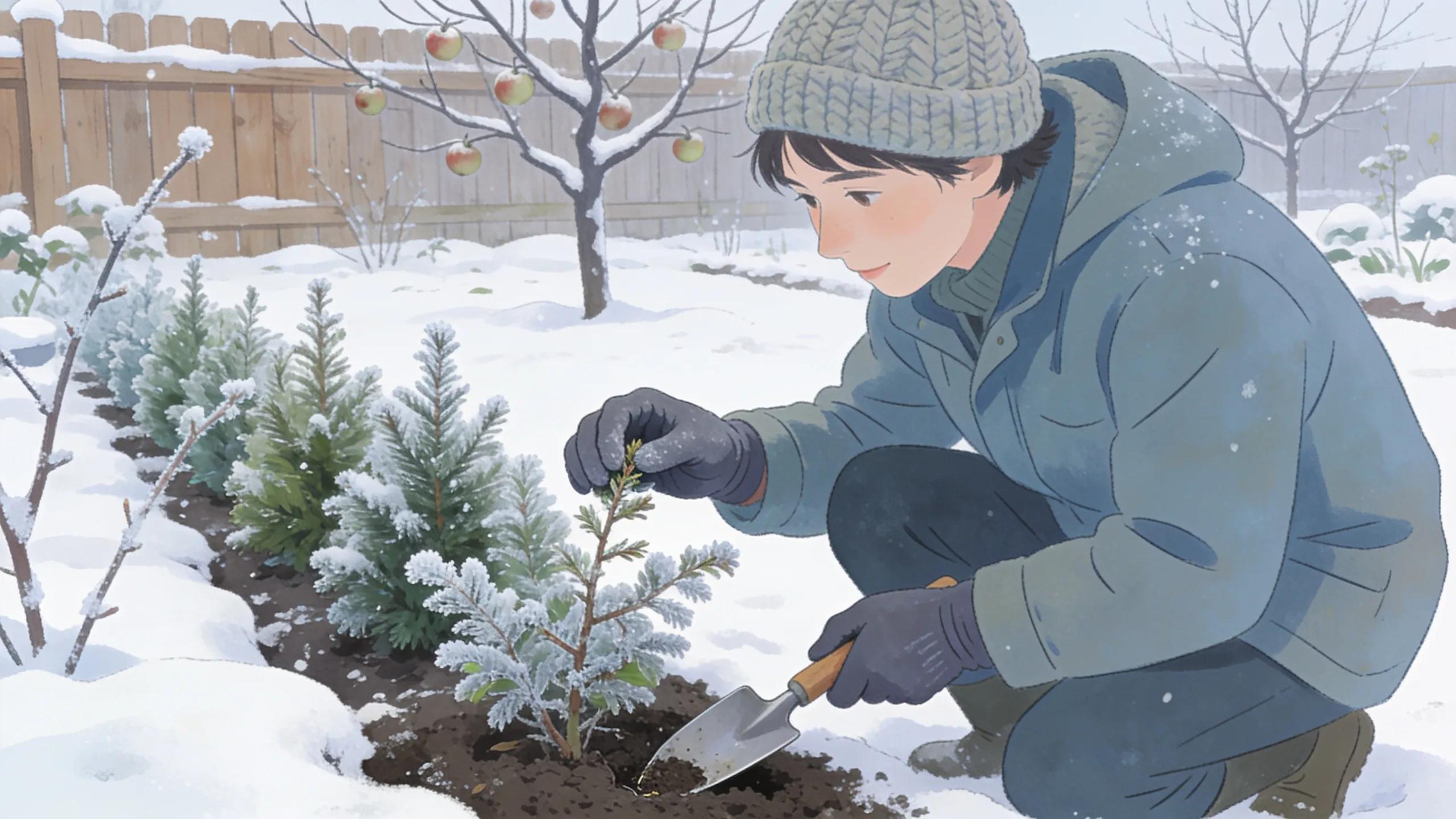
Common errors include skipping inspections, misreading soil moisture and applying incorrect mulch depths; these issues increase the risk of winter damage and disease.
- Neglecting Inspections: Regularly inspect plants for signs of damage or disease to address issues promptly.
- Ignoring Soil Moisture: Failing to monitor soil moisture can lead to either overwatering or drought stress.
- Improper Mulching: Using too little or too much mulch can negatively affect plant health.
Address these points with scheduled checks and simple adjustments to protect plant health through winter.
Why Is Overwatering Harmful During Cold Weather?
Excess water in cold soil reduces oxygen availability to roots and increases the risk of root rot; symptoms include yellowing foliage and wilting even in cool conditions.
- Root Rot Risks: Excess moisture can cause roots to rot, especially when temperatures drop.
- Signs of Overwatering: Yellowing leaves and wilting can indicate overwatering, necessitating immediate action.
- Best Practices: Always check soil moisture before watering, especially in winter.
Check soil moisture at root depth before irrigating and favour deep, infrequent watering when needed.
How Can Improper Covering Lead to Plant Damage?
Covers that do not breathe or that sit directly on foliage can trap moisture, encourage fungal growth and fail to prevent wind damage; inadequate coverage leaves plants exposed to frost.
- Using Inappropriate Materials: Non-breathable materials can trap moisture, leading to fungal growth.
- Insufficient Coverage: Failing to cover plants adequately can expose them to frost damage.
- Ignoring Wind Protection: Wind can desiccate plants; ensure coverings provide adequate protection from harsh winds.
Select breathable fabrics, secure them against wind and provide internal supports so covers do not contact plant tissues.
Where Can NJ Homeowners Find Expert Winter Plant Protection Services and Advice?
Homeowners can engage professional horticultural services for assessments, seasonal cleanups and targeted winterisation tasks to protect landscape assets.
- Services Offered by Gebhard Horticulture: Gebhard Horticulture and Design provides comprehensive winterization services, including tree health assessments and seasonal cleanups.
- Contact Information: For inquiries, you can reach Gebhard Horticulture at (973) 985-2369 or via email at rbgebhard@optonline.net.
- Importance of Expert Advice: Consulting with professionals can provide tailored strategies for your specific garden needs.
Professional guidance can clarify priorities for protection and ensure work is executed with horticultural best practice in mind.
What Winter Plant Protection Services Does Gebhard Horticulture and Design Offer?
Gebhard Horticulture and Design provides tree health evaluations, targeted pesticide treatments where appropriate and seasonal cleanups to prepare gardens for winter.
- Tree Health Assessments: Comprehensive evaluations to ensure trees are healthy before winter.
- Pesticide Application: Targeted treatments to protect plants from pests during the winter months.
- Seasonal Cleanups: Removal of debris and preparation of gardens for winter.
These services support the health and preparedness of gardens through the colder months.
How Do Local Extension Services and Recent NJ Climate Data Inform Best Practices?
Local extension services and regional climate records supply practical guidance on plant selection, pest risks and timing for maintenance tasks based on observed local conditions.
- Resources from Local Extension Services: These organizations provide valuable information on plant care and local climate conditions.
- Impact of Climate Data: Recent climate data can help gardeners understand changing weather patterns and adjust their practices accordingly.
- Best Practices for NJ Winters: Utilizing these resources can enhance your winter gardening strategies, ensuring your plants remain healthy.
Use local expertise and data to refine your winter care plan and respond to seasonal variations effectively.
Frequently Asked Questions
What types of winter damage should I look for in my plants?
Inspect plants for wilted or collapsed leaves, broken limbs and discoloration. Frost often blackens leaf tips or causes a mushy texture; pest activity and root issues from excess moisture can also appear in winter. Regular checks let you address problems before spring.
What are the best practices for using mulch in winter?
Use organic mulches like wood chips or straw at 2-4 inches depth, kept several inches from stems to prevent rot. Replenish where compaction occurs and avoid piling mulch against trunks or crowns to limit pest and moisture problems.
Can I use plastic coverings for my plants during winter?
Plastic can trap moisture and create conditions for fungal disease. Prefer burlap or frost cloth that allow air flow while reducing frost exposure, and secure covers so they remain in place during wind events.
How does snow cover impact my garden?
Snow can insulate soil and moderate temperature swings, which benefits roots, but heavy accumulations can break branches. Gently remove excess snow from vulnerable plants while leaving enough to retain insulating value.
What is the role of seasonal watering in winter plant care?
Watering before freezes maintains cell hydration and reduces stress; adjust frequency by species and weather. Avoid excess watering in cold conditions—check soil moisture at depth before irrigating.
Are there specific indicators of plant stress during winter months?
Signs of stress include slowed growth, yellowing or wilting foliage and reduced vigour. Watch for unusual fungal growth or pests and respond early with cultural adjustments such as altered watering or improved protection.
How can I enhance the effectiveness of protective coverings?
Choose breathable materials, secure edges against wind and use internal supports so covers do not contact plants. Inspect covers regularly and replace or dry them if they become saturated to limit condensation and disease risk.
Conclusion
Effective winter care—proper mulching, measured watering and breathable coverings—reduces risk and helps plants emerge healthy in spring. For site-specific recommendations and hands-on assistance, contact Gebhard Horticulture for professional winter strategies and support.