
Healthy soil is the foundation of successful planting and sustained plant growth. Garden soils that lack nutrients, drain poorly, or are compacted will limit root development and reduce yields. This article presents practical, proven techniques—soil testing, organic amendments, drainage improvements, and season-specific steps for Morris County—to prepare soil effectively before planting. Addressing these areas will convert marginal soil into a reliable growing medium for your plants.
- Testing garden soil pH and nutrient levels identifies deficiencies for targeted soil amendments.
- Compost improves soil fertility, structure, and moisture retention when mixed into the topsoil.
- Cover crops and mulch enhance soil structure, prevent erosion, and add organic matter over time.
- Improving soil drainage with organic matter and raised beds prevents waterlogging and root diseases.
- Core aeration increases soil aeration, promoting root growth and better nutrient absorption.
- Adjusting soil pH with lime or sulfur optimizes nutrient availability for healthy plant development.
- Compacted soils benefit from organic matter, aeration, and gypsum to improve drainage and root penetration.
- Seasonal timing of amendments, like fall compost application, maximizes soil improvement before planting.
- Tailoring soil preparation to local climate conditions enhances garden success in Morris County.
What Are the Key Steps to Test and Diagnose Poor Garden Soil?
Testing and diagnosing soil quality is the logical first step. Measure pH, key nutrients and assess soil texture and structure to identify the limiting factors. A clear diagnosis directs targeted interventions and reduces unnecessary inputs, ensuring amendments address the real problems.
How to Conduct Soil Testing for pH and Nutrient Levels
Gather a soil test kit, a trowel and clean containers. Collect samples from several locations and depths to represent the planting area, mix them, and follow the kit instructions or submit samples to a laboratory. The resulting pH and nutrient data will guide precise amendment choices.
Interpreting Soil Test Results to Identify Deficiencies
Read results for pH and primary nutrients—nitrogen, phosphorus and potassium—along with secondary elements if available. For many garden plants, a pH between 6.0 and 7.0 promotes nutrient availability. Use the test to select specific fertilizers or organic amendments that correct measured deficiencies rather than guessing.
Which Organic Amendments Best Enhance Garden Soil Quality?
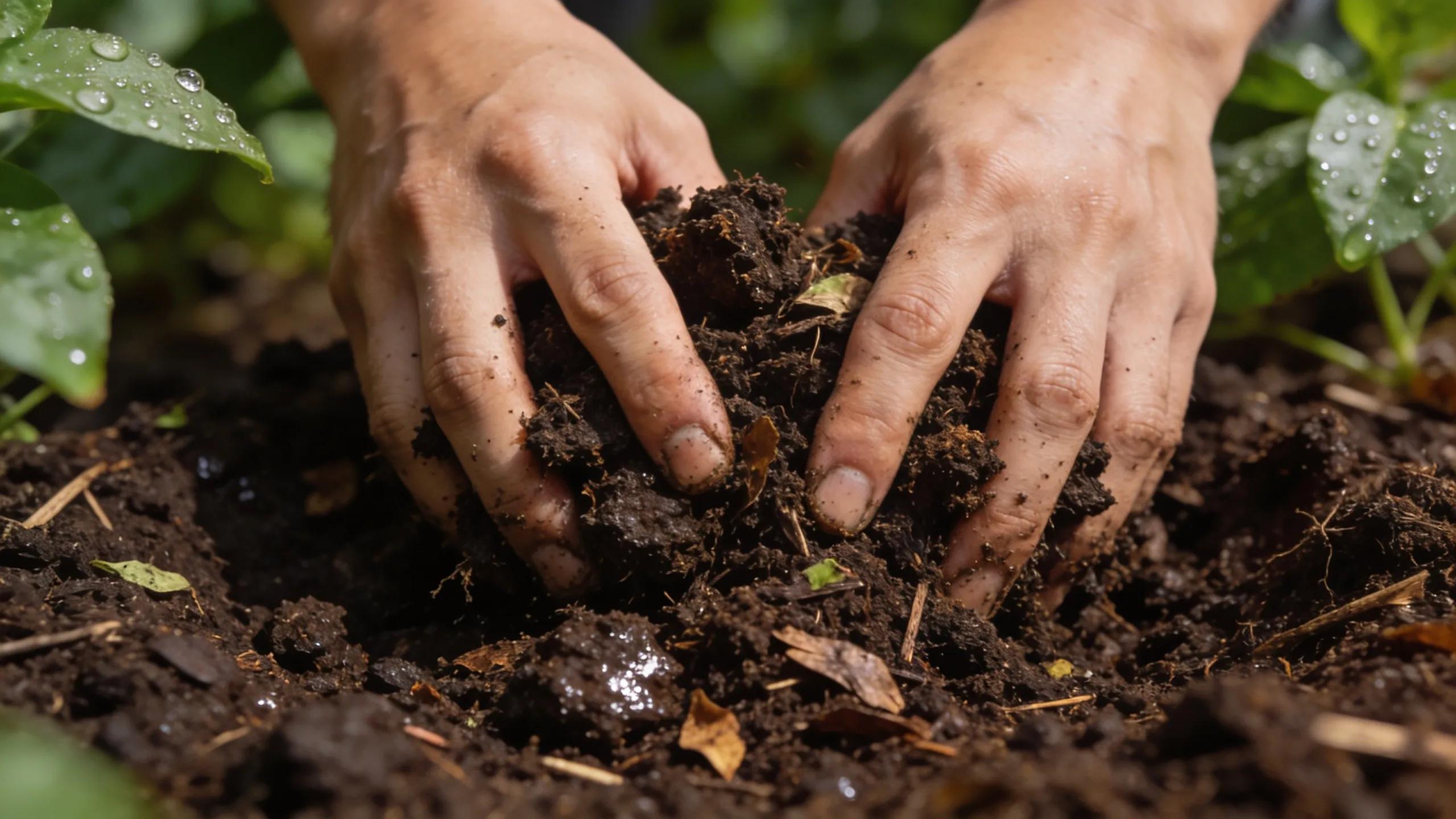
Organic amendments improve soil structure, nutrient supply and microbial activity. Regular inputs of organic matter increase water-holding capacity in sandy soils and improve drainage and aggregation in clay soils. Selecting the right amendment depends on your soil test and target crops.
Benefits and Application Methods of Compost and Organic Matter
Compost is a versatile amendment: it supplies nutrients, enhances structure and supports beneficial soil organisms. Apply 1–2 inches of compost to the surface and mix into the top several inches of soil before planting. This improves nutrient release and moisture retention, helping plants establish quickly.
Using Cover Crops and Mulch to Improve Soil Structure
Cover crops such as clover or rye sown in the off-season build organic matter and reduce erosion; when tilled in they release nutrients and improve tilth. Applying mulch around established plants conserves moisture, suppresses weeds and contributes organic matter as it decomposes, supporting a healthier soil ecosystem.
How Can Soil Drainage and Aeration Be Improved Before Planting?
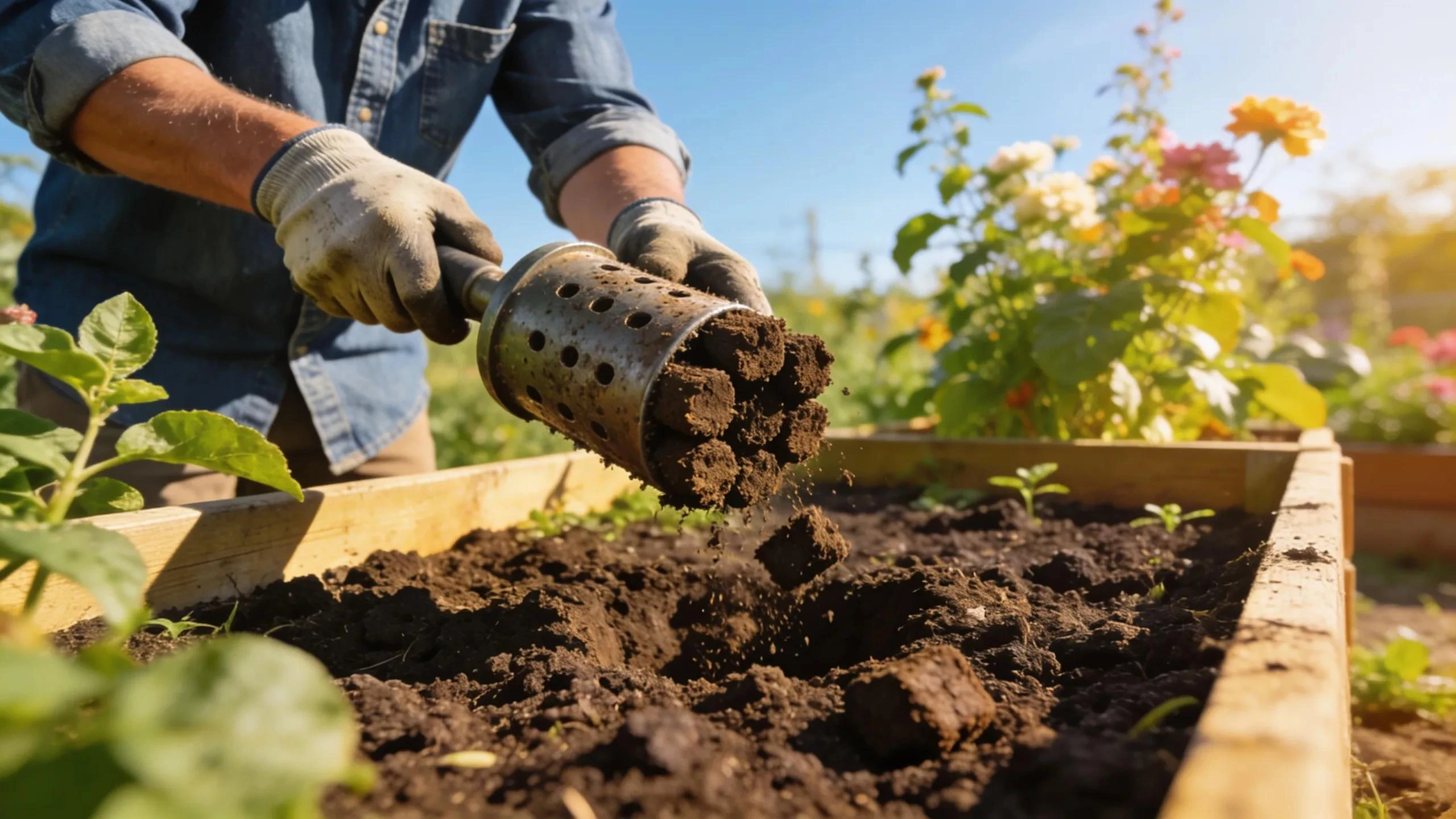
Adequate drainage and aeration are essential for root respiration and nutrient uptake. Waterlogged or compacted soils restrict oxygen to roots and increase disease risk. Apply targeted measures to restore porosity and flow before planting to protect young roots and improve establishment.
Techniques to Enhance Soil Drainage for Healthier Roots
Improve drainage by incorporating compost or well-decomposed organic matter to change pore structure and promote percolation. Constructing raised beds raises the root zone above poorly drained ground. Adjusting surface contours and installing simple drainage channels can also improve water movement in problem areas.
Methods for Effective Soil Aeration and Its Impact on Plant Growth
Aeration allows oxygen to reach roots and supports beneficial microbes. Core aeration removes small plugs of soil, reducing compaction and improving infiltration and root penetration. Regular aeration of compacted zones supports stronger root systems and more efficient nutrient uptake.
What Are Common Soil Problems and How Can They Be Corrected?
Common soil issues include pH imbalance, compaction and poor drainage; each requires a different corrective action. Identifying the precise issue through observation and testing enables you to select remedies that restore soil function and support healthy plant growth.
Addressing Soil pH Imbalances for Optimal Nutrient Availability
Soil pH directly affects nutrient availability. If tests show pH outside the optimal range, adjust with lime to raise pH or sulfur to lower it, following recommended rates. Routine monitoring and small, measured adjustments maintain conditions suitable for the plants you intend to grow.
Solutions for Compacted or Poorly Drained Soils
To relieve compaction, incorporate organic matter and use mechanical aeration where appropriate. Gypsum can improve structure in some clay soils, enhancing drainage and root penetration. These measures, combined with ongoing organic inputs, reduce compaction over time and improve root performance.
What Seasonal Tips Support Successful Garden Soil Preparation?
Seasonal timing influences how well amendments perform. Plan applications so organic matter and other treatments have time to integrate into the soil before planting. Seasonal practices vary by region and should align with local climate patterns.
Timing Organic Amendments for Maximum Soil Benefit
Apply compost in the fall when possible so it can decompose over winter and enrich the soil by spring. Spring applications can supply nutrients as plants begin active growth. Align amendment timing with cropping schedules to ensure nutrients are available when plants need them.
Preparing Soil in Different Seasons for Morris County Gardens
In Morris County, spring is suitable for soil testing and incorporating organic matter ahead of planting. In fall, establish cover crops to protect soil structure and add organic matter when they are turned under. Tailor seasonal activities to local temperature and rainfall patterns for best results.
This table summarizes the benefits and application methods of common organic amendments and their role in improving garden soil quality.
Improving poor garden soil requires testing, targeted amendments and appropriate preparation prior to planting. Applying these techniques will create a more fertile environment that supports healthy plant growth and more consistent results. For tailored assistance with soil testing and amendment selection, contact local gardening or landscaping professionals who can assess conditions and recommend site-specific actions.
Frequently Asked Questions
What are the signs of poor garden soil?
Poor soil shows itself through plant symptoms and physical characteristics. Look for stunted or slow growth, yellowing leaves and plants that struggle to establish. Hard, compacted zones that resist tilling, persistent waterlogging, or very sandy patches that dry out rapidly are clear indicators of soil problems.
How often should I test my garden soil?
Test garden soil every two to three years as a baseline, and test more often if you notice declining plant performance or are correcting specific problems. Regular testing tracks pH and nutrient trends and helps you apply amendments with precision.
Can I amend soil with kitchen scraps?
Kitchen scraps can enrich soil when composted correctly. Vegetable peelings, eggshells and coffee grounds are suitable for composting; avoid meat and dairy to prevent pests. Allow compost to mature for several months so nutrients stabilise before incorporation.
What cover crops are best for improving soil health?
Clover and vetch are legumes that fix nitrogen and improve fertility, while rye prevents erosion, suppresses weeds and contributes significant organic matter when turned under. Choosing a cover crop depends on your soil goals and the season available for growth.
How can I tell if my soil has improved?
Monitor plant vigour and conduct periodic soil tests to verify changes in pH and nutrient levels. Improved drainage, better moisture retention and a darker, crumbly soil texture are practical signs that amendments have been effective.
Are there any organic fertilizers that work well for improving soil?
Several organic fertilizers support soil quality: well-rotted manure, bone meal, fish emulsion and seaweed extracts each supply nutrients and encourage microbial activity. Follow recommended application rates to avoid over-fertilisation and to protect soil health.
Conclusion
Improving poor garden soil is essential to establish a productive and resilient garden. Through testing, targeted amendments and attention to drainage and timing, you can build soil that consistently supports healthy plants. For site-specific guidance on soil testing and amendment strategies, consult local specialists who can recommend practical, evidence-based actions.