- (973) 985-2369
- rbgebhard@optonline.net
- Mon - Fri: 9:00 AM - 5:00 PM/ Closed on weekends

Landscaping & Garden Care in Rockaway, NJ
I’m Russel Gebhard — sole operator, and the person who both quotes your job and does it. Since 1987 I’ve looked after gardens across Morris County, including the lake communities, wooded northern sections and Route 80 developments that make up Rockaway.
Morris County since 1987
Nearly four decades caring for gardens in this county.
One gardener, start to finish
Russel is the sole operator and handles every detail himself.
Licensed pesticide application
Eco-friendly treatment, applied in person.
Free estimates
Call (973) 985-2369 or send the form. No cost, no obligation.
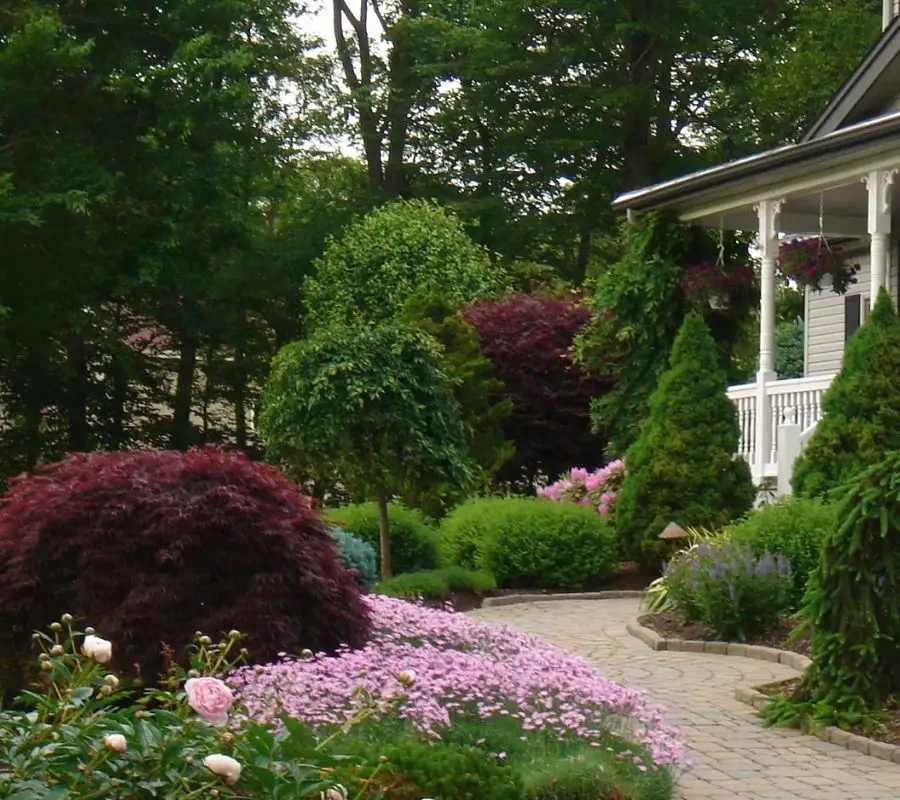
What shapes a Rockaway garden
Rockaway Township covers 45.3 square miles and runs 11.6 miles north to south, which makes it one of the largest municipalities in Morris County and easily the most varied. The northern end around Green Pond, Marcella and Hibernia is sparse and wooded, with hills rising past 1,000 feet. The southern end along Interstate 80 holds the denser developments — Birchwood, Fleetwood, Mount Pleasant, Stony Brook. Between them sit the lake communities, White Meadow Lake among them at roughly 750 feet of elevation with close to 8,700 residents.
That range matters more than it sounds. Rockaway is one of the Morris County towns I work across, and a garden at Green Pond and a garden off Route 80 sit in the same township without sharing the same frost timing, wind exposure or tree shade. Planting the same plan in both is how half of it fails in year two.
So the first visit is a walk around the property rather than a quote over the phone. What grows well on a shaded northern lot near Splitrock Reservoir is not what holds up on an open southern one catching full afternoon sun, and the gap between those two conditions inside one township is wider than most homeowners expect.
- Residential and select commercial properties
- One-time visits or ongoing garden maintenance
- Eco-minded practice and thoughtful plant selection
- Monday to Friday, 9:00am to 5:00pm
A short drive from Mount Arlington
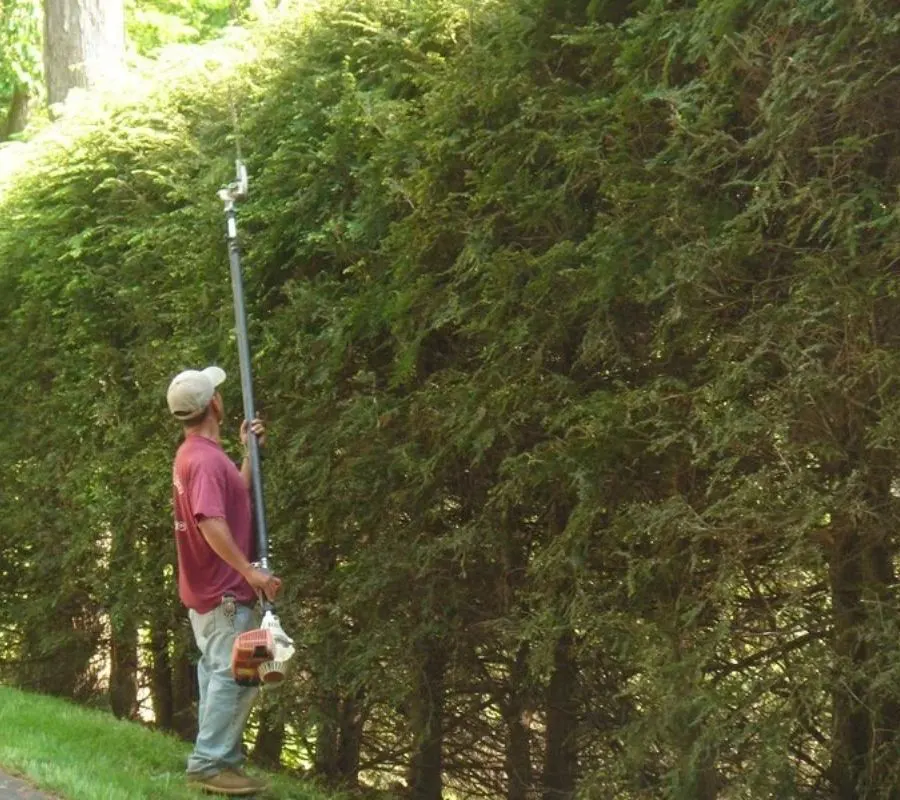
The business is based at 109 Ondish Ct in Mount Arlington, so every part of Rockaway Township is close by — from Green Pond and Marcella in the north down to Birchwood and Stony Brook along Route 80. Tell me the road and I’ll know which municipality you are in and which tree rules apply.
Two Rockaways, two sets of tree removal rules
The most common source of confusion for Rockaway homeowners planning garden work is that there are two Rockaways. Rockaway Township and the Borough of Rockaway are separate municipalities with separate governments and separate rules about trees. Which one your property sits in changes what you can cut, what you must replace it with, and whether you need a permit before anyone starts.
Tree removal permits in Rockaway Township
Rockaway Township runs a Shade Tree Commission of five members appointed by the Mayor, each serving a five-year term. Its ordinance requires a permit for the planting, cutting or removal of shade trees, issued after the Commission reviews and certifies the application in writing. The Commission also advises the Mayor, Council, Planning Board and Board of Adjustment. If a job involves clearing overgrowth or removing shrubs in Rockaway near a protected tree, that permit is a step to plan around rather than discover partway through.
Native replacement trees in Rockaway Borough
The Borough of Rockaway regulates tree removal and replacement under its own tree conservation article, written to reduce soil erosion, limit pollutant runoff and keep rainwater infiltrating the soil. Its replacement standard is specific: a balled deciduous shade tree or conifer of 2.5-inch caliper measured 4.5 feet above the base of the trunk, of a species that is native and long lasting. The Borough keeps a list of recommended replacement trees on file. Worth knowing before a removal, not after.
Why your Rockaway mailing address misleads contractors
Rockaway Township addresses frequently do not match where a property physically sits. White Meadow Lake carries a Rockaway 07866 address. Birchwood mails to Dover 07801, Mount Hope to Wharton 07885, Green Pond to Newfoundland 07435, and Hibernia has its own post office at 07842. Quoting off an address alone is how contractors get the municipality wrong, and the tree rules with it. Tell me the road and I will know which set applies.
Garden and landscaping services in Rockaway, NJ
Eight services, all carried out personally. Most Rockaway properties start with one job and move to regular visits once the beds are back under control — the same way the work runs over in Morristown.
Planting plans for Rockaway properties
Planting plans built around the actual light and soil on your lot, which in Rockaway differs sharply between a wooded northern property and an open one near Route 80. I lean on native plants suited to New Jersey conditions where they fit — partly because the Borough’s own replacement list points the same way.
Mulching and weeding on sloped Rockaway lots
Mulch holds moisture through a dry August, moderates soil temperature and suppresses weeds before they seed. On the sloped properties common in the township’s northern sections it also does real work slowing runoff — the same erosion concern the Borough’s tree ordinance was written around.
Shrub trimming for lakeside gardens
Trimming timed and cut to encourage healthy growth rather than just reduce size. Lakeside properties around White Meadow Lake and Green Pond carry heavier shrub growth from the added moisture, and do better with a lighter, more frequent hand than one annual hard cut.
Clearing overgrowth at the woodland edge
Careful clearing of overgrowth, invasives and shrubs that have outgrown their spot. On properties bordering the township’s wooded and protected land, the edge is where overgrowth advances first, and it is far easier to hold that line yearly than to reclaim it once.
Seasonal cleanups timed to your elevation
Spring clears winter debris, cuts back perennials and opens beds before growth starts. Fall is the one that decides how next spring goes. At the township’s higher elevations the fall window closes earlier than it does down by the highway, so timing gets set by where you actually are.
Licensed treatment near the Rockaway River watershed
Licensed treatment applied in person and targeted at the specific problem, not sprayed across a property as routine. Near the Rockaway River watershed and the township’s lakes, restraint about what goes down and where is not just good practice, it is the neighbourly thing to do.
Seasonal garden care across Rockaway Township
Timing matters as much as technique, and in a township spanning 45 square miles and several hundred feet of elevation, the calendar shifts with where you are. This is roughly how the year runs.
Spring, later up at Green Pond
Cleanup first: a spring cleanup in Rockaway takes winter debris off, cuts perennials back and opens the beds up. Then planting, once the ground has actually warmed — which at Green Pond or Marcella happens later than in Birchwood. Spring is also when winter damage shows itself on shrubs, and when it is easiest to correct.
Summer, sun in the south, shade in the north
The holding season. Weeding before anything sets seed, mulch topped up ahead of the dry stretch, shrubs shaped while they are actively growing. Watering matters most on the open southern properties near Route 80; the shaded northern lots hold moisture far longer and are easier to overwater than to underwater.
Fall closes early at 750 feet
Fall does more for a Rockaway garden than any other season, and it is the one most often left out. Beds cleared, perennials divided, and new planting put in, and a final cleanup before the ground closes. Anything planted now roots through a mild autumn and starts spring already established. At the township’s higher elevations that window shuts earlier, so booking beats waiting.
Winter, and permit season
Quiet, but not empty. Dormant pruning on the species that want it, structural work on beds, and planning for spring. It is also the right time to think through tree work, since a Township permit application is not something to start the week you want the job done.
Book a free estimate in Rockaway
Free estimate, no obligation, and you’ll be talking to the person who does the work.
Frequently asked questions
It depends which Rockaway you are in. Rockaway Township requires a permit from its Shade Tree Commission for planting, cutting or removing shade trees, issued after the Commission reviews and certifies the application in writing. The Borough of Rockaway regulates removal and replacement under its own tree conservation article. Confirm which municipality your property sits in before booking any tree work — mailing addresses in the township often do not match it.
The Borough of Rockaway’s standard is a balled deciduous shade tree or conifer of 2.5-inch caliper, measured 4.5 feet above the base of the trunk, of a species that is native and long lasting. The Borough keeps a list of recommended replacement trees on file.
Yes. Rockaway Township runs 11.6 miles north to south and I work across it, from the lake communities and the northern sections around Green Pond, Marcella and Hibernia down to Birchwood, Fleetwood and Stony Brook in the south. The northern properties simply need scheduling a little differently because the season starts later up there.
Russel Gebhard, personally. He is the owner and sole operator and handles every detail himself, from planning through to execution. There are no subcontractors and no rotating crews — the person who walks the property with you and gives you the estimate is the person who does the planting.
Both. Residential and select commercial properties, either as a single visit — a spring or fall cleanup, a bed redesign, an overgrowth clearance — or as ongoing garden maintenance through the season. Most clients start with one job.
Earlier than most people book it, and earlier still at the township’s higher elevations. Fall is the season that decides how the following spring goes: beds cleared, perennials divided, bulbs in, and the last cleanup done before the ground closes. Waiting until late in the season at Green Pond or Marcella often means missing the window entirely.
Conditions vary considerably. The northern sections sit in wooded valleys with hills rising past 1,000 feet, the lake communities sit around 750 feet with more moisture, and the southern developments along Route 80 are more open and drain differently. That is why I walk a property before quoting rather than pricing from a description.
Call (973) 985-2369 or fill in the contact form. Estimates are free and there is no obligation to book. Most jobs can be scoped from a short conversation and a walk around the property.
Services in Rockaway
Contact Gebhard Horticulture & Design
109 Ondish Ct, Mount Arlington, NJ 07856
Phone: (973) 985-2369
Email: rbgebhard@optonline.net
Hours:
Monday to Friday, 9:00am to 5:00pm
Closed weekends
Serving Morristown and the surrounding Morris County communities.