- (973) 985-2369
- rbgebhard@optonline.net
- Mon - Fri: 9:00 AM - 5:00 PM/ Closed on weekends

Garden Maintenance & Landscaping in Denville, NJ
I’m Russel Gebhard — sole operator, and the person who both quotes your job and does it. Since 1987 I’ve looked after gardens across Morris County, including Denville’s four lake communities and the low-lying ground along the Rockaway River where drainage decides what survives.
Morris County since 1987
Nearly four decades caring for gardens in this county.
One gardener, start to finish
Russel is the sole operator and handles every detail himself.
Licensed pesticide application
Eco-friendly treatment, applied in person.
Free estimates
Call (973) 985-2369 or send the form. No cost, no obligation.
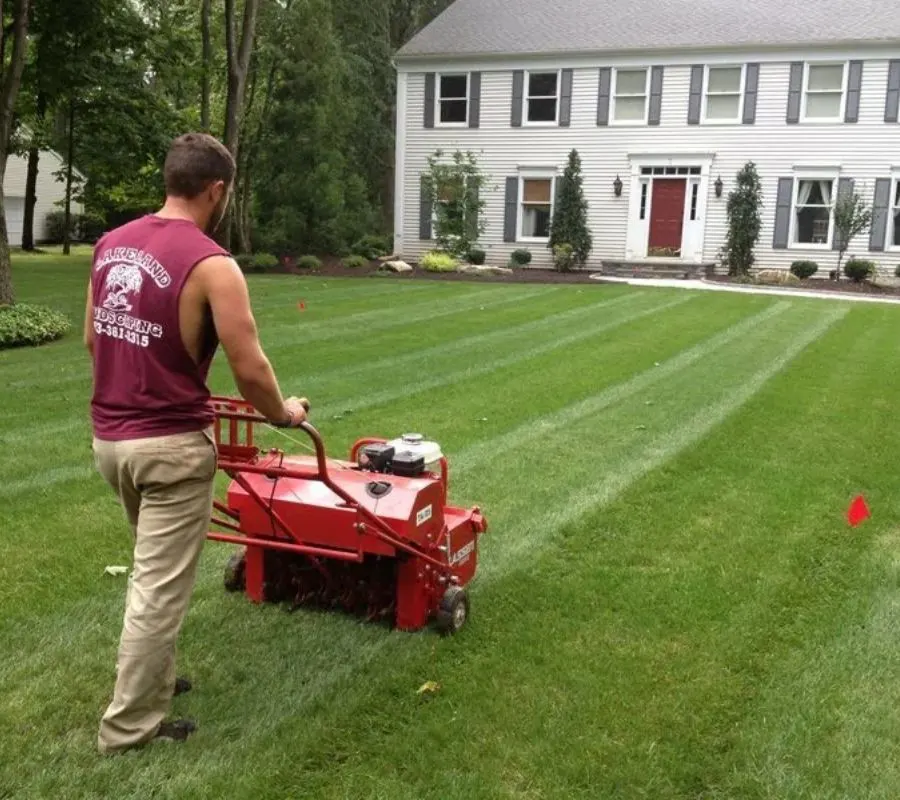
Water is the deciding factor in a Denville garden
Denville is built around water. Four residential lake communities sit inside the township — Cedar Lake at roughly 520 feet, Indian Lake at about 509, Rock Ridge and Lake Arrowhead — with Estling Lake a little lower at 502 feet and fed by Den Brook. Indian Lake alone has around 1,200 homes ringing about 86 acres of water, and Cedar Lake covers 99 acres with more than 300 families around it.
All that water sets the gardening problem. Denville is one of the Morris County towns I work across, and it is the one where drainage matters most. The Rockaway River runs through the township and does overtop its banks: in December 2023 a storm dropped 4.92 inches of rain, the river rose nearly six feet, and roughly 25 roads closed, with the Indian Lake section among the worst affected. The township’s own stormwater planning flags historical flooding near Den Brook and Indian Lake.
For a garden that means beds that sit wet for days after heavy rain, plants that drown rather than dry out, and mulch that washes rather than holds. A planting plan here starts with where the water goes, not with a plant list. Snake Hill rises to 780 feet west of Indian Lake and Chestnut Hill to 640 feet east of it, so runoff has somewhere to come from.
- Residential and select commercial properties
- One-time visits or ongoing garden maintenance
- Eco-minded practice and thoughtful plant selection
- Monday to Friday, 9:00am to 5:00pm
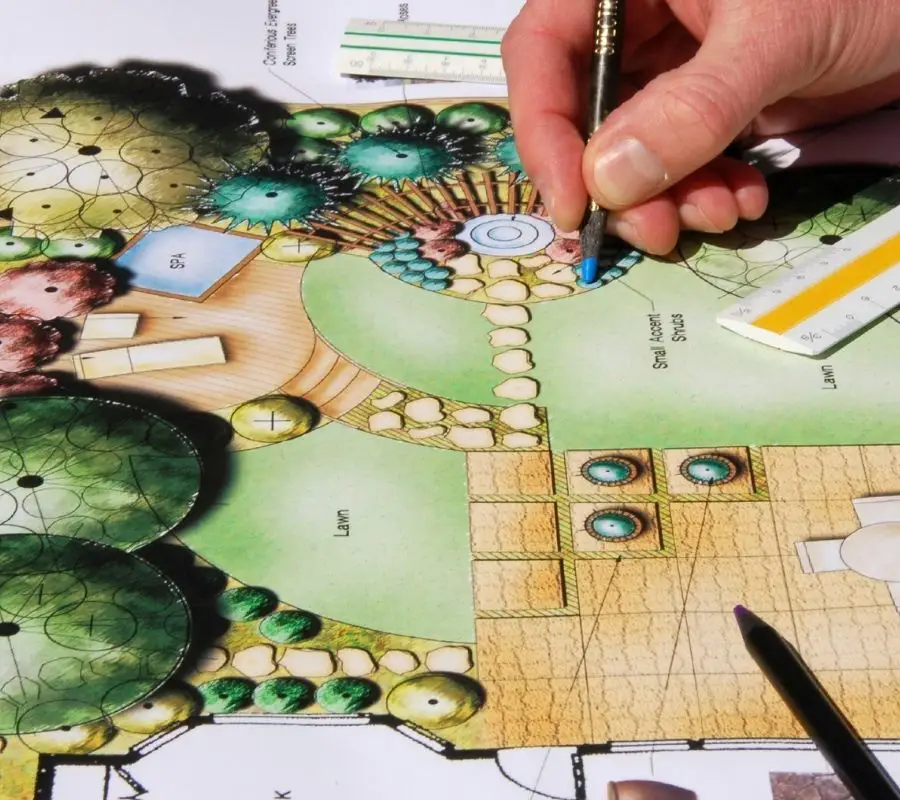
A short drive from Mount Arlington
The business is based at 109 Ondish Ct in Mount Arlington, about fifteen minutes from Denville. That covers the lake communities — Cedar Lake, Indian Lake, Rock Ridge, Lake Arrowhead — the Rainbow Lakes section, and the streets around the downtown and Broadway.
Garden and landscaping services in Denville, NJ
Eight services, all carried out personally. Most Denville properties start with one job and move to regular visits once the beds are back under control.
Planting plans for wet Denville ground
Planting plans built around how your lot actually drains, which near the lakes and the Den Brook floodplain is the first question rather than the last. I lean on native plants suited to New Jersey conditions and, where beds sit wet, species that tolerate it instead of species that merely look right on paper.
Mulching that stays put on lakeside beds
Mulch holds moisture through a dry August and suppresses weeds before they seed. On ground that drains slowly it has to be applied at the right depth and kept off crowns, or it holds water against the plant instead of around it — and on sloped lots above the lakes it needs to be the sort that stays where it is put.
Shrub trimming around lake-community lots
Trimming timed and cut to encourage healthy growth rather than just reduce size. Denville’s lake lots tend to be tight and heavily planted, so shrubs get crowded quickly and do better with a lighter, more frequent hand than one hard annual cut.
Overgrowth removal on Den Brook margins
Careful clearing of overgrowth, invasives and shrubs that have outgrown their spot. Along the brook and lake margins damp ground grows things fast, and the edge is where a garden loses ground first if it is left a season too long.
Cleanups after a wet Denville season
A spring cleanup in Denville clears winter debris, cuts perennials back and opens the beds up. Fall decides how the next spring goes, and on low ground it matters more — sodden leaf litter left over winter is how beds rot rather than rest.
Licensed treatment near the lakes and the river
Licensed treatment applied in person and targeted at the specific problem, not sprayed across a property as routine. With four lakes, Den Brook and the Rockaway River inside the township, restraint about what goes down and where is not just good practice, it is the neighbourly thing to do.
What Denville's 2023 tree ordinance changed
Denville rewrote its tree rules recently, and it is worth knowing before you plan work that touches anything substantial on your property.
Denville's tree removal ordinance was rewritten in 2023
Tree removal in Denville sits under Chapter 535 of the township code, Trees and Vegetation. Article I, the Tree Removal Ordinance, dates back to 1973 but was amended in its entirety on 23 May 2023 by Ordinance 12-23. If your last experience of removing a tree here was more than a couple of years ago, the rules you remember are not the rules that now apply.
The Planning Board is involved
The ordinance runs tree removal through the Planning Board, including a certificate of prior use process for removal work already under way when the article was adopted. The Board has 90 days from receipt to inspect and determine conformity. For a homeowner the practical point is simple: tree work here is a process with a clock on it, not a same-week decision.
Drainage and tree cover are connected
Tree ordinances of this kind exist partly to reduce soil erosion and keep rainwater soaking into the ground rather than running off it. In a township with documented flooding near Den Brook and Indian Lake, that connection is not theoretical. What comes out of the ground upslope changes how much water arrives at the beds below.
Seasonal garden care across Denville, NJ
Timing matters as much as technique, and in a township this low and this wet the calendar is set as much by the ground drying as by the date.
Spring, and waiting for the ground to drain
Cleanup first: winter debris off, perennials cut back, beds edged and opened up. Then planting — but on Denville’s lower ground that waits until the soil has actually drained, not merely warmed. Working wet soil compacts it, and compacted soil near the lakes stays that way for years.
Summer, humidity by the water
The holding season. Weeding before anything sets seed, mulch topped up ahead of the dry stretch, shrubs shaped while actively growing. Around the lakes humidity stays high and air moves less, so spacing and airflow matter more here than on open ground — crowded beds hold damp and invite trouble.
Fall, and clearing before the wet sets in
Fall does more for a Denville garden than any other season. Beds cleared, perennials divided, and new planting put in while the ground is still workable. Getting leaf litter off low beds before the winter wet arrives is the single highest-value job of the year here.
Winter, and planning tree work early
Quiet, but not empty. Dormant pruning on the species that want it, structural work on beds, and planning for spring. It is also the right time to start any tree work, since a Chapter 535 application runs on the Planning Board’s clock rather than yours.
Book a free estimate in Denville
Free estimate, no obligation, and you’ll be talking to the person who does the work.
Frequently asked questions
Very likely, and the rules changed recently. Tree removal sits under Chapter 535 of the township code; Article I, the Tree Removal Ordinance, was amended in its entirety on 23 May 2023 by Ordinance 12-23 and runs through the Planning Board. Check before you book anything, because the process has a clock on it.
Usually improved, sometimes solved. Around the lakes and the Den Brook floodplain the answer is rarely a drain — it is bed height, soil structure, mulch depth and choosing plants that tolerate wet feet. I would rather rebuild a bed to suit the water than fight the water every season.
Yes — Cedar Lake, Indian Lake, Rock Ridge, Lake Arrowhead, Estling Lake and the Rainbow Lakes section. Those lots tend to be tight, heavily planted and humid, which changes spacing and trimming more than most people expect.
Russel Gebhard, personally. He is the owner and sole operator and handles every detail himself, from planning through to execution. There are no subcontractors and no rotating crews — the person who walks the property with you is the person who does the planting.
Both. Residential and select commercial properties, either as a single visit — a spring or fall cleanup, a bed redesign, an overgrowth clearance — or as ongoing garden maintenance through the season.
Fall, and earlier than most people book it. On low ground, sodden leaf litter left over the winter is how beds rot rather than rest. Spring cleanup matters too, but it waits until the soil has drained — working wet soil compacts it, and compacted soil near the lakes stays that way for years.
Yes. The Rockaway River does overtop its banks here — in December 2023 nearly five inches of rain closed around 25 roads and hit the Indian Lake section hard. On ground with that history I plan for it rather than around it, using species that tolerate periodic saturation.
Call (973) 985-2369 or fill in the contact form. Estimates are free and there is no obligation to book.
Services in Denville
Contact Gebhard Horticulture & Design
109 Ondish Ct, Mount Arlington, NJ 07856
Phone: (973) 985-2369
Email: rbgebhard@optonline.net
Hours:
Monday to Friday, 9:00am to 5:00pm
Closed weekends
Serving Morristown and the surrounding Morris County communities.