- (973) 985-2369
- rbgebhard@optonline.net
- Mon - Fri: 9:00 AM - 5:00 PM/ Closed on weekends

Garden Design & Planting in Randolph, NJ
I’m Russel Gebhard — sole operator, and the person who both quotes your job and does it. Since 1987 I’ve looked after gardens across Morris County. In Randolph the first question is almost always the same one: what will the deer leave alone?
Morris County since 1987
Nearly four decades caring for gardens in this county.
One gardener, start to finish
Russel is the sole operator and handles every detail himself.
Licensed pesticide application
Eco-friendly treatment, applied in person.
Free estimates
Call (973) 985-2369 or send the form. No cost, no obligation.
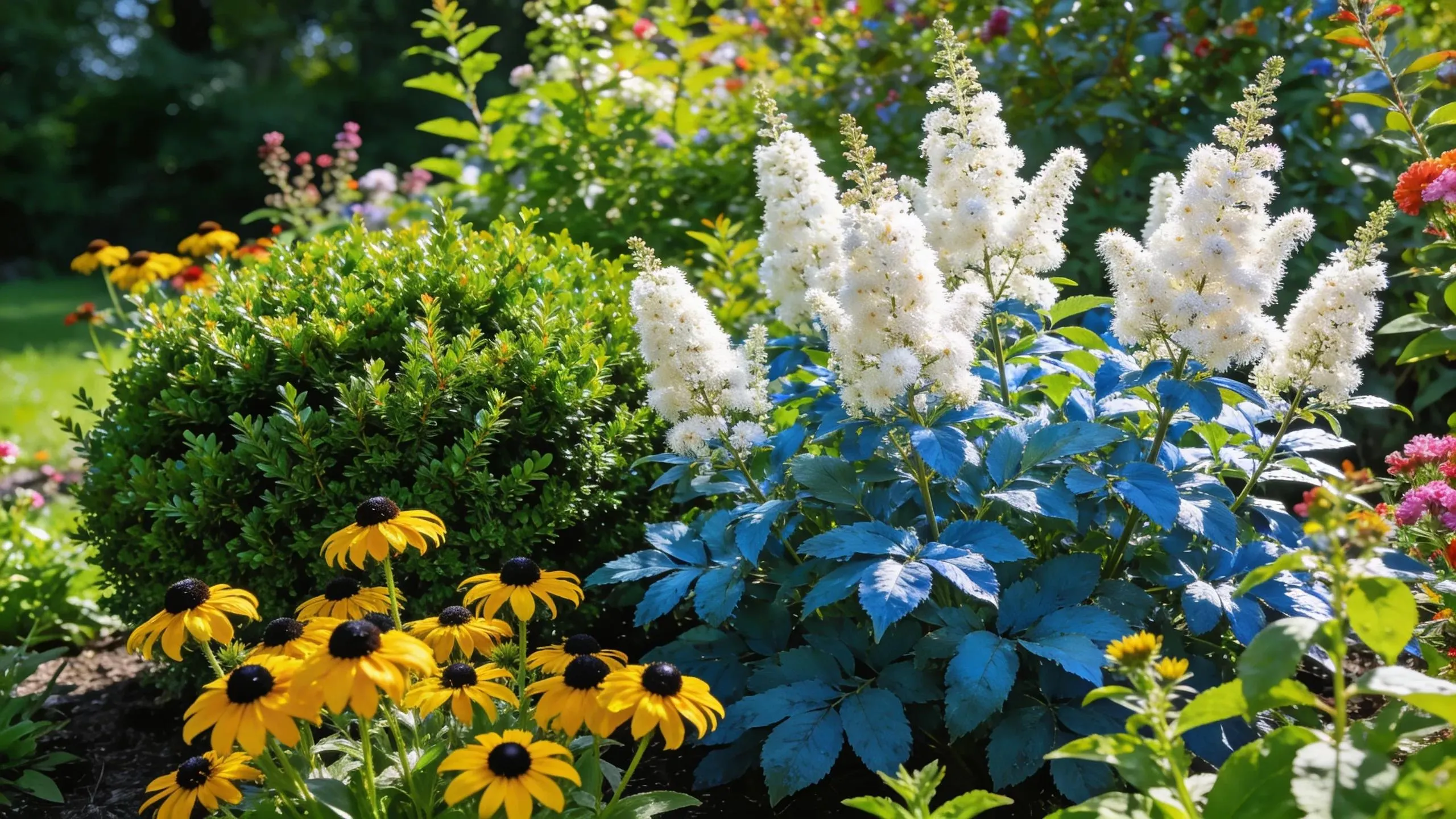
Why deer decide what grows in Randolph
Randolph takes its deer population seriously enough to have a standing committee about it. The Wildlife Management Advisory Committee advises the township council on deer control programs, issues access permits for hunting on municipal open space, keeps a list of licensed hunters available to work on private property, and reports the season’s harvest totals back to council. Five general members and an alternate, all appointed by the township council.
A township that formalises deer management at that level is telling you something about your garden. Randolph is one of the Morris County towns I work across, and it is the one where a planting plan that ignores browsing pressure gets eaten rather than established. Hostas, tulips and yew go first; the plan has to start from that rather than discover it in May.
The other factor is open space. Randolph has a substantial trail network with its own Trails Advisory Committee, established in July 2017 to advise council on the trail system and the trails master plan. Properties backing onto that open space carry more browsing pressure and more edge growth than lots in the middle of a development, and they need planting plans built for it.
- Residential and select commercial properties
- One-time visits or ongoing garden maintenance
- Eco-minded practice and thoughtful plant selection
- Monday to Friday, 9:00am to 5:00pm

A short drive from Mount Arlington
The business is based at 109 Ondish Ct in Mount Arlington, about ten minutes from Randolph — one of the closest towns I work in. That covers the Center Grove and Millbrook areas, the streets off Sussex Turnpike and Dover Chester Road, and the properties bordering the township’s open space and trail network.
Three things that shape a Randolph garden
Randolph gardens have their own set of constraints, and all three of these come from the township rather than from the property itself.
The township runs a deer control program
The Wildlife Management Advisory Committee exists specifically to advise council on deer control, and it operates through the Department of Parks and Recreation. It issues access permits to hunters on municipal open space and maintains a list of licensed hunters available to hunt on private property. If browsing is destroying your beds, there is a municipal route as well as a horticultural one — most homeowners only know about the second.
Tree removal sits in the Land Development Code
Randolph regulates tree removal and protection through section 15-48 of its Land Development Code, with a Tree Protection Permit application to go with it. It is worth checking before any work that touches established trees, because the requirement sits in the land development code rather than in a standalone tree ordinance, which is where most people look first.
Trail-adjacent lots carry more pressure
Randolph’s trail network has had its own advisory committee since 2017 and a trails master plan behind it. That is good for the town and harder on the gardens next to it: more deer traffic, more seed blown in from unmanaged edge, and faster overgrowth along the property line. Those lots need a maintenance rhythm rather than an annual visit.
Seasonal garden care across Randolph, NJ
Timing matters as much as technique, and in Randolph the browsing calendar matters as much as the growing one.
Spring, when browsing pressure peaks
Cleanup first: winter debris off, perennials cut back, beds edged and opened up. Then planting — with the knowledge that new soft growth in a hungry spring is exactly what deer look for. Anything going in now either tolerates browsing or gets protected until it is established.
Summer, holding the line at the edge
The holding season. Weeding before anything sets seed, mulch topped up ahead of the dry stretch, shrubs shaped while actively growing. On trail-adjacent lots the property edge is where the work is — left alone through a summer, the boundary moves inward.
Fall, the season that pays for itself
Fall does more for a Randolph garden than any other season. Beds cleared, perennials divided, bulbs and new planting put in while the ground is still workable. Deer-resistant bulbs go in now; tulips, if you must have them, need protecting from the day they are planted.
Winter, browse damage shows itself
Quiet, but not empty. Dormant pruning on the species that want it, and winter is when browse damage becomes obvious — stripped stems and browse lines at about four feet. It is the best time to see what actually needs replacing with something they will not touch.
Garden and landscaping services in Randolph, NJ
Eight services, all carried out personally. Most Randolph properties start with one job and move to regular visits once the beds are back under control.
Deer-aware planting plans for Randolph
Planting plans built around the light and soil on your lot and, here, around browsing pressure. I lean on native plants suited to New Jersey conditions, weighted towards species deer tend to leave alone rather than species that merely look right on the plan.
Mulching and weeding on Randolph lots
Mulch holds moisture through a dry August, moderates soil temperature and suppresses weeds before they seed. On lots backing onto open space, weed pressure arrives from outside the property, so mulch depth and hand weeding around plantings do more work here than most people expect.
Shrub trimming and the browse line
Trimming timed and cut to encourage healthy growth rather than just reduce size. Where deer have created a browse line, cutting has to work with what is left rather than shaping to a form the plant can no longer hold.
Overgrowth removal along the trail edge
Careful clearing of overgrowth, invasives and shrubs that have outgrown their spot. Along Randolph’s open space boundaries this is the job that keeps a garden from losing ground, and it is far easier held yearly than reclaimed once.
Spring and fall cleanups in Randolph
A spring cleanup in Randolph clears winter debris, cuts perennials back and opens beds up before growth starts. Fall decides how the next spring goes, and it is when browse damage from the previous winter gets assessed and corrected.
Licensed treatment, applied sparingly
Licensed treatment applied in person and targeted at the specific problem, not sprayed across a property as routine. With municipal open space on so many boundaries here, restraint about what goes down and where is the neighbourly thing to do.
Book a free estimate in Randolph
Free estimate, no obligation, and you’ll be talking to the person who does the work.
Frequently asked questions
No plant is truly deer-proof under enough pressure, but boxwood, ornamental grasses, ferns, lavender, Russian sage, bee balm and many native shrubs are far safer bets than hostas, tulips, daylilies or yew. On lots backing onto open space I weight a plan heavily towards the resistant end rather than treating it as a preference.
Yes. Randolph has a Wildlife Management Advisory Committee that advises council on deer control, issues access permits for hunting on municipal open space, and keeps a list of licensed hunters available to hunt on private property. Most homeowners only know about the horticultural side; there is a municipal route as well.
Check first. Randolph handles tree removal and protection under section 15-48 of its Land Development Code, with a Tree Protection Permit application. The requirement sits in the land development code rather than a standalone tree ordinance, which is why people often miss it.
Noticeably. Randolph has an extensive trail network with its own advisory committee and master plan. Properties on that boundary see more deer traffic, more weed seed blown in from unmanaged edge, and faster overgrowth on the property line. Those gardens need a rhythm rather than one visit a year.
Russel Gebhard, personally. He is the owner and sole operator and handles every detail himself, from planning through to execution. No subcontractors, no rotating crews.
Both. Residential and select commercial properties, either as a single visit — a spring or fall cleanup, a bed redesign, an overgrowth clearance — or as ongoing garden maintenance through the season.
Fall, for most things. Planting in fall lets roots establish before the spring flush of soft growth that draws browsing. Deer-resistant bulbs go in during fall too; tulips need protecting from the day they go in the ground.
Call (973) 985-2369 or fill in the contact form. Estimates are free and there is no obligation to book.
Services in Randolph
Contact Gebhard Horticulture & Design
109 Ondish Ct, Mount Arlington, NJ 07856
Phone: (973) 985-2369
Email: rbgebhard@optonline.net
Hours:
Monday to Friday, 9:00am to 5:00pm
Closed weekends
Serving Randolph and the surrounding Morris County communities.