
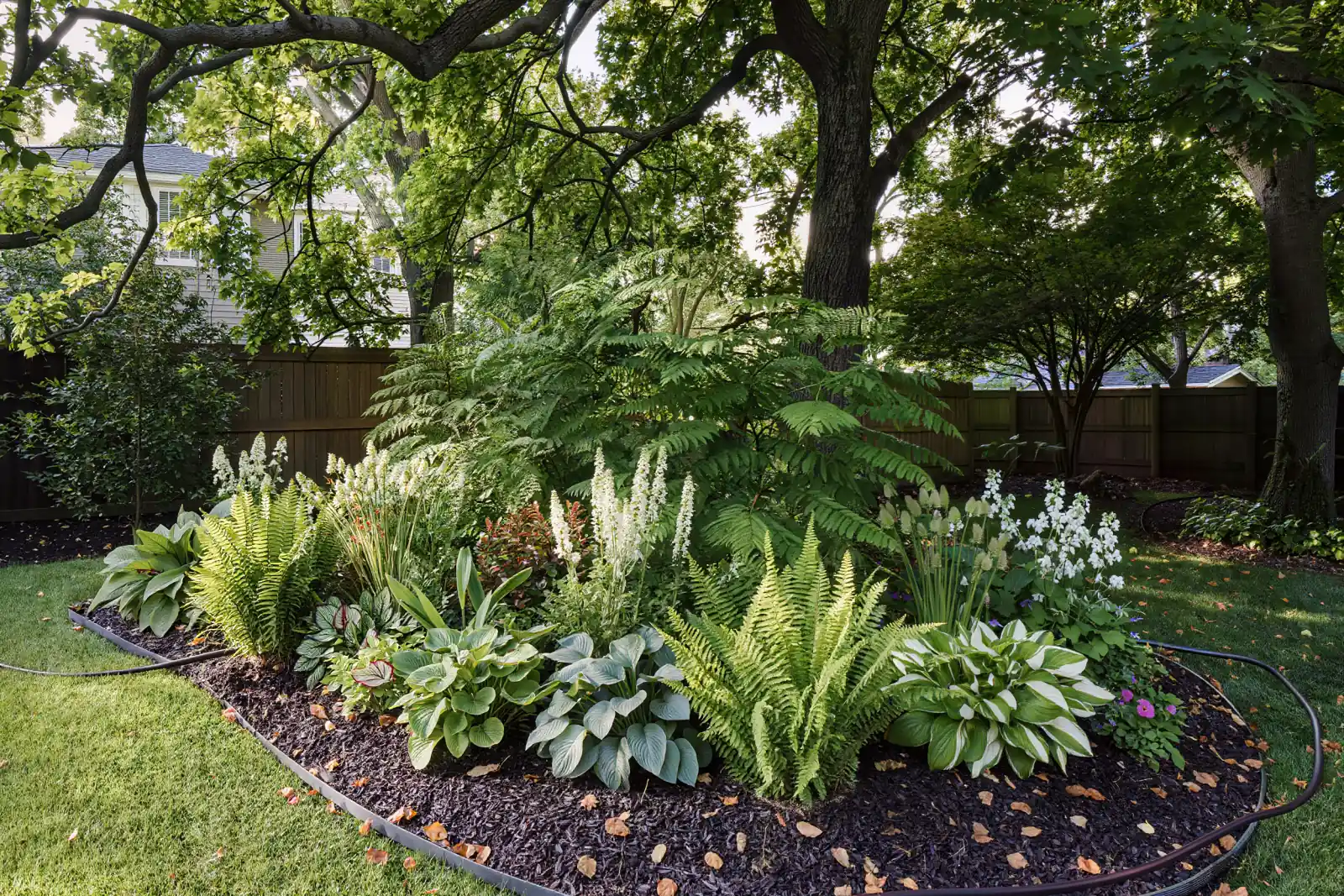
Garden Design & Planting in Chatham, NJ
Planting plans for Chatham gardens under mature, protected trees, designed and planted by Russel Gebhard, with the Borough's tree-permit rules checked before anything is cut.
Garden design in Chatham starts below the surface
A planting plan in Chatham Township is mostly a plan for the soil underneath it. The Township's 2013 Natural Resources Inventory says the land that drains straight to the Passaic River is mostly Ellington fine sandy loam, which ranges from moderately well drained to somewhat poorly drained.
Closer to the Great Swamp the ground changes. Pompton sandy loam surrounds the swamp, and the part of the Great Swamp inside the Township, almost 14 percent of it, is mapped as Carlisle muck.
The inventory also notes that the water table generally reaches its high point in late spring. Some soils land in the slowest-draining hydrologic group precisely because of a high water table, so rain soaks in very slowly and more of it runs off.
So Russel reads the site before he writes a plant list. Where water lingers in April and May, the design uses shrubs and perennials that tolerate wet roots and keeps bed edges slightly raised. Plants that need sharp drainage go on the higher, drier ground, or they don't go in at all.
Installation follows the ground, not the calendar. A bed that is saturated in May gets planted once it drains, because digging wet soil compacts it and sets new roots back.
- Drainage checked on site before plants are chosen
- Wet-tolerant plants for low spots
- Planting dates set by soil conditions
- Dry-loving plants kept to higher ground
Sources
Chatham Township Environmental Commission, Natural Resources Inventory 2013, Chapter 5: Soils.
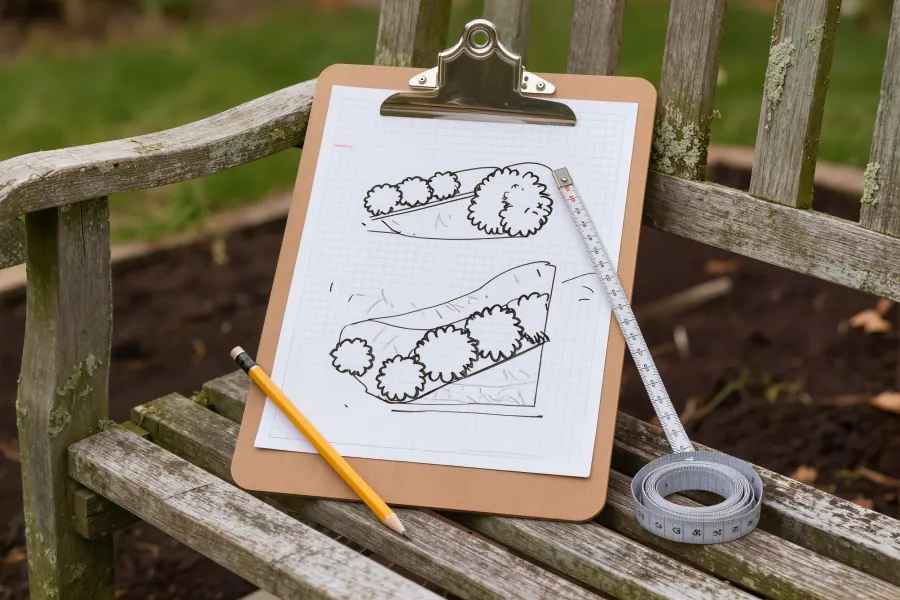
Drawing the replacement tree into the plan
Under the Borough's tree removal application (Ordinance 18-06), a tree that comes down is replaced one for one wherever practical, as the Borough's Enforcement Officer decides. When replanting is required, a $350-per-tree escrow is due before the permit is issued.
Most homeowners treat that as paperwork. In a garden design it is a decision with decades attached. The replacement is a nursery-grown shade tree, and wherever it goes, it will shape the light on part of the garden for a long time.
So the replacement belongs on the drawing from the first sketch, not in whatever gap is left once the beds are in. Russel places it where its future shade helps: off the west side of a patio, say, rather than over the sunny border or the vegetable bed.
The planting around it is chosen for the light that will be there in ten years, with sun lovers that can be moved as the canopy grows. If a project involves a tree coming out, the permit question is settled first and the new tree is part of the design from day one.
Sources
Borough of Chatham, Tree Removal Application/Permit (Ordinance No. 18-06).
Designing near the Great Swamp
Part of the Great Swamp lies inside Chatham Township. Nearby, the Great Swamp National Wildlife Refuge holds the first wilderness area designated within the Department of the Interior, set aside by the Great Swamp Wilderness Act of 1968. The refuge is a resting and feeding area for more than 244 bird species.
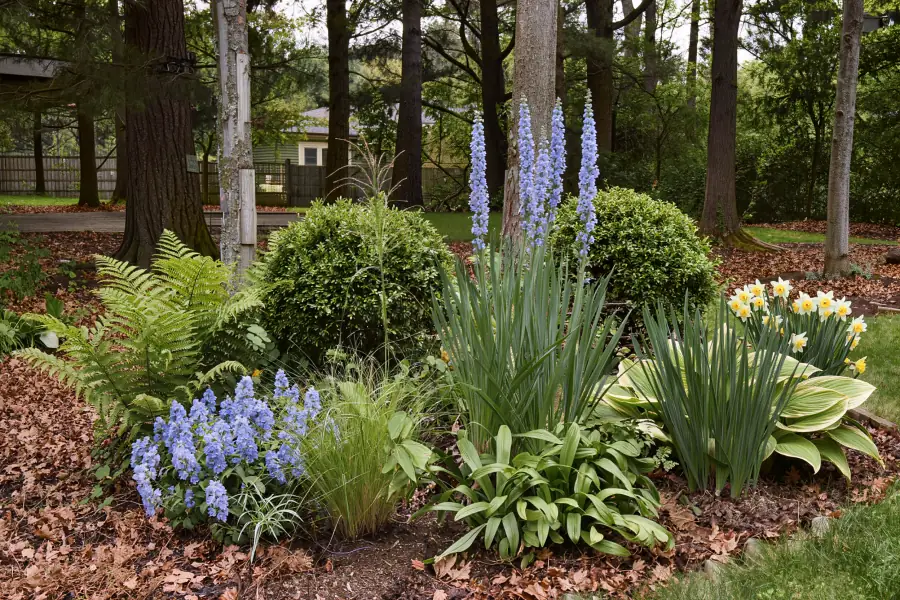
A Chatham garden can work with that rather than against it. The plan can lean on native shrubs and perennials that feed birds and pollinators, and leave out plants known to seed themselves into wild ground. A design with layers, from groundcover to shrubs to the canopy above, gives wildlife more to use than a lawn edged with a single row of shrubs.
None of this has to look wild. A native planting can be as tidy as any border, with clear edges, repeated plants and a defined path through it. The difference is in what the plants do once they're in the ground.
Sources
U.S. Fish and Wildlife Service, Great Swamp National Wildlife Refuge; Chatham Township Environmental Commission, Natural Resources Inventory 2013, Chapter 5: Soils (share of the Great Swamp in the Township).
Planting plans that work with Chatham's tree rules
Chatham Borough protects its trees more than most towns. Its Tree Protection and Preservation Ordinance reaches onto private property, and any tree over six inches in diameter needs a Borough permit before it comes down. If a replacement is required, it's a 2.5-inch caliper shade tree, or a $350-per-tree payment where the site can't take one.
For a garden, that means the canopy you have is mostly the canopy you keep. So a Chatham planting plan starts from the light that actually reaches each bed, not the light you'd get if a tree came out. Beds are laid out around root zones rather than through them, and mulch goes down at the right depth and is kept off trunks.
Street trees are a separate matter. Chatham Borough has looked after them through a Shade Tree Commission since 1909, and cutting or removing a street tree needs the Commission's permission first. Everything inside your property line, Russel handles himself.
- Tree-permit question checked before any removal
- Shade-tolerant plant choices for mature canopy
- Beds laid out around roots, not through them
- Restraint with treatments: Chatham Township sits in the Great Swamp watershed
What Chatham clients say
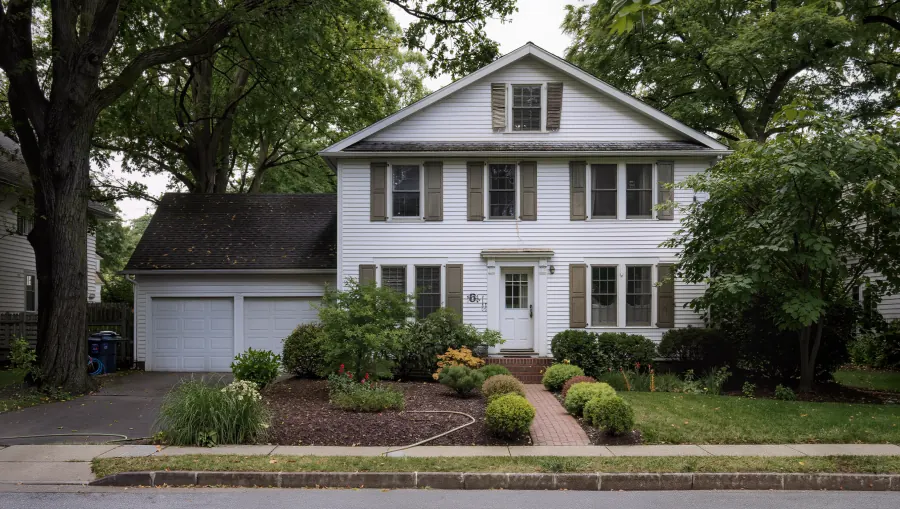
Mark and Barbara have had Russel looking after their Chatham garden for years, from choosing and planting to ongoing care.
★★★★★Russell has been our primary groundskeeper for some years now and has always done excellent work with selecting, installing, and maintaining our plants and shrubs. We highly recommend him.
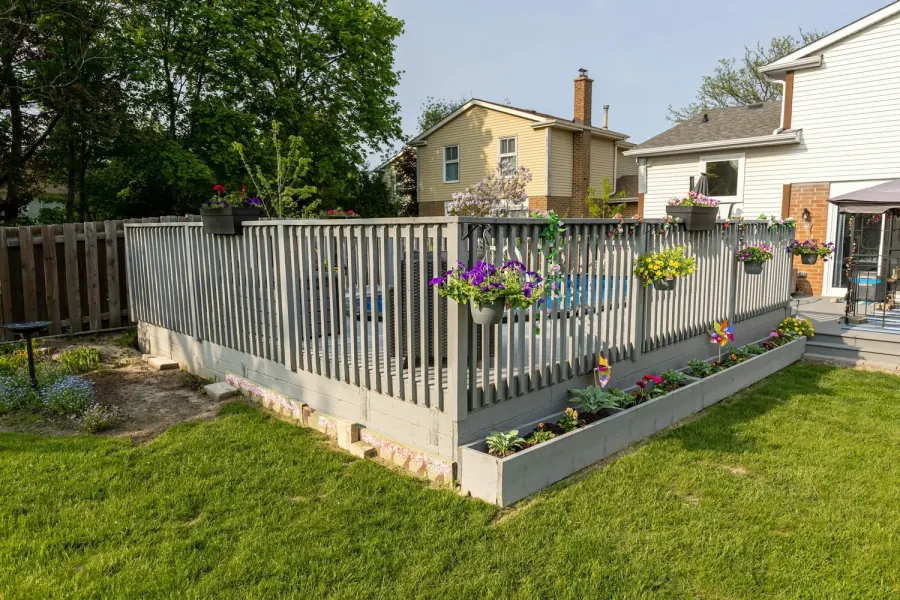
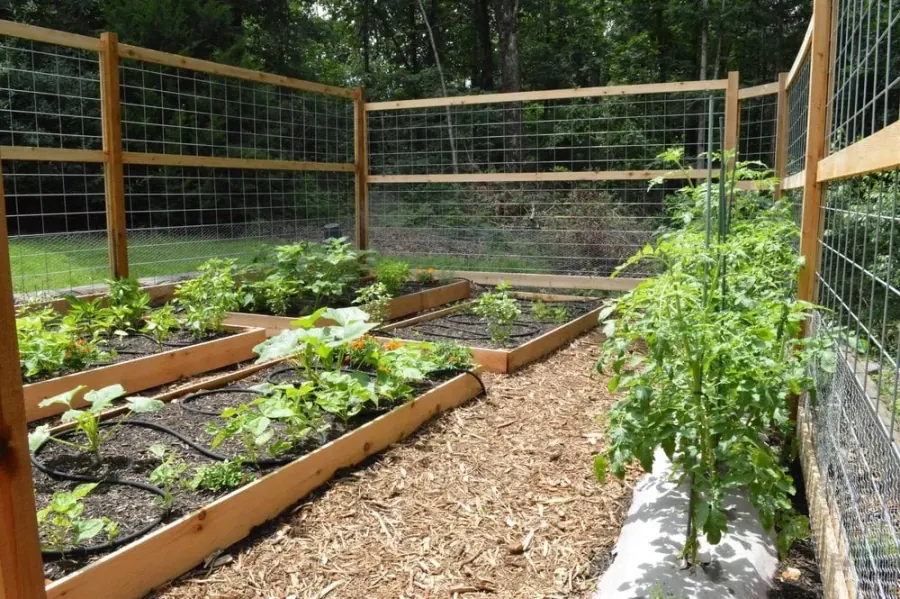
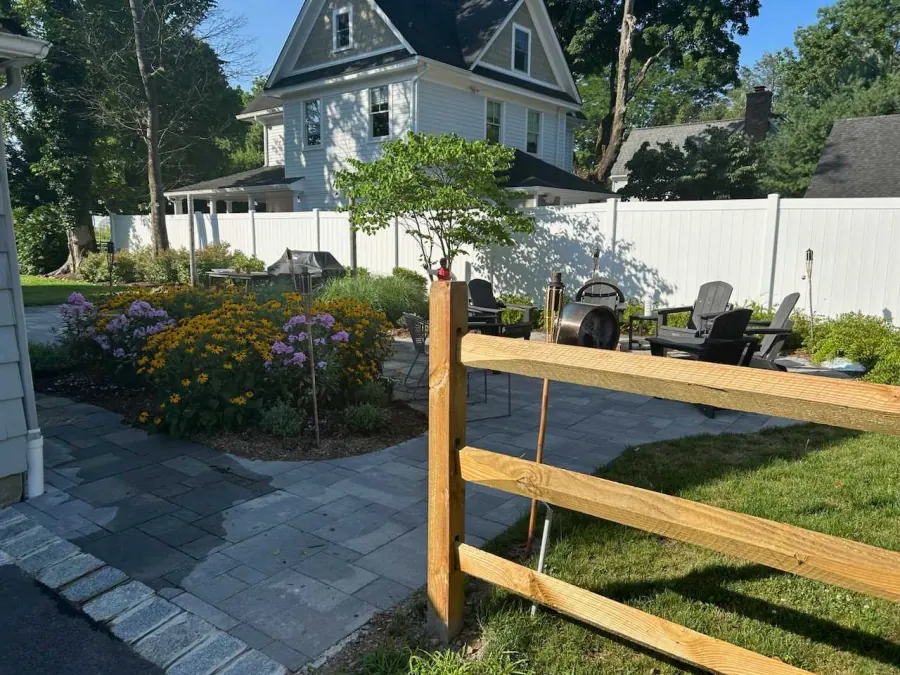
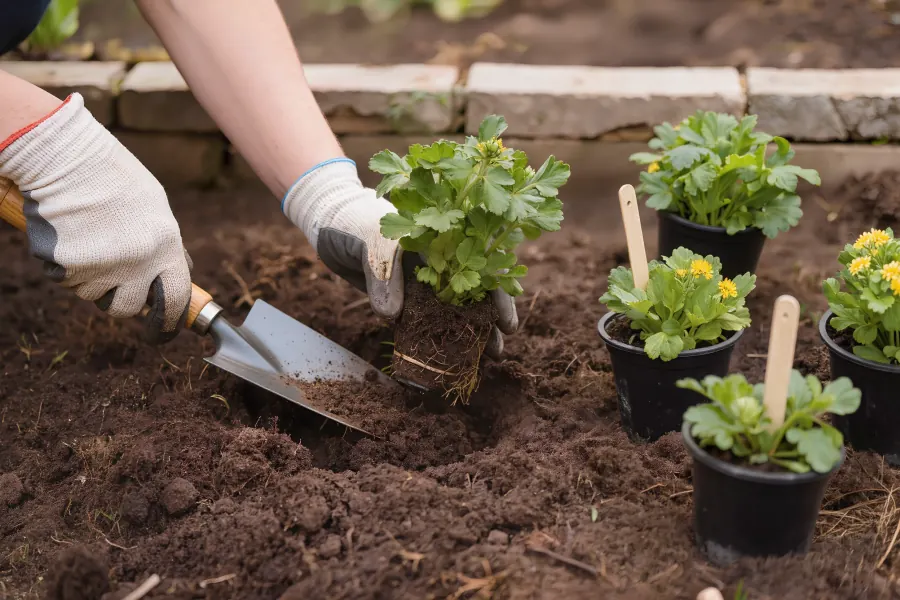
Recent garden work around Morris County
A Chatham planting year
Winter: plan and permit
Design the beds while the structure of the garden is visible. If a tree over six inches is in the way, start the Borough permit now.
Early spring: use the light
Before the canopy leafs out, light still reaches the ground. It's the moment for anything that needs sun to get established.
Summer: water under the trees
Mature trees pull a lot of water out of the soil, so beds beneath them run drier than they look. Mulch is topped up before the dry stretch.
Fall: plant, then clear
The best planting window for shrubs and perennials. Then the leaf load comes off the beds so it doesn't smother them over winter.
More garden services in Chatham
Garden design near Chatham
All garden design → · Morris County → · Everything we do in Chatham →
Garden design in Chatham: questions
Do I need a permit to take a tree out of my Chatham garden?
In Chatham Borough, yes, for any tree over six inches in diameter, including trees on private property. The permit comes from the Borough (online or at Borough Hall) and must be in place before the tree comes down. The application fee is $25, and if replacement is required it is a 2.5-inch caliper shade tree, or a $350-per-tree payment where the site can't take one. Check the current rules with the Borough before relying on these figures.
Can you prune the street tree in front of my house?
Street trees are the Borough's, and cutting or removing them needs prior permission from the Shade Tree Commission. Russel works on everything inside your property line and plans beds so they don't depend on changes to the street tree.
What grows under Chatham's mature trees?
Plenty. Hellebores, ferns, astilbe, hosta and heuchera all perform in real shade. The plan is built for the light that reaches the bed, and beds are laid out around tree roots rather than dug through them.
Do you really come out to Chatham from Mount Arlington?
Yes. Chatham is the farthest of the towns Russel regularly works in, at the southeastern edge of Morris County, and he has long-standing clients there.
When should I plan a Chatham planting project?
Plan in winter, plant in fall or spring. If the project involves removing a tree over six inches, start the Borough permit early, because it must be in place before anything is cut.
If a tree comes out for a new bed, do I have to plant another one?
Often, yes. Under Chatham Borough's tree removal application, removed trees are replaced one for one wherever practical, as the Borough's Enforcement Officer decides. When replanting is required, a $350-per-tree escrow is due before the permit is issued. Russel works the replacement into the garden plan.
What kind of soil do Chatham Township gardens have?
It depends on where you are. The Township's Natural Resources Inventory says land draining to the Passaic River is mostly Ellington fine sandy loam, which is moderately well to somewhat poorly drained, while Pompton sandy loam surrounds the Great Swamp. Russel checks drainage on your lot before choosing plants.
Why wait to plant a new bed that is wet in spring?
The water table generally peaks in late spring, and digging or planting in saturated soil compacts it. Russel plants once the bed has drained, so roots get a better start.
 Free & no pressure
Your free garden design estimate in Chatham
- Russel walks the property and prices the job himself
- A clear quote and timeline before work starts
- Free, and there's no obligation to book
Rather talk it through? (973) 985-2369 · Mon–Fri, 9am–5pm