
New Jersey’s changing weather and seasons create different challenges for gardeners. Knowing what to do each month helps keep plants healthy and gardens looking good. This guide provides a month-by-month garden maintenance schedule for New Jersey to help your garden stay healthy all year. From spring planting to winter protection, you will find clear, practical tasks to avoid common problems and keep plants healthy. In addition, the article covers monthly routines, spring management, summer care, fall cleanup, and winter maintenance.
- Therefore, New Jersey gardening requires monthly tasks based on seasonal weather changes to keep plants healthy.
- January through December tasks include planning, planting, watering, pruning, harvesting, and winter preparation.
- For example, spring garden care focuses on soil preparation, pruning, planting cool- and warm-season crops, and pest control.
- Meanwhile, summer care focuses on deep watering, regular fertilizing, and pest control during hot and humid weather.
- Next, fall activities involve leaf removal, soil aeration, mulching perennials, and preparing lawns for winter.
- Finally, winter garden care includes protecting plants from frost, monitoring weather impacts, tool maintenance, and planning for spring.
- In addition, adding native plants can reduce water use and support local wildlife.
- As a result, Integrated Pest Management reduces chemical use and helps keep the garden ecosystem healthy.
What Are the Essential Monthly Gardening Tasks in New Jersey?
Successful New Jersey garden care depends on completing the right tasks each month. For example, this section lists the main tasks to do throughout the year to keep plants healthy and gardens looking good.
Which Garden Maintenance Tasks Should You Do Each Month?
Below is a month-by-month list of key gardening tasks for New Jersey.
- January: Plan your garden layout and order seeds. Check tools and equipment for maintenance.
- February: Start seeds indoors for early spring planting. Prune trees and shrubs while they are not actively growing.
- March: Prepare garden beds by tilling soil and adding compost. Begin planting cool-season crops.
- April: Fertilize and mulch garden beds. Plant perennials and annuals after the last frost, typically around mid-April.
- May: Water regularly and monitor for pests. Start planting warm-season crops.
- June: Continue watering and weeding. Deadhead flowers to encourage blooming.
- July: Keep a regular watering schedule and apply mulch to hold moisture in the soil. Watch for pests and diseases.
- August: Harvest summer crops and prepare for fall planting. Start planning for fall garden tasks.
- September: Plant fall crops and perennials. Begin cleanup of spent summer plants.
- October: Rake leaves and prepare garden beds for winter. Plant bulbs for spring blooms, ideally by mid-October.
- November: Clean and store tools. Mulch perennials to protect them from winter frost.
- December: Reflect on the past gardening season and plan for the next year.
How Does Seasonal Climate Affect Monthly Garden Care in NJ?
New Jersey’s four seasons affect when and how garden work should be done. Each season brings different needs for plant care.
- Spring: Warmer weather and more rain help plants grow quickly, so it is important to prepare the soil and plant early crops.
- Summer: Hot and humid weather requires regular watering and pest control to keep plants healthy.
- Fall: Cooler weather means it is time to harvest crops and prepare the garden for winter by mulching and planting bulbs.
- Winter: Cold weather means plants need protection, such as mulch, while garden tools should also be cleaned and stored.
Understanding these seasonal patterns helps gardeners adjust their care and keep plants healthy and productive.
How to Manage Spring Garden Tasks in New Jersey Effectively?
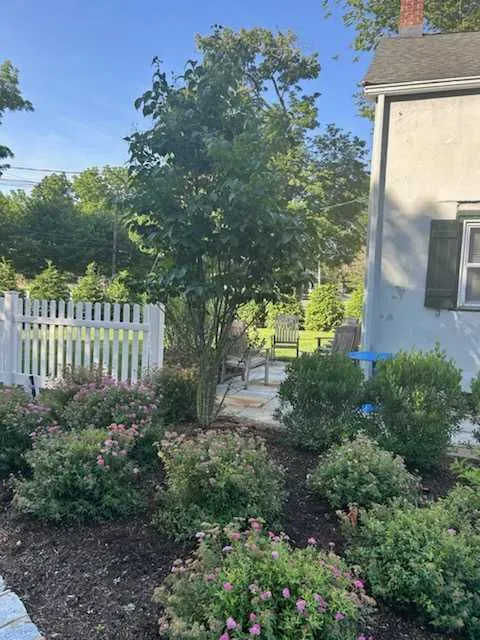
Spring gives your garden a strong start for the growing season in New Jersey. Doing spring tasks at the right time helps plants grow well and prevents problems later in the year.
What Are the Key Pruning and Planting Activities in NJ Spring?
Key spring tasks are:
- Pruning: Remove dead or damaged branches from trees and shrubs to support healthy growth.
- Planting: Start with cool-season crops like lettuce and peas, followed by warm-season plants as temperatures rise.
- Soil Preparation: Test soil pH and amend as necessary to ensure optimal growing conditions.
These tasks create a strong start that supports plants throughout the season.
How to Prepare Soil and Control Pests During Spring in NJ Gardens?
Soil preparation and pest management are essential in spring.
- Soil Preparation: Incorporate organic matter, such as compost, to improve soil structure and fertility.
- Pest Control: Monitor for early signs of pests and diseases, using organic methods when possible to protect beneficial insects.
Focusing on soil health and early pest control creates a healthier growing environment.
What Are the Best Practices for Summer Garden Care in New Jersey?
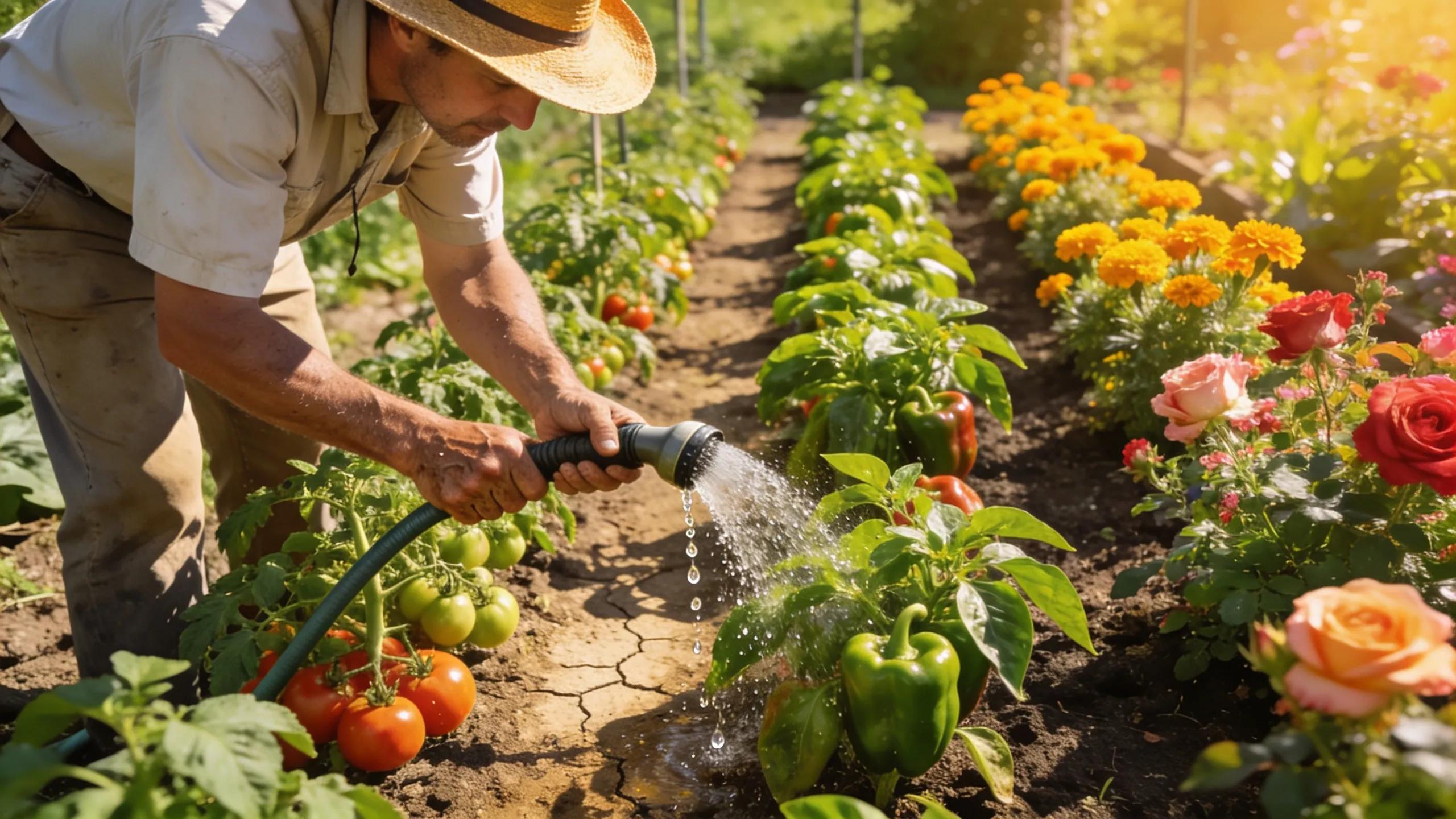
Heat and humidity in summer require targeted care to sustain plant health.
How Often Should You Water and Fertilize Your NJ Garden in Summer?
Regular watering and fertilizing are important in summer:
- Watering: Aim for deep watering once or twice a week, depending on rainfall. Early morning is the best time to water to reduce evaporation.
- Fertilizing: Use a balanced fertilizer every 4-6 weeks to support plant growth during the peak growing season.
These practices give plants the water and nutrients they need to stay healthy during hot weather.
Which Pest and Disease Management Strategies Are Effective in NJ Summers?
Effective summer pest and disease controls include:
- Regular Monitoring: Check plants weekly for signs of pests or disease.
- Integrated Pest Management (IPM): Use a combination of biological, cultural, and chemical methods to control pests while minimizing harm to beneficial organisms.
Using these methods helps reduce pest and disease problems during summer.
How to Conduct Fall Garden Cleanup and Preparation in New Jersey?
Fall cleanup and preparation protect plant health and set the garden up for spring.
What Are the Recommended Tasks for Leaf Removal and Soil Aeration in NJ Fall?
Key fall tasks are:
- Leaf Removal: Regularly rake leaves to prevent mold and disease in garden beds.
- Soil Aeration: Aerate compacted soil to improve drainage and root health.
These actions prepare the soil and plants for winter and support healthier spring growth.
How to Prepare Plants and Lawns for Winter in New Jersey?
Winter preparation involves the following tasks:
- Mulching: Apply a layer of mulch around perennials to protect roots from freezing temperatures.
- Final Lawn Care: Mow the lawn one last time and consider applying a winter fertilizer to promote healthy growth in the spring.
These steps help protect plants and keep the soil healthy through winter.
What Are the Key Winter Garden Maintenance Activities in New Jersey?
Winter maintenance protects plants and supports spring success.
How to Protect NJ Gardens from Winter Weather and Frost Damage?
To protect gardens in winter:
- Cover Plants: Use burlap or frost cloth to shield sensitive plants from harsh weather.
- Monitor Conditions: Regularly check for ice and snow accumulation on branches to prevent breakage.
These steps help reduce damage from frost, ice, and snow.
Which Planning and Equipment Maintenance Tasks Support Spring Success?
Winter is also suitable for planning and tool maintenance:
- Tool Maintenance: Clean and sharpen garden tools to prepare for spring use.
- Garden Planning: Reflect on the past season and plan for new plantings and garden designs.
Completing these tasks makes spring work easier and improves results.
How to Incorporate Native Plants and Sustainable Practices in NJ Garden Upkeep?
Using native plants and simple eco-friendly practices helps improve garden health and support local wildlife.
What Are the Benefits of Using NJ Native Plants in Seasonal Garden Care?
Native plants offer several advantages:
- Adaptation: Native plants are well suited to local conditions and often need less water and care.
- Wildlife Support: They provide habitat and food for local wildlife, promoting biodiversity.
These traits make native species a practical choice for lower-maintenance, wildlife-friendly gardens.
How Does Integrated Pest Management Enhance NJ Garden Sustainability?
Integrated Pest Management (IPM) improves sustainability by:
- Reducing Chemical Use: IPM focuses on prevention and natural controls, minimizing reliance on chemical pesticides.
- Promoting Biodiversity: By protecting helpful insects and other organisms, IPM supports a healthy garden ecosystem.
Adopting IPM reduces chemical inputs and supports a balanced garden ecosystem.
Frequently Asked Questions
What types of soil amendments are beneficial for New Jersey gardens?
Use compost, aged manure, or peat moss to improve soil quality, nutrients, and moisture. Test soil pH periodically; adjust with lime to raise pH or sulfur to lower it based on results. Healthy soil provides a strong foundation for plant growth.
How can I effectively plan my garden layout for the season?
Plan your garden based on available space, sunlight, and which plants grow well together. Sketch the garden and allow for mature plant height and spread to prevent overcrowding. Group plants with similar water and light needs, and practice crop rotation to avoid soil depletion and reduce pest pressure. These steps improve growth and help keep the garden healthy over time.
When is the best time to plant native species in New Jersey?
Plant native species in the fall or early spring. Fall plantings allow roots to establish before winter, while spring planting typically begins in mid to late March. Proper timing helps native plants adjust and reduces watering needs once they are established.
How should I water new plants in my NJ garden?
Check soil moisture and adjust watering as plants grow. Water thoroughly once or twice weekly, depending on rainfall, targeting the root zone without waterlogging. Water early in the morning to reduce evaporation and lower disease risk. Monitor soil moisture to adjust frequency as plants establish.
What are some eco-friendly pest control methods for New Jersey gardens?
Add helpful insects such as ladybugs and lacewings to help control common pests. Use insecticidal soap or neem oil as a natural alternative to harsher chemicals. Inspect plants regularly and remove infested leaves to limit outbreaks. Companion planting can also deter pests by pairing susceptible species with repellent varieties.
How can I improve pollinator activity in my New Jersey garden?
Increase pollinator activity by planting a range of flowering species that bloom at different times to provide continuous nectar and pollen. Native wildflowers attract local bees and butterflies. Minimise chemical pesticide use and consider installing bee habitats to support nesting. These steps improve pollination and support more wildlife in the garden.
What winter preparations should I consider for my garden in NJ?
Prepare for winter by removing debris and dead plants to reduce overwintering pests. Apply mulch around plant bases to insulate roots, and wrap delicate specimens with burlap when necessary. Clean and sharpen tools during winter to ensure they are ready for spring tasks.
Conclusion
A garden care calendar based on New Jersey’s weather helps improve garden health and appearance. Following monthly tasks helps plants stay healthy from spring planting through winter protection. For practical guidance, consult our additional resources that provide specific tips and tools for New Jersey gardeners.