
Spring gardening offers strong rewards but also presents clear challenges. As a result, common mistakes can limit plant health and yield. For example, For example, this article outlines frequent spring planting errors and gives practical, expert guidance to help you avoid them. In addition, we address soil preparation, plant selection, and watering techniques so you can improve outcomes. By addressing these issues, you can enjoy a healthier, more productive garden this spring.
- First, proper soil testing and amendment are essential to prevent nutrient deficiencies and promote healthy plant growth.
- In addition, selecting native and climate-adapted plants improves garden resilience and reduces maintenance needs.
- Overwatering and underwatering both harm plants; monitoring soil moisture ensures optimal watering practices.
- Therefore, timing spring planting after the last frost date protects young plants from frost damage.
- Also, regularly monitoring for pests like aphids and slugs helps prevent damage to new spring plantings.
- Using companion planting and maintaining healthy soil reduces the risk of pests and diseases naturally.
- Consulting local gardening resources and professionals enhances plant selection and garden care strategies.
- Understanding local climate and soil conditions is crucial for choosing compatible plants and avoiding ecosystem disruption.
What Are the Most Frequent Soil Preparation Errors in Spring Planting?
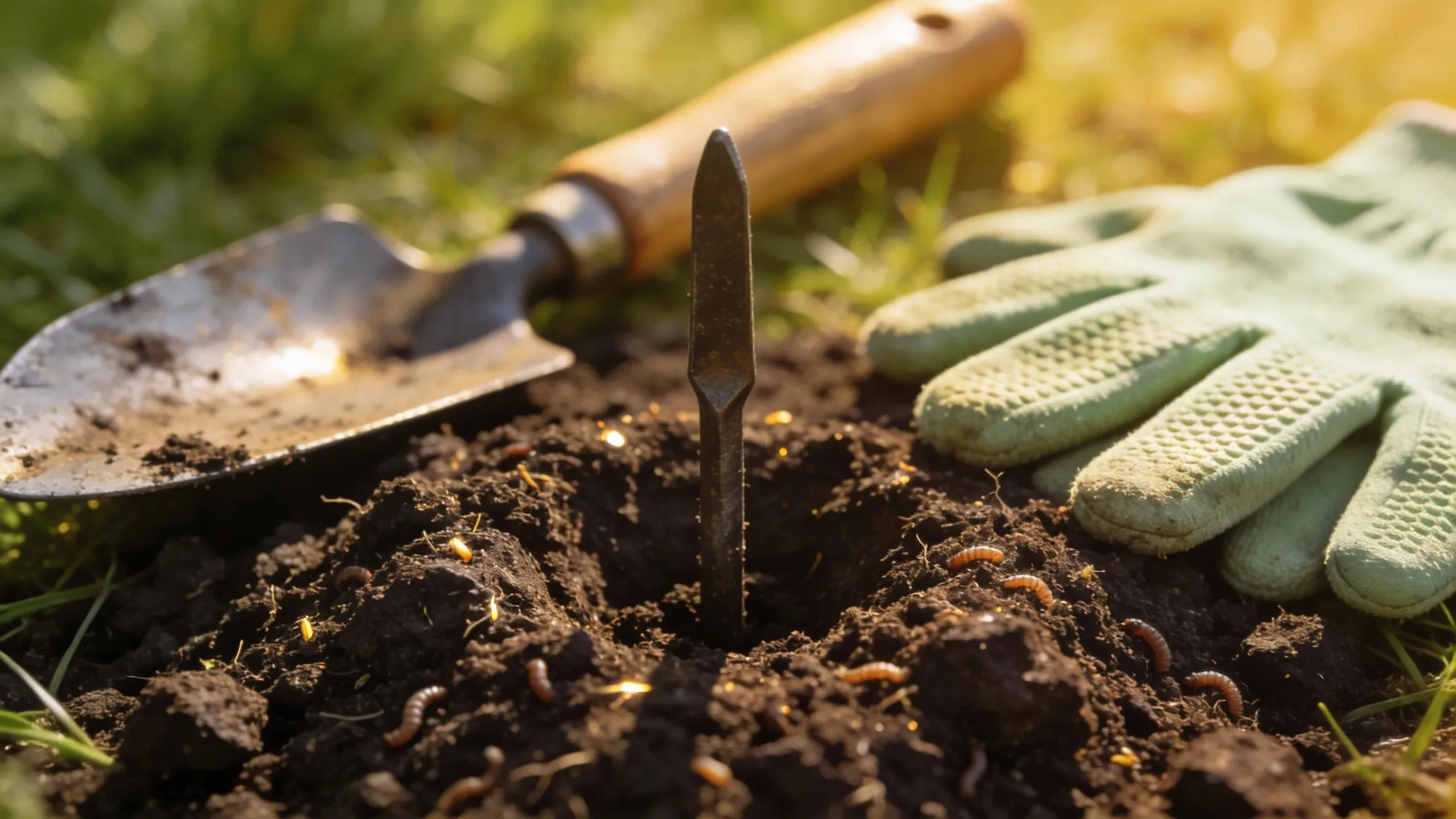
However, soil preparation is the foundation of productive planting, yet it is often underestimated. For example, common errors include skipping soil tests, failing to correct pH, and neglecting organic matter. Accurate testing and targeted amendments ensure plants access the nutrients they need and reduce the risk of poor establishment.
How Does Improper Soil Testing Affect Plant Growth?
Inaccurate or absent soil testing can mask nutrient shortages and pH imbalances. Applying the wrong fertilizer or amendment may stunt growth or damage soil life. For example, low nitrogen causes yellowing leaves and slow growth, while excess phosphorus can disrupt beneficial microbes. Regular testing yields the data needed to maintain balanced, productive soil.
What Are the Consequences of Incorrect Soil Amendment and Preparation?
Poor amendment practices alter soil chemistry and structure. Excess lime can raise pH too far, limiting nutrient uptake. Too little organic matter degrades soil structure, lowering water retention and aeration. Tailored amendments based on test results help establish a stable medium for roots and microbial activity.
How to Choose the Right Plants for Your Spring Garden?
Plant selection must align with local climate, soil type, and site conditions. Choosing species without these considerations increases stress, disease risk, and maintenance. Prioritise plants whose moisture and light needs match your site to improve establishment and long-term performance.
Why Is Selecting Native and Climate-Adapted Plants Crucial?
Native and climate-adapted plants are suited to regional temperature, rainfall, and soil patterns. They typically need less irrigation and maintenance, support local fauna, and show greater resistance to local pests and pathogens. Integrating these species reduces inputs and strengthens garden resilience.
What Are the Risks of Planting Incompatible Species in Morris County?
Introducing incompatible species can create competition for resources and increase pest or disease pressure. In Morris County, non-native plants may displace local flora and compromise biodiversity. Research plant hardiness and local performance before planting to avoid these outcomes.
What Are Common Watering Mistakes During Spring Planting?
Water management is critical; both excess and insufficient water damage plants. Common mistakes include surface-only watering, frequent shallow irrigation, and ignoring soil moisture variations across the site. Correct watering practices support root development and reduce stress.
How Does Overwatering or Underwatering Impact Plant Health?
Overwatering reduces soil oxygen, causing root rot and fungal disease; symptoms include yellowing leaves and wilting despite wet soil. Underwatering stresses plants, causing wilting, browning leaf margins, and reduced growth. Monitor moisture and adjust irrigation to maintain healthy roots and foliage.
What Are Best Practices for Watering Frequency and Techniques?
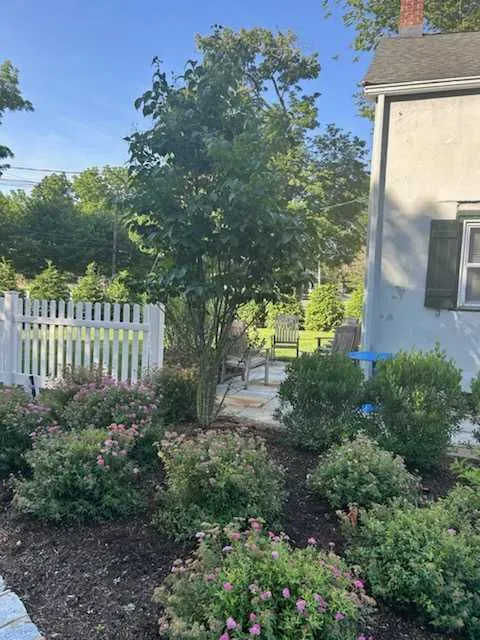
Use methods that promote deep root development and efficient moisture use.
- Check Soil Moisture: Use your finger or a moisture meter to assess soil moisture before watering.
- Water Deeply and Infrequently: Encourage deep root growth by watering thoroughly but less frequently.
- Water Early or Late: Watering in the early morning or late afternoon reduces evaporation and allows plants to absorb moisture effectively.
Implementing these techniques helps plants develop stronger root systems and reduces disease risk by keeping foliage drier.
When Is the Optimal Time to Plant in Spring to Avoid Frost Damage?
Correct timing prevents frost injury to vulnerable seedlings. Planting too early exposes young growth to late cold snaps, which can set back or kill plants. Plan based on local frost patterns and the specific cold tolerance of each species.
How Do Local Frost Dates Determine Planting Schedules?
Local last frost dates guide safe planting windows. In Morris County, the average last frost generally falls between late April and early May. Consult regional extension services or local gardening publications for exact dates and plan accordingly.
What Are Signs of Weather Conditions That Affect Planting Timing?
Look for clear indicators before planting.
- Consistent Warm Temperatures: Ensure that nighttime temperatures consistently stay above 32°F.
- Soil Temperature: Soil should be warm enough (around 60°F) for optimal seed germination.
- Weather Forecasts: Monitor forecasts for unexpected cold snaps that could affect young plants.
Observing these conditions reduces the risk of frost damage and improves germination and establishment.
How to Identify and Manage Pest and Disease Issues in Spring Gardens?
Early detection and targeted responses limit pest and disease impact. Inspect plants regularly for feeding damage, discolouration, or unusual growth. Accurate identification allows effective, proportionate control measures and preserves plant vigour.
What Are Common Spring Pests and Their Impact on New Plantings?
Aphids, slugs, and caterpillars are common spring pests that can harm young plants. Aphids extract sap and may transmit pathogens; slugs chew holes in foliage; caterpillars can defoliate plants. Prompt identification and intervention reduce damage and support healthy establishment.
Which Preventative Measures Reduce Pest and Disease Risks?
Adopt routine practices to lower pest pressure and disease incidence.
- Regular Monitoring: Check plants frequently for signs of pests or disease.
- Companion Planting: Use companion plants to deter pests naturally.
- Healthy Soil Practices: Maintain healthy soil through proper amendments and organic matter to promote plant resilience.
These measures build plant strength and reduce reliance on reactive treatments.
What Practical Steps Can Homeowners Take to Avoid Spring Planting Mistakes?
Homeowners improve results by planning, testing soil, and matching plants to site conditions. Set realistic watering routines, inspect for pests, and make adjustments based on observations. Small, consistent actions yield better long-term performance.
How Can Professional Garden Care and Consultation Improve Outcomes?
Professional consultation provides technical input on soil testing, species selection, and integrated pest management. Specialists can identify site-specific issues and recommend corrective actions to enhance plant establishment and reduce recurring problems.
What Are Recommended Resources for Localized Spring Planting Guidance?
Use region-specific sources to refine your approach.
- Local Gardening Centers: These often provide region-specific advice and plant selections.
- Extension Services: Many universities offer extension services with expert guidance on local gardening practices.
- Online Forums and Communities: Engaging with local gardening communities can provide support and shared experiences.
Tapping these resources supplies practical, locally relevant information to improve planting choices and care routines.
Frequently Asked Questions
What tools are essential for successful spring gardening?
Quality tools make tasks more efficient and reduce damage to plants. Essential items include a spade or shovel for digging, a rake for soil levelling, and a hoe for weeding. Pruning shears control growth, and gloves protect hands. Use a watering can or hose with a spray attachment for irrigation. A soil thermometer and a trowel are useful for seedbed and transplant work. Investing in durable tools improves accuracy and reduces effort.
How can I improve drainage in my garden?
Improve drainage by enhancing soil structure and providing clear outlets for excess water. Work in organic matter such as compost or well-rotted manure to increase porosity. Raised beds lift root zones above saturated soil. Where appropriate, install gravel or drainage tiles to channel water away from plant roots. Regular aeration also helps water move through the root zone.
What should I do if my plants show signs of stress?
Diagnose the cause systematically. Inspect for pests and disease, check soil moisture and drainage, and review recent care practices. Conduct a soil test if nutrient deficiency is suspected. Once identified, adjust irrigation, apply suitable fertilisers based on test results, or treat pests with targeted methods to restore plant health.
How can I encourage biodiversity in my garden?
Promote biodiversity by planting a mix of native flowers, shrubs, and trees that provide nectar, pollen, and habitat. Include fruiting shrubs and herbs to support wildlife. Minimise pesticide use to protect beneficial insects and create small habitat features such as brush piles or bird boxes to support varied species. A diverse planting palette enhances ecological balance and resilience.
What are the best companion plants for spring gardens?
Companion planting can improve pest control and soil fertility. Basil pairs well with tomatoes, improving flavour and deterring pests. Marigolds reduce nematode and aphid pressure near many vegetables. Beans fix nitrogen to benefit neighbouring plants. Carrots planted near onions can help deter some pests. Use these combinations to boost productivity and plant health.
How can I maintain a low-maintenance garden?
Design for lower upkeep by choosing native or drought-tolerant species and grouping plants with similar water needs. Apply mulch to suppress weeds and conserve moisture. Prefer perennials where appropriate to reduce replanting. Maintain a routine of light pruning and periodic pest checks to keep plants healthy with minimal effort. A deliberate layout and plant selection reduce long-term labour.
Conclusion
Avoiding common spring planting mistakes improves establishment, vigour, and garden resilience. Focus on sound soil preparation, appropriate plant choices, and consistent water management to reduce pest and disease risks. Seek local resources or professional advice when site-specific issues arise. Use these practices to achieve a healthier, more reliable garden this season.