
Summer heat and humidity in New Jersey often reduce available water for gardens. Using drought‑tolerant species eases water demand and supports sustainable site management. This article reviews native plants suited to New Jersey, their adaptability, and practical care: low‑water shrubs and perennials, maintenance practices, and common pitfalls to avoid. By following these guidelines you will understand how to establish a resilient garden that performs through the hottest months.
- Drought-tolerant native plants thrive in New Jersey summers by adapting to local climate and soil conditions.
- Native species like Purple Coneflower and Black-eyed Susan support biodiversity and require less water.
- Low water use shrubs and perennials reduce irrigation needs while maintaining garden vibrancy.
- Effective care includes deep watering, mulching, and soil amendments to enhance drought tolerance.
- Drought-resistant plants improve soil health, conserve water, and attract beneficial pollinators.
- Common mistakes include overwatering and selecting plants unsuitable for New Jersey’s climate.
- Drought-tolerant landscaping lowers maintenance costs and supports sustainable, resilient garden ecosystems.
- Maintaining plant health involves pruning, weed control, and monitoring for pests and diseases.
- Balancing plant diversity and aesthetics ensures a functional and visually appealing drought-tolerant garden.
Which Native Drought Tolerant Plants Are Best Suited for New Jersey Summers?
Native species are central to sustainable gardening in New Jersey because they are adapted to local soils and weather, increasing drought resilience. Choosing natives reduces irrigation and supports local wildlife while lowering maintenance requirements.
Identifying Native Species Adapted to NJ’s Climate and Soil Conditions
When selecting plants, assess their tolerance for New Jersey’s climate and soil types. Favor species proven in sandy or clay soils and resistant to local pests and diseases. Plants that tolerate drought will need less water and help restore garden biodiversity.
Examples of Suitable Native Species
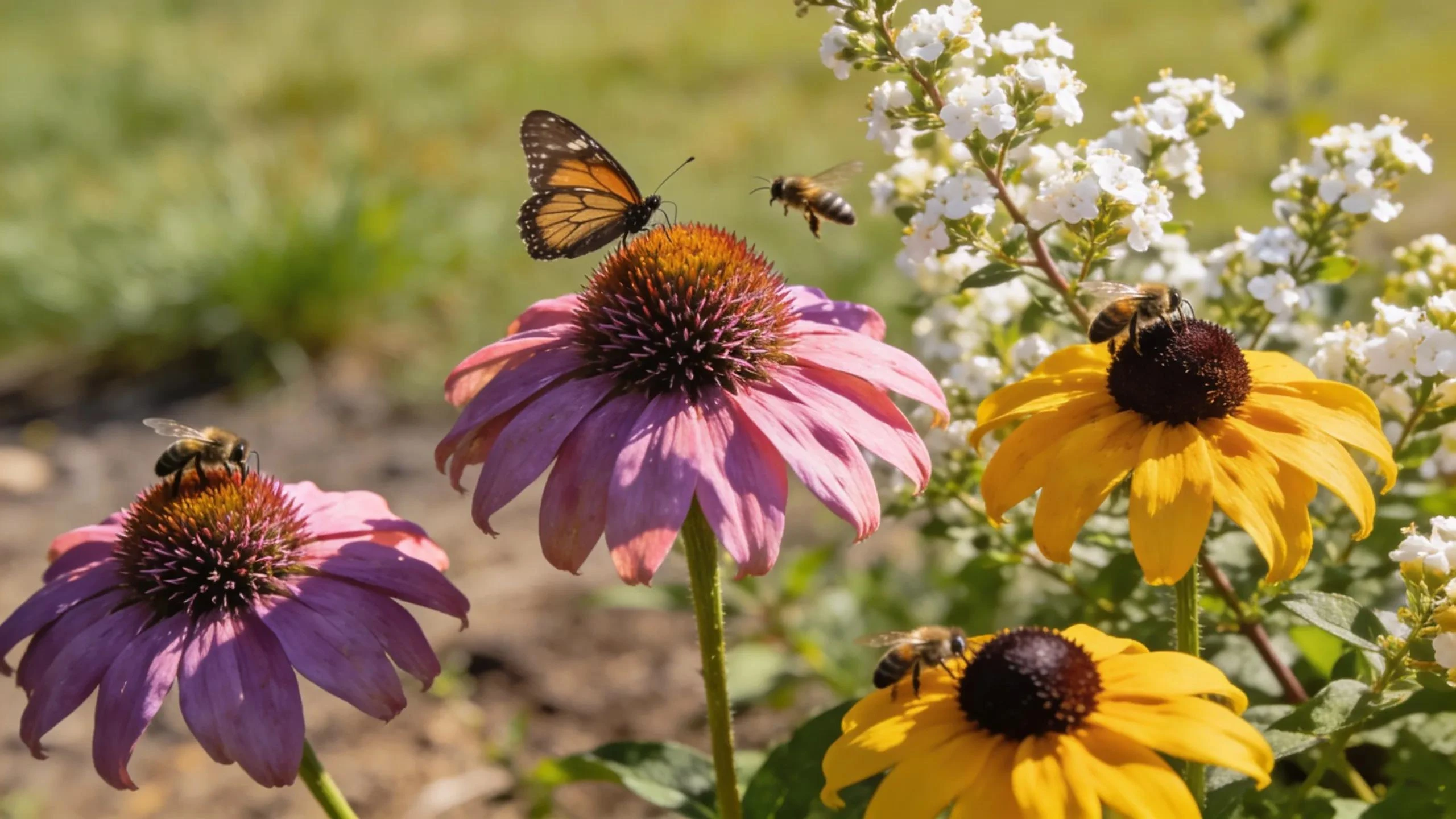
Several native species perform reliably in New Jersey summers, including the following.
- Purple Coneflower (Echinacea purpurea): This perennial is drought-resistant and attracts pollinators, making it a great addition to any garden.
- Black-eyed Susan (Rudbeckia hirta): Known for its bright yellow flowers, this plant thrives in full sun and is highly adaptable to various soil types.
- New Jersey Tea (Ceanothus americanus): A low-growing shrub that is excellent for dry areas and provides habitat for beneficial insects.
Each of these species tolerates heat and reduced water, making them practical choices for sustainable plantings in New Jersey.
What Are the Most Effective Low Water Use Shrubs and Perennials for NJ Gardens?
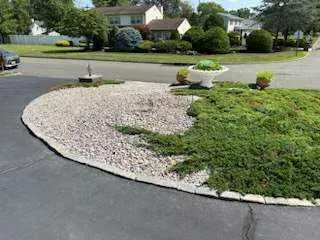
Selecting low‑water shrubs and perennials reduces irrigation while preserving landscape character. These species establish with minimal supplemental watering and suit New Jersey’s summer conditions.
Recommended Plants:
Effective low‑water selections for New Jersey include the following.
- Autumn Blaze Maple (Acer × freemanii): This tree is known for its stunning fall color and drought tolerance.
- Russian Sage (Perovskia atriplicifolia): A hardy perennial that thrives in dry conditions and produces beautiful purple flowers.
- Sedum (Sedum spp.): These succulents are perfect for rock gardens and require very little water.
Care Tips:
Follow these care practices to support low‑water plants:
- Water Deeply: When watering, ensure that you provide deep irrigation to encourage deep root growth.
- Mulch: Apply a layer of mulch around your plants to retain soil moisture and suppress weeds.
- Soil Amendments: Use organic matter to improve soil structure and water retention.
Environmental Benefits:
Low‑water plantings provide measurable environmental benefits, such as:
- Water Conservation: Reducing the need for irrigation helps conserve precious water resources.
- Biodiversity Support: Native plants attract a variety of pollinators and beneficial insects, enhancing local ecosystems.
- Soil Health Improvement: Drought-tolerant plants often have deep root systems that improve soil structure and prevent erosion.
Characteristics of Low Water Plants Ideal for New Jersey Landscapes
Low‑water species share traits that aid survival: deep root systems, waxy or reduced leaf surfaces, and tissues that store water. These traits allow plants to persist through dry spells and reduce irrigation demands.
Recommended Shrubs and Perennials for Sustainable NJ Gardening
Consider these shrubs and perennials for sustainable New Jersey gardens.
- Spirea (Spiraea spp.): This shrub is known for its beautiful blooms and drought resistance.
- Daylily (Hemerocallis spp.): A hardy perennial that requires minimal care and offers vibrant flowers.
- Butterfly Bush (Buddleja davidii): Attracts butterflies and is highly drought-tolerant.
Beyond visual interest, these selections support habitat and lower long‑term water and maintenance needs.
How Should Homeowners Care for Drought Resistant Plants During NJ Summers?
Maintaining drought‑resistant plants in summer requires targeted practices to preserve vigour and longevity.
Watering Practices and Mulching Techniques to Retain Soil Moisture
Adopt these watering and mulching practices:
- Deep Watering: Water deeply and less frequently to encourage deep root growth.
- Mulching: Use organic mulch to retain moisture and regulate soil temperature.
- Drip Irrigation: Consider installing a drip irrigation system to deliver water directly to the roots.
Seasonal Maintenance Tips to Enhance Plant Health and Drought Tolerance
Routine maintenance improves drought tolerance. Key tasks include pruning, weed control, and regular inspections for pests and disease.
What Common Mistakes Should Be Avoided in Drought Tolerant Gardening in NJ?
Drought‑tolerant gardening succeeds when common errors are avoided; be mindful of watering and species selection.
Overwatering and Soil Mismanagement Issues
Overwatering is a frequent mistake. Excess moisture can cause root rot and weaken drought‑adapted plants. Match water delivery to species needs and allow soil to dry appropriately between deep irrigations.
Selecting Inappropriate Plant Species for Local Conditions
Selecting species unsuited to New Jersey conditions often leads to poor performance. Use natives or well‑adapted plants matched to your site’s light, soil, and moisture.
What Are the Benefits and Tradeoffs of Implementing Drought Tolerant Landscaping in New Jersey?
Drought‑tolerant landscaping offers clear benefits alongside considerations homeowners should weigh.
Environmental and Economic Advantages of Water-Wise Gardening
Drought‑tolerant landscapes deliver environmental and economic advantages, including:
- Reduced Water Usage: Significantly lowers water consumption, which is crucial during dry spells.
- Lower Maintenance Costs: These plants typically require less care, reducing overall gardening expenses.
- Enhanced Biodiversity: Supports local wildlife by providing habitats and food sources.
Considerations Regarding Plant Diversity and Aesthetic Choices
Plan for plant diversity and aesthetics to balance ecological function with visual appeal. A thoughtful mix of species can support wildlife while meeting design goals.
Frequently Asked Questions
What should I consider when selecting drought-tolerant plants for my New Jersey garden?
Prioritise local native species suited to New Jersey’s climate and your site’s specific conditions—sun exposure, soil texture, and drainage. Choose plants with deep roots to improve drought resilience and soil structure. Native selections reduce irrigation needs and support local biodiversity.
How often should I water drought-resistant plants during the summer?
Drought‑resistant plants need less frequent irrigation. During summer, water deeply and infrequently—commonly about once a week depending on rainfall and soil type—to encourage deep rooting. Monitor soil moisture and plant condition and adjust for extended heat or wet periods.
Are there any pests that target drought-tolerant plants in NJ?
Drought‑tolerant plants can still attract common garden pests such as aphids, spider mites, and mealybugs. Inspect plants regularly for signs like discoloured foliage or sticky residues. Promote beneficial predators by maintaining plant diversity and intervene promptly if infestations appear.
What types of soil amendments can improve the performance of drought-tolerant plants?
Adding organic matter—compost or well‑rotted manure—improves soil structure and moisture retention. Amendments like perlite or vermiculite can aid drainage and aeration where needed. Test and adjust soil pH to suit your chosen species to support root development and drought tolerance.
Can I mix drought-tolerant plants with other types of plants in my garden?
Mixing drought‑tolerant plants with other species is feasible if you group plants by similar water requirements. Combining native and drought‑tolerant varieties can enhance biodiversity; however, separate groupings will reduce the risk of over or underwatering.
What is the role of mulching in drought-tolerant gardening?
Mulch reduces evaporation, moderates soil temperature, and suppresses competing weeds. Organic mulches also improve soil as they decompose. Apply a consistent layer around plants to conserve moisture and protect roots during hot weather.
Is there a specific time of year that’s best for planting drought-tolerant species?
Plant drought‑tolerant species in early spring or autumn. Spring planting allows root establishment before summer heat; autumn takes advantage of cooler temperatures and seasonal rainfall. Ensure adequate watering while plants establish, regardless of season.
Conclusion
Integrating drought‑tolerant species into New Jersey gardens reduces irrigation needs and supports biodiversity. With informed plant choices and appropriate care, homeowners can create resilient, low‑maintenance landscapes that perform through summer heat. Assess suitable species for your site to build a sustainable garden.