
Fall Lawn Care Made Easy: What Every Homeowners Should Do?
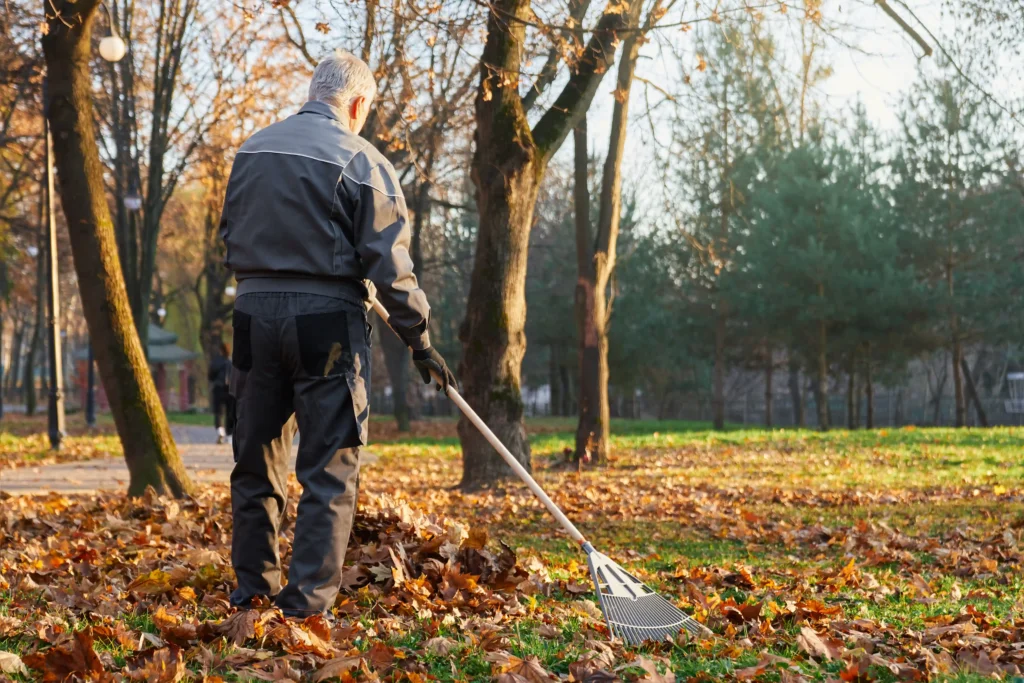
Fall lawn care is one of the smartest things we can do for a healthy and beautiful yard. While many homeowners think grass slows down and goes to sleep as the weather cools, the opposite is true beneath the surface. Fall is when lawns work the hardest on root growth and nutrient storage. When we give our lawn the right support now, we set it up for a stronger comeback in spring.
We have seen lawns bounce back greener, thicker, and more resilient simply because the right steps were taken in fall. From leaf cleanup to fertilizing and overseeding, small actions today lead to noticeable results later. Our goal is to guide you through these simple but powerful steps so you can enjoy a lawn that looks great all year.
Why Fall Lawn Care Matters (Not Just Curb Appeal)
We love a green and tidy lawn, but fall care goes much deeper than appearance. Grass is still very active right now. Even though growth slows on top, the roots are busy absorbing nutrients and preparing for the cold months ahead. This makes fall the perfect time to support stronger root development, better moisture retention, and long-term soil health.
When we put in the effort during fall, we give our lawn an advantage that carries into spring. It greens up faster, fills in bare spots more easily, and stands up to weeds and pests. Homeowners who skip fall maintenance often spend more time and money in spring trying to fix what winter damaged.
Investing in fall lawn care pays off. It is easier, more affordable, and far more effective to boost lawn health now rather than trying to play catch-up later. The stronger the roots go into winter, the better the results you will see in warmer months.
Remove or Mulch Fallen Leaves and Debris
Colorful fall leaves look beautiful on trees, but once they land on the grass, they can cause trouble. A thick layer of leaves blocks sunlight and traps moisture. This creates the perfect environment for mold, pests, and lawn diseases. When leaves stay on the lawn too long, the grass underneath can weaken or die.
We recommend staying ahead of leaf buildup before it becomes overwhelming. A quick weekly check and cleanup is usually enough during the peak of fall. You can rake, use a leaf blower, or even let your mower do the work. Mulch-mowing dry leaves is a smart option because it chops them into tiny pieces that break down and naturally feed the soil.
If you already compost at home, shredded leaves are an excellent, nutrient-rich addition. Instead of throwing them into yard waste bags, think of them as a free soil booster.
A clean lawn gives grass the sunlight and airflow it needs through fall. A simple cleanup now prevents headaches later and keeps your yard healthier going into winter.
Continue Mowing Until Growth Stops
Many homeowners pack away the mower as soon as the weather cools, but grass often keeps growing well into the fall. Even if growth has slowed, your lawn still needs regular trimming to stay healthy. Stopping too early can leave the lawn uneven and encourage moisture and pests to sit in taller grass.
We suggest mowing until the grass noticeably stops growing. Aim to keep it around 2.5 to 3 inches tall. This height is ideal for protecting the grass through winter while still allowing enough sunlight to reach each blade. A sharp mower blade is just as important as mowing itself. Clean cuts help the grass recover quickly and prevent stress right before winter.
If your mower has a mulching feature, even better. You can mulch leaves as you mow, adding nutrients back into the soil and reducing the amount of cleanup you need to do later.
With one last clean, even cut before winter, your lawn enters the cold season stronger and more prepared for a lush return in spring.
Adjust Watering and Irrigation for Fall
Cooler temperatures and seasonal rain can fool us into thinking the lawn no longer needs water. But grass roots are still growing and building strength for winter. Proper watering during fall helps support that root development and prevents the lawn from drying out beneath fallen leaves.
We recommend continuing to water as needed until the ground is close to freezing. A good guideline is to make sure your lawn receives about one inch of moisture per week, including rainfall. Instead of watering by a strict schedule, check the soil. If the top few inches are dry, it’s time to water.
If you use a sprinkler or irrigation system, fall is also the right time to winterize it. Draining lines and shutting off the system before freezing temperatures arrive will protect hoses and sprinkler parts from cracking or bursting.
Thoughtful watering now keeps the roots hydrated and strong, so your lawn can handle winter stress and bounce back beautifully in spring.
Aerate the Lawn to Improve Soil Health
Over time, soil becomes compacted from foot traffic, lawn equipment, and even natural settling. When soil is packed too tightly, air, water, and nutrients struggle to reach the root zone. That means grass cannot grow as deep or as strong as it should. Fall is one of the best times to fix that problem through aeration.
Aerating removes small plugs of soil from the ground. This creates pathways for better air flow, water absorption, and nutrient movement. After aeration, roots have more room to expand, and fertilizer and seed can reach the areas that matter most.
If you notice water pooling after rain or difficulty pushing a screwdriver into the soil, those are clear signs of compaction. Renting a core aerator for the afternoon can dramatically improve your lawn’s health. Many homeowners are surprised by how quickly the lawn responds once the soil opens up again.
Aeration may seem like an extra step, but it makes every other fall treatment more effective. Stronger, deeper roots now lead to a much thicker and healthier lawn when spring returns.
Overseed and Repair Bare Spots
If your lawn looks thin or has bare patches after a long summer, fall is the ideal time to fill it back in. The soil is still warm, the air is cooler, and weeds are less aggressive. These conditions help new grass seed germinate quickly and grow strong roots before winter.
A thicker lawn also creates a better foundation for future enhancements, including front yard landscaping ideas that can elevate your home’s curb appeal.
We always start by prepping the area. Loosen the top layer of soil with a rake so the seeds make direct contact. This simple step improves germination and helps new grass establish faster. Choose a high-quality seed blend suited to your climate and existing grass type. Matching seed types keeps the lawn consistent in color and texture as it grows in.
Once you spread the seed, keep the soil lightly and consistently moist. Water gently so you don’t wash the seeds away. Avoid heavy foot traffic on newly seeded areas until the grass has grown tall enough to blend with the rest of the lawn.
A thicker lawn is the best defense against weeds and erosion. Overseeding in fall ensures your yard comes back fuller, greener, and more resilient when spring arrives.
Apply Fall Fertilizer to Strengthen Roots
Fall is the ideal time to give grass the nutrients it needs to stay strong through winter. While summer fertilizer focuses on top growth, fall fertilizing supports the root system. This is where your lawn builds its strength for the next growing season.
We recommend using a slow-release fertilizer formulated for fall. These blends provide steady nutrition without causing weak new growth that cold weather could damage. Apply fertilizer once growth begins to slow but before the ground freezes. This timing allows roots to absorb nutrients and store energy for months ahead.
It also helps improve early spring green-up. Lawns that are properly fertilized in fall often come back sooner, thicker, and with better color. If you are overseeding too, aerating before fertilizing will make both treatments more effective.
One final tip. Follow the recommended amount on the fertilizer label. Too much product can burn the lawn or contribute to nutrient runoff, which harms local waterways. The right amount makes a noticeable difference and keeps your yard healthy and sustainable.
Test the Soil for Better Growth
A proper soil test is one of the best tools for understanding what your lawn really needs. Even when grass looks healthy on the surface, the soil below may lack key nutrients or have a pH that makes it difficult for grass to absorb them. Testing helps you make smart decisions about fertilizer and lawn treatments instead of guessing.
You can find simple soil test kits at most garden centers, or you can send samples to a local extension service for more detailed results. Testing every few years is usually enough unless you notice specific issues like yellowing grass, slow growth, or bare patches that never seem to improve.
Once you know what your soil is missing, you can add the right amendments. Whether that means adjusting the pH or adding nutrients such as phosphorus or potassium, targeted corrections help every part of your lawn care plan work more effectively.
This step takes only a little effort but gives you powerful information. When the soil is balanced and healthy, the entire yard benefits.
Control Weeds, Thatch, and Lawn Pests
Even though temperatures are dropping, weeds can still be active. Fall is a strategic time to deal with them because certain weeds are storing energy for winter just like grass is. When we address them now, they are less likely to come back stronger in spring.
Start by checking for problem spots. Remove visible weeds before they spread seeds. If you have chronic issues with broadleaf weeds, this is a good time to apply a targeted treatment. Always follow product directions and consider eco-friendly options when possible.
Thatch is another concern. It is a buildup of dead grass and organic matter that creates a barrier between the grass and soil. Too much thatch blocks air and water from reaching roots. Aeration helps break up this layer naturally, but manual removal with a dethatching rake may sometimes be needed.
Lastly, keep an eye out for pests like grubs. They live in the soil and can damage roots, leaving behind loose or spongy areas in the lawn. If you’ve seen signs of pests earlier in the season, fall offers a chance to treat the problem before winter.
Winterize Lawn Equipment and Irrigation
Once your fall lawn care checklist is almost complete, it is time to protect the tools and systems that help keep your yard looking great. Taking a few simple steps now prevents costly repairs and makes your spring startup much easier.
Start with your mower. Clean off any grass clippings and debris, sharpen the blade if needed, and either drain the fuel tank or use a fuel stabilizer to prevent damage during storage. Store the mower in a dry, sheltered spot to keep rust and corrosion away.
Garden hoses and sprinkler systems also need attention before freezing weather arrives. Disconnect hoses, drain any leftover water, and coil them for storage. If you use a built-in irrigation system, turn off the water supply and clear out the lines to avoid cracking or burst pipes caused by frozen water.
Putting equipment away properly keeps everything in top shape for next season. It also saves time and worry when warm weather returns and you are ready to get back to a thriving lawn.
Sample Fall Lawn Care Timeline
A seasonal plan keeps your lawn healthy and prevents winter problems from catching you off guard. Here is a clear and simple schedule to guide your fall lawn care. Adjust based on your climate, grass type, and how your lawn is growing this year.
Early Fall (September to Early October)
What to do:
- Gradually reduce mowing height
- Continue regular watering
- Remove early leaf buildup
- Apply pre-emergent weed control if needed
- Perform a soil test if growth appears uneven
Why it matters:
These early steps help maintain lawn strength as temperatures begin to drop and prepare the soil for important fall treatments.
Mid Fall (October)
What to do:
-
Aerate compacted soil
-
Overseed thin or bare areas
-
Apply a fall fertilizer
-
Continue clearing fallen leaves
Why it matters:
This is a critical window for root development. Aeration and overseeding thicken the turf, while fall fertilizer supports strong roots and winter hardiness.
Late Fall (November)
What to do:
-
Perform the final mow at the proper height
-
Complete leaf removal
-
Treat any lingering weed or pest issues if needed
-
Winterize hoses, sprinklers, and lawn equipment
Why it matters:
These steps protect your lawn and equipment during winter and help ensure a quicker, healthier green-up in spring.
Winter Prep (December, if applicable)
What to do:
-
Apply a winter fertilizer if recommended for your region
-
Make sure all remaining leaves are removed before snowfall
Why it matters:
Proper winter preparation helps prevent disease and protects grass during dormancy, setting the stage for healthier growth when warmer weather returns.
Ready for a Lawn That Thrives All Year?
Fall is the season that sets the foundation for a beautiful lawn. When we remove leaves, improve soil conditions, support root growth, and prepare the yard for winter, we give our grass a stronger chance to thrive. A little attention now prevents bigger problems later and leads to a greener, fuller lawn in the spring.
With a simple plan and consistent fall lawn care, your yard can stay healthier year-round. These steps help protect your investment and keep your outdoor space something you can enjoy and be proud of.
If you want expert help or prefer a professional touch, Gebhard Horticulture is here to make fall lawn care easy. With years of experience, a strong work ethic, and competitive pricing, we are committed to meeting your needs and exceeding your expectations.
Whether you need weekly yard care, seasonal cleanup, landscape design, or general gardening services, our focus is always on making your property look its absolute best.
Fall Lawn Care FAQs
When should I stop mowing the lawn in fall?
Stop mowing once the grass stops actively growing. This usually happens after the first hard frost. Keep your final mow around 2.5 to 3 inches tall for winter protection.us leo.
Should I still water grass in fall?
Yes, water as needed until the ground is close to freezing. Grass roots are still growing and need moisture to stay strong through winter.
What is the best fall fertilizer?
A slow-release fertilizer labeled for fall or “winterizer” is ideal. It strengthens root growth and prepares grass for early spring green-up.
Do I need to aerate every year?
Most lawns only need aeration every 1–2 years. If your soil is compacted or water pools on the surface, aeration will help significantly.
Can I overseed without aerating?
Yes, but aeration improves seed-to-soil contact and helps grass fill in faster. If you skip aeration, rake the area well before applying seed.