
Achieving a clear balance between lawn and garden beds is essential for a yard that is both attractive and functional. This guide presents proven landscape design principles and maintenance practices to help you integrate these elements. Many homeowners find the transition from turf to planting beds challenging, which can produce a fragmented appearance. Applying sound design choices and routine maintenance will create a cohesive landscape that improves property value and plant performance. The sections below cover yard layout planning, the role of soil, and practical maintenance steps to sustain balance.
- Balancing lawn and garden beds enhances both aesthetics and functionality in outdoor spaces.
- Selecting native plants suited to local climate and soil reduces maintenance and supports healthy growth.
- Grouping plants by similar water and sunlight needs simplifies care and promotes landscape harmony.
- Layering plants by height creates visual depth and improves garden bed appeal.
- Regular maintenance, including mowing, watering, and fertilizing, sustains lawn and garden health.
- Proper soil preparation and testing improve nutrient availability and drainage for better plant growth.
- Effective weed control through mulching and hand-pulling prevents competition for resources.
- Planning yard layout with functional zones and eliminating bare soil supports a balanced landscape design.
- Installing defined garden bed edging enhances appearance and prevents grass encroachment.
Expert Landscape Design Techniques
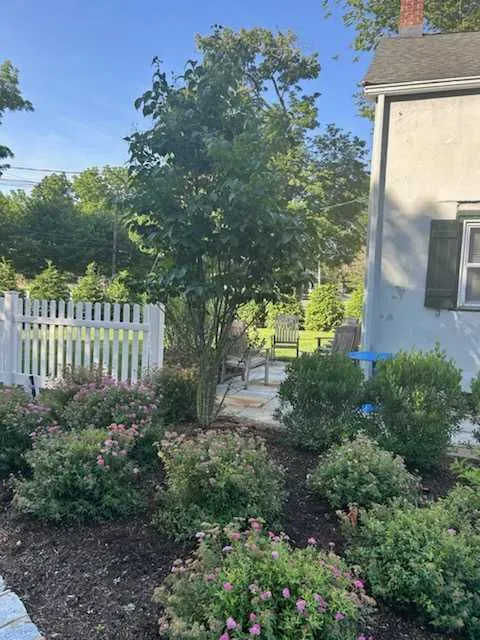
Sound landscape design establishes the relationship between turf and planting areas. Select species suited to site conditions, group plants by cultural needs, and arrange them in vertical layers to achieve structure and visual interest.
- Choose the Right Plants: Selecting plants that thrive in your local climate and soil conditions is essential. Native plants often require less maintenance and are better suited to the local ecosystem.
- Group Plants by Needs: Organizing plants with similar water and sunlight requirements can simplify maintenance and promote healthy growth.
- Layer Plants by Height: Arranging plants in layers, with taller plants at the back and shorter ones in front, creates depth and visual appeal in your garden beds.
When these design principles are applied together, the landscape performs better and requires less corrective work over time.
Maintenance Tips
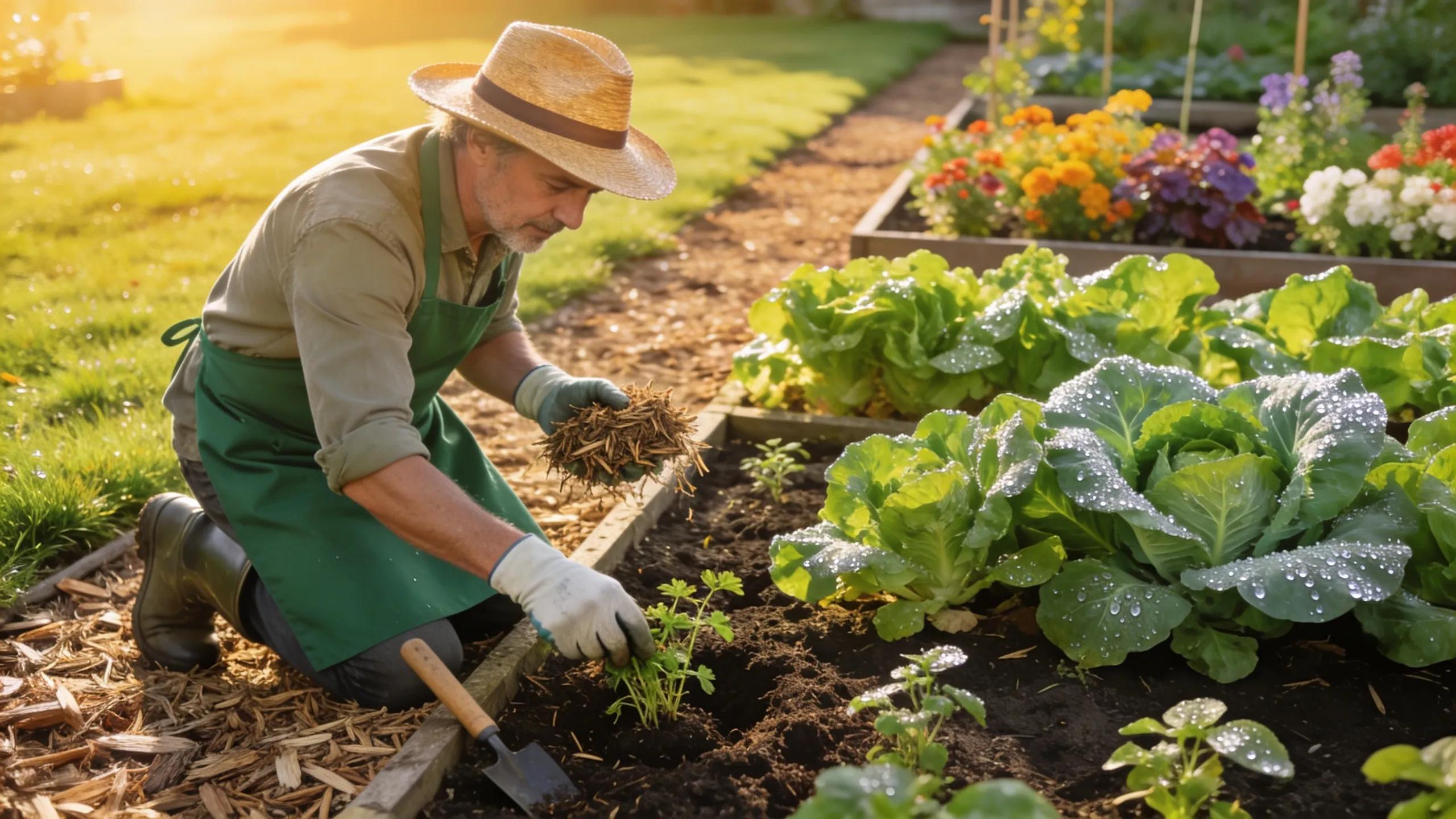
Consistent maintenance preserves the balance between lawn and beds. Implement a routine for mowing, irrigation, pruning, and nutrient management to keep both areas healthy and orderly.
- Regular Maintenance Schedule: Establishing a consistent schedule for mowing, watering, and fertilizing will help maintain the health of both your lawn and garden beds.
- Soil Preparation Techniques: Proper soil preparation is vital for plant health. Testing your soil and amending it as needed can improve nutrient availability and drainage.
- Weed Control Strategies: Implementing effective weed control measures, such as mulching and hand-pulling, can prevent weeds from competing with your plants for resources.
For tailored care, consult a qualified local landscaping service. A provider with horticultural experience can assess site conditions and recommend maintenance that matches your landscape goals.
Strategies for a Functional Outdoor Space
Design a yard that supports intended uses by planning clear circulation, activity zones, and planting areas. Thoughtful layout reduces maintenance and improves usability.
- Smart Layout Planning: Design your yard layout to accommodate various activities, such as entertaining, gardening, and relaxation.
- Professional Guidance: Consulting with landscape professionals can provide valuable insights and help you avoid common pitfalls in design and maintenance.
- Seasonal Upgrades: Incorporate seasonal plants and decorations to keep your outdoor space vibrant throughout the year.
What Are the Key Principles of Lawn and Garden Bed Design?
Core principles include creating logical flow, selecting site-appropriate plants, and preparing the soil to support long-term plant health. These elements ensure the landscape functions as intended.
- Layout Considerations: The arrangement of your lawn and garden beds should promote flow and accessibility.
- Plant Selection: Choosing the right plants for your specific environment is crucial for their success.
- Soil Preparation: Ensuring your soil is well-prepared will support healthy plant growth and longevity.
How Does Soil Type Influence Lawn and Garden Bed Balance?
Soil texture and structure determine water holding capacity, drainage, and nutrient availability. These factors influence plant choice, irrigation needs, and amendment strategies.
- Soil Quality and Plant Selection: Understanding your soil type can guide you in selecting plants that will thrive in your specific conditions.
- Soil Preparation: Properly preparing your soil can enhance its structure and fertility, leading to healthier plants.
- Moisture Conditions: Different soil types retain moisture differently, which can impact watering needs and plant health.
What Role Does Plant Selection Play in Landscape Harmony?
Appropriate plant selection aligns species with light, moisture, and soil conditions to reduce failures and maintenance. Complementary textures and seasonal interest support a cohesive appearance.
- Understanding Site Conditions: Assessing your yard’s sunlight, moisture, and soil conditions will help you choose plants that will thrive.
- Layering and Grouping: Grouping plants with similar needs and layering them by height can create a visually appealing and harmonious landscape.
- Visual Harmony: Selecting plants that complement each other in color, texture, and form can enhance the overall beauty of your yard.
How to Plan Your Yard Layout for Optimal Lawn and Garden Bed Balance?
Start with a clear assessment of how you will use the space, then map zones for turf, beds, and circulation. Scale planting groups to the site to avoid isolated patches and reduce visible bare soil.
- Choose the Right Yard Style: Determine the style that best suits your home and personal preferences, whether it be formal, informal, or a mix of both.
- Use Larger Planting Groups: Grouping plants in larger clusters can create a more natural look and reduce the appearance of bare soil.
- Eliminate Bare Soil: Covering bare soil with plants or mulch can prevent erosion and weed growth while enhancing the overall appearance of your landscape.
How to Analyze Soil and Space for Effective Garden Bed Layout Planning?
Conduct soil tests to measure pH and nutrient levels, and survey sunlight and drainage patterns across the site. Use these data to place beds where plant requirements align with existing conditions.
- Soil Quality Assessment: Test your soil to determine its pH, nutrient levels, and texture, which will inform your planting decisions.
- Spatial Considerations: Evaluate the available space in your yard to determine the best locations for your garden beds.
- Plant Grouping: Plan your garden beds by grouping plants with similar needs together to simplify maintenance and promote healthy growth.
What Are Practical Landscape Balance Tips for Morris County Properties?
For Morris County properties, begin with a site-specific analysis of microclimates and soil conditions. Choose plant species proven to perform locally and plan for seasonal interest to maintain appeal year-round.
- Site Analysis: Conduct a thorough analysis of your property to understand its unique characteristics and challenges.
- Plant Selection: Choose plants that are well-suited to the local climate and soil conditions for optimal growth.
- Seasonal Interest: Incorporate a variety of plants that provide visual interest throughout the seasons.
What Are Effective Garden Bed Edging Ideas to Define Lawn Boundaries?
Defined edging clarifies bed shapes and reduces turf intrusion. Select durable materials that suit the landscape style and install them to provide a clean separation between turf and planting areas.
- Materials: Use materials such as stone, wood, or metal to create a clean and defined edge.
- Styles: Choose edging styles that complement your home and garden design, whether it be rustic, modern, or traditional.
- Practical Applications: Ensure that your edging is functional, helping to keep mulch and soil in place while preventing grass from encroaching.
How to Install Edging for Clean and Balanced Garden Bed Appearance?
- Plan Your Design: Determine the layout and shape of your garden bed edging before starting the installation.
- Prepare the Area: Clear the area of grass and debris to create a clean edge for your garden bed.
- Install the Edging: Follow the manufacturer’s instructions for installing your chosen edging material, ensuring it is level and secure.
How to Maintain Lawn and Garden Beds for Lasting Landscape Balance?
- Regular Inspections: Conduct regular inspections of your lawn and garden beds to identify any issues early on.
- Seasonal Tasks: Implement seasonal maintenance tasks, such as pruning, fertilizing, and mulching, to keep your landscape healthy.
- Weed Control: Employ effective weed control strategies to prevent competition for resources among your plants.
Engage a qualified local landscaper when specialist care is required. Professional assessment can prioritise tasks and recommend corrective measures based on site-specific conditions.
What Lawn Care and Garden Maintenance Practices Promote Healthy Growth?
Consistent soil improvement, targeted irrigation, and proactive weed management support vigorous lawns and planting beds. Focus on building soil organic matter and matching water to plant needs.
- Soil Preparation: Regularly amend your soil with organic matter to improve its structure and nutrient content.
- Watering Practices: Implement efficient watering practices, such as deep watering and using mulch to retain moisture.
- Weed Control: Stay vigilant about weed control to minimize competition for nutrients and water.
How Does Efficient Irrigation Support Balanced Lawn and Garden Beds?
Targeted irrigation delivers moisture where plants need it most and reduces waste. Use root-focused systems and schedule watering to align with plant demand and local climate patterns.
- Irrigation Techniques: Utilize drip irrigation or soaker hoses to deliver water directly to the roots of your plants.
- Scheduling: Establish a watering schedule that aligns with the needs of your plants and local weather conditions.
- Water Conservation Methods: Implement water conservation techniques, such as rain barrels, to reduce water usage and promote sustainability.
What Common Mistakes Should Be Avoided When Balancing Lawn and Garden Beds?
Common errors include overcrowding, leaving exposed soil, and mismatching plants to site conditions. Addressing these issues early prevents prolonged corrective work.
- Planting Too Many Varieties: Overcrowding your garden beds with too many plant varieties can lead to competition for resources.
- Leaving Bare Soil: Exposed soil can lead to erosion and weed growth; always aim to cover bare areas with plants or mulch.
- Overwatering: Excessive watering can lead to root rot and other issues; ensure you are watering appropriately for your plants’ needs.
How to Prevent Overcrowding and Soil Imbalance in Garden Beds?
Prevent overcrowding by selecting plants with known mature sizes and providing adequate spacing. Regularly monitor soil nutrients and apply amendments based on test results to maintain balance.
- Choose the Right Plants: Select plants that are appropriate for your space and growth habits to avoid overcrowding.
- Group Plants by Needs: Organize plants with similar water and sunlight requirements to promote healthy growth.
- Leave Adequate Space: Ensure that there is enough space between plants to allow for air circulation and growth.
What Are Signs of Poor Lawn and Garden Bed Integration?
Indicators of poor integration include persistent weed infestations, uneven plant vigour, and unusually high irrigation frequency. These signs point to soil, selection, or maintenance issues that require corrective action.
- Weed Overgrowth: An abundance of weeds can signal that your plants are struggling to compete for resources.
- Inconsistent Growth: If some plants are thriving while others are not, it may indicate issues with soil or water distribution.
- Frequent Watering Needs: If you find yourself watering excessively, it may be a sign of poor soil health or plant selection.
By applying these guidelines and seeking site-specific advice when needed, you can establish and maintain a balanced landscape that improves outdoor living and reduces long-term maintenance.
Frequently Asked Questions
What is the best time to plan a garden bed layout?
Plan garden beds in early spring or autumn when temperatures are moderate and soil work is practical. These seasons allow time for soil testing, plant selection, and placement decisions ahead of the main growing period.
How can I create a low-maintenance garden bed?
Use site-adapted species and drought-tolerant selections, group plants by care needs, and apply a quality mulch layer to conserve moisture and suppress weeds. Clear bed edges help limit turf intrusion and simplify upkeep.
How often should lawn and garden beds be watered?
Watering frequency depends on plant type, soil texture, and weather. As a general rule, deep watering once per week is adequate for many lawns and beds; adjust during heat or drought and verify moisture a few inches below the surface before irrigating.
What are the benefits of using mulch in garden beds?
Mulch conserves soil moisture, moderates temperature, and suppresses weeds. Organic mulches also decompose and improve soil structure and nutrient content over time, reducing the need for frequent fertilisation.
How can I enhance biodiversity in my garden beds?
Increase biodiversity by planting a mix of native flowering species, shrubs, and grasses that provide seasonal resources for pollinators and beneficial insects. Minimise pesticide use to support a balanced ecosystem.
What landscape features can improve lawn drainage?
To improve drainage, consider rain gardens, shallow swales, and permeable surfaces to direct runoff. Aeration also helps water infiltrate the soil rather than pooling on the surface.
How do I know when it’s time to reseed my lawn?
Reseed when you observe thinning areas, bare patches, or increased weed presence. The optimal reseeding windows are early spring or early autumn; prepare the soil and maintain consistent moisture until seedlings establish.
Conclusion
A well-balanced landscape enhances aesthetics and usability while supporting plant health and reducing maintenance. Combining thoughtful plant selection, site-appropriate design, and routine care produces reliable results. For targeted guidance, consult local resources or a qualified landscaping service to develop a plan tailored to your property.