
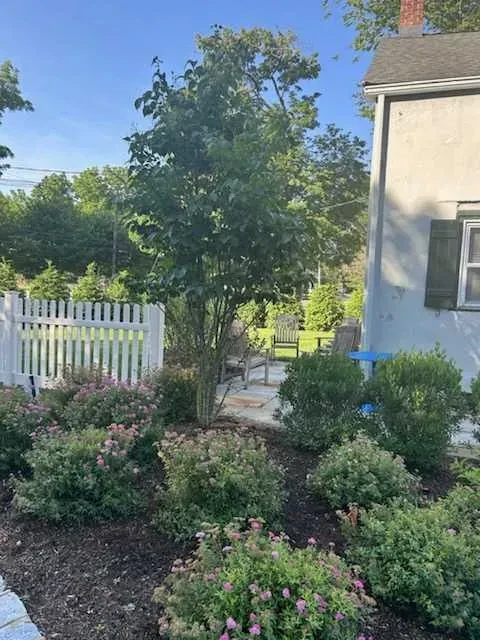
Designing a garden bed that performs well in every season requires careful planning and informed plant choices. This guide presents practical strategies for selecting species and maintaining beds so they remain resilient and attractive year-round. Applying sound design principles and addressing species-specific needs will produce a sustainable, colourful planting that is straightforward to maintain. Many garden beds lose interest at certain times of year; deliberate plant selection and routine maintenance prevent those gaps. This article covers plant selection, maintenance routines, seasonal colour and texture, and practical implementation tips.
- Choosing plants suited to local climate and soil ensures a sustainable, year-round vibrant garden bed.
- Combining evergreens with seasonal plants provides continuous structure, color, and visual interest throughout the year.
- Proper soil preparation and regular mulching improve plant health and help maintain garden bed aesthetics.
- Seasonal maintenance like pruning, watering, and protecting plants supports garden bed vitality in all weather conditions.
- Incorporating focal points, varied foliage, and ground covers enhances texture and seasonal color diversity.
- Planning plant spacing based on mature size prevents overcrowding, promoting healthy growth and visual appeal.
- Optimizing irrigation with drip systems and timing reduces water waste and supports plant health in varied climates.
- Avoiding common mistakes such as neglecting soil prep and overcrowding improves long-term garden bed success.
- Using native and drought-tolerant plants increases sustainability and reduces maintenance requirements in local environments.
Expert Plant Selection Strategies
Choosing plants adapted to local climate and soil is the foundation of a year-round bed. Combine evergreens with seasonal species to supply structure and recurring colour, and layer plants of different heights and textures to create depth and seasonal interest.
Engaging a horticultural professional can refine plant selection and ensure a sustainable planting scheme that meets your maintenance objectives.
Maintenance Techniques
Ongoing maintenance preserves plant health and appearance. Regular, scheduled care keeps beds vigorous and attractive. Key techniques include:
- Soil Preparation: Proper soil preparation is vital for plant health. Testing your soil and amending it with organic matter can improve its structure and nutrient content.
- Mulching: Regular mulching helps retain moisture and suppress weeds, which is essential for maintaining aesthetics and plant health.
- Weed Control: Keeping weeds at bay is crucial for the overall appearance of your garden bed. Regularly check for and remove any weeds that may compete with your plants.
Consistent application of these practices will maintain plant vigour and keep beds looking their best through the seasons.
Seasonal Care Practices
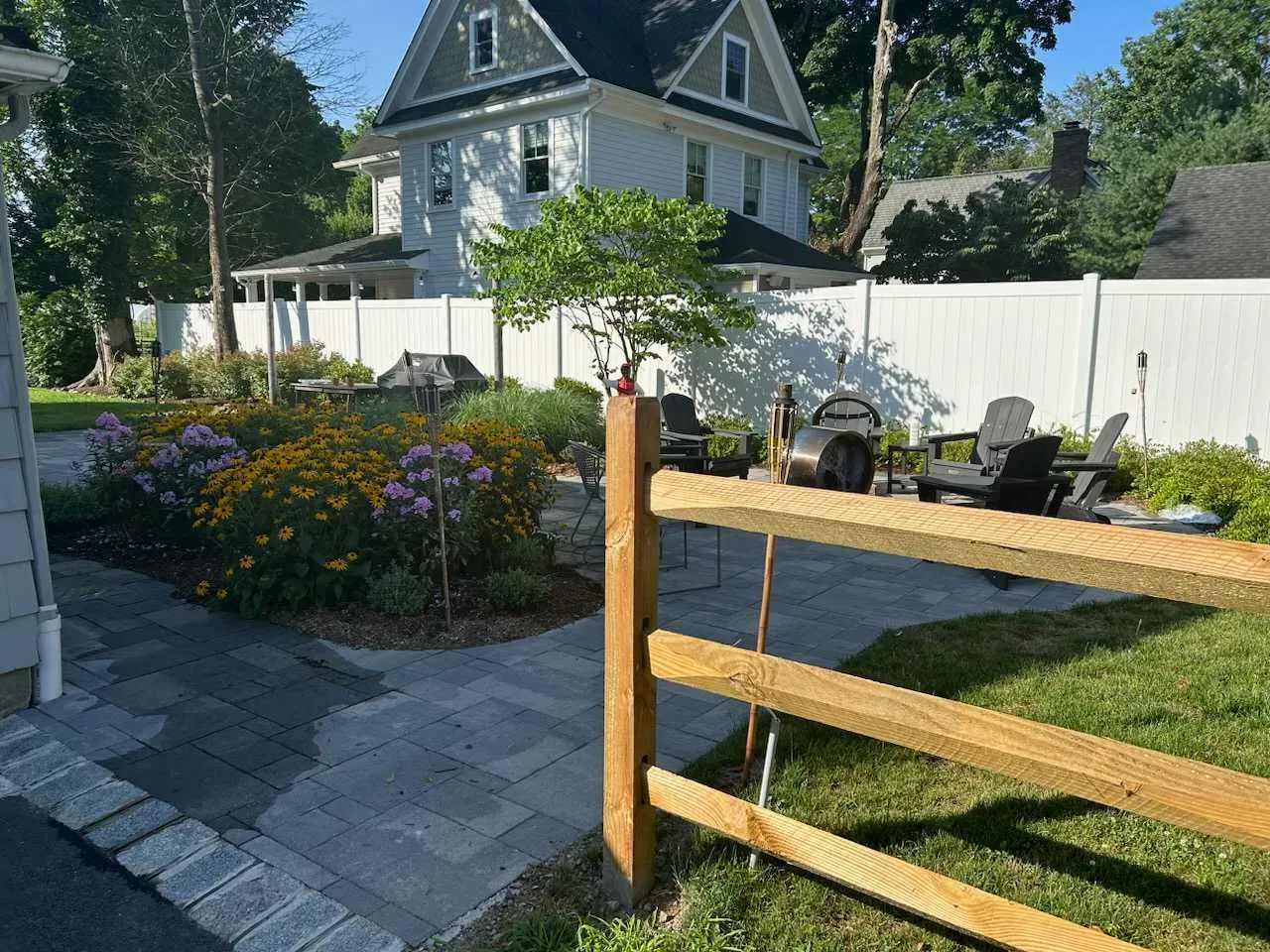
Seasonal care ensures plants tolerate changing conditions and continue to perform. Key actions by season include:
- Spring: Focus on cleaning up debris and applying fresh mulch to prepare for new growth.
- Summer: Regular watering and deadheading spent blooms will encourage continued flowering and prevent plants from becoming leggy.
- Fall: Pruning and preparing plants for winter will help them thrive in the next growing season.
- Winter: Protecting sensitive plants with mulch or coverings can prevent damage from frost.
Applying these seasonal tasks will help maintain vigour and visual interest throughout the year.
Tips for Seasonal Color and Texture
Plan for seasonal shifts by incorporating focal points, groundcovers and a mix of foliage textures. These elements preserve colour, structure and tactile variety as the seasons change.
- Use Focal Points: Incorporate focal points such as ornamental grasses or unique sculptures to draw the eye and create interest.
- Incorporate Ground Covers: Ground covers can fill gaps and provide a lush appearance, enhancing the overall texture of your garden bed.
- Mix Foliage: Combining plants with different leaf shapes and colors can add depth and visual appeal.
A considered planting plan delivers a dynamic bed that remains engaging in every season.
Which Plants Ensure Year-Round Interest in Garden Beds?
Some species provide reliable seasonal interest. For example: Japanese maple for striking autumn colour; hydrangeas for summer blooms and winter form; and boxwood for year-round structure and formal shaping.
Incorporating these plants into your garden bed will ensure that it remains attractive across all seasons.
How Do Evergreens and Seasonal Accents Enhance Garden Bed Appeal?
Evergreens provide year-round structure and a stable backdrop for seasonal accents. Flowering annuals and perennials add bursts of colour and textural contrast when placed to complement evergreen form. This combination maintains interest and balance throughout the year.
How Should You Prepare Soil and Layout for a Sustainable Garden Bed?
Begin with a soil test to determine pH and nutrient levels, then amend with compost or other organic matter to improve fertility and structure.
Plan spacing based on plants’ mature size to avoid overcrowding, reduce competition for resources and simplify ongoing maintenance.
How Does Bed Shape and Edging Influence Garden Design?
Bed shape affects visual style: curved beds create a natural appearance while straight edges convey formality. Select edging materials—stone, wood or metal—to define the bed and limit grass and weed encroachment, which reduces maintenance.
What Seasonal Maintenance Practices Keep Garden Beds Attractive All Year?
To keep your garden bed looking its best, implement the following seasonal maintenance practices:
- Regular Cleanups: Removing debris and dead plant material prevents disease and keeps the garden tidy.
- Mulching: Applying mulch retains moisture and suppresses weeds, contributing to a healthy garden environment.
- Pruning: Regular pruning encourages healthy growth and can enhance the shape and appearance of your plants.
Routine seasonal maintenance reduces pest and disease risk and preserves the bed’s appearance.
Which Pruning, Fertilizing, and Mulching Techniques Are Essential Each Season?
Different plants require specific pruning, fertilizing, and mulching techniques throughout the seasons. Here are some essential guidelines:
- Pruning: Timing varies by plant type; for example, spring-flowering shrubs should be pruned after blooming, while summer-flowering varieties can be pruned in late winter.
- Fertilizing: Use a balanced fertilizer in early spring to support new growth, and consider a slow-release option for sustained feeding.
- Mulching: Apply a layer of organic mulch in spring to retain moisture and suppress weeds, refreshing it as needed throughout the growing season.
Appropriate pruning, fertilizing and mulching schedules support plant health and a sustained display.
How Can Irrigation Be Optimized for Climate Conditions?
Optimizing irrigation is crucial for maintaining a healthy garden bed, especially in varied climate conditions. Consider the following strategies:
- Efficient Irrigation Systems: Drip irrigation systems can conserve water while delivering moisture directly to the plant roots.
- Timing: Watering early in the morning or late in the evening reduces evaporation and ensures that plants receive adequate moisture.
- Local Rainfall Patterns: Adjust your irrigation schedule based on seasonal rainfall to prevent overwatering or drought stress.
These irrigation approaches conserve water while meeting plants’ moisture needs across different seasons.
What Common Mistakes Should Be Avoided in Year-Round Garden Bed Design?
Avoiding common mistakes can significantly enhance the success of your garden bed design. Here are some pitfalls to watch out for:
- Overcrowding: Planting too closely can lead to competition for resources and increased disease risk.
- Ignoring Mature Sizes: Failing to consider the mature size of plants can result in overcrowding and poor aesthetics.
- Neglecting Soil Preparation: Inadequate soil preparation can hinder plant growth and overall garden health.
Being mindful of these pitfalls improves long-term performance and appearance.
How Does Overcrowding Affect Plant Health and Visual Appeal?
Overcrowding forces plants to compete for light, water and nutrients, which stunts growth and raises disease susceptibility. It also disrupts the intended design. Space plants according to their mature dimensions to maintain vigour and visual clarity.
What Are the Tradeoffs Between Maintenance Effort and Aesthetic Outcomes?
Balance maintenance demands with desired visual impact. Some high-impact plants require more intensive care, while lower-maintenance species offer reliable but subtler displays. Group plants with similar care needs to simplify maintenance without sacrificing design goals.
How Do Local Climate and Soil Conditions Affect Garden Bed Planning?
Match plant choices to local climate and soil characteristics. Use local rainfall and temperature norms when selecting species, and amend soil where necessary to provide stable growing conditions. Tailoring selections to regional conditions improves resilience and reduces inputs.
Which Native and Drought-Tolerant Plants Thrive Locally?
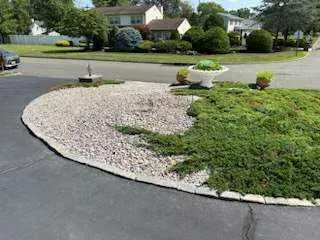
Incorporating native and drought-tolerant plants reduces maintenance and supports local ecology. Consider species that are proven to perform in your regional conditions.
These plants not only thrive in local conditions but also support the local ecosystem.
How Should Seasonal Care Be Adjusted for Regional Weather Patterns?
Adjust seasonal care to local weather patterns: improve drainage during wet periods and increase irrigation during dry spells. Tailor routines to regional conditions to protect roots and sustain growth.
Frequently Asked Questions
1. How can I incorporate seasonal interest in my garden bed design?
Select plants that flower at staggered times and combine perennials, annuals and evergreens to maintain colour and texture year-round. Use structures such as trellises for climbers and schedule deadheading and staggered planting to extend seasonal interest.
2. What steps should I take for winterizing my garden bed?
Clear dead material and debris, apply mulch to insulate the soil, wrap frost-sensitive plants with burlap where appropriate, and stake newly planted trees against winter winds. Cut back perennials to the recommended height so crowns remain protected.
3. What are the benefits of using native plants in garden beds?
Native plants generally require less maintenance because they are adapted to local climate and soil. They support pollinators and other wildlife and often show improved resistance to regional pests and diseases, which reduces chemical inputs.
4. Can I create a low-maintenance garden bed?
Yes. Choose drought-tolerant species, group plants by water and light requirements, use mulch to suppress weeds and retain moisture, and consider drip irrigation to automate watering. Thoughtful selection and layout will minimise upkeep.
5. How does plant spacing influence garden bed health?
Correct spacing prevents resource competition, improves air circulation and reduces fungal disease risk. Plan spacing around each plant’s mature size to support healthy growth and maintain the intended design.
6. What role do soil amendments play in garden bed success?
Adding organic matter improves soil structure, nutrient availability and drainage. Test soil pH before planting so amendments can be targeted to create optimal growing conditions; this foundational work supports robust plant health.
7. How can I effectively manage pests in my garden bed?
Encourage beneficial insects by promoting plant diversity, inspect regularly for early signs of damage, and use physical barriers when appropriate. If intervention is required, apply organic treatments such as insecticidal soap or neem oil as part of an integrated pest management approach.
Conclusion
A year-round attractive garden bed depends on informed plant selection and consistent maintenance. Combining evergreens with seasonal species, practising sound soil management and following a seasonal care plan will sustain plant health and visual appeal. Begin by listing suitable plants and a simple maintenance schedule to establish a reliable routine.