
Hydrangeas produce striking blooms and vivid colour, but maintaining flowering through the season requires consistent, species-specific care. Therefore, learning how to care for hydrangeas properly can help support healthier plants and more reliable blooms. This guide presents practical, evidence-based advice on pruning, fertilising, watering and diagnosing common bloom issues. Apply the recommended practices for your hydrangea type to promote steady flowering and overall plant health. In addition, seasonal and winter care measures are covered to support year-round vigour.
- Regular watering, fertilizing, and timely pruning are essential for continuous hydrangea blooming.
- Proper pruning removes dead stems and encourages new growth, maximizing flower production.
- Applying phosphorus-rich fertilizer in early spring supports root development and vibrant blooms.
- Different hydrangea species require specific pruning times and techniques. Therefore, identifying your hydrangea variety is important for optimal flowering.
- Maintaining slightly acidic to neutral soil pH (5.5–7) enhances hydrangea bloom vibrancy.
- Organic mulch retains soil moisture, regulates temperature, and suppresses competing weeds.
- Additionally, adjust watering frequency based on local climate to help prevent wilting or root rot.
- Organic pest controls and good air circulation help manage common hydrangea pests and diseases.
- Finally, seasonal maintenance and winter protection improve hydrangea survival and spring bloom quality.
What Are the Essential Hydrangea Care Practices for Continuous Blooming?
Continuous flowering depends on regular watering, targeted fertilising and correctly timed pruning. Together, these practices support plant vigour, preserve bud sites and improve flower quality. As a result, hydrangeas can produce healthier and more consistent seasonal blooms.
How Does Proper Pruning Enhance Hydrangea Bloom Production?
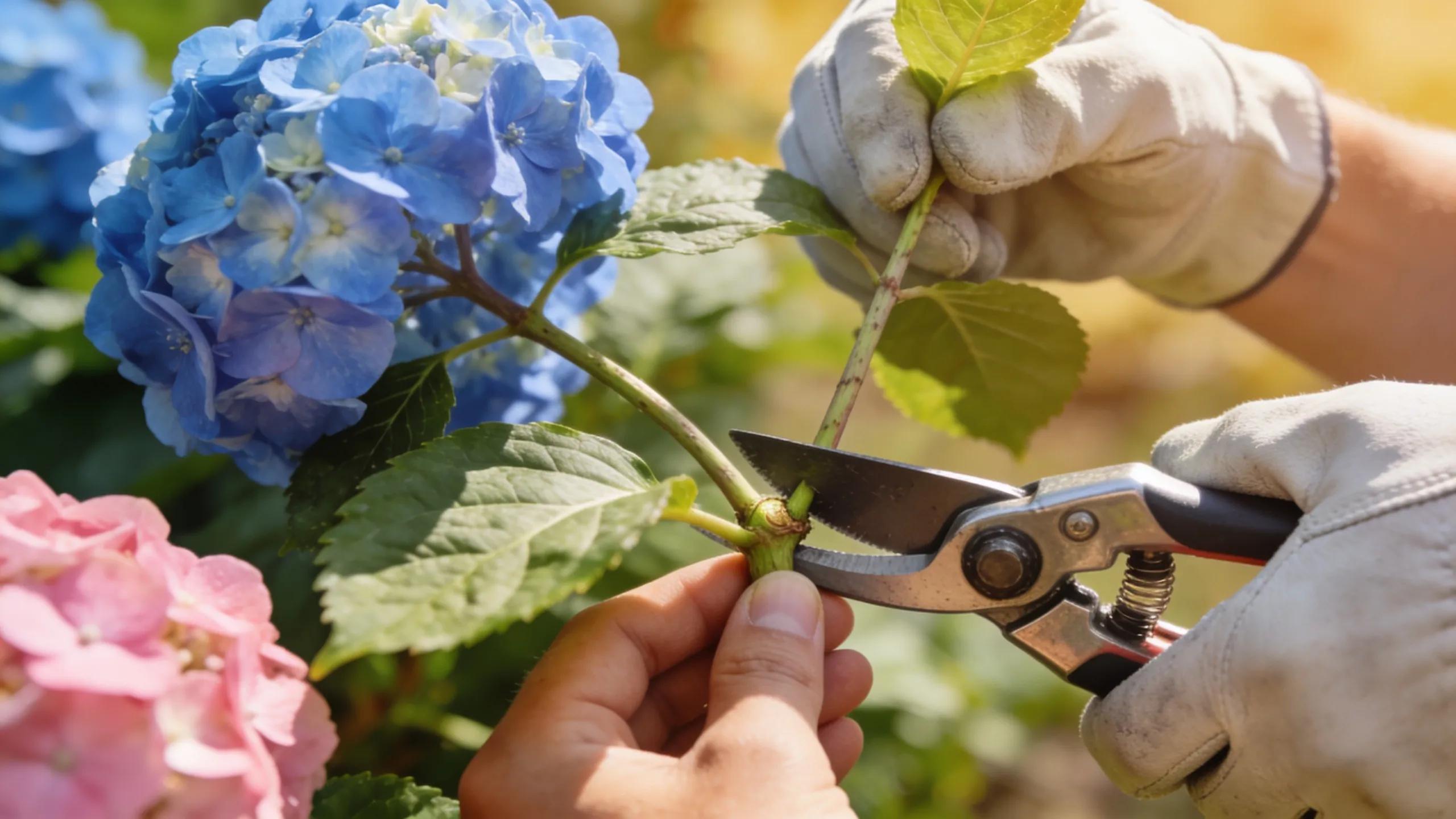
Pruning removes dead or weak stems and stimulates new growth, which increases bloom production. However, pruning must be done carefully because different hydrangea varieties develop flower buds at different times. Perform selective hand pruning to retain healthy wood and reduce disease risk. For example, removing damaged or crossing stems improves airflow while preserving productive branches. Timing is species-dependent; pruning at the correct stage—such as late winter or early spring for some types—helps protect developing flower buds.
What Fertilizing Strategies Support Healthy Hydrangea Growth?
Appropriate fertilising supports root development and flower set. For this reason, apply a balanced, phosphorus-rich fertilizer in early spring as new growth begins. In addition, incorporating organic matter improves nutrient availability and soil structure. As a result, hydrangeas can maintain more consistent growth and bloom production.
For tailored maintenance or design work, contact a local landscaping service.
When and How Should You Prune Hydrangeas for Maximum Flowering?
Pruning at the correct times with appropriate cuts preserves bloom sites and can significantly improve flowering. First, identify each species’ pruning needs. Then, apply techniques that protect next season’s buds.
Which Pruning Techniques Are Best Suited for Different Hydrangea Species?
Species differ in pruning requirements. For example, Hydrangea macrophylla benefits from pruning after flowering, while Hydrangea paniculata can be pruned in late winter. Therefore, matching pruning technique and timing to the species helps maintain health and encourages abundant blooms.
How Does Pruning Timing Affect Bloom Cycles in Morris County?
Therefore, monitor conditions and adjust pruning timing according to local seasonal cues. Because of this, gardeners should adjust pruning according to local seasonal conditions. Prune in relation to local frost dates and the plant’s growth pattern; pruning too early or too late can reduce flower production. Monitor conditions and adjust timing to local seasonal cues.
What Soil Conditions and pH Levels Optimize Hydrangea Flowering?
If the soil is too alkaline, lower the pH with elemental sulfur or suitable organic amendments. Conversely, lime may be used when soil pH needs to be increased. Therefore, maintaining suitable soil conditions can support healthier roots and more vibrant flowers. Maintaining appropriate pH and good soil quality supports healthy root systems and more vibrant flowers.
How to Test and Adjust Soil pH for Vibrant Hydrangea Blooms?
Use a home soil test kit to check pH. Hydrangeas prefer slightly acidic to neutral soil, typically between pH 5.5 and 7. If soil is too alkaline, lower pH with elemental sulfur or organic amendments. Regular testing and adjustment maintain conditions that favour flowering. As a result, hydrangeas can absorb essential nutrients more effectively.
Which Fertilizers Improve Soil Health and Support Hydrangea Growth?
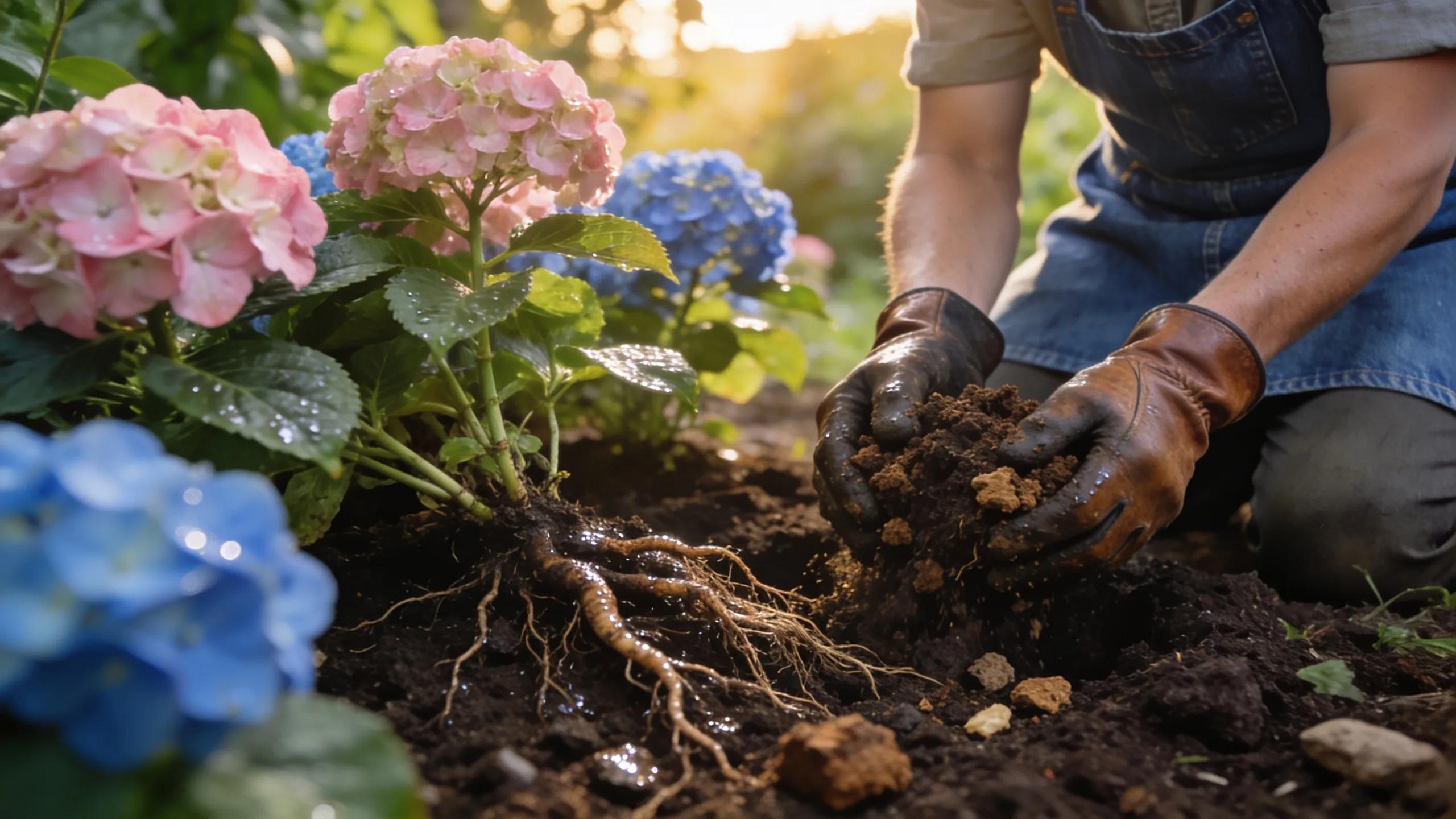
Organic fertilizers such as compost or well-rotted manure improve soil structure and nutrient content. Additionally, slow-release fertilizers supply steady nutrients over the season. Consequently, they can support more consistent bloom development.
How Should You Schedule Watering to Maintain Hydrangea Health?
Hydrangeas require consistent soil moisture. Establish a watering routine that keeps the root zone evenly moist without causing waterlogging to support steady flowering and root health.
What Are Climate-Adaptive Watering Practices for Morris County Gardens?
Adapt watering to local conditions in Morris County. Increase frequency during hot, dry periods and reduce irrigation after heavy rainfall. Ensure good drainage to prevent root rot and adjust schedules based on observed plant response and weather patterns.
How Does Mulching Contribute to Hydrangea Moisture Retention?
Apply organic mulch around the base to reduce evaporation and moderate soil temperature. Mulch helps retain moisture and suppress competing weeds, supporting steady root function.
What Are Common Hydrangea Bloom Problems and How Can They Be Resolved?
Bloom issues can arise even with routine care. Early identification and corrective actions focused on site conditions and plant health will help restore flowering.
Which Pests and Diseases Affect Hydrangeas and What Organic Controls Are Effective?
Aphids and spider mites can reduce vigour and flowering. Manage these pests with organic methods such as introducing beneficial insects or applying insecticidal soap. Maintain good air circulation and avoid overhead watering to reduce the risk of fungal diseases.
How to Troubleshoot and Prevent Hydrangea Blooms from Failing to Open?
Failure to bloom often stems from incorrect pruning, insufficient light or nutrient deficits. Evaluate growing conditions, correct pruning practices, adjust exposure if possible and address nutrient shortfalls to encourage bud development.
How to Prepare Hydrangeas for Seasonal Changes and Winter Care?
Seasonal preparation protects hydrangeas and supports next year’s blooms. Implement targeted maintenance steps as seasons change to sustain plant health.
What Seasonal Maintenance Practices Support Year-Round Blooming?
Apply fall mulch to insulate roots against freeze‑thaw cycles and protect developing root systems. Prune dead or damaged wood in early spring to promote vigorous new shoots and improve flowering potential.
How Does Winter Protection Influence Hydrangea Survival and Spring Bloom?
Winter protection such as burlap wrapping or covers reduces wind and cold damage and helps preserve flower buds. Suitable protection increases the likelihood of a healthy spring display.
Frequently Asked Questions
What types of hydrangeas are best suited for my garden?
Select hydrangeas by growth habit and bloom form. Common types include Hydrangea macrophylla</em, noted for large, showy flowers, and Hydrangea paniculata, which produces upright stems and cone-shaped inflorescences. Hydrangea quercifolia, or oakleaf hydrangea, offers distinctive foliage and fall color change. Choose a variety suited to your garden’s climate and soil to ensure vibrant blooms.
How can I tell if my hydrangeas are getting enough sunlight?
Hydrangeas perform best in partial shade with morning sun and afternoon protection. Leggy growth, sparse flowering or yellowing leaves can indicate insufficient light. Observe the plant’s position relative to sun exposure and adjust placement or pruning as needed.
What common mistakes should I avoid when caring for hydrangeas?
Avoid both overwatering and underwatering. Prune at the appropriate time for the species and avoid high‑nitrogen fertilizers that favour foliage over flowers. Use mulch to retain moisture and stabilise soil temperature. Regular observation and adjustments prevent common care errors.
How can I encourage my hydrangeas to change color?
Soil pH influences bloom colour. For bluer flowers, target acidic soil below pH 5.5 using sulfur or organic matter. For pinker blooms, increase alkalinity with lime or bone meal. Monitor soil pH with a test kit to manage flower colour effectively.
What are the symptoms of hydrangea diseases?
Symptoms include wilting, yellowing foliage or stunted growth, which may indicate root problems or fungal infection. Black spots and powdery mildew are also common. Regular inspection and cultural controls—improving air flow and ensuring well‑draining soil—are critical to management.
How long does it take for hydrangeas to bloom after planting?
Hydrangeas generally take one to two years to establish before producing reliable blooms. Timing varies by species and site care; in the first year, prioritise root development through consistent watering and appropriate feeding.
Can I propagate hydrangeas, and if so, how?
Hydrangeas propagate readily by cuttings, layering or division. Softwood cuttings taken in early summer, about 4 inches long, root well in a potting mix. Keep cuttings moist and shaded until roots form to expand your planting stock.
Conclusion
Consistent watering, correct pruning and appropriate fertilising form the foundation for continuous hydrangea blooms. These techniques improve plant health and sustain seasonal displays. Consult our detailed guides and recommended care products for further support with hydrangea maintenance.