
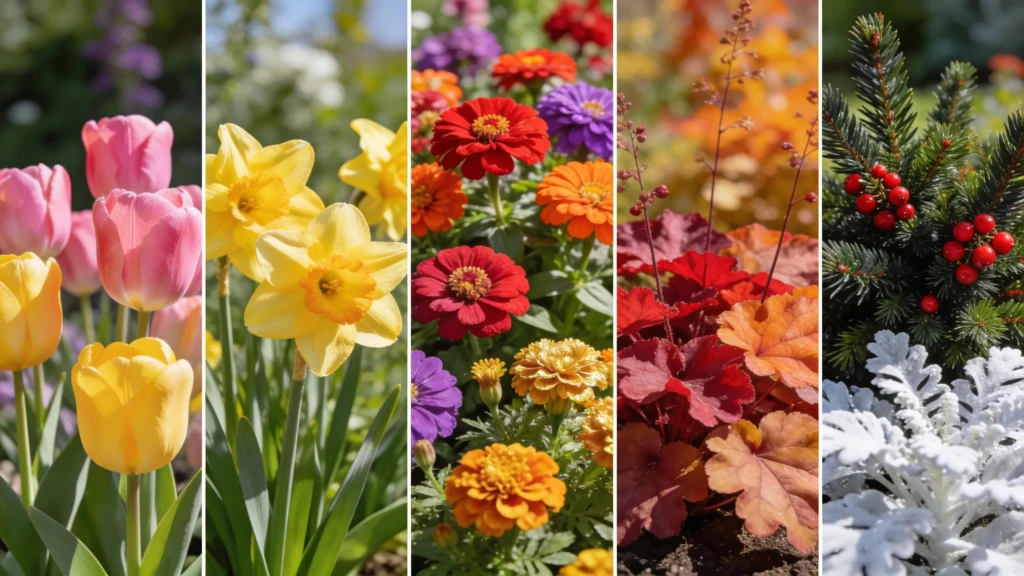
Designing a garden that delivers color year-round demands planning and knowledge of seasonal plant traits. This guide explains seasonal color gardening and practical design strategies to keep your landscape attractive in every season. By matching species to site conditions and layout, you can create coherent displays that reflect spring, summer, fall and winter. The article outlines plant selection for each season, maintenance tasks to sustain health and colour, common pitfalls to avoid, and care practices to preserve long-term performance.
- Planning for seasonal garden color requires selecting plants that bloom in spring, summer, fall, and winter.
- Spring color is achieved by combining annuals like pansies and perennials such as tulips for continuous blooms.
- Summer gardens thrive with zinnias, marigolds, and coneflowers that attract pollinators and require regular watering.
- Fall color depends on shrubs like burning bush and perennials like asters to create warm autumn hues.
- Winter interest comes from evergreens and winter-blooming plants like hellebores that add color and texture.
- Avoid overplanting by considering mature plant sizes and staggering bloom times to prevent seasonal color gaps.
- Year-round garden maintenance includes seasonal tasks like planting, watering, pruning, and protecting plants from harsh conditions.
- Adjusting plant care to local climate conditions improves garden resilience and supports continuous seasonal color.
Which Plants Provide Vibrant Color in Spring Gardens?
Spring provides the first major display of color. Select a mix of annuals and perennials with staggered bloom times to deliver continuous interest through the season.
What Are the Best Annuals and Perennials for Spring Color?
Pansies, petunias and snapdragons supply early-season color, while tulips, daffodils and hyacinths are reliable perennials that return each year. Combining these species builds a layered, dynamic spring display.
How to Design a Spring Garden Layout for Maximum Color Impact
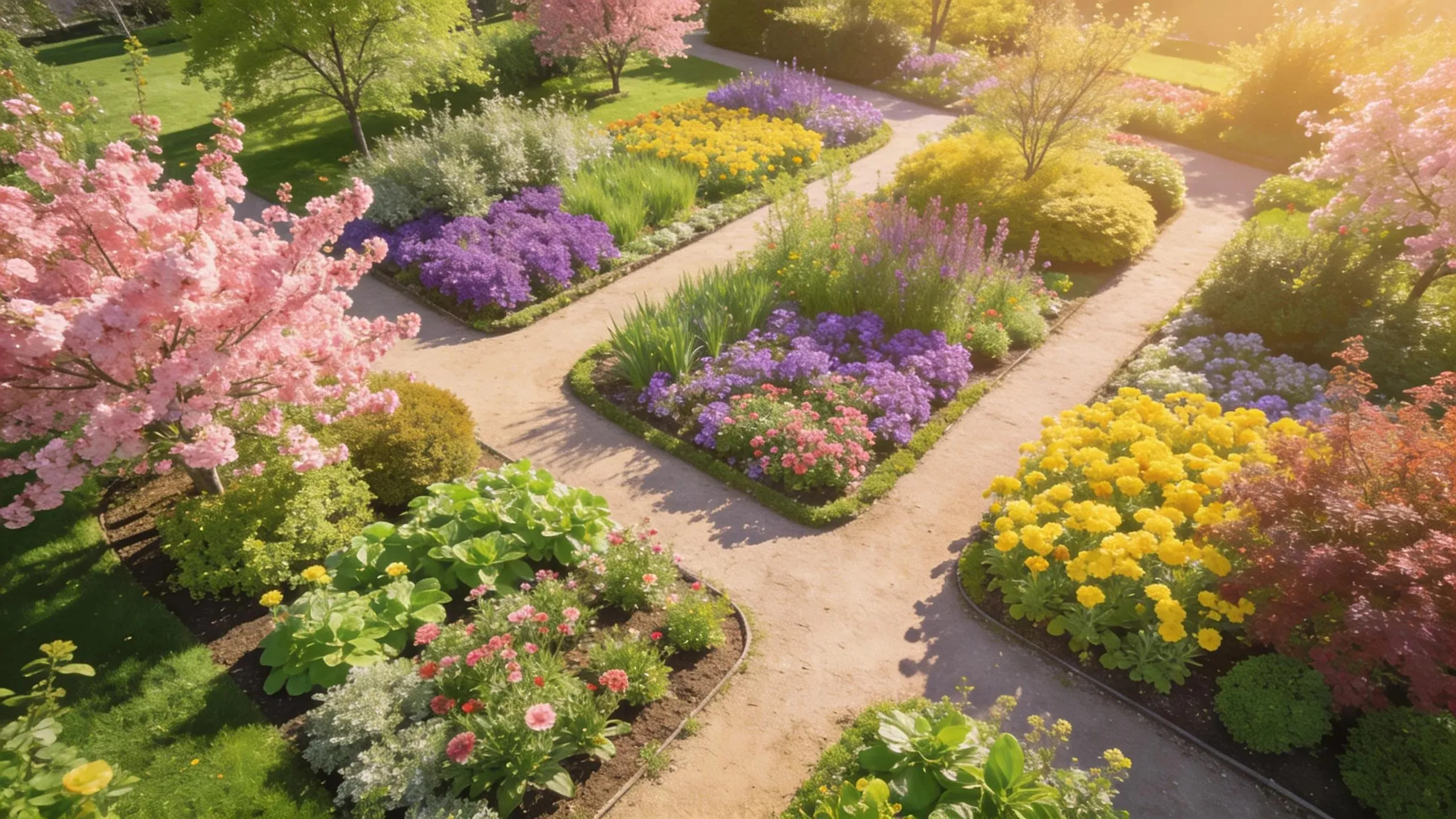
Begin with a site analysis of light and soil. Layer plants by height and group complementary colors to strengthen visual impact. Plan for maintenance access so watering and weeding are straightforward.
How to Maintain and Enhance Summer Seasonal Color Gardens?
Summer plantings require consistent care to retain vibrant color. Match maintenance to each species’ water and nutrient needs and monitor for stress to preserve bloom quality.
Which Plants Thrive and Bloom in Summer for Year-Round Color?
Zinnias, marigolds and coneflowers perform well in warm weather and attract pollinators, which supports overall garden health. Use these species alongside contrasting foliage to extend seasonal interest.
What Are Effective Summer Garden Care and Maintenance Tips?
Maintain regular irrigation during dry spells and inspect plants for pests. Apply mulch to conserve moisture and suppress weeds. For tailored planning or ongoing care, consult a qualified horticulture service.
What Are the Key Strategies for Fall Color Planning and Plant Selection?
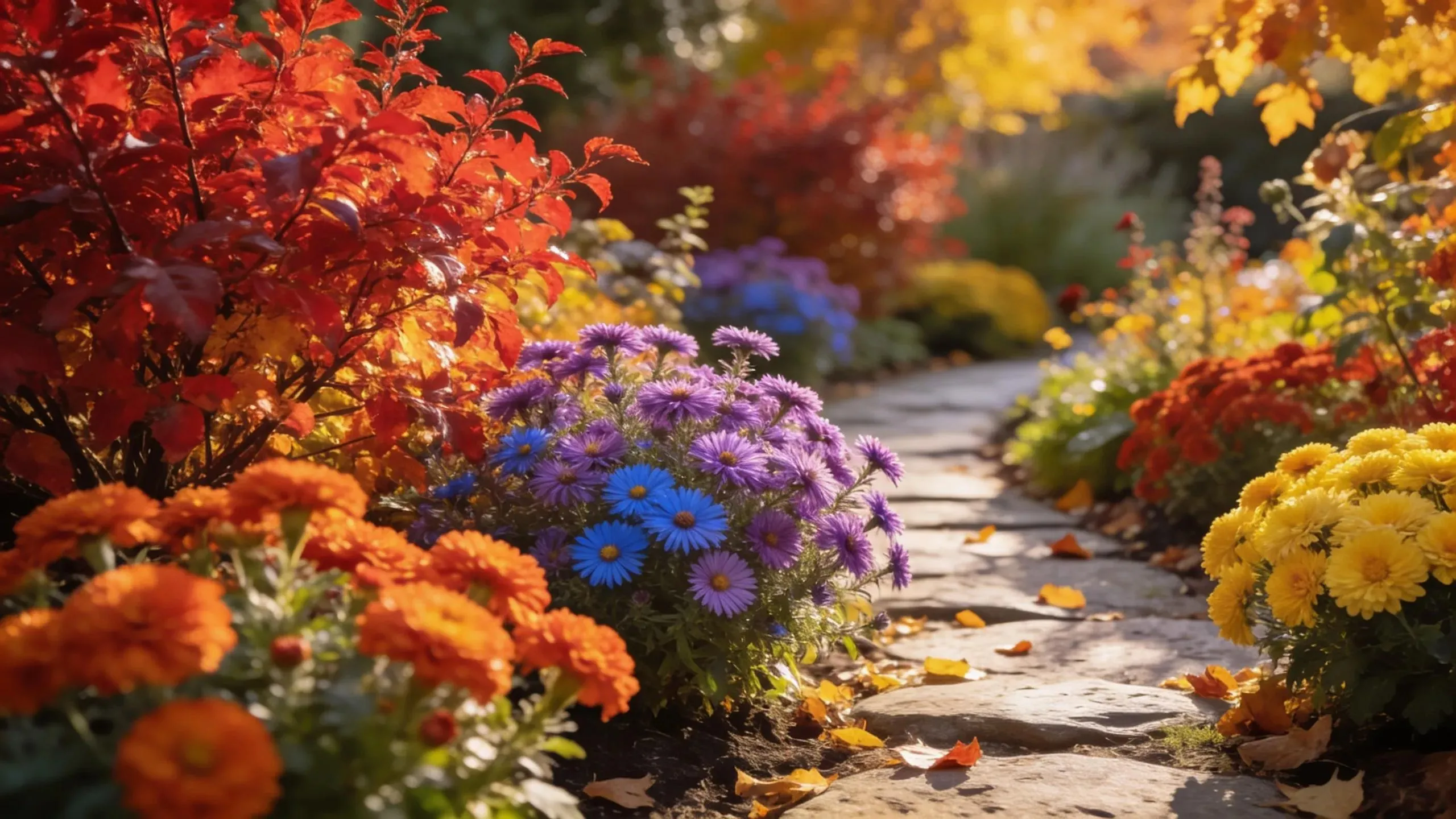
As summer ends, choose species that reliably display autumn color and suit your site. Proper timing and plant selection are essential to achieve a strong fall palette.
Which Shrubs and Perennials Offer Outstanding Fall Color?
Shrubs such as burning bush and perennials like asters and chrysanthemums provide rich reds, oranges and yellows. Planting a variety of these species extends autumn interest across the landscape.
How to Transition Your Garden Design for Autumn Seasonal Interest?
Adjust the design to emphasize fall tones by layering plants for height and texture. Include ornamental grasses to add movement and structure as foliage changes.
How Can You Achieve Garden Color During Winter Months?
With suitable species and structural elements, winter landscapes can retain color and form. Select plants that perform in cold conditions to maintain interest through winter.
What Plants and Features Provide Winter Garden Color?
Evergreens such as holly and boxwood provide backbone and color in winter. Hellebores offer winter blooms, and well-placed containers or ornaments create focal points when many plants are dormant.
How to Incorporate Evergreens and Ornamental Grasses for Winter Interest?
Siting evergreens and ornamental grasses to contrast with bare stems and snow adds texture and seasonal movement. Correct placement enhances visual impact during the cold months.
What Common Mistakes Should Be Avoided in Seasonal Color Garden Planning?
Avoiding common planning errors saves time and resources and helps secure a consistent seasonal display.
How to Prevent Overplanting and Seasonal Color Gaps?
Overplanting leads to competition for light, water and nutrients. Design with mature sizes in mind and stagger bloom times to prevent gaps in seasonal color.
What Are Practical Tips for Balancing Aesthetics and Plant Health?
Balance appearance with plant health through regular pruning and deadheading; these practices improve form and encourage vigorous growth. Learn each species’ cultural requirements to sustain both beauty and performance.
How to Maintain Year-Round Color Through Seasonal Garden Care?
Consistent seasonal maintenance preserves color and plant health. Follow a planned schedule of tasks to address each season’s priorities and protect plant performance.
What Are Essential Maintenance Tasks for Each Season?
Spring: planting and fertilizing; summer: irrigation and pest management; fall: pruning and winter preparation; winter: frost protection and structural care.
How to Adjust Plant Care to Local Climate Conditions?
Match care routines and species selection to local climate—adjust watering schedules and choose plants adapted to regional conditions. Professional horticulture advice can refine plans for local resilience.
Frequently Asked Questions
What should I consider when planning a year-round color garden?
Consider growth habit, bloom timing and mature size when planning. Combine annuals, perennials and evergreens with staggered flowering, and match light and soil conditions so plants coexist with minimal competition.
Are there specific plant groupings that work best for seasonal color?
Group plants with similar bloom periods to intensify impact. Plant in odd-number clusters for fullness, mix complementary colors and textures, and pair low annuals with taller perennials for layered depth.
How does climate affect my seasonal garden’s color strategy?
Climate determines which species will thrive and when they will flower. Know local temperature ranges, rainfall and light exposure so you can select suitable plants and schedule care to maintain consistent color.
What are the best practices for winter garden maintenance?
Prepare plants for cold by removing diseased material, watering evergreens before hard freezes and mulching root zones. Check winter-blooming species for pests and include structural plantings to retain interest during dormancy.
How can I prevent pest issues in my seasonal garden?
Choose disease-resistant varieties and maintain good hygiene. Inspect plants regularly and remove affected material promptly. Use companion planting, encourage beneficial insects, apply organic controls when needed and maintain healthy soil to reduce pest pressure.
What is the significance of proper spacing in a seasonal garden?
Proper spacing promotes airflow, reduces disease risk and allows root development. Avoid overcrowding to prevent competition for light and nutrients; follow spacing guidelines based on mature size to sustain growth and flowering.
How can I transition my garden designs for seasonal changes?
Plan overlapping bloom periods and introduce seasonal containers or ornaments to signal change. Layer heights and textures and update plantings at seasonal shifts to maintain visual interest.
Conclusion
Thoughtful seasonal planning produces a landscape with continuous color that supports wildlife and maintains visual appeal. Use the seasonal attributes of spring, summer, autumn and winter species, combine regular maintenance with considered design, and follow recommended plant selections and practical guidance to keep your garden resilient and colourful year-round.