
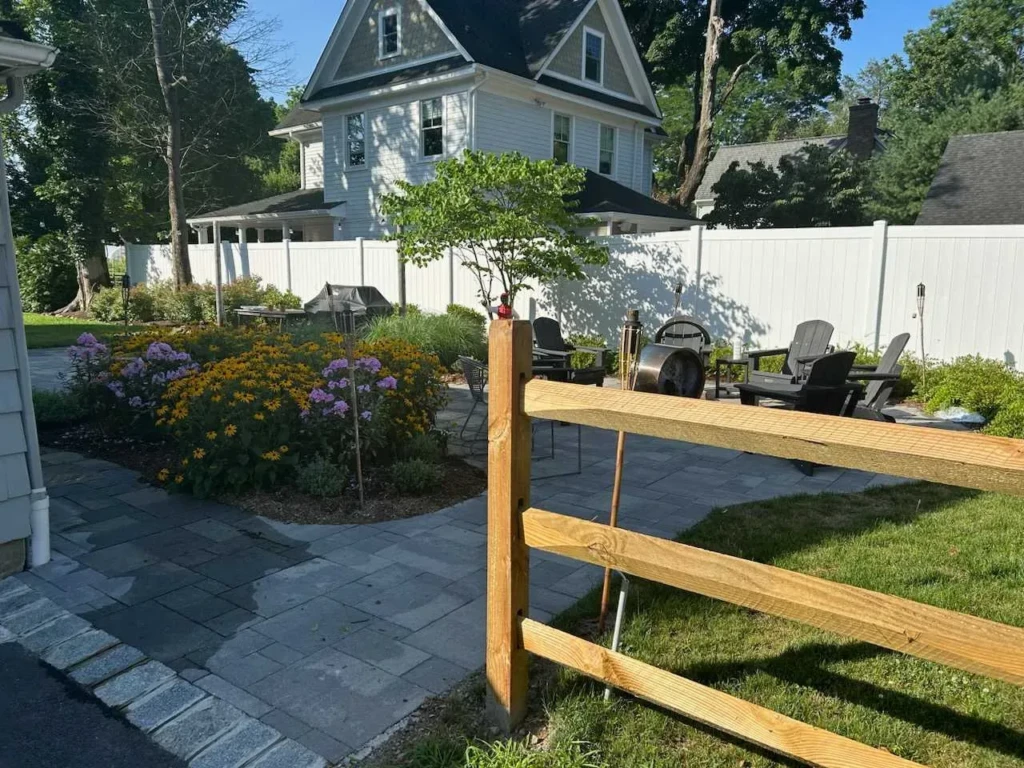
Restoring tired, patchy garden beds requires targeted strategies to recover plant vigour and appearance. This guide supplies practical, horticulturally sound advice on assessing and improving beds, with emphasis on soil health, plant selection and routine maintenance. Common challenges include poor soil structure, unsuitable plant choices and inconsistent care, which produce sparse, unproductive areas. Applying tested restoration methods will help convert these beds into resilient, productive plantings. The guide covers soil assessment, bed redesign, plant selection and maintenance practices that support long-term health.
- Assessing soil health through testing is essential for identifying nutrient deficiencies and pH imbalances.
- Amending soil with organic matter improves structure, fertility, and supports sustainable garden bed restoration.
- Redesigning garden beds by grouping plants with similar needs simplifies maintenance and enhances growth.
- Selecting native and low-maintenance plants promotes resilience and reduces the need for chemical inputs.
- Regular maintenance practices like cleanups, weeding, mulching, and pruning sustain garden bed health and vitality.
- Mulching retains soil moisture, suppresses weeds, and enriches soil as organic material decomposes.
- Proper edging defines garden beds, prevents grass invasion, and facilitates easier maintenance.
- Ongoing soil testing and fertilization support nutrient balance and promote diverse, healthy plant life.
- Addressing drainage and soil compaction issues is critical to prevent plant stress and patchy growth.
Restoration Strategies
Restoration strategies revive garden beds that have become weak or patchy. They combine soil improvement, appropriate plant selection and layout adjustments to support stronger growth. Applying these methods improves both appearance and productivity.
Soil Assessment and Preparation

Assessing soil is the first step in bed restoration. Tests for pH, nutrient content and structure guide amendment decisions and inform planting choices. Typical actions include laboratory or home testing, analysing results and planning targeted corrections.
- Conducting Soil Tests: Testing soil samples helps identify nutrient deficiencies and pH imbalances.
- Amending Soil with Organic Matter: Adding compost or well-rotten manure improves soil structure and nutrient availability.
- Evaluating pH and Nutrient Levels: Adjusting pH with lime or sulfur can optimize conditions for plant growth.
After assessing the soil, implement targeted amendments to create a fertile environment tailored to the plants you intend to grow.
For a deeper dive into the importance of organic matter in maintaining soil fertility and preventing degradation, the following research offers valuable insights.
Organic Amendments for Soil Fertility and Degradation Prevention
The decline in organic matter content of many soils is becoming a major process of soil degradation, particularly in European semi-arid Mediterranean regions. Degraded soils are not fertile and thus cannot maintain sustainable production. At the same time, the production of urban and industrial organic waste materials is widespread. Therefore, strategies for recycling such organic waste in agriculture must be developed.Long-term effects of organic amendments on soil fertility.
A review, M Diacono, 2010
Garden Bed Redesign
A considered redesign can simplify care and boost plant performance. Prioritise grouping plants by light and water requirements, incorporate native or low-input species and select local materials that support site ecology and reduce maintenance demands.
- Simplifying Care: Grouping plants with similar water and light requirements reduces maintenance efforts.
- Creating Sustainable Landscapes: Incorporating native plants can improve resilience and reduce the need for chemical inputs.
- Using Locally-Sourced Materials: Selecting materials that are native to your area can enhance the ecological balance of your garden.
Thoughtful redesign improves visual appeal while supporting a healthier garden ecosystem and more efficient maintenance routines.
Plant Selection
Selecting appropriate plants is essential for bed performance. Choose species adapted to local climate and soil, group plants by water and light needs, and consider height, colour and texture to achieve balanced visual composition.
- Selecting Plants Based on Local Climate: Opt for varieties that thrive in your region’s climate to ensure better growth and resilience.
- Grouping Plants by Needs: Organizing plants with similar water and sunlight requirements can enhance their growth potential.
- Promoting Visual Harmony: Consider the height, color, and texture of plants to create a visually appealing arrangement.
Appropriate plant selection reduces maintenance demands and supports long-term vigour in your beds.
Maintenance Techniques
Regular maintenance prevents decline and promotes steady growth. Implement seasonal cleanups, timely weeding, correct mulching and routine pruning to sustain bed health and minimise recurring problems.
- Regular Cleanups: Seasonal cleanups help remove debris and dead growth, setting the stage for new growth.
- Weed Control Methods: Early weed removal protects surrounding plants and reduces competition for resources.
- Importance of Mulching: Applying mulch retains moisture, suppresses weeds, and provides nutrients as it decomposes.
Consistent application of these maintenance techniques will help your garden beds remain productive throughout the growing season.
Regular Cleanups
Seasonal cleanups remove debris and dead growth to reduce pest and disease reservoirs and to prepare beds for new growth. Clearing old material also improves air circulation and light penetration for remaining plants.
- Spring and Fall Cleanups: Removing debris and dead growth prepares the garden for new growth.
- Removing Debris and Dead Growth: Clearing away old plant material prevents pests and diseases from overwintering.
- Setting the Stage for New Growth: A clean garden bed allows for better air circulation and light penetration.
Regular cleanups both enhance appearance and create healthier conditions for subsequent planting and growth.
Weed Control
Effective weed control reduces competition for nutrients, water and light. Remove weeds early, take care to avoid disturbing adjacent roots, and favour mechanical and biological methods such as hand-pulling and mulching over routine chemical use.
- Early Weed Removal: Addressing weeds promptly prevents them from establishing and competing with your plants.
- Protecting Surrounding Plants: Careful weeding minimizes disturbance to nearby plants.
- Using Organic Methods: Employing natural weed control methods, such as mulching or hand-pulling, can be effective and environmentally friendly.
Implementing these strategies helps keep beds free from invasive growth while protecting desirable plants.
Mulching

Mulching supports bed recovery by retaining soil moisture, suppressing weeds and contributing organic matter as it decomposes. Proper mulch selection and depth are important to maximise these benefits.
- Retaining Moisture: Mulch helps maintain soil moisture levels, reducing the need for frequent watering.
- Suppressing Weeds: A thick layer of mulch can prevent weed growth by blocking sunlight.
- Providing Nutrients: Organic mulches break down over time, enriching the soil with nutrients.
Applying mulch correctly—at recommended depths and clear of stems—will improve both the health and appearance of your beds.
Edging
Defined edges prevent grass and spreading weeds from encroaching into beds, simplify mowing and trimming tasks and contribute to an orderly landscape aesthetic.
- Preventing Grass Invasion: Edging helps keep grass and weeds from encroaching on garden beds.
- Making Maintenance Easier: Clear boundaries simplify mowing and trimming tasks.
- Enhancing Visual Appeal: Well-defined edges contribute to a polished and organized look.
Implementing edging methods improves both maintenance efficiency and the overall presentation of the garden.
Pruning
Pruning supports plant health by removing dead or congested growth, encouraging new shoots and improving air circulation. Regular, correct pruning reduces disease pressure and refines plant form.
- Promoting Healthy Growth: Regular pruning encourages new growth and improves air circulation.
- Improving Appearance: Shaping plants through pruning enhances their visual appeal.
- Enhancing Airflow: Removing dead or overcrowded branches allows for better light penetration and airflow.
Incorporate pruning into maintenance routines to maintain plant vigour and structure.
Enhancing Soil Health and Plant Vitality
Soil health underpins successful garden beds. Use a combination of suitable fertilisation, routine testing and ongoing cultural care to maintain nutrient balance, soil structure and biological activity.
- Fertilization Techniques: Regular fertilization supports diverse plant life and promotes growth.
- Importance of Soil Testing: Conducting soil tests helps monitor nutrient levels and adjust care accordingly.
- Ongoing Maintenance Practices: Consistent care, including watering and pest management, is crucial for plant health.
Attending to soil health creates the conditions plants need to establish and thrive.
Fertilization
Periodic fertilisation supplies essential nutrients and supports a range of plant species. Where appropriate, choose organic fertilisers to maintain soil biology and limit synthetic inputs.
- Periodic Fertilization: Regularly applying fertilizers ensures plants receive essential nutrients.
- Supporting Diverse Plant Life: A balanced nutrient supply promotes a variety of plant species.
- Using Organic Fertilizers: Organic options can enhance soil health without harmful chemicals.
A planned fertilisation regime will help sustain plant vigour and diversity across the bed.
Soil Testing
Regular soil testing reveals nutrient levels, pH and other factors that influence plant performance. Test results should guide amendments and fertilisation decisions to ensure plants receive the right inputs.
- Monitoring Nutrient Levels: Regular tests help track nutrient availability and deficiencies.
- Adjusting Care Based on Results: Soil test results inform necessary amendments and fertilization strategies.
- Ensuring Optimal Growth: Tailoring care to soil conditions promotes healthy plant development.
Routine testing helps maintain a productive and balanced growing medium.
Ongoing Maintenance
Consistent care—regular watering, prompt pest and disease monitoring and timely cultural tasks—keeps plants vigorous and reduces the need for corrective work.
- Regular Watering: Consistent watering supports plant growth and prevents stress.
- Pest and Disease Management: Monitoring for pests and diseases helps protect plant health.
- Keeping Plants Healthy: Routine care ensures plants remain vigorous and productive.
Prioritising ongoing maintenance yields steady, predictable results and a healthier garden over time.
What Are the Common Causes of Tired and Patchy Garden Beds?
Common causes of tired, patchy beds include poor soil health, inadequate drainage and unsuitable plant choices. These factors reduce plant vigour and can lead to uneven growth patterns across a bed.
- Soil Health Issues: Poor soil quality can lead to nutrient deficiencies and plant stress.
- Drainage Problems: Inadequate drainage can cause waterlogging, harming plant roots.
- Plant Selection Mistakes: Choosing inappropriate plants for the environment can result in poor growth.
Identifying the underlying cause is the first step toward effective restoration and targeted corrective action.
How Do Soil Health and Drainage Affect Garden Bed Condition?
Soil health and drainage determine root function and nutrient availability. Nutrient shortages cause stunted growth and chlorosis, incorrect pH impedes uptake of key elements, and compaction restricts root development and water infiltration.
- Nutrient Deficiency Effects: Poor soil can lead to stunted growth and yellowing leaves.
- pH Imbalance Consequences: Incorrect pH levels can hinder nutrient uptake, affecting plant health.
- Compacted Soil Issues: Compacted soil restricts root growth and water infiltration.
Addressing these soil and drainage issues is essential to restore bed vitality and plant performance.
Which Plant Issues Lead to Patchy Growth in Garden Beds?
Patchy growth often results from uneven planting density, poor soil quality or inconsistent watering. These issues create competition for resources and can stress weaker plants.
- Inconsistent Planting Effects: Uneven spacing can lead to competition for resources.
- Soil Quality Impacts: Poor soil conditions can stunt growth and lead to patchy areas.
- Watering Issues: Inadequate or excessive watering can cause stress and uneven growth.
Recognising these problems allows you to apply specific remedies, such as adjusting spacing, improving soil or correcting irrigation.
How Can Soil Health Be Improved to Restore Garden Beds?
Improve soil health through regular testing, incorporating organic matter such as compost or aged manure, and using practices like crop rotation and cover crops to rebuild structure and fertility over time.
- Conducting Soil Tests: Regular testing helps identify nutrient needs and deficiencies.
- Amending Soil with Organic Matter: Adding compost or other organic materials enhances soil structure and fertility.
- Best Practices for Revitalization: Implementing crop rotation and cover cropping can improve soil health over time.
Focusing on soil improvement creates a more resilient, productive growing medium for all planted species.
What Organic Soil Amendments Enhance Nutrient Levels?
Useful organic amendments include well-rotted compost, aged manure and green manures. These materials improve soil structure, water retention and nutrient availability when incorporated correctly.
- Types of Organic Amendments: Compost, aged manure, and green manures are excellent choices.
- Benefits for Soil Health: These amendments improve soil structure, water retention, and nutrient availability.
- Application Methods: Incorporating amendments into the soil during preparation ensures even distribution.
Using these amendments supports soil biology and enhances long-term fertility.
How Does Aeration and Soil Preparation Support Revival?
Aeration increases oxygen flow to roots and alleviates compaction, while thorough soil preparation improves structure and nutrient access, encouraging deeper root systems and healthier plants.
- Core Aeration Benefits: Aerating the soil improves oxygen flow to plant roots, promoting healthy growth.
- Soil Preparation Techniques: Properly preparing the soil enhances its structure and nutrient availability.
- Improving Root Growth: Well-aerated soil allows roots to expand and access nutrients more effectively.
Incorporating aeration and careful preparation into your maintenance routine can produce measurable improvements in plant health.
What Are Effective Plant Selection and Replacement Strategies?
Effective selection and replacement focus on low-maintenance, regionally appropriate species, grouping by needs and layering by height to optimise space and visual structure.
- Choosing Low-Maintenance Plants: Selecting hardy varieties can reduce upkeep and enhance resilience.
- Grouping Plants by Needs: Organizing plants with similar requirements can simplify care.
- Layering by Height: Arranging plants by height creates visual interest and maximizes space.
Adopting these strategies will help maintain vibrant, low-effort beds that perform consistently.
Which Plants Are Best Suited for Reviving Patchy Beds?
Choose native species, perennials and drought-tolerant varieties where appropriate. These selections tend to establish well, require less intervention and provide seasonal structure and colour.
- Native Plant Benefits: Native plants are adapted to local conditions and require less maintenance.
- Low-Maintenance Options: Perennials and drought-tolerant species can thrive with minimal care.
- Visual Harmony in Plant Selection: Choosing plants with complementary colors and textures enhances the overall aesthetic.
Prioritising suitable plant choices will improve both the health and appearance of your beds.
How to Choose Native and Sustainable Plant Varieties?
Select native and sustainable varieties that match your site’s soil and microclimate. These species support local wildlife, use fewer inputs and typically need less irrigation and chemical treatment.
- Adaptation to Local Conditions: Native plants are better suited to local climates and soil types.
- Ecosystem Support: Native species support local wildlife and promote biodiversity.
- Reduced Maintenance Needs: Sustainable plants often require less water and fewer chemical inputs.
Incorporating native varieties strengthens ecosystem function and reduces long-term maintenance requirements.
How Does Mulching and Moisture Management Aid Garden Bed Recovery?
Mulching and moisture management are central to recovery. Mulch reduces evaporation, suppresses weeds and gradually improves soil organic content, while proper irrigation maintains consistent soil moisture for root development.
- Benefits of Mulching: Mulch retains soil moisture, suppresses weeds, and adds organic matter as it decomposes.
- Moisture Retention Techniques: Using organic mulches can significantly improve water retention in the soil.
- Weed Control Methods: A thick layer of mulch can prevent weed growth, reducing competition for resources.
Applying mulches and managing irrigation deliberately will support bed recovery and longer-term plant health.
What Types of Mulch Improve Soil Moisture Retention?
Shredded leaves, organic wood chips and small amounts of grass clippings each have roles: leaves and wood chips retain moisture and break down slowly, while thin layers of grass clippings supply nitrogen if used carefully.
- Shredded Leaves Benefits: Shredded leaves decompose slowly, providing nutrients while retaining moisture.
- Organic Wood Chips Advantages: Wood chips create a barrier that reduces evaporation and suppresses weeds.
- Grass Clippings Use: Fresh grass clippings can provide nitrogen and help retain moisture when applied in thin layers.
Select the mulch type that best suits the plants and moisture regime in each bed to achieve optimal results.
When and How Should Mulch Be Applied for Best Results?
Apply mulch in early spring or fall to help regulate soil temperature and moisture. Spread organic mulch evenly to a depth of 2–4 inches and keep it away from plant stems to reduce rot risk.
- Best Timing for Mulching: Applying mulch in early spring or fall can help regulate soil temperature and moisture.
- Application Techniques: Spreading mulch evenly to a depth of 2-4 inches ensures effective moisture retention and weed suppression.
- Avoiding Common Mistakes: Preventing mulch from touching plant stems can reduce the risk of rot and pest issues.
Follow these practices to maximise the benefits of mulching and avoid common problems.
What Seasonal Maintenance Practices Support Long-Term Garden Bed Health?
Seasonal maintenance tasks—spring and fall cleanups, scheduled watering and regular inspections—help beds transition between growth cycles and reduce pest and disease pressure.
- Spring and Fall Maintenance Tasks: Regularly scheduled tasks help prepare the garden for changing seasons.
- Ongoing Care Routines: Consistent watering, weeding, and monitoring for pests are essential for plant health.
- Importance of Regular Inspections: Frequent checks for signs of stress or disease can prevent larger issues.
Integrating these seasonal practices supports continued vigour and reduces the need for corrective interventions.
How Often Should Garden Beds Be Refreshed and Maintained?
Perform monthly inspections to detect pests, disease and stress early. Conduct seasonal cleanups in spring and fall and maintain routine watering and weeding to keep beds productive.
- Monthly Inspections: Checking for pests, diseases, and overall plant health helps catch issues early.
- Seasonal Cleanups: Conducting cleanups in spring and fall prepares the garden for new growth.
- Routine Watering and Weeding: Consistent care ensures plants receive the necessary resources for growth.
Adhering to a regular maintenance schedule helps establish stable, healthy plantings over time.
Frequently Asked Questions
What are the signs that my garden bed needs restoration?
Indicators that a bed needs restoration include pervasive weed growth, uneven or sparse plant cover, yellowing or wilting foliage and poor soil structure. A rise in pests or disease can also point to declining soil condition. Regular inspections let you identify nutrient shortages, drainage faults or compaction before problems escalate.
How often should I conduct soil tests for my garden beds?
Conduct soil tests at least once per year to monitor nutrient levels and pH. If you observe poor growth or unusual weed patterns, testing every six months can provide timely information. Test before major planting periods to guide amendment decisions and optimise soil conditions.
Can I use any type of mulch in my garden beds?
Organic mulches such as wood chips, straw or shredded leaves are preferable because they break down and feed the soil. Avoid treated materials or those that may contain invasive seeds. Apply mulch at 2–4 inches depth to retain moisture and suppress weeds while avoiding contact with stems.
What is the best way to manage pests in my garden beds?
Use a combined approach of prevention and targeted intervention. Inspect plants regularly, remove affected material promptly and encourage natural predators like ladybirds and lacewings. Reserve organic pesticides for outbreaks that cannot be controlled mechanically, and use crop rotation and companion planting to reduce pest pressure over time.
How can I encourage beneficial wildlife in my garden?
Create varied habitat by planting a mix of native flowering species that bloom at different times, provide shallow water sources and avoid routine pesticide use. Installing bird boxes and insect hotels offers shelter for species that support pollination and natural pest control.
When is the best time to refresh my garden beds?
Refresh beds in early spring before the main planting season and in late fall after growth has finished. Spring work prepares soil and plantings for the season ahead; fall work clears debris and reduces overwintering pests and diseases.
What should I do with my garden beds in the off-season?
During the off-season, clear fallen leaves and debris to reduce pest and disease harborage, apply organic mulch to protect soil, and consider cover crops to improve structure and fertility. Regular checks will help you identify issues to address before the next growing season.
Conclusion
Restoring tired garden beds yields clearer sightlines, stronger plant health and higher productivity. Prioritise soil improvement, suitable plant selection and consistent maintenance to build resilient, productive beds. Begin applying practical restoration steps now, and consult detailed resources or our gardening resource center for additional guidance and technical references.