Invasive plants threaten the ecological balance of New Jersey landscapes by outcompeting native species and altering ecosystem functions. This article explains how to identify the most common invasive plants in the state, the environmental consequences they cause, and proven removal approaches. Many homeowners face difficulty controlling aggressive invasives, which can reduce biodiversity and degrade yard health. By learning to recognise and remove these species, you can restore your garden and support local wildlife. The guide covers common invasives, their impacts, removal techniques, suitable native replacements, and professional services available in Morris County.
- Invasive plants in New Jersey yards disrupt ecosystems by outcompeting native species and reducing biodiversity.
- Common invasive species include Japanese knotweed, multiflora rose, garlic mustard, and porcelain berry.
- Effective removal requires identifying invasive plants early and using manual or chemical control methods appropriately.
- Removing invasive plants improves soil quality, water retention, and supports local wildlife habitats.
- Replacing invasives with native plants like coneflowers and serviceberry enhances biodiversity and ecosystem resilience.
- Proper removal timing and complete root extraction prevent regrowth and increase control success.
- Professional services in Morris County offer expert assessment, removal, and native landscape design support.
- Native plants adapted to local conditions require less maintenance and provide essential resources for pollinators and birds.
Which Invasive Plants Are Most Common in New Jersey Yards?
Several invasive species can rapidly dominate residential yards in New Jersey. Accurate identification is essential to plan effective control. Among the common invaders are Japanese knotweed, multiflora rose, garlic mustard, and porcelain berry; each displays traits that enable aggressive spread in local habitats.
How to Identify Japanese Knotweed and Multiflora Rose in Your Yard
Japanese knotweed features hollow, bamboo-like stems and large, heart-shaped leaves and may reach heights of around 10 feet, producing small white flower clusters in late summer. Multiflora rose has arching, thorny canes with clusters of small white to pink flowers in spring. Early recognition of these characteristics helps limit spread and protect surrounding plants.
Recognizing Garlic Mustard and Porcelain Berry: Key NJ Invasive Species
Garlic mustard is a biennial with triangular, toothed leaves that release a garlic scent when crushed and bears small white flowers in spring; it can dominate understories. Porcelain berry is a fast-growing climbing vine with greenish-white flowers and distinctive blue to purple berries that can smother native vegetation. Prompt identification supports timely management.
What Are the Environmental Impacts of Invasive Plants in New Jersey?
Invasive plants disrupt local ecosystems by competing with native vegetation for light, water and nutrients. This competition can reduce biodiversity, alter soil chemistry and change water dynamics and habitat structure, all of which negatively affect wildlife that rely on native plants for food and shelter.
How Do Invasive Species Harm Native Biodiversity and Ecosystems?
Many invasive species thrive because they lack natural predators in their new environment. They can monopolise sunlight, moisture and soil nutrients, causing declines in native plant populations. That loss propagates through the food web, affecting herbivores and predators and reducing ecosystem resilience to disturbances.
Why Controlling NJ Invasive Plants Is Crucial for Local Landscapes
Managing invasive plants helps preserve the integrity of local landscapes by enabling native plant communities to recover. Restored native vegetation supports wildlife and contributes to improved soil structure, better water retention and a more balanced habitat for diverse species.
How Can Homeowners Effectively Remove Invasive Plants from NJ Yards?
Homeowners can combine several methods to remove invasive plants effectively. The best approach depends on the species involved and the size of the infestation. Manual removal and targeted herbicide use are common tools when applied with appropriate timing and technique.
What Are Safe Manual and Chemical Removal Methods for NJ Invasive Weeds?
Manual removal entails digging or pulling plants and removing roots to reduce regrowth; it is most practical for small infestations. Chemical control uses herbicides formulated for specific invasive species while limiting harm to desirable plants; follow product labels closely and apply at recommended growth stages for maximum effect.
Common Mistakes to Avoid When Removing Invasive Plants in NJ
Common errors include treating plants at the wrong season, which reduces effectiveness, and failing to remove entire root systems, which allows regrowth. Improper herbicide application can damage non-target plants and local water quality, so homeowners should use caution and seek guidance when unsure.
Which Native Plant Alternatives Can Replace Invasive Species in NJ Yards?
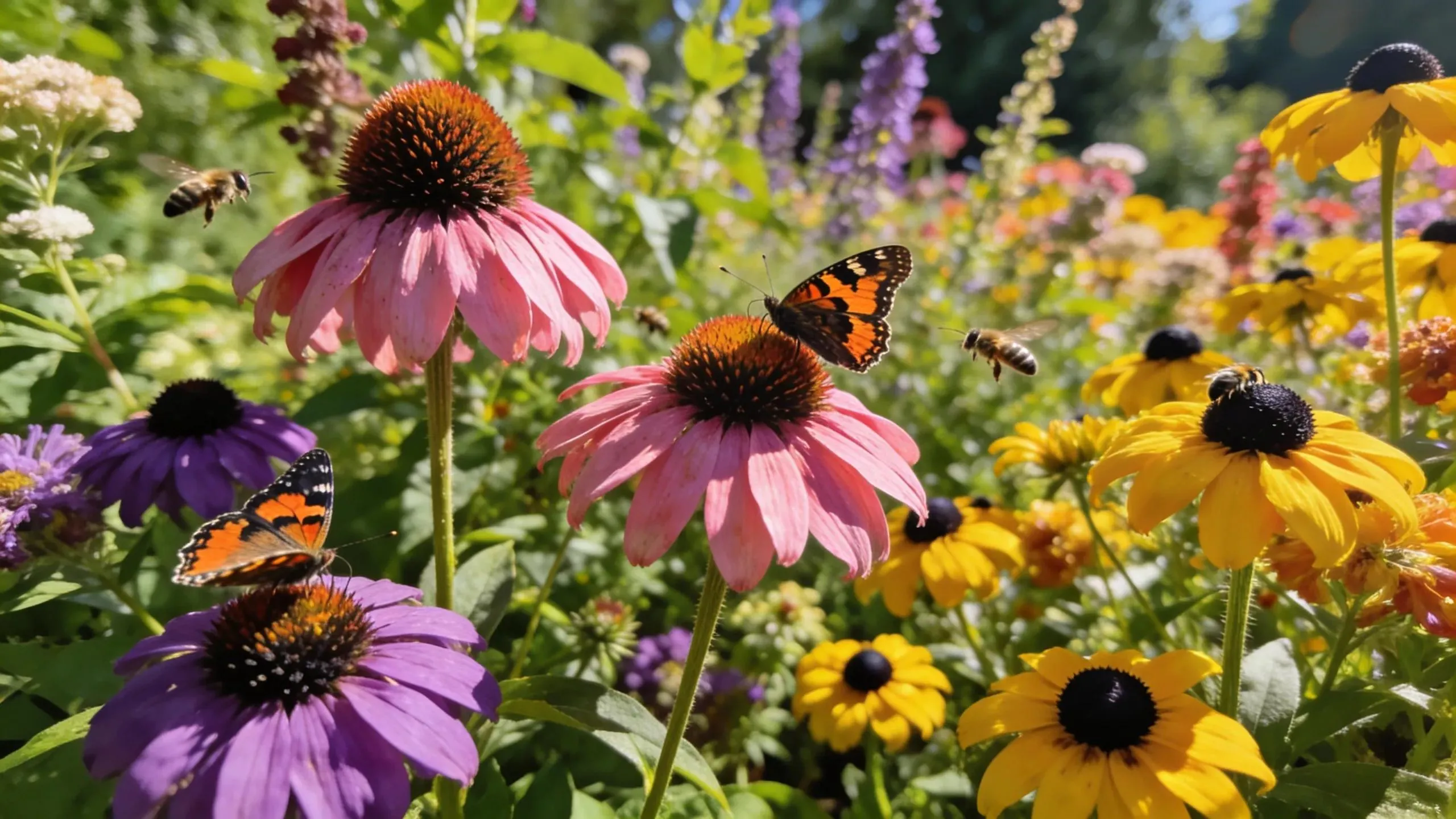
Replacing invasives with native species is an effective way to restore ecological balance. Native plants are adapted to regional soil and climate conditions, provide habitat and food for wildlife, and generally require less maintenance than non-native species.
What Native Plants Thrive in Morris County and Support Local Ecology?
In Morris County, native wildflowers such as coneflowers and black-eyed Susans attract pollinators, while shrubs like serviceberry supply food for birds. Introducing these species into your landscape supports biodiversity and builds a more sustainable garden structure.
How to Transition Your Yard from Invasive to Native Plant Landscaping
To transition, begin by removing invasive plants using the methods described earlier. Improve soil by incorporating organic matter, then choose native species suited to your soil type, moisture regime and light conditions. Plant a varied mix to support a range of pollinators and other wildlife.
What Professional Invasive Plant Removal Services Are Available in Morris County, NJ?
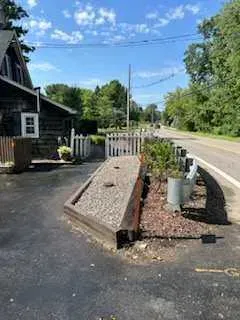
Professional invasive plant removal services provide trained assessment and efficient removal strategies. These services typically include a site inspection, a removal plan tailored to the infestation, and follow-up measures to reduce the chance of reinfestation.
How Can Local Garden Care Experts Assist with NJ Invasive Species Control?
Local garden care firms such as Gebhard Horticulture offer practical invasive species management and can recommend plant selections and control tactics suited to local conditions. Their familiarity with regional ecosystems helps ensure effective, site-appropriate solutions.
What to Expect from Professional Invasive Plant Removal and Landscape Design Services
Expect an initial site assessment to identify problem species and determine the most effective course of action. After removal, professionals can assist with landscape planning and planting to replace invasives with native species that support ecological health and yard aesthetics.
Frequently Asked Questions
Can I use mulch to suppress invasive plants in my yard?
Yes. Organic mulch such as wood chips or shredded bark can suppress invasive seedlings by blocking light. Apply a sufficiently thick layer and avoid piling mulch against the bases of desirable plants, which can trap moisture and harm stems or roots.
What should I do if I accidentally introduce an invasive species to my yard?
If you find an introduced invasive, act promptly. Contain the plant to limit spread, then attempt manual removal, making sure to remove roots. For larger infestations, consult a professional who can recommend effective removal and containment strategies.
Are there any specific seasons best suited for removing invasive plants?
Timing depends on the species. Spring and fall are generally effective for manual removal since plants are actively growing, but some herbicides work best at particular growth stages. Check guidance for the target species to determine optimal timing.
How can I ensure that the native plants I choose will thrive in my yard?
Select species matched to your soil type, moisture levels and sunlight exposure. Local native plant nurseries or extension resources can offer recommendations. Prepare planting areas by improving soil with organic matter to encourage healthy root establishment.
Does removing invasive plants help improve property value?
Yes. Controlling invasive species and establishing diverse, well-maintained native plantings can make a property more attractive to buyers and demonstrate responsible land stewardship. Such improvements can also lower long-term maintenance needs.
What risks come with using chemical herbicides for invasive plant removal?
Herbicide use carries risks if applied incorrectly: it can injure desirable plants and contaminate soil or water. Poor timing can render treatment ineffective. Always follow label directions, wear appropriate protective equipment, and consider non-chemical methods when suitable.
Conclusion
Understanding the impacts of invasive plants and applying tested removal methods will help protect your garden’s health and restore its natural character. Replacing invasives with native species strengthens biodiversity and creates a more resilient landscape for local wildlife. Act promptly and consider professional help for a managed program tailored to your yard. Visit our site to review removal services and native planting options available in Morris County.