
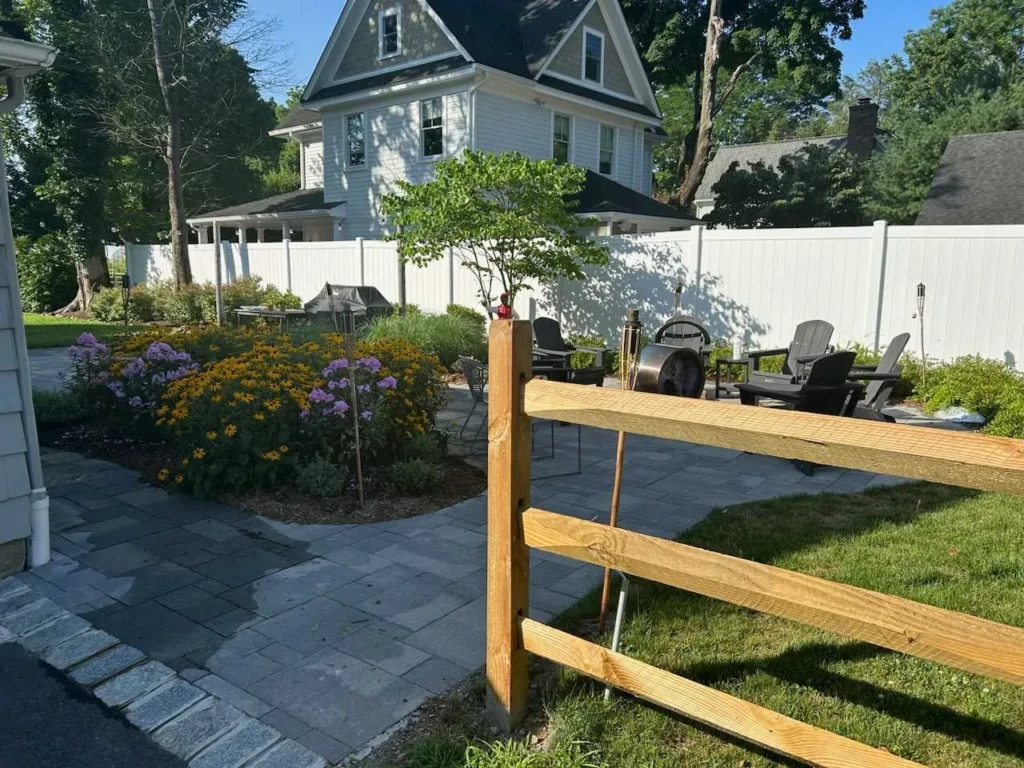
Redesigning garden beds improves both the appearance and function of outdoor areas. Homeowners can miss clear signs that a redesign is needed, which often leads to weaker plants and higher upkeep. This article outlines the key indicators—soil condition, plant vitality, and design shortcomings—to help you decide when to renovate beds so they remain productive and sustainable.
- Redesigning garden beds improves both the aesthetic appeal and functional health of outdoor spaces.
- Signs like overcrowding, outdated design, and high maintenance needs indicate a garden bed redesign is necessary.
- Poor soil health, including compaction and nutrient deficiencies, often signals the need for garden bed renovation.
- Wilting, stunted growth, and yellowing leaves are plant health symptoms that suggest garden bed issues.
- Diseases such as root rot and powdery mildew highlight problems that a garden bed redesign can address.
- Overcrowding reduces air circulation and increases pest pressure, compromising garden bed functionality.
- Outdated garden bed styles can hinder plant performance and reduce visual appeal.
- Weed overgrowth competes with plants for resources and signals the need for garden bed improvement.
- Balancing aesthetics and practicality in redesign enhances maintenance ease and garden bed sustainability.
Comprehensive signs that indicate it’s time to redesign garden beds include:
Recognizing when to redesign garden beds is essential to maintain a healthy, attractive landscape. The following signs indicate a redesign may be warranted:
- Overgrown or Outdated Beds: If your garden beds are overcrowded with plants or the design feels outdated, it may be time for a refresh.
- High Maintenance Needs: When garden beds require excessive upkeep, such as frequent weeding or pruning, a redesign can simplify maintenance.
- Poor Plant Health: Signs of declining plant health, such as wilting or stunted growth, often indicate underlying issues that a redesign can address.
For homeowners in Morris County, Gebhard Horticulture and Design provides personalized garden care and landscape design to identify and implement suitable solutions for garden beds.
What Are the Key Soil Health Indicators Signaling Garden Bed Redesign?
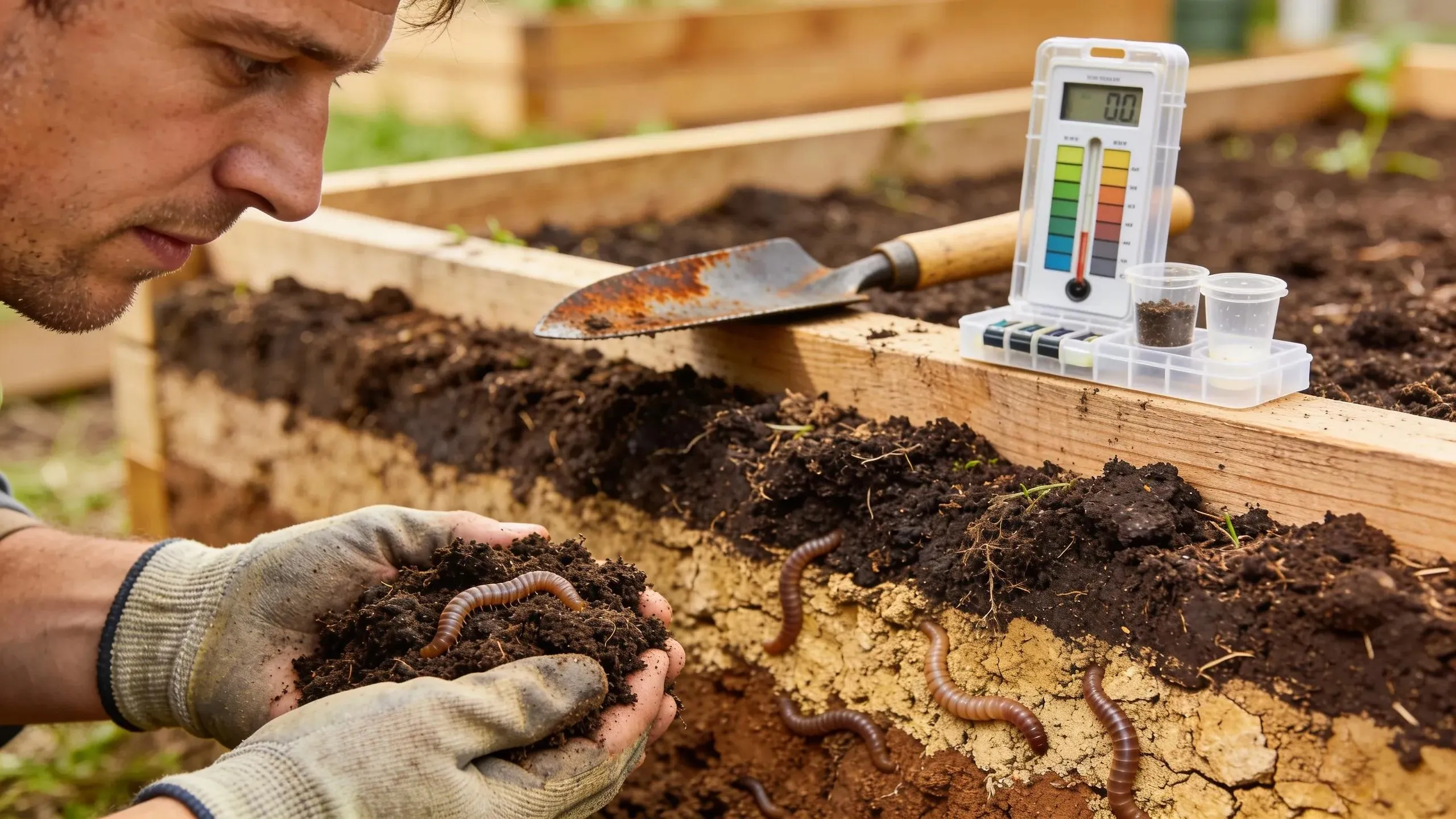
Soil health underpins successful garden beds. Key indicators that a redesign may be needed include poor drainage, nutrient imbalance, and low organic matter—conditions that directly affect root development and plant vigor.
- Soil Structure and Drainage: Poor drainage can lead to waterlogged soil, which negatively impacts plant roots. A redesign can improve drainage and soil structure.
- Nutrient Balance: Soil that lacks essential nutrients can hinder plant growth. Regular soil testing can help identify deficiencies that need to be addressed.
- Organic Matter Content: A lack of organic matter can lead to poor soil health. Incorporating compost or organic amendments during a redesign can enhance soil quality.
Recognizing these soil indicators supports targeted interventions that maintain vibrant, productive beds.
How Does Soil Compaction Affect Garden Bed Viability?
Soil compaction restricts root growth and reduces water infiltration, which undermines plant health. Test for compaction by pushing a garden fork into the soil; resistance indicates a problem. A redesign that incorporates raised beds or targeted aeration can restore soil structure and improve plant performance.
What Nutrient Deficiencies Suggest the Need for Soil Improvement?
Nutrient deficiencies appear as yellowing leaves, poor growth, and reduced flowering. Common signs include:
- Yellowing Leaves: Often indicates nitrogen deficiency.
- Stunted Growth: May suggest a lack of phosphorus or potassium.
- Poor Flowering: Can be a sign of insufficient nutrients overall.
Regular soil testing is essential to identify nutrient shortfalls and guide appropriate amendments during a redesign.
Which Plant Health Symptoms Indicate Garden Bed Renovation Is Necessary?

Plant health reflects the underlying conditions in your beds. Symptoms that warrant renovation include wilting, stunted growth, and yellowing foliage—each pointing to water, nutrient, or soil-structure problems.
- Wilting Leaves: This can indicate either underwatering or root issues due to poor soil conditions.
- Stunted Growth: Plants that fail to thrive may be suffering from nutrient deficiencies or compaction.
- Yellowing Leaves: Often a sign of nutrient imbalance or disease.
Addressing these symptoms through a targeted redesign can restore plant vigor and improve long-term bed health.
How Do Wilting and Poor Growth Reflect Underlying Bed Issues?
Wilting and poor growth often signal deeper bed problems, including:
- Inadequate Watering: Insufficient moisture can lead to wilting, while overwatering can cause root rot.
- Nutrient Deficiencies: A lack of essential nutrients can stunt growth and lead to poor plant vitality.
- Soil Compaction: Compacted soil restricts root expansion and water absorption, leading to wilting.
Identifying and correcting these issues through redesign measures can markedly improve garden bed performance.
What Are Common Plant Diseases That Signal Redesign Needs?
Certain plant diseases indicate that a redesign may be necessary. Common diseases include:
- Root Rot: Often caused by overwatering and poor drainage.
- Powdery Mildew: Indicates high humidity and poor air circulation.
- Leaf Spot: Can be a sign of fungal infections due to overcrowding.
Early recognition of these diseases and redesigning affected beds can limit spread and support healthier growth.
How Do Garden Bed Design and Layout Problems Reveal the Need for Update?
Design and layout affect both function and appearance. Typical problems include:
- Overcrowding of Plants: This can lead to competition for resources and poor growth.
- Inconsistent Growth Patterns: Plants that are not thriving may indicate poor placement or inadequate sunlight.
- Poor Soil Conditions: If certain areas of the bed are consistently problematic, a redesign may be necessary to improve conditions.
Correcting placement, spacing, and soil issues during a redesign produces a more balanced and productive bed.
When Does Overcrowding Compromise Garden Bed Functionality?
Overcrowding undermines bed functionality in several ways. Typical consequences include:
- Competition for Resources: Plants may struggle for nutrients, water, and light.
- Increased Pest and Disease Pressure: Dense plantings can create a humid environment conducive to pests and diseases.
- Reduced Air Circulation: Poor air flow can lead to fungal issues and overall plant stress.
Redesigning overcrowded beds restores appropriate spacing, improves airflow, and reduces maintenance demands.
How Do Outdated Styles Affect Garden Bed Performance and Appeal?
Outdated bed styles can reduce both performance and visual interest. Common issues include inefficient plant placement, limited seasonal interest, and poor accessibility. Updating layout and plant selection can improve maintenance and enhance year-round appeal.
What Seasonal and Maintenance Challenges Suggest It’s Time for a Garden Bed Makeover?
Seasonal stresses often reveal underlying bed problems. Look for overgrown or unsuitable plants, rising weed pressure, and soil issues that worsen with weather changes. Addressing these challenges with a redesign increases resilience and reduces seasonal workload.
How Does Weed Overgrowth Impact Garden Bed Health?
Weed overgrowth harms beds by competing for nutrients, water, and light, and by harbouring pests and diseases. It also detracts from the garden’s appearance. Regular maintenance and redesign strategies that limit weed establishment will improve bed health and appearance.
Why Is Mulch Degradation a Sign to Redesign?
Mulch helps retain moisture, suppress weeds, and protect soil. When mulch loses color and texture, allows higher weed growth, or fails to prevent erosion, it no longer serves its purpose. Replacing degraded mulch and reassessing bed design restores function and appearance.
What Common Mistakes Should Be Avoided When Planning Garden Bed Redesign?
Avoid these common planning errors: planting too many varieties that compete with each other, neglecting soil assessment and improvement, and overwatering. Steering clear of these mistakes improves the likelihood of a durable, low-maintenance bed.
How to Balance Aesthetic and Practical Considerations in Redesign?
Balance aesthetics and practicality by choosing plants suited to local climate and soil, arranging layout for access and maintenance, and using mulch for moisture retention and weed control. A considered redesign enhances both appearance and long-term function.
What Are the Tradeoffs Between Immediate Renovation and Ongoing Maintenance?
Weigh the benefits of an immediate renovation—quick visual and health improvements—against the need for initial establishment care. Consider how a redesign will affect future maintenance requirements and plant development to make a sound decision.
Frequently Asked Questions
What are the first steps to take when considering a garden bed redesign?
Start with a thorough assessment of existing beds. Note overcrowding, declining plant health, and soil issues. Record layout problems and maintenance challenges, and clarify the aesthetic objectives you want to achieve. Walk the site, take measurements, and collect visual examples from reputable sources to inform a practical plan.
How often should I assess my garden beds for potential redesign?
Evaluate beds at least once per season. Inspect for overcrowding, plant decline, and soil degradation, and monitor the impact of extreme weather. Regular checks allow you to address problems early and keep beds functioning well throughout the year.
Can I redesign my garden beds in stages, or should it be done all at once?
Redesigning in stages is a practical strategy for larger areas. Tackle one bed or section at a time to observe how changes perform and to limit disruption. Staged work also spreads costs and lets you refine plans as plants establish.
How do I choose the right plants for my redesigned garden beds?
Choose plants based on local climate, soil type, and sun exposure. Favor species adapted to your region to reduce maintenance, and plan for seasonal interest and compatible heights and spreads to avoid overcrowding. A mix of perennials and annuals can provide reliable structure with periodic blooms.
What are some eco-friendly practices to incorporate into my garden bed redesign?
Use organic amendments such as compost to improve soil, practice companion planting to manage pests naturally, consider rainwater harvesting for irrigation, and select drought-tolerant species to conserve water. These practices increase resilience and reduce long-term inputs.
How can I maintain my redesigned garden beds effectively?
Maintain redesigned beds with regular routines: scheduled watering, mulching, and weeding, plus periodic soil tests to monitor nutrient levels. Use integrated pest management to control problems with minimal chemical input, and adjust tasks seasonally to support plant health.
When is the best time of year to redesign garden beds?
Early spring or fall are the most suitable times. Spring allows plants to establish as temperatures rise, while fall gives new plantings time to root before winter. Both seasons offer favourable conditions for successful bed renovation.
Conclusion
Revamping garden beds improves appearance while enhancing plant health and productivity. Recognizing redesign indicators lets you address overcrowding, poor soil, and declining plant vigor effectively. These interventions produce a more resilient, enjoyable garden for your household. Contact us to discuss practical solutions for your outdoor spaces.