
Smart Fall Lawn Care Tips to Protect Your Yard for Spring
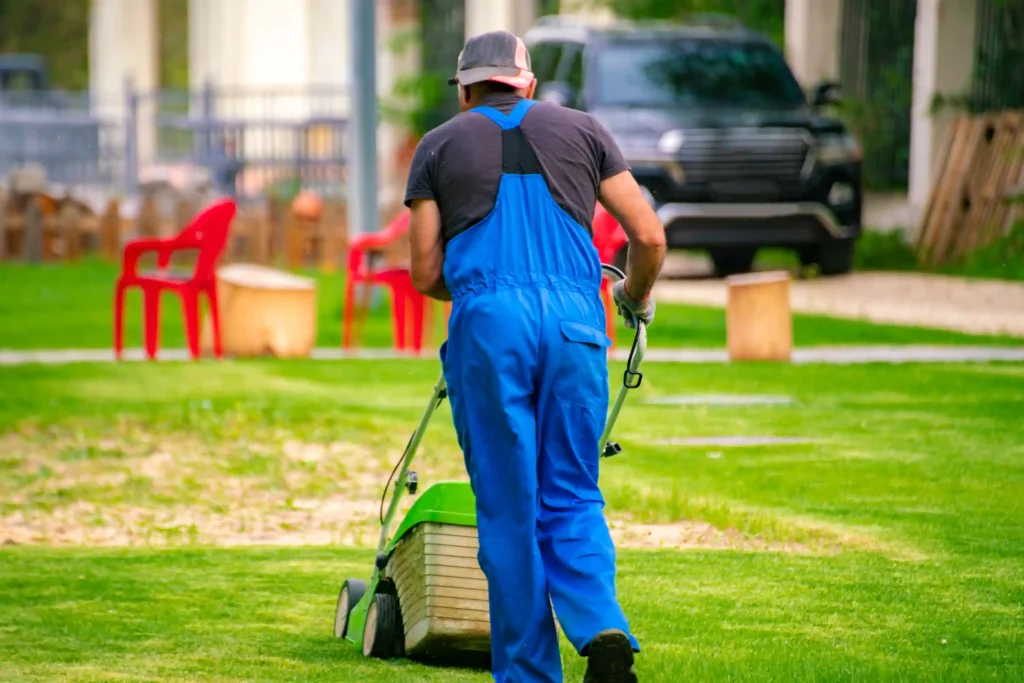
Fall lawn care tips are the key to getting a thick, green lawn in spring without fighting bare spots, weeds, or weak grass. What you do in fall directly affects how well your lawn survives winter and how fast it recovers when temperatures warm up.
Fall is when grass shifts its energy below the surface. Instead of pushing blade growth, it focuses on building stronger roots. This makes fall the best time to mow correctly, aerate compacted soil, overseed thin areas, fertilize for root strength, and prepare the lawn for winter dormancy.
Homeowners who follow the right fall lawn care steps spend less time fixing problems in spring and enjoy faster green-up, thicker turf, and fewer weeds. The tips below break down exactly what to do, when to do it, and how to avoid common mistakes that weaken lawns year after year.
Why Fall Matters More Than Most People Think
We see this all the time. Grass works hard in the summer, taking in heat, foot traffic and sometimes drought. By September and October, your lawn is tired.
Cooler temperatures signal a shift. Instead of focusing on blade growth, grass starts building roots beneath the surface. This is the moment we take advantage of through smart planning and seasonal gardening tips that keep the lawn energized before winter arrives.
We have seen lawns transform drastically simply because the owners decided to give attention in fall rather than waiting. The payoff is noticeable:
- Better drought resistance
- Quicker spring green up
- Less weed invasion
- Soil that stays healthy long term
Fall becomes the “make or break” season. Skip it and you will spend spring fixing bare patches. Invest in it and you will enjoy a lawn that comes back vibrant and full.
Our Smart Fall Lawn Care Checklist
Below is the same system we use for homeowners who want a noticeable difference by spring. Work through it step by step and your lawn will thank you for it.
1. Mowing Strategy That Sets You Up for Spring
Fall mowing is different from summer mowing. Growth slows down, but the way you cut still affects how strong your lawn comes back in spring. Taller grass develops deeper roots, which means better winter endurance and faster recovery next season.
General rule: Lower the height little by little, never all at once. Cutting off too much shocks the grass. Aim to remove no more than one-third of the blade per mow.
Here is a helpful height guide you can follow in fall:
Grass Type | Ideal Fall Mowing Height | Why It Helps |
Bermuda | Around 0.5–1.5 inches | Helps reduce thatch and keep turf dense |
Centipede | 1.5–2 inches | Encourages steady root development |
St. Augustine | 2–4 inches | Retains moisture and improves winter survival |
Fine-Bladed Zoysia | 0.5–1.5 inches | Maintains smooth, manicured appearance |
Wide-Bladed Zoysia | 1–2 inches | Balances root health and blade protection |
Smart mowing tips for fall:
- Keep mower blades sharp to avoid tearing grass
- Skip mowing when grass is wet or dormant
- Leave clippings on the lawn unless there is disease (free natural nutrients)
Small changes like these keep your turf healthy through the season and give your spring lawn a noticeable head start.
2. Aeration: The Underrated Step Most Homeowners Forget
If summer leaves your soil compacted, water and nutrients struggle to get where roots need them. Aeration solves this. Core aeration pulls plugs from the lawn, opening channels for air, water and fertilizer to reach deep into the soil.
Benefits of fall aeration:
- Deeper, stronger root growth
- Less soil compaction
- Better moisture absorption
- Helps overseeding success
We recommend aerating before seeding and before fertilizer, ideally early fall when soil is moist.
3. Overseed Thin or Bare Spots to Thicken Your Lawn
Fall is perfect for overseeding. The soil is warm, the air is cool and new seeds establish faster. If you deal with brown patches in summer, this is where you bring your lawn back to life.
How to overseed properly:
- Mow slightly shorter than usual
- Rake or dethatch to expose soil
- Spread a high quality seed blend
- Water lightly for 2 to 3 weeks
We see homeowners light up when their yard thickens beautifully by spring, all because they seeded in fall instead of waiting.
A thick lawn next spring starts right here.
4. Fertilize to Feed Roots Before Winter Arrives
In fall, grass is storing energy for the months ahead. A balanced, slow release fertilizer strengthens roots and improves nutrient storage. This is why lawns that are fertilized in fall often look greener and fuller when spring arrives.
Look for:
- Nitrogen to rebuild plant tissues
- Potassium to increase stress tolerance
- Optional iron for color enhancement
A well-timed fall feeding means less work and better results when warm weather returns. If there is ever a “spring hack,” this is it.
5. Watering: The Step Everyone Stops Too Soon
Just because temperatures drop does not mean your grass is done drinking. Grass still needs about one inch of water per week including rainfall. If you overseed or fertilized, watering becomes even more important.
Best schedule:
- Water in the morning
- Light frequent watering for new seed
- Decrease slowly as growth slows
Think of watering like the final support your lawn needs before winter rest.
6. Soil Testing: The Professional Touch Most Lawns Need
A soil test is one of the smartest fall decisions. You can fertilize, mow and overseed perfectly, but if your soil pH is off, results will always fall short. A soil test reveals exactly what your lawn is missing. This is why professionals never rely on guesswork.
Your soil might need:
- Lime to balance acidity
- Organic compost for structure
- Extra nutrients like phosphorus
When we handle soil care for clients, spring transformation becomes dramatically easier. Healthy grass comes from healthy soil first.
7. Prevent Weeds and Pests Before They Become a Spring Problem
Fall is your window to stop spring weeds before they even show up. Overseeding and fertilizing naturally crowd weeds out, but stubborn ones may need treatment.
We recommend:
- Remove visible weeds before they drop seed
- Aerate to discourage weed growth
- Keep grass thick to block weed roots
If pests are common in your area, fall inspection can stop problems before winter dormancy.
Stick with this fall checklist and your lawn will thank you in spring with fuller growth and fewer issues to fix.
If you prefer letting professionals handle the work, Gebhard Horticulture can manage your seasonal needs like fall cleanup, mulching and weed control, shrub and bush trimming, garden bed care and pesticide applications, making yard care simpler and stress free.
Fall Lawn Care Tips Homeowners Should Avoid
It only takes a few small mistakes to undo months of progress. We have seen lawns struggle in spring not because homeowners did nothing, but because one or two habits were off. A little extra awareness goes a long way when you want a yard that wakes up green instead of patchy.
The most common fall mistakes include:
- Cutting grass too short
- Fertilizing too late in the season
- Watering inconsistently
- Skipping aeration
- Letting leaves pile up and suffocate grass
- Ignoring soil health or pH levels
These are easy to avoid when you know what to look for. Avoiding them becomes even simpler with the right team by your side. For support with fall lawn and garden care, reach out to Gebhard Horticulture and contact us for guidance anytime.
Seasonal Timeline Homeowners Can Follow Easily
Planning your fall lawn care by season keeps everything simple. Instead of guessing what to do next, you know exactly where to start and what comes after. Use this guide as your quick fall routine reference:
Season Stage | Tasks to Focus On | Why It Matters |
Early Fall (Sept – Early Oct) | – Mow regularly at proper height – Remove or mulch leaves – Aerate compacted soil – Test soil and make needed amendments | Grass is still actively growing, making it the perfect moment to relieve compaction and prepare the soil for nutrients and seeding. |
Mid Fall (Oct – Early Nov) | – Overseed thin or bare areas – Apply fall fertilizer – Maintain even, light watering | Cooler temperatures help new seed establish quickly. Fertilizer supports root strength and prepares the lawn for winter. |
Late Fall (Nov – Before Frost) | – Do the final mow – Remove heavy leaf buildup – Reduce watering gradually | Helps prevent mold, matting and winter disease. Sets the lawn up to rest properly through colder months. |
Following this seasonal flow keeps lawn work manageable and ensures every step builds toward a greener spring.
Let’s Create a Lawn You’ll Be Proud to See Next Spring
The difference between a patchy lawn and a healthy spring landscape starts with the work you do in fall. With Gebhard Horticulture handling your seasonal cleanup, mulching, garden care, trimming, and pesticide needs, you benefit from experienced professionals who understand local soil conditions, plant health, and the timing that delivers lasting results.
Take the first step today at www.gebhardhorticulture.com and let us help you create a property that stands out when spring returns.
Frequently Asked questions
When should I start fall lawn care?
Fall lawn care should begin in early fall, usually September, while grass is still actively growing. This timing allows roots to strengthen before colder temperatures slow growth.
Is fall really better than spring for lawn care?
Yes. Fall is better for lawn care because cooler air and warm soil promote root development. Strong roots help grass survive winter and grow back thicker in spring.
Should I overseed before or after fertilizing in fall?
Overseeding should be done before or at the same time as fall fertilization. This allows new grass seed to absorb nutrients as it establishes roots.
How often should I water my lawn in fall?
Most lawns need about one inch of water per week in fall, including rainfall. Newly overseeded areas may need lighter, more frequent watering until seeds establish.
What happens if I skip fall lawn care?
Skipping fall lawn care often leads to thin grass, slow spring green-up, more weeds, and compacted soil. Many spring lawn problems start with missed fall preparation.