
Deer present a recurrent challenge for New Jersey gardeners, often damaging prized plantings and altering landscape plans. Selecting species known to resist browsing lets you establish a productive, resilient garden that preserves visual and ecological value. This article outlines deer-resistant shrubs, perennials, and ground covers suited to local conditions, explains the plant traits that deter deer, and offers practical maintenance and design strategies. Use this guidance to build a sustainable landscape in Morris County that reduces deer impact while supporting plant health and visual appeal.
Designing landscapes in Morris County to reduce deer browsing has been an active concern, with several projects aimed at using less palatable plantings and layout techniques to discourage heavy feeding.
Deer-Resistant Landscape Design in Morris County, New Jersey
One recommendation of the Committee was to determine if a landscape design could be developed to use plantings less attractive to the deer; planted in ways that might discourage heavy browsing. In 1990, the Morris County Park Commission commissioned landscape architect, Helen Heinrich to design a garden based on the lines and spaces of the gardens surrounding the Tracy mansion in the 1920s and 1930s. No attempt was made to restore the original plants in the garden, but to adapt the garden as much as necessary to the demands of the present deer population. Can We Landscape to Accommodate Deer? The Tracy Estate Research Garden, 1993
- Deer-resistant plants help New Jersey gardeners protect landscapes from deer damage effectively.
- Native plants like Boxwood, Fothergilla, and Black-eyed Susan thrive and deter deer in local conditions.
- Characteristics such as tough foliage, strong scents, and bitter tastes make plants less appealing to deer.
- Combining diverse deer-resistant species with physical barriers enhances garden protection against deer.
- Thoughtful landscape design, including layering and grouping plants, improves deer deterrence and garden aesthetics.
- Common mistakes include ignoring local soil and sunlight conditions and assuming all native plants resist deer.
- Regular monitoring and seasonal maintenance support the health and resilience of deer-resistant gardens.
- Deer-resistant shrubs and trees like Mountain Laurel, American Holly, and Red Maple add structure and beauty.
- Ground covers such as Creeping Thyme and Ajuga contribute to a lush, deer-resistant garden environment.
Which Native Deer Resistant Plants Thrive in New Jersey Gardens?
Native species are typically the most reliable choice for New Jersey sites because they are adapted to regional soils, climate, and pests. Among effective options are Boxwood for structural evergreen form, Fothergilla for spring bloom and notable autumn colour, ornamental grasses such as Miscanthus and Panicum for texture and deer resistance, select Hydrangea cultivars with firmer foliage, and Black-eyed Susan for resilient seasonal colour.
- Boxwood: This evergreen shrub is not only deer-resistant but also provides year-round greenery and structure to the garden.
- Fothergilla: Known for its fragrant flowers and stunning fall color, Fothergilla is a great choice for adding seasonal interest.
- Ornamental Grasses: Varieties like Miscanthus and Panicum are not favored by deer and add texture and movement to the landscape.
- Hydrangeas: While some hydrangeas may attract deer, varieties like ‘PeeGee’ are often overlooked due to their tough foliage.
- Black-eyed Susan: This perennial is not only beautiful but also resilient, making it a favorite among gardeners looking to deter deer.
These species combine resistance to browsing with ecological benefits, supporting pollinators and seasonal interest while reducing the need for repeated replacements.
EAV Table: Characteristics of Deer-Resistant Plants
To evaluate deer resistance, consider attributes such as leaf texture, secondary metabolites that produce bitter tastes, and aromatic compounds. These traits influence deer feeding choices and help predict which plants are less likely to be browsed.
This comparison clarifies which plant traits align with your site conditions so you can choose species that perform reliably in local gardens.
What Are the Top Native Shrubs and Perennials That Deer Avoid?
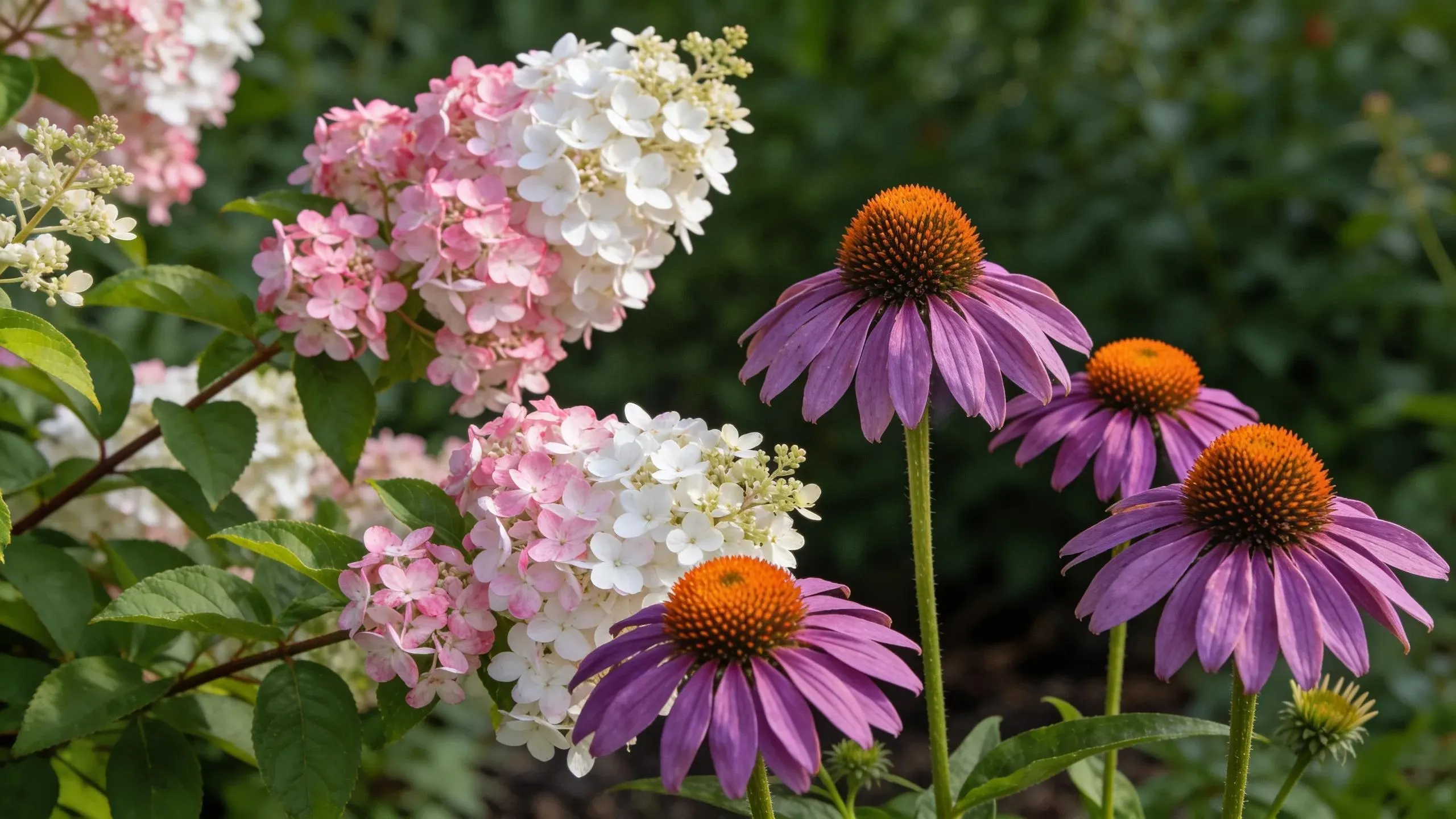
When selecting shrubs and perennials, prioritise species that combine low palatability with suitability for New Jersey’s climate. Reliable choices include Mountain Laurel for showy, deer-resistant blooms; Spirea for low-maintenance flowering habit; Coneflower to support pollinators while resisting browse; and Catmint for aromatic foliage that deters deer.
- Mountain Laurel: This native shrub produces beautiful flowers and is highly resistant to deer.
- Spirea: Known for its vibrant blooms, spirea is another shrub that deer typically avoid.
- Coneflower: This perennial is not only deer-resistant but also attracts pollinators, making it a great addition to any garden.
- Catmint: With its aromatic foliage, catmint is often left alone by deer and provides a lovely blue hue to the garden.
These species improve visual structure and ecological value, offering reliable performance without frequent replacement due to deer damage.
How Do Native Plant Characteristics Support Deer Resistance?
Native plants often possess defensive traits that reduce their appeal to deer. Features such as thick, leathery leaves; strong aromatic oils; and bitter secondary compounds make plants less palatable and lower the likelihood of intensive browsing.
- Tough Foliage: Many native plants have thick, leathery leaves that are unpalatable to deer.
- Strong Scents: Aromatic plants often deter deer due to their strong scents, which can be off-putting.
- Bitter Tastes: Some native plants produce compounds that give them a bitter taste, making them less desirable for deer consumption.
Recognising these plant traits helps you select species that fit your site and reduce ongoing deer pressure through informed plant choices.
What Are the Best Shrubs and Trees for Deer Resistance in New Jersey?
Beyond perennials, several shrubs and trees provide structural form and are seldom targeted by deer. American Holly and other evergreen shrubs offer year-round screens, Red Maple contributes seasonal colour with limited browsing, and Serviceberry supplies edible fruit while resisting heavy deer pressure.
- American Holly: This evergreen tree provides year-round interest and is rarely browsed by deer.
- Red Maple: Known for its stunning fall color, the red maple is also a deer-resistant choice.
- Serviceberry: This shrub produces edible berries and is often overlooked by deer due to its tough leaves.
These selections deliver landscape structure and seasonal interest while reducing replacement and repair needs caused by deer browsing.
Which Perennial and Ground Cover Plants Are Effective Against Deer in NJ?
Low-growing perennials and ground covers can reduce accessible forage and protect soil while remaining unappealing to deer. Creeping Thyme and similar aromatic mats, Ajuga for dense ground coverage, and drought-tolerant Sedum are practical choices for limiting browse and improving ground-level biodiversity.
- Creeping Thyme: This low-growing perennial is not only deer-resistant but also fragrant and drought-tolerant.
- Ajuga: Known for its vibrant foliage and flowers, ajuga is a hardy ground cover that deer tend to avoid.
- Sedum: This succulent plant is drought-resistant and typically left alone by deer due to its tough leaves.
Incorporating these ground covers reduces exposed planting areas and contributes to a low-maintenance, deer-resistant planting scheme.
What Practical Strategies Enhance Deer Proofing in New Jersey Yards?
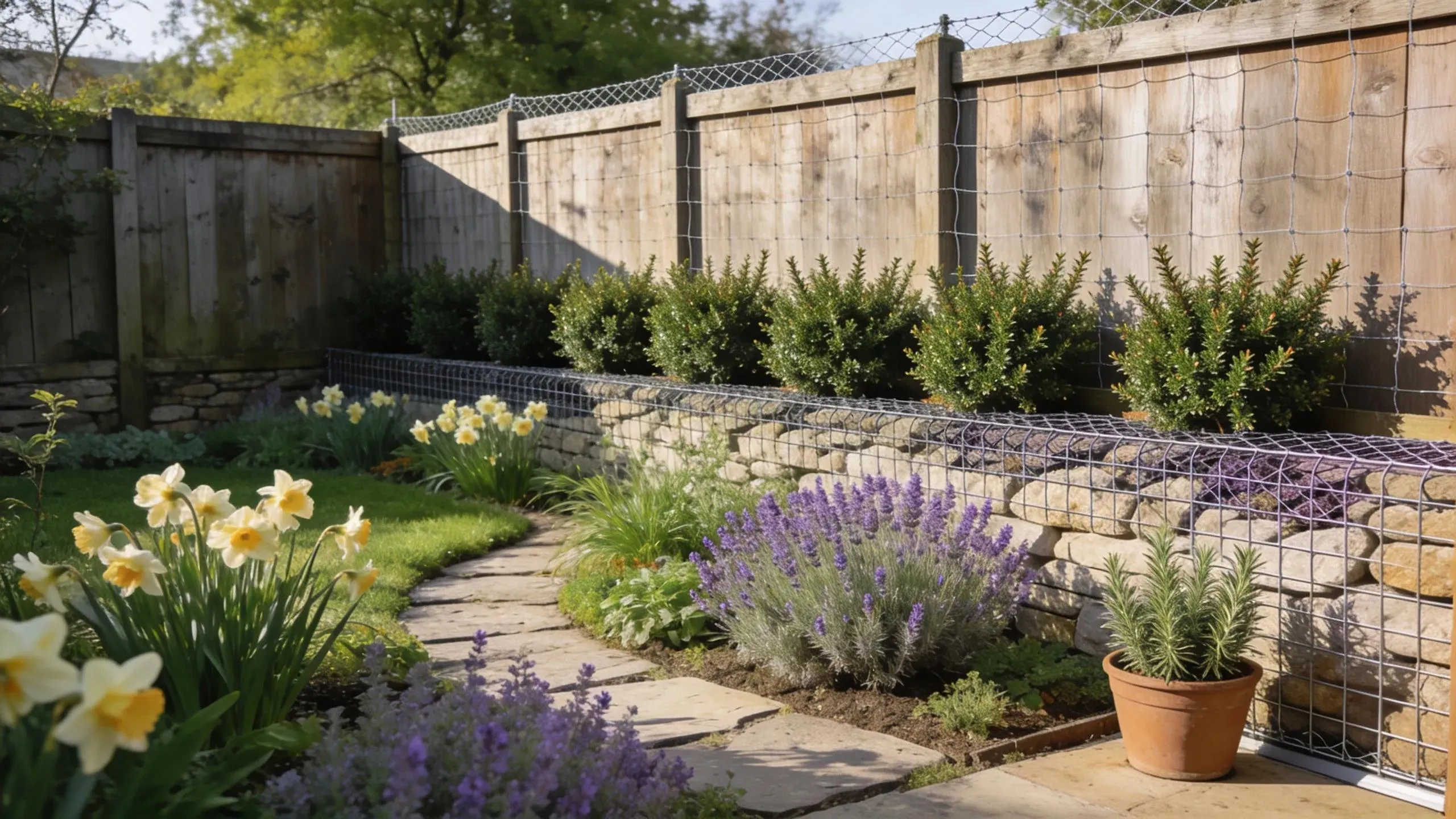
To strengthen protection against deer, apply a combination of plant selection and physical measures tailored to your site and seasonal pressures. Implementing multiple tactics reduces reliance on any single method and improves overall effectiveness.
- Plant Selection: Choose a variety of deer-resistant plants to create a diverse landscape that is less appealing to deer.
- Physical Barriers: Use fencing or netting to protect vulnerable plants, especially during peak feeding times.
- Repellents: Consider using deer repellents, which can deter deer from entering your garden.
When these approaches are combined and matched to specific garden areas, they offer more consistent protection than any single tactic alone.
How to Combine Plant Selection with Landscape Design for Deer Deterrence?
Thoughtful design amplifies the effects of deer-resistant plants. Arrange plants so taller, less palatable species shield more vulnerable specimens; group like species to reduce scattered attractive targets; and define planting zones to limit deer access and simplify maintenance.
- Layering Plants: Use taller plants to create a barrier around shorter, more vulnerable plants.
- Grouping: Plant deer-resistant species together to create a cohesive look while deterring deer.
- Creating Distinct Zones: Designate areas of your garden for different types of plants, making it harder for deer to access all areas.
These design techniques improve visual coherence while increasing the garden’s resilience to browsing pressure.
What Are Common Mistakes to Avoid When Choosing Deer Resistant Plants?
Poor outcomes often stem from mismatching species to site conditions or underestimating maintenance requirements. Assuming all native plants resist deer is another frequent error; resistance varies by species and local deer populations.
- Ignoring Local Conditions: Failing to consider soil type and sunlight can lead to poor plant performance.
- Overlooking Maintenance Needs: Some deer-resistant plants may require more care than anticipated.
- Assuming All Native Plants Are Deer-Resistant: Not all native plants are equally resistant to deer; research is crucial.
Avoid these mistakes by matching plant choices to microclimates, confirming maintenance expectations, and consulting reliable local references.
How Can Homeowners Maintain and Monitor Deer Resistant Gardens in Morris County?
Effective maintenance combines regular observation with seasonally appropriate care. Monitor browsing signs, adjust protective measures when deer pressure rises, and follow species-specific pruning and soil care routines to keep plants vigorous and less vulnerable to damage.
- Regular Monitoring: Keep an eye on deer activity in your garden and adjust your strategies as needed.
- Seasonal Maintenance: Prune and care for your plants according to their specific needs to ensure they remain healthy and resilient.
- Community Engagement: Connect with local gardening groups to share experiences and strategies for managing deer in your area.
Proactive monitoring and routine care reduce long-term losses and help maintain both plant health and the garden’s defensive capacity.
Frequently Asked Questions
1. What are some effective deer-repellent methods in New Jersey gardens?
Use a mix of physical exclusion and behavioural deterrents: sturdy fencing or netting for high-value plants, rotating scent-based repellents to prevent habituation, and planting strongly aromatic or bitter-tasting species near vulnerable areas. Track deer activity and adjust methods seasonally to retain effectiveness.
2. How can I tell if a plant will be deer-resistant?
Assess plant traits and local evidence: species with tough, leathery foliage, pronounced scents, or bitter compounds are less likely to be browsed. Verify resistance through regional plant guides, extension services, or local horticultural references to ensure suitability for New Jersey conditions.
3. Do deer eat any garden herbs?
Many herbs are less preferred by deer; rosemary, thyme, and sage typically deter browsing because of strong oils and textures. In periods of food scarcity, though, deer may sample herbs, so pair herb plantings with deterrent species or protective measures when necessary.
4. What role do community gardens play in managing deer populations?
Community gardens provide shared learning environments where residents can trial deer-resistant plantings and coordinate protective measures. These spaces support collective observation and strategy development, helping to reduce local deer pressure through informed planting and management choices.
5. How can seasonal changes affect deer behavior in gardens?
Seasonal shifts alter deer foraging patterns: spring and summer browsing targets new growth, fall increases foraging as natural food sources decline, and winter browsing often focuses on bark and evergreens. Anticipating these cycles allows targeted protection during higher-risk periods.
6. Are there any particular seasons when deer are more active?
Deer activity peaks during dawn and dusk and intensifies around the fall breeding season. They also increase feeding in spring as new vegetation appears. Scheduling inspections and applying deterrents during these key times improves protective outcomes.
7. Can I plant deer-resistant plants alongside flowers that attract pollinators?
Yes. Combining deer-resistant shrubs and perennials with pollinator-friendly flowers such as coneflower and black-eyed Susan creates a productive, attractive landscape while lowering the overall appeal to deer. Group plants by resistance and cultural needs for best results.
Conclusion
Choosing deer-resistant plants lets New Jersey homeowners protect landscapes while maintaining seasonal interest and ecological value. By favouring native species, recognising deterrent traits, and applying strategic design and maintenance, you can establish durable plantings that withstand deer pressure and support a healthy garden ecosystem.