
When Is the Best Time to Trim Shrubs and Bushes?
By Louie Paracuelles, Gebhard Horticulture and Design
Knowing when to trim shrubs and bushes is essential for their long-term health and appearance. Correct pruning improves form, stimulates vigorous growth and supports better flowering. This article presents practical guidance on timing, seasonal growth habits and species-specific needs. Many homeowners are uncertain about pruning schedules, which can reduce bloom and stress plants. Following sound, experience-based recommendations will help your shrubs remain healthy year-round. We cover timing, seasonal plans, and the tools and techniques that deliver reliable results.
- Proper shrub pruning timing promotes healthy growth and flowering, and enhances overall plant appearance.
- Late winter to early spring is generally ideal for pruning most deciduous and new-wood flowering shrubs.
- Flowering shrubs that bloom on old wood should be pruned immediately after flowering to preserve blooms.
- Using sharp, clean tools like pruning shears and loppers ensures precise cuts that minimize plant damage.
- Pruning methods such as thinning improve airflow, while heading back encourages denser, fuller shrub growth.
- Avoid common mistakes like pruning at the wrong time, using dull tools, and neglecting tool sanitation.
- Local climate and weather patterns significantly influence optimal pruning schedules and shrub care practices.
- Regular pruning removes dead or diseased branches, promoting plant health and increasing landscape aesthetic appeal.
- Following expert pruning schedules supports sustained plant health, vigorous growth, and long-term shrub vitality.
Why Timing Matters for Shrub Pruning and Plant Health
Timing affects how a shrub allocates energy and develops buds. Pruning at the correct moment can trigger new shoots, improve flower set and refine plant form. Incorrect timing can reduce flowering, increase stress and raise susceptibility to pests and disease. Each species follows a distinct growth cycle; recognizing those patterns is necessary to prune for both health and appearance.
How Does Pruning Impact Shrub Health and Shape?
Pruning is central to maintaining shrub vigor and structure. Removing dead, diseased or crowded branches increases light and air movement through the canopy, which supports healthy growth. Proper pruning encourages new growth and flowering, enhancing the shrub’s overall appearance. Well-executed cuts help shrubs retain balanced form and resist environmental stress. By contrast, poor pruning can leave plants leggy, overgrown or weakened.
What Seasonal Growth Patterns Influence Pruning Decisions?
Seasonal growth cycles determine when shrubs respond best to pruning. Many deciduous species enter winter dormancy, so late winter or early spring pruning promotes strong spring growth. Some evergreen shrubs set new growth later in spring and are best pruned after that flush. Local climate and the specific biology of each species must guide your schedule.
What Are the Optimal Seasonal Schedules for Trimming Shrubs?
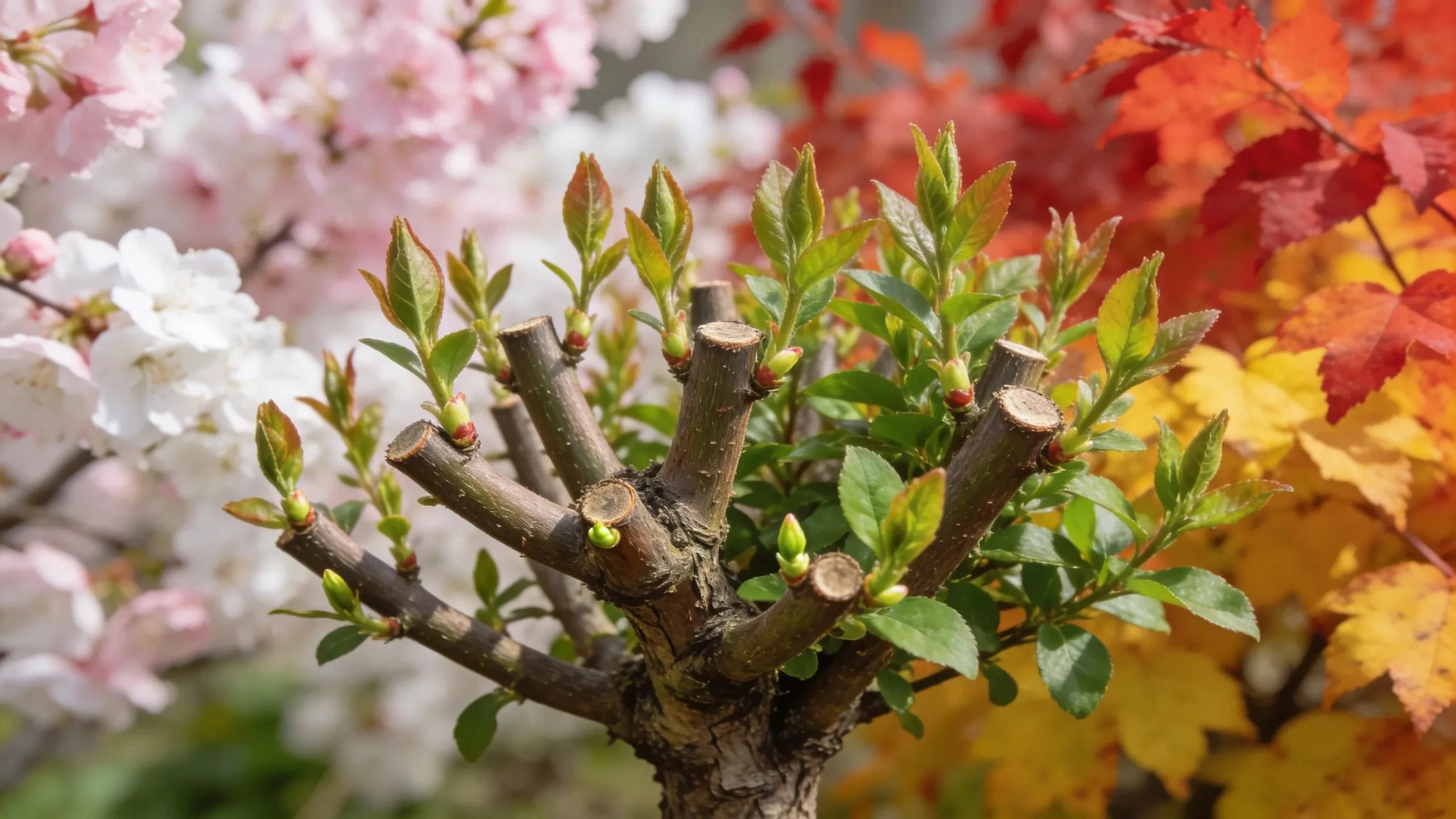
Optimal trimming timing depends on species and local conditions. Generally, late winter to early spring suits many shrubs because it encourages vigorous new growth. Flowering shrubs need special handling.
For practical shrub care, follow clearly defined seasonal schedules based on growth habit and bloom timing.
The table summarizes how timing varies by shrub type and underlines the need for species-specific pruning plans.
When Should You Perform Spring Shrub Trimming for Best Results?
Spring pruning sets the framework for the season. Start by inspecting each shrub for dead or diseased wood, then remove those branches and shape the plant to encourage balanced growth. Use sharp shears for clean cuts so wounds close quickly. Consistent spring maintenance supports health and improves the visual quality of your landscape.
Is Fall Shrub Pruning Beneficial and When Should It Be Done?
Fall pruning can help prepare shrubs for winter by removing dead or diseased material. Pairing this with scheduled seasonal cleanups reduces overwintering pest and disease risk and supports spring recovery. However, late fall cuts may prompt fresh shoots that are vulnerable to frost, so schedule fall work conservatively to avoid stimulating tender growth just before cold weather.
Which Tools and Techniques Are Recommended for Effective Shrub Pruning?
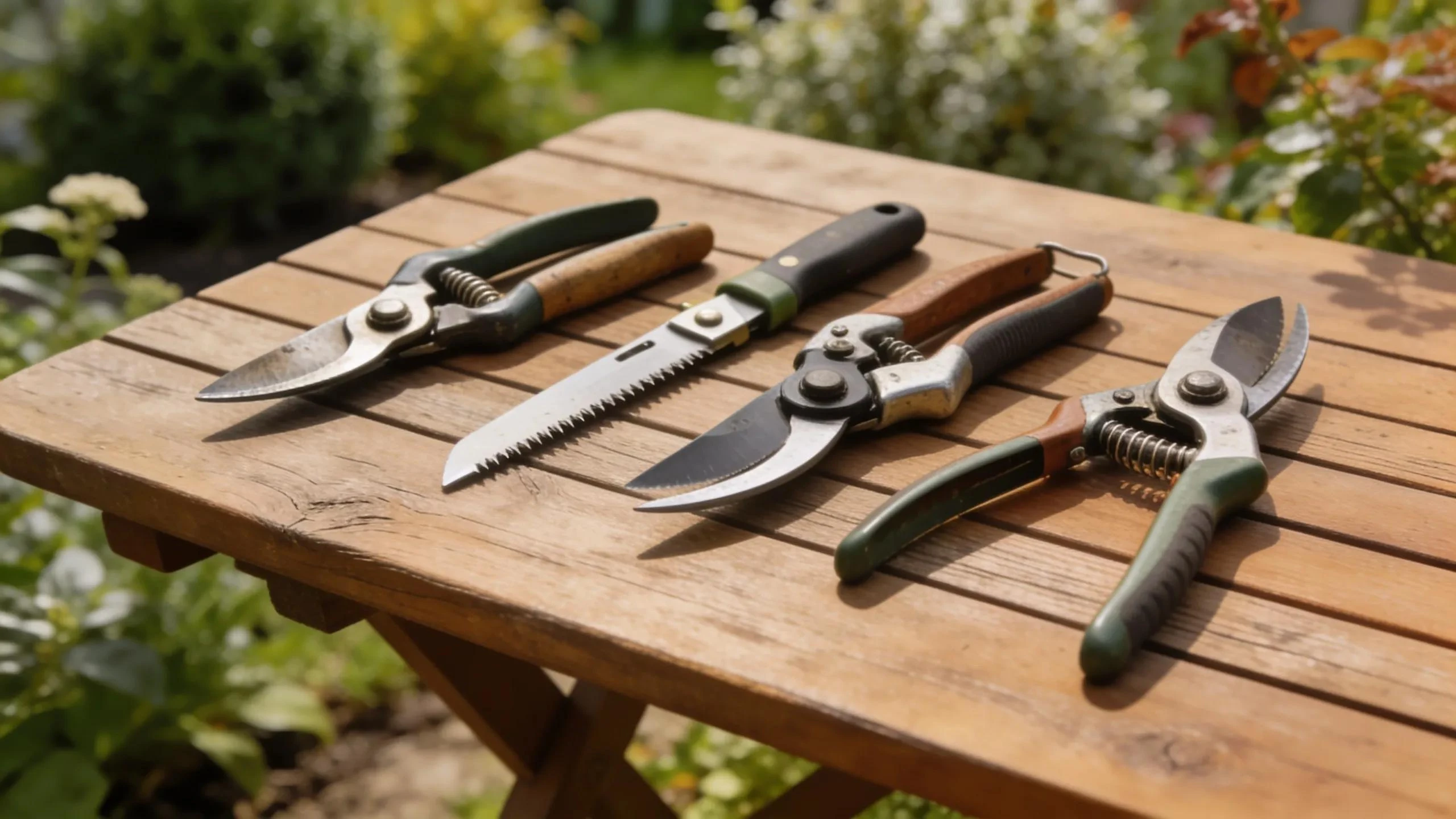
Selecting appropriate tools and using correct techniques reduces plant injury and improves outcomes. Maintain sharp, clean pruners, loppers and hedge shears for precise cuts. Employ thinning to open the canopy and improve airflow, and use heading cuts selectively to encourage fuller branching. Match methods to each shrub’s growth habit for best results.
What Are the Best Pruning Tools for Different Shrub Types?
Selecting the right tools for pruning different shrub types is crucial for achieving optimal results. Here are some recommended tools based on shrub size and type:
- Hand Pruners: Ideal for small branches and delicate shrubs, providing precision and control.
- Loppers: Suitable for thicker branches, allowing for greater leverage and cutting power.
- Hedge Shears: Best for shaping and maintaining hedges, ensuring a clean and uniform appearance.
Choosing the correct tool improves cut quality and reduces stress on the plant, helping shrubs recover faster.
How Do Pruning Methods Like Thinning and Heading Back Affect Shrub Growth?
Thinning removes selected branches at their base to increase light and air penetration, which supports flowering and overall health. Heading back shortens shoots to encourage branching and a denser habit. Applying these methods to match the shrub’s natural form allows you to control size and improve vigor without compromising long-term structure.
What Common Mistakes Should Homeowners Avoid When Trimming Shrubs?
Homeowners commonly make errors that harm plant health. The most frequent issues are:
- Pruning at the Wrong Time: Timing errors can remove flower buds or induce vulnerable growth.
- Using Dull Tools: Dull blades tear tissue and increase disease risk.
- Neglecting to Clean Tools: Unsanitized equipment can spread pathogens between plants.
Steering clear of these mistakes preserves shrub health and supports better seasonal performance.
How Can Incorrect Timing Harm Shrub Health?
Pruning at the wrong time can remove flower buds or provoke growth that will not survive adverse conditions. Early spring cuts may eliminate blooms; late fall cuts can force tender shoots before winter. Aligning pruning with each shrub’s growth cycle prevents these problems and maintains vigor.
What Are Frequent Errors in Pruning Techniques and Tool Use?
Technique and tool errors reduce the effectiveness of pruning. Typical faults include:
- Over-Pruning: Excessive removal of foliage stresses the plant and slows recovery.
- Ignoring Plant Needs: Applying one method to all species ignores distinct growth habits.
- Improper Cutting Techniques: Poor angles or stubbed cuts increase decay risk.
Understanding and avoiding these errors will improve plant outcomes and extend shrub longevity.
How Does Local Climate Influence Shrub Pruning Practices in Morris County?
Local climate conditions in Morris County, such as temperature ranges, frost dates and seasonal moisture, affect growth timing and pruning windows. Warmer winters or early springs can shift pruning schedules, while late frosts require caution. Adjust your pruning calendar to local weather patterns for the best results.
What Are the Specific Seasonal Considerations for Morris County Shrubs?
In Morris County, follow regional cues when planning pruning. Late winter often works for many species, but some shrubs may be better addressed after spring growth or immediately after flowering. Regular inspections and modest adjustments based on seasonal variation will keep shrubs resilient in the local environment.
How Do Local Weather Patterns Affect Pruning Timing and Shrub Care?
Weather anomalies change pruning priorities. An unseasonably warm winter can trigger early bud break, which may call for earlier pruning. A late frost can damage new shoots and require delaying work. Monitor forecasts and inspect plants before cutting to avoid weather-related setbacks.
What Are the Benefits of Proper Shrub Maintenance and Pruning?
Proper pruning and maintenance deliver clear benefits:
- Improved Plant Health: Removing dead or diseased wood reduces infection risk.
- Enhanced Aesthetic Appeal: Well-shaped shrubs create a neater landscape.
- Increased Property Value: Healthy landscaping contributes to overall property presentation.
These outcomes demonstrate why regular care and correct pruning are essential components of landscape management.
How Does Regular Pruning Enhance Shrub Appearance and Longevity?
Regular pruning maintains balanced form, removes weak wood and stimulates timely new growth. This approach preserves the shrub’s visual structure and helps it tolerate environmental stress, extending its useful life in the landscape.
What Are the Long-Term Advantages of Following Expert Pruning Schedules?
Adhering to recommended pruning schedules yields lasting benefits:
- Sustained Plant Health: Routine pruning lowers disease incidence and supports vigor.
- Optimal Growth: Correct timing encourages strong shoots and reliable flowering.
- Enhanced Landscape Aesthetics: Consistent maintenance keeps planting schemes cohesive and tidy.
Applying experienced guidance to pruning routines helps homeowners maintain healthy, long-lived shrubs and a well-managed landscape.
Frequently Asked Questions
1. What signs indicate a shrub needs pruning?
Signs that a shrub needs pruning include dead or diseased branches, crossing limbs that rub, and dense growth that limits airflow. Reduced flowering compared with previous seasons or an irregular shape are also indicators. Prune to remove problem wood and to restore a balanced form that supports healthy growth.
2. Is it necessary to sterilize pruning tools, and how should it be done?
Yes. Sanitizing tools reduces the chance of spreading pathogens between plants. Wipe blades with 70% isopropyl alcohol or use a bleach solution of one part bleach to nine parts water. Allow tools to dry before using them on other shrubs to maintain sanitary practice.
3. How can I identify the type of shrub I have for pruning purposes?
Identify your shrub by observing leaf shape, arrangement, flower and fruit characteristics during the growing season. Use reputable plant identification resources or contact a local extension office for assistance. Accurate identification lets you apply the correct pruning schedule and technique.
4. Are there any risks associated with fall pruning?
Fall pruning can be useful for removing dead material, but it may also encourage new growth that is susceptible to frost. Excessive cutting in late fall can deplete reserves needed for winter survival. Plan fall pruning carefully and avoid heavy cuts close to the first hard freeze.
5. What are some tips for maintaining shrub health after pruning?
After pruning, water as needed during dry periods and apply a balanced fertilizer if soil tests indicate a nutrient shortfall. Mulch to conserve moisture and suppress weeds. Inspect plants regularly for pests or disease so issues are addressed promptly and recovery is supported.
6. How can I encourage flowering in shrubs that seem to stop blooming?
Match pruning to the shrub’s flowering habit, and prune immediately after bloom for old-wood bloomers. Ensure adequate sunlight and correct soil nutrition. Incorporating organic matter into the soil and maintaining consistent moisture during dry spells will support the energy needed for future blooms.
7. What techniques should I avoid while pruning shrubs?
Avoid over-pruning, which removes too much foliage and stresses the plant. Do not apply the same method to all species; learn each shrub’s growth pattern. Make clean cuts at the correct angle just above a bud, and do not use dull blades, which tear tissue and invite pests or disease.
Conclusion
Consistent, well-timed pruning is key to healthy, attractive shrubs. Understanding species-specific timing and using correct techniques promotes vigorous growth and reliable flowering. Regular maintenance preserves plant health and improves landscape appearance. For site-specific recommendations tailored to your shrubs and local conditions, consider professional shrub and bush trimming from a qualified landscaping team.