
Timing is critical when cutting back perennials because it directly affects plant health and vigour. Pruning at the proper time promotes stronger blooms and reduces stress, while poorly timed cuts can impede development. This article outlines the optimal seasons for pruning, practical cutting techniques, and the key factors that affect plant performance. We also highlight common mistakes to avoid so you can decide when and how to cut back perennials for a healthier garden.
- Pruning perennials in spring removes dead growth and promotes air circulation for healthier plants.
- Autumn pruning prepares perennials for winter by reducing disease risk and encouraging strong spring regrowth.
- Proper cutting techniques like selective trimming, thinning, and deadheading enhance perennial vitality and bloom quality.
- Soil quality, consistent watering, and local climate significantly influence perennial health and pruning timing.
- Incorrect pruning timing can stunt growth or increase vulnerability to pests and diseases.
- Different perennial species require specific pruning schedules based on their growth habits and local climate.
- Using sharp tools and making clean cuts minimizes plant stress and supports faster healing.
- Seasonal garden maintenance, including mulching and inspections, complements pruning for year-round perennial health.
Optimal Seasons for Pruning

Pruning perennials at the correct time preserves their health and vigour. The two main seasons for pruning are spring and autumn, and each season offers distinct benefits depending on species and growth habit.
Spring
Spring is an appropriate time to remove winter-damaged or overgrown stems that can restrict new shoots. Pruning in spring improves air flow and light penetration, both essential for active growth. Clearing debris and assessing plant condition at this stage helps set plants up for a strong growing season.
Autumn
Autumn pruning readies perennials for winter by reducing disease and pest pressure and by allowing plants to allocate energy to roots and crowns. Cutting back in fall can encourage vigorous spring regrowth and simplifies winter garden maintenance.
For professional seasonal garden maintenance, Gebhard Horticulture and Design provides services to keep perennials healthy throughout the year.
Effective Cutting Techniques
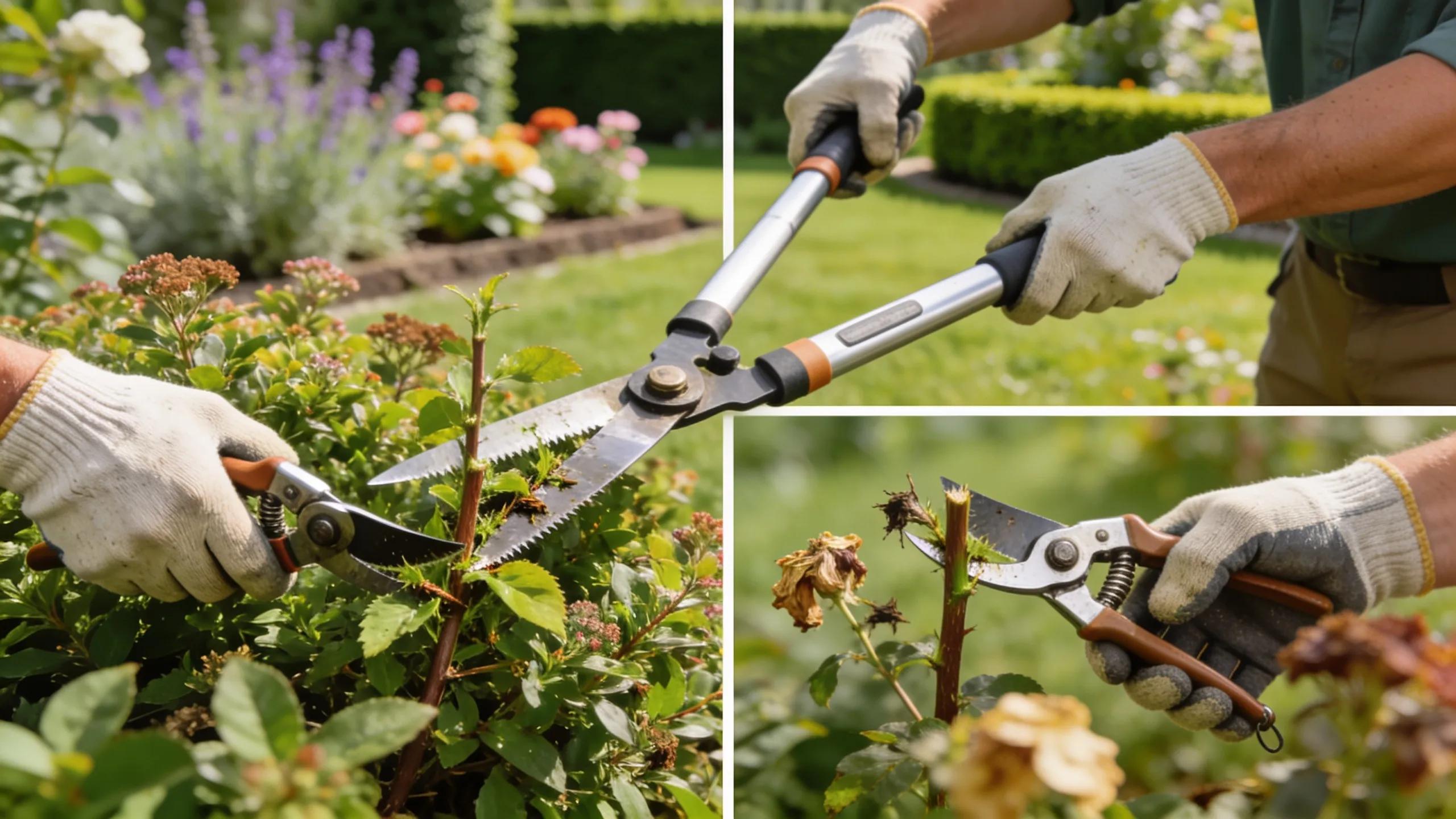
Correct cutting techniques preserve plant structure, encourage regrowth, and limit stress on perennials.
When applied correctly, these methods increase perennial vigour and improve bloom quality across the garden.
Factors Influencing Plant Health
Soil quality, water availability, and local climate are primary factors that determine perennial performance.
Soil supplies nutrients and supports root systems; regular testing and targeted amendments improve plant performance. Consistent moisture is critical, especially during dry spells, because perennials need steady water to thrive. Local climate factors, such as temperature fluctuations and frost dates, influence the timing and effectiveness of pruning practices.
Why Does Timing Matter for Cutting Back Perennials?
Timing affects a plant’s ability to flower and grow vigorously. Properly timed pruning supports bloom development and overall vigour, while early or late cuts can have negative consequences for plant health.
How Does Proper Pruning Timing Promote Perennial Health?
Pruning at the recommended times stimulates flowering and supports robust new growth. Early spring cuts can trigger fresh shoots, while autumn pruning helps plants enter dormancy with conserved energy, contributing to stronger spring displays.
What Are the Risks of Cutting Back Perennials Too Early or Too Late?
Pruning too early can stunt development because plants may not be ready for renewed growth. Pruning too late can leave tissues vulnerable to pests and disease and reduce winter hardiness. Recognising these risks helps maintain a healthy garden.
What Is the Best Season to Cut Back Perennials: Fall or Spring?
The best season depends on the species and local climate. Both fall and spring pruning offer advantages that suit different plant types and site conditions.
What Are the Advantages of Fall Pruning for Perennials?
Fall pruning reduces older top growth, which can lower disease pressure and helps plants conserve resources before winter. It also supports winter watering practices and prepares perennials for a strong resurgence in spring.
When Is Spring Pruning More Beneficial for Perennial Growth?
Spring pruning removes dead or damaged foliage and encourages new shoots, improving appearance and allowing plants to focus energy on producing blooms during the growing season.
How Do You Determine the Right Time to Prune Based on Plant Type and Local Climate?
Pruning schedules vary by species and are shaped by local climate conditions; matching timing to both factors yields the best results.
Which Perennial Species Require Specific Pruning Schedules?
Some perennials benefit from spring pruning—examples include peonies and daylilies—while others, such as asters and sedums, are often better cut back in autumn.
How Do Morris County Climate Factors Influence Pruning Timing?
In Morris County, monitor frost dates and seasonal weather patterns to determine optimal pruning windows. Local conditions will dictate the best timing for specific species.
What Are Common Mistakes to Avoid When Cutting Back Perennials?
Avoiding common errors preserves plant health and supports long-term performance.
How Can Incorrect Pruning Techniques Harm Perennials?
Poor technique—such as jagged cuts or using dull tools—damages plant tissue, slows recovery, and increases disease risk.
What Are Signs of Improper Timing in Perennial Maintenance?
Signs of poor timing include stunted growth, weak flowering, and general stress. If plants fail to thrive, review the timing and method of previous pruning.
For tailored advice on avoiding these mistakes, consult Gebhard Horticulture and Design for site-specific recommendations and maintenance services.
Which Tools and Techniques Are Recommended for Cutting Back Perennials?
Selecting the correct tools and methods is essential to effective and low-stress pruning.
What Are the Best Pruning Tools for Different Perennial Types?
Hand pruners suit small stems, while loppers are appropriate for thicker growth. Clean, sharp tools produce cleaner cuts and reduce plant stress.
How Should You Perform Pruning Cuts to Minimize Plant Stress?
Make clean cuts at the proper angle to promote healing and lower disease risk; consistent technique supports plant recovery and long-term health.
What Seasonal Garden Maintenance Tips Support Healthy Perennial Growth?
Seasonal maintenance complements pruning and helps sustain perennial health throughout the year.
How Does Seasonal Care Complement Pruning Practices?
Regular inspections, mulching, and appropriate watering reinforce the benefits of pruning and help maintain plant vigour across seasons.
What Maintenance Checklist Ensures Optimal Perennial Health Year-Round?
Use a concise maintenance checklist to support perennial health year-round:
- Regular Inspections: Check for signs of disease or pests.
- Mulching: Retain moisture and suppress weeds.
- Soil Testing: Ensure nutrient levels are adequate.
- Watering: Provide consistent moisture, especially during dry spells.
Following this checklist helps maintain healthy, vibrant perennials throughout the year.
Frequently Asked Questions
1. What signs indicate that it’s time to prune my perennials?
Base pruning on plant condition and growth behaviour. Look for dead or damaged stems, crowded areas that block light, or foliage that appears unhealthy. If plants are crowded or failing to bloom, pruning can help. Inspect in early spring and again in autumn to assess readiness.
2. Can I prune my perennials too much?
Yes. Over-pruning can weaken perennials because each species tolerates only a limited amount of tissue loss. Remove mainly dead material and stems that interfere with new growth. Prune selectively and prioritise plant health over form.
3. How do I choose the right tools for pruning my perennials?
Choose hand pruners for small stems and loppers for thicker growth. Keep blades clean and sharp to make precise cuts that reduce damage. Wear gloves and eye protection when needed for personal safety.
4. What is deadheading, and why is it important?
Deadheading is removing spent flowers to prevent seed formation and encourage further blooms. The practice extends flowering, improves plant appearance, and directs energy into vegetative growth.
5. How does climate impact pruning timing for perennials?
Climate governs pruning schedules: colder regions often require earlier autumn work, while warmer areas allow later cuts. Monitor frost dates and seasonal moisture patterns, as they affect dormancy and growth cycles.
6. Are there specific perennials that require unique pruning techniques?
Yes. Different species have distinct needs—lavender often benefits from regular shaping, while peonies generally require minimal pruning. Learn each plant’s requirements to improve health and flowering.
7. What should I do if I miss the ideal pruning time?
If you miss the optimal window, focus on corrective pruning: remove unhealthy or dead material without aggressive cuts. Avoid large-scale pruning out of season, which can stress plants; resume normal timing the following season.
Conclusion
Timely pruning and consistent seasonal care promote robust growth and reliable flowering in perennials. Understanding the appropriate seasons and methods for cutting back will improve plant resilience and reduce disease pressure. Apply the techniques and maintenance checklist outlined here, and consult professional services when site-specific guidance is required to keep your garden healthy year-round.