
Timing and plant selection determine whether a New Jersey garden thrives. This guide provides clear direction on planting windows, local frost dates, and varieties suited to the region. Follow these evidence-based recommendations to reduce plant loss, extend bloom periods and improve overall performance. Many gardeners struggle with mistimed planting and inappropriate species; this article explains frost schedules, climate zones and practical planting steps so you can make informed choices for a healthier garden.
- New Jersey gardeners should time planting around key frost dates to avoid damage to flowers and perennials.
- The state’s USDA zones 6a to 7b guide selection of suitable flower and perennial varieties for optimal growth.
- Recommended plants include Japanese Maple, Asters, Mums, Hydrangeas, and Black-eyed Susan for New Jersey gardens.
- Shade-tolerant plants like Hostas and Ferns thrive in lower light garden areas in New Jersey.
- Soil preparation with compost, proper tilling, and organic matter improves fertility and plant health.
- Planting annuals after last spring frost and perennials in spring or fall enhances establishment and growth.
- Following correct planting depth, spacing, and mulching practices supports healthy garden development.
- Monitoring local climate changes and frost variations is essential due to their impact on planting schedules.
- Consulting local gardening experts can provide tailored advice for New Jersey’s diverse climate and soil conditions.
Key Frost Dates:
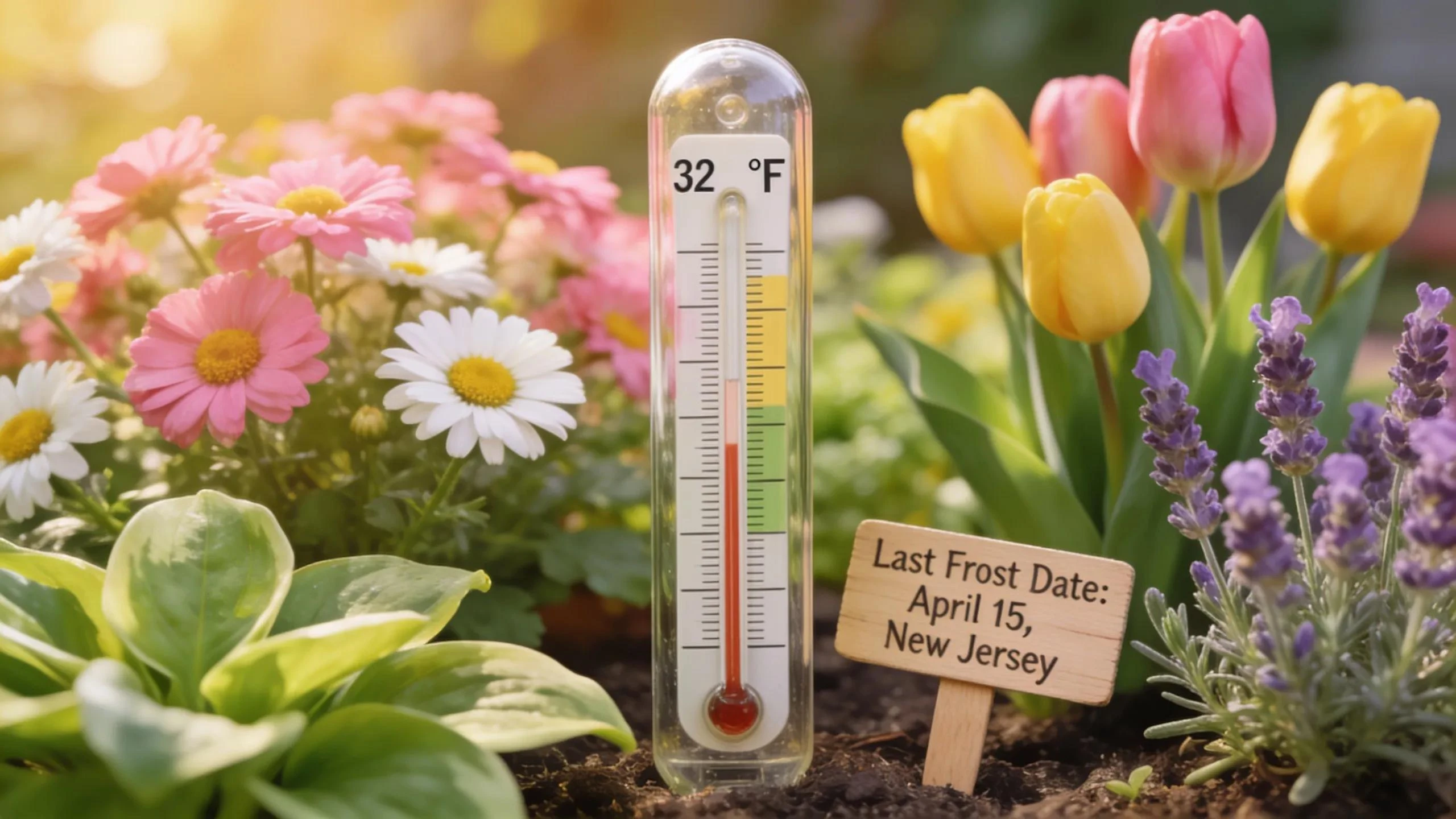
Frost dates define the safe windows for planting across New Jersey. The first autumn frost typically occurs between mid‑October and early November. Identifying the last spring frost and the first fall frost allows you to schedule planting to protect young growth and improve establishment.
Consider how climate change may alter these planting timelines and adjust schedules accordingly.
New Jersey Climate Change and Spring Frost Impacts on Agriculture
ABSTRACT: Large late‑winter and early‑spring temperature swings in temperate climates can disrupt native ecosystems and agricultural crops. As mid‑latitude regions warm earlier due to human‑caused climate change, spring temperatures may become less consistent, increasing the risk that species and crops will suffer damage from late‑spring frosts after an initial warm period.
Late-winter and springtime temperature variations throughout New Jersey in a warming climate, AJ Garner, 2024
Climate Zones:
New Jersey contains varied climate zones that influence planting choices. Much of the state falls in USDA Hardiness Zones 6a to 7b, which reflect typical winter minima and seasonal patterns. Knowing your specific zone is essential for choosing perennials and flowers that tolerate local temperature extremes.
Suitable Flower and Perennial Varieties:
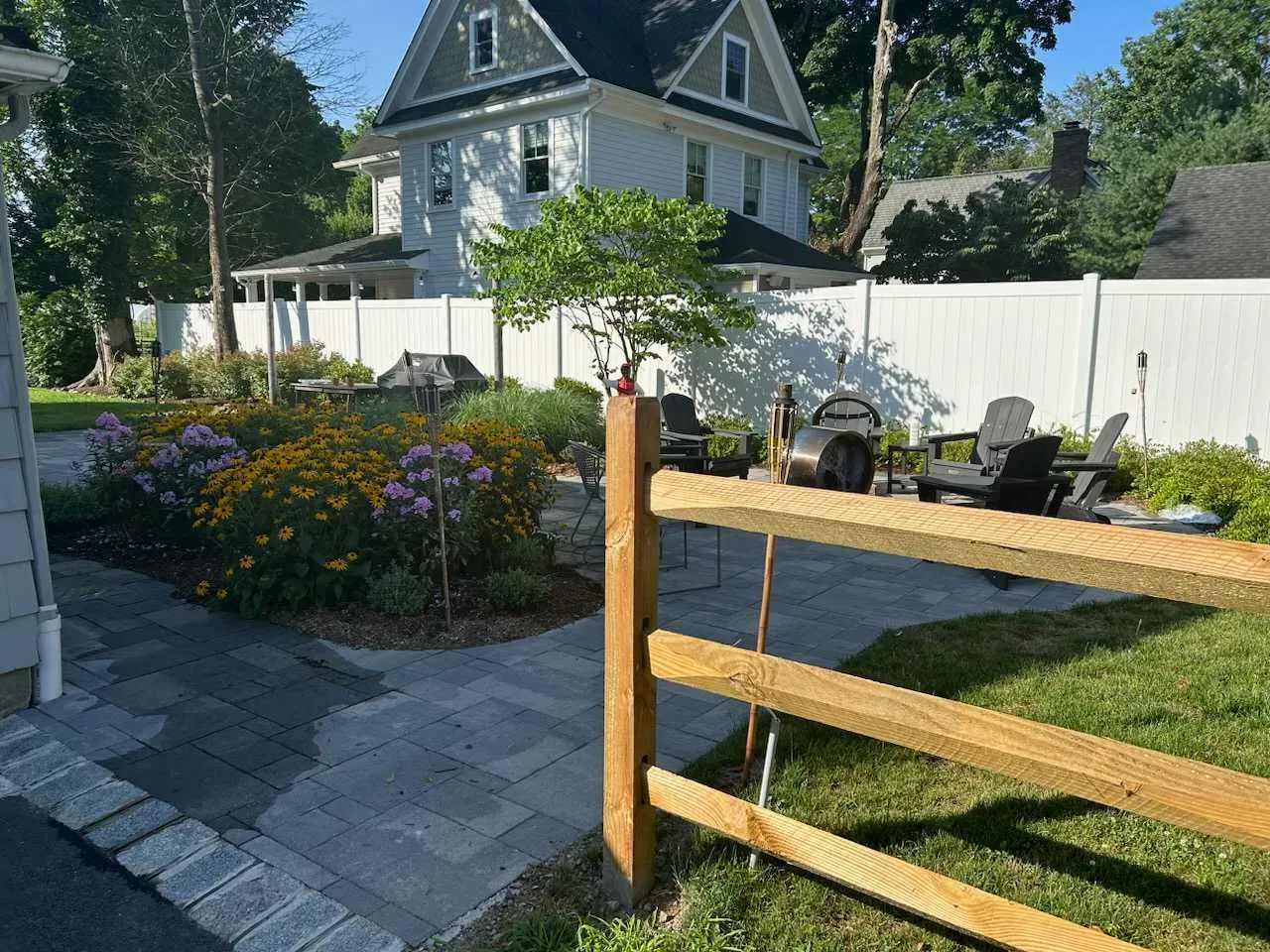
Choose varieties proven to perform in the local climate. The options below establish reliably in New Jersey gardens:
- Japanese Maple: A stunning ornamental tree that adds color and texture.
- Ornamental Grasses: These provide movement and interest throughout the seasons.
- Asters and Mums: Excellent choices for fall blooms.
- Hydrangeas: Known for their large, colorful blooms, perfect for summer gardens.
- Black-eyed Susan: A hardy perennial that attracts pollinators.
In shaded locations, select species that tolerate low light. Hostas, ferns, astilbe, bleeding heart and heuchera perform well and add texture and seasonal interest to darker parts of the landscape.
Best Practices for Optimal Growth:
Use these practical measures to improve establishment and long‑term health:
- Soil Preparation: Amend beds with compost to improve soil structure and fertility.
- Proper Planting Depth and Spacing: Ensure adequate spacing between plants to promote air circulation and growth.
- Mulching: Apply 2 to 4 inches of mulch to retain moisture and suppress weeds.
Adopting these steps creates healthier soil, reduces plant stress and increases chances of strong growth and reliable blooms.
How Should You Prepare Soil for Planting Flowers and Perennials in NJ?
Begin soil preparation with a pH and nutrient test to identify needed amendments. Incorporate organic matter such as compost or well‑rotted manure to improve fertility and structure. Ensure good drainage to prevent waterlogging and root damage.
What Soil Preparation Techniques Improve Plant Growth and Survival?
Key techniques include tilling to break up compacted layers, adding organic matter to supply nutrients and improve structure, and planting cover crops during the off‑season to prevent erosion and build soil health.
How Does Soil Type Influence Planting Success in New Jersey Gardens?
Soil type affects drainage, nutrient retention and root development. New Jersey contains sandy, clay and loamy soils; each requires different amendments and plant choices. Identify your soil type to match plants and amendment practices for optimal results.
What Is the Optimal Seasonal Planting Calendar for Morris County, NJ?
A seasonal planting calendar helps organise tasks and set priorities. In Morris County, typical planting windows are:
- Spring (March to May): Ideal for planting annuals and perennials after the last frost.
- Summer (June to August): Focus on maintaining established plants and preparing for fall planting.
- Fall (September to November): A strong window for planting perennials and preparing beds for winter.
When Should You Plant Annuals Versus Perennials in New Jersey?
Plant annuals after the last spring frost. Perennials may be planted in spring or fall; fall planting gives roots time to establish before winter and typically produces stronger spring growth.
How Can a Month-by-Month Planting Guide Enhance Garden Success?
A month‑by‑month guide helps you schedule tasks, respond to shifting weather and avoid rushed or premature planting decisions.
What Common Planting Mistakes Should Gardeners Avoid in New Jersey?
Common mistakes that reduce success include planting too early, overlooking soil quality, and overcrowding plants—each can limit growth and increase disease pressure.
How Can Planting Too Early Cause Frost Damage to Flowers and Perennials?
Planting before the frost risk has passed can expose tender shoots to late freezes, causing stunted growth or loss. Monitor local frost dates and delay planting until conditions are safe.
What Are Best Practices to Prevent Soil and Planting Errors?
Reduce soil and planting errors by performing regular soil tests, following recommended planting depths and spacing, and tracking weather to adjust schedules as needed.
How Can Local Expertise Improve Your Flower and Perennial Planting Results?
Local professionals provide site‑specific recommendations on varieties, soil preparation and timing. Their advice can reduce trial and error and help plants establish more quickly.
Why Consult Morris County Garden Care Professionals for Planting Advice?
Morris County garden care professionals, such as Gebhard Horticulture and Design, offer tailored garden care and landscape design informed by local climate and soil conditions to help you achieve better planting outcomes.
How Do Customized Landscape Consultations Support Optimal Planting Schedules?
Custom consultations assess your site and plant preferences, then recommend planting windows and techniques suited to your specific conditions for improved results.
The table summarises soil preparation methods that support root development and long‑term plant health.
The comparison outlines key traits and timing for select trees and perennials to help match plants to site conditions.
Frequently Asked Questions
1. What are the effects of climate change on gardening in New Jersey?
Climate change can shift frost dates and seasonal temperatures. Earlier warm periods may advance plant growth but also raise the risk of damaging late frosts. Review local patterns, choose resilient varieties and remain vigilant for changing pest pressures to maintain sustainable planting practices.
2. How can I choose the right flowers for specific areas in my garden?
Match plants to sunlight, soil and moisture conditions. For sunny locations, consider sun‑loving species such as Black‑eyed Susans and Asters; for shade, choose Hostas and ferns. Assess drainage and soil quality before selecting varieties to ensure good establishment.
3. What should I do if my plants are not thriving?
If plants decline, evaluate soil health, water availability and light exposure. Inspect for pests or disease and perform a soil test to identify nutrient gaps. Adjust irrigation, correct spacing for air circulation and consult local specialists for site‑specific recommendations.
4. Can I plant perennials in the fall in New Jersey?
Yes. Fall planting allows perennials to develop roots before winter, which often leads to stronger spring growth. Plant at least six weeks before the first expected frost to provide adequate root establishment time.
5. What is the importance of mulching in garden maintenance?
Mulch conserves soil moisture, suppresses weeds and helps regulate soil temperature. Organic mulches decompose to add nutrients. A 2–4 inch layer improves plant health and reduces the need for frequent watering during warm periods.
6. How often should I water my flowers and perennials in New Jersey?
Watering depends on species, weather and soil. Generally, water deeply about once a week, increasing frequency during hot, dry spells. New plantings require more frequent watering to establish roots; water early morning or late afternoon to limit evaporation.
7. Are there any specific pests I should watch for in New Jersey gardens?
Common pests include aphids, spider mites and Japanese beetles. Inspect plants regularly for early signs of infestation. Use cultural controls and organic measures, such as beneficial insects or insecticidal soap, to reduce damage while protecting beneficial species.
Conclusion
Correct timing and climate‑appropriate plant choices significantly improve garden outcomes in New Jersey. Schedule planting around local frost dates, prepare soil to support root growth and select varieties suited to your zone. Review our detailed resources for planting tips and best practices tailored to your area, and apply site‑specific guidance to create a resilient, productive landscape.