
Planting spring bulbs in fall is essential for reliable spring blooms. Correct timing and proven techniques improve establishment and flowering. This guide explains optimal planting windows, how local frost dates and soil temperature affect bulbs, which varieties suit fall planting, and how to prepare soil effectively. After reading, you’ll have clear, practical steps to help your spring garden succeed.
- Plant spring bulbs in Morris County between late September and early November for optimal root establishment.
- Local frost dates, typically mid-October, determine the ideal planting window to avoid bulb damage.
- Soil temperature between 50°F and 60°F encourages root growth and prevents premature sprouting.
- Tulips, daffodils, and hyacinths are ideal spring bulbs for fall planting in this region.
- Prepare well-draining, nutrient-rich soil with organic matter and amendments like bone meal and compost.
- Plant bulbs at depths two to three times their height, spacing them 4-6 inches apart for healthy growth.
- Avoid planting too early or too late to prevent frost damage and ensure sufficient root development.
- Mulch with organic materials to protect bulbs from frost and regulate soil moisture during winter.
- Monitor bulbs for signs of rot or sprouting to address issues before spring emergence.
What Is the Best Time to Plant Spring Bulbs in Morris County?
The best time in Morris County is generally late September through early November. This window gives bulbs time to develop roots before the ground freezes so they’ll be ready to flower in spring. Use local frost dates to determine the exact timing and ensure bulbs are in the ground before the first frost.
How Do Local Frost Dates Influence Fall Bulb Planting?
In Morris County the average first frost falls around mid-October. Planting ahead of that date allows bulbs to establish a robust root system. Check local frost dates through your county extension or trusted gardening resources to schedule planting. Planting too late increases the risk of poor growth or bulb loss from frost exposure.
Why Is Soil Temperature Critical for Planting Spring Bulbs?
Soil temperature matters: aim for 50°F to 60°F at planting. That range promotes root development while reducing premature sprouting. Use a soil thermometer to confirm conditions before you plant.
Which Spring Bulb Varieties Are Ideal for Fall Planting?
Several spring bulb varieties perform well when planted in fall. Common regional choices include:
- Tulips: Known for their vibrant colors and variety, tulips are a favorite among gardeners.
- Daffodils: These hardy bulbs are resistant to pests and provide reliable blooms.
- Hyacinths: With their fragrant flowers, hyacinths add a delightful scent to spring gardens.
These varieties provide consistent spring colour and adapt well to local conditions, helping ensure reliable blooms.
How to Prepare Soil for Successful Fall Bulb Planting?
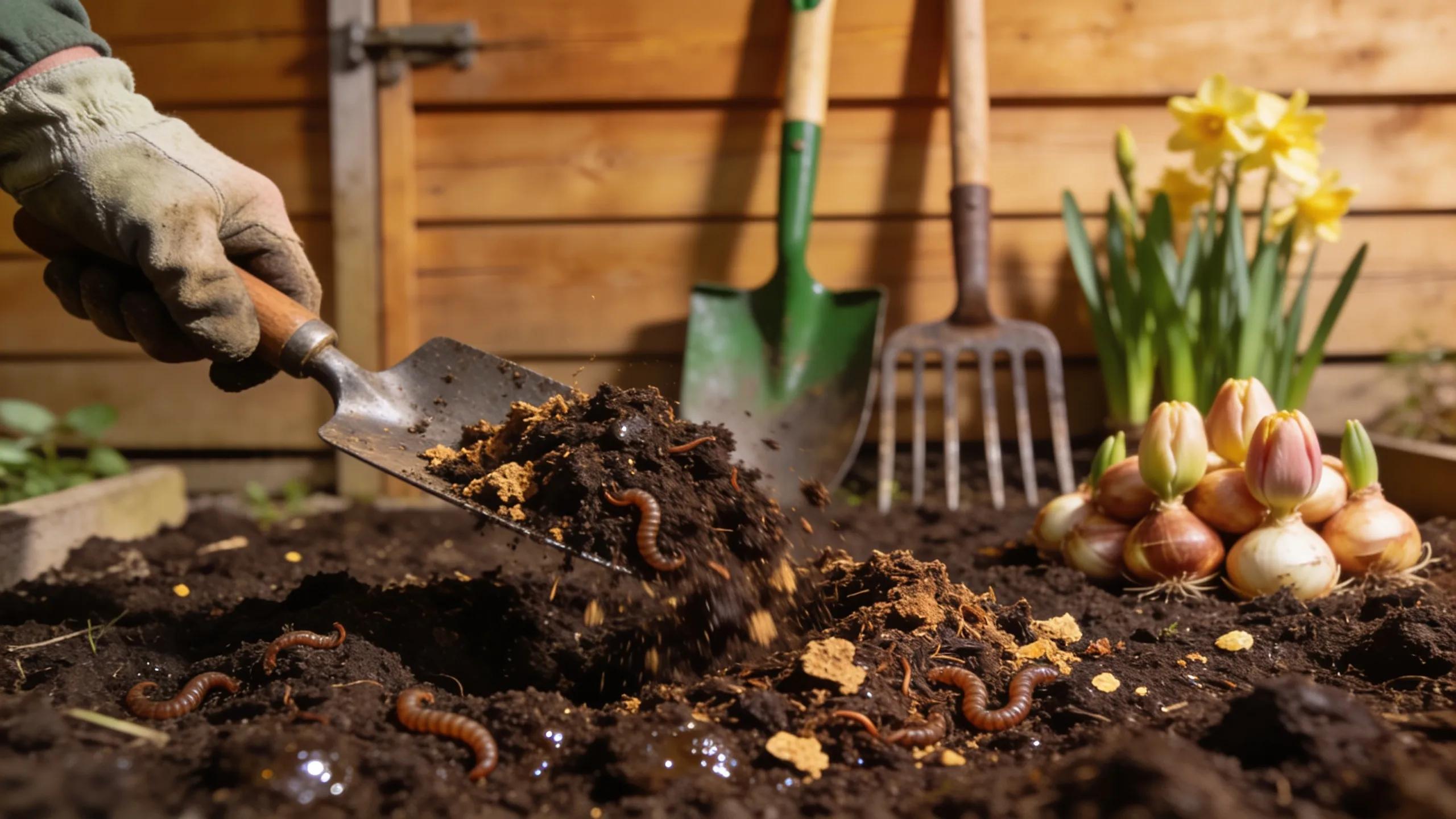
Proper soil preparation supports robust root development and stronger flowering. Aim to create well-structured, nutrient-rich soil before planting.
What Soil Conditions Promote Healthy Root Development?
Soil should be well-draining and rich in organic matter, with a pH close to neutral (about 6.0–7.0). Good drainage prevents waterlogging and bulb rot. Incorporating compost or well-rotted manure improves soil structure and nutrient content, creating a favourable environment for bulbs.
Which Soil Amendments Improve Bulb Growth?
Certain amendments reliably improve bulb performance. Consider adding:
- Bone Meal: Provides phosphorus, essential for root development.
- Compost: Enhances soil fertility and structure.
- Perlite or Sand: Improves drainage in heavy soils.
These amendments help establish a nutrient-rich, well-draining planting medium that supports healthy bulb growth.
What Is the Correct Depth and Spacing for Planting Spring Bulbs?
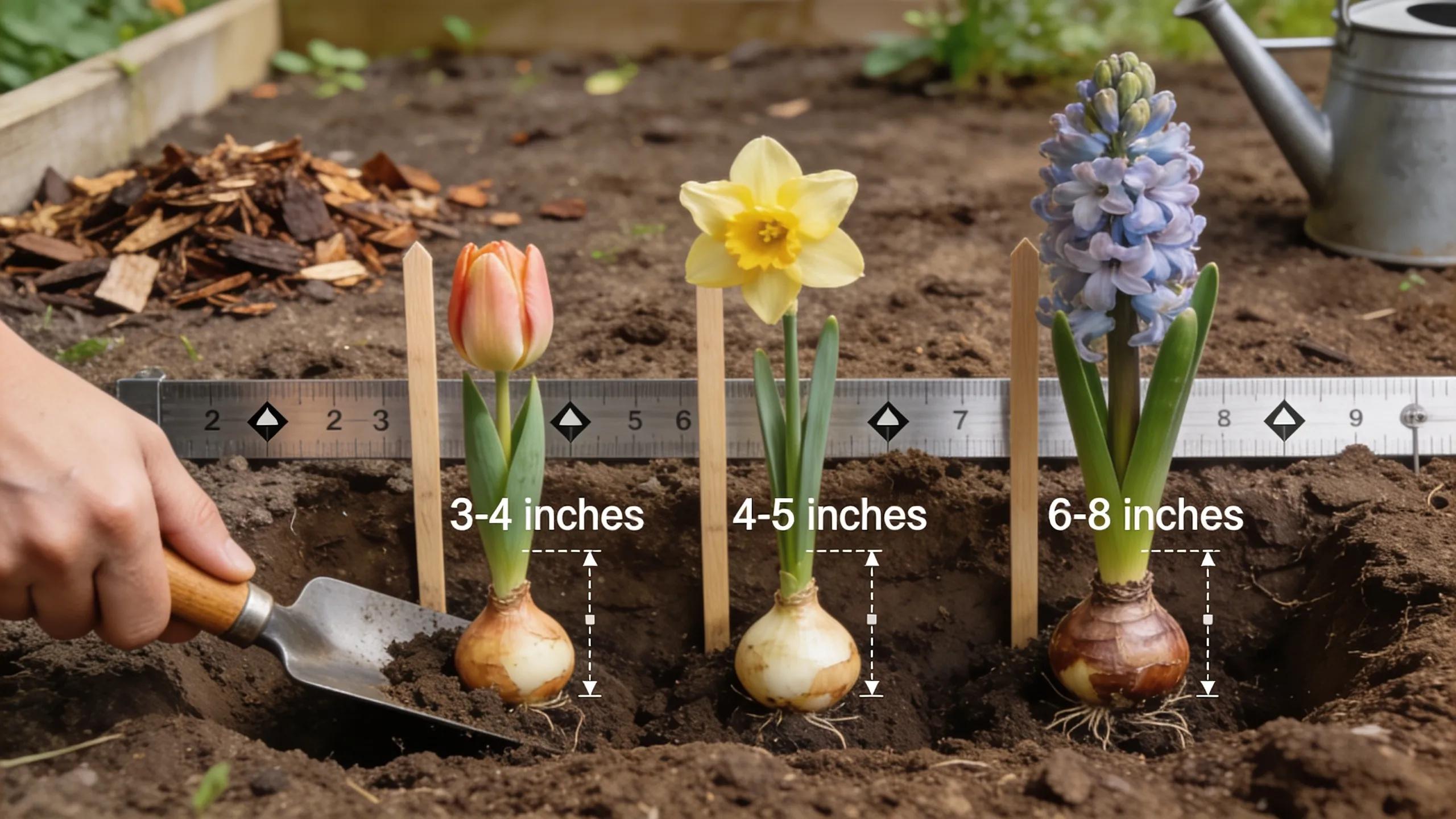
Correct depth and spacing are essential to protect bulbs from frost, prevent overcrowding, and support vigorous growth.
How Deep Should Different Bulb Types Be Planted?
The proper depth depends on bulb size. As a rule, plant bulbs two to three times their height. For example:
- Tulips: Plant 6-8 inches deep.
- Daffodils: Plant 6-8 inches deep.
- Hyacinths: Plant 4-6 inches deep.
Planting at the correct depth protects bulbs from frost and gives roots enough soil to anchor securely.
What Spacing Ensures Optimal Growth and Bloom?
Space bulbs about 4–6 inches apart to prevent overcrowding. This spacing improves air circulation and light penetration, which supports healthier blooms.
What Common Mistakes Should Be Avoided When Planting Bulbs in Fall?
Avoiding common errors increases the likelihood of successful establishment and flowering.
Can Planting Too Early or Too Late Affect Bulb Health?
Yes. Planting too early can trigger premature sprouting and leave bulbs vulnerable to frost. Planting too late may not give bulbs enough time to develop roots, leading to weak growth. Schedule planting around local frost dates to reduce these risks.
How to Prevent Soil and Frost Damage to Newly Planted Bulbs?
Mulch newly planted areas with straw or shredded leaves to insulate soil and protect bulbs from extreme cold. Ensure the planting site drains well to avoid water pooling that can freeze and damage bulbs.
How Should Spring Bulbs Be Cared for During Winter?
Appropriate winter care preserves bulb health and supports strong spring flowering.
What Are Best Practices for Mulching and Protection?
Apply a 2–3 inch layer of organic mulch—such as straw, shredded leaves, or wood chips—over the planting area to regulate soil temperature and moisture. Mulch also breaks down to improve soil quality over time.
How to Monitor Bulb Health Before Spring Emergence?
Inspect the planting area periodically for emerging shoots or signs of rot. Remove any rotting bulbs promptly to prevent spread. Early monitoring allows you to address problems before spring.
Frequently Asked Questions
What Factors Should I Consider When Choosing a Planting Location for Bulbs?
Choose a site with full to partial sun, protection from strong winds, and good drainage. Avoid low-lying areas where water can collect, as standing water increases the risk of bulb rot. These site factors support reliable growth and flowering.
How Can I Tell If My Bulbs Are Healthy Before Planting?
Check bulbs for firmness and a clean outer layer. Healthy bulbs feel solid, without soft spots, mould, or mushy areas. They should not be shrivelled. If you have concerns, a brief fungicide dip before planting can reduce disease risk.
What Should I Do if My Bulbs Start to Sprout Before Winter?
If bulbs sprout early, cover emerging shoots with extra mulch to insulate them from frost. Keep the soil evenly moist but not waterlogged. If feasible, you can plant them slightly deeper to offer more protection, taking care not to disturb roots excessively.
Can I Plant Different Types of Bulbs Together?
Yes. Group bulbs with similar light, soil and watering requirements together to simplify care. Arrange taller varieties toward the back of beds and shorter ones up front to create an orderly, attractive display.
What Is the Importance of Mulching After Planting Bulbs?
Mulch helps regulate soil temperature and moisture, reducing damage from freeze-thaw cycles. A 2–3 inch layer also suppresses weeds that compete for nutrients and, as it decomposes, contributes organic matter to the soil.
How Can I Prevent Pests from Damaging My Bulbs?
Use pest-resistant varieties when available, improve drainage, and avoid overwatering to reduce pest pressure. Natural repellents such as neem oil or insecticidal soap can help, and encouraging beneficial insects supports biological control. Regular inspections enable early intervention.
Conclusion
Planting spring bulbs correctly in fall yields reliable spring blooms. Observing local frost dates and soil conditions increases the chance of success. With proper depth, spacing and winter protection, your spring flowers will perform well. Apply these practices when you plant this fall to improve results.