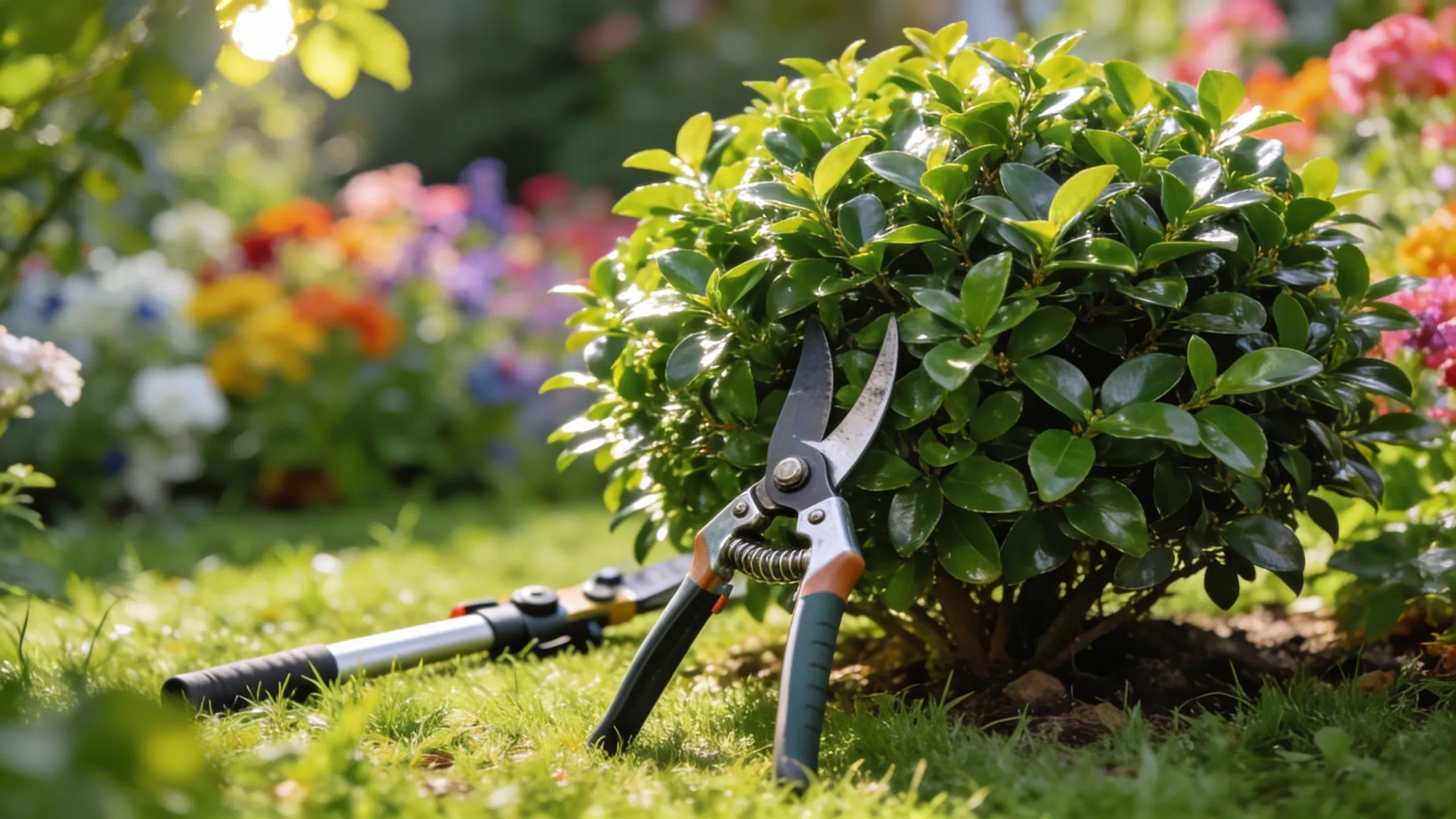
Managing overgrown bushes is a common challenge for homeowners. This guide outlines the signs that require action, the factors to weigh, and practical techniques for bush care. With clear criteria for trimming versus removal, you can keep your garden healthy and well maintained. The article explains how pruning and removal affect plant health, highlights decision indicators, and describes when professional input is appropriate.
- Decide to trim or remove overgrown bushes based on plant health, space, and impact on surrounding plants.
- Remove bushes that are diseased, pest-infested, blocking pathways, or severely overgrown beyond manageable trimming.
- Trim healthy bushes to rejuvenate appearance, promote new growth, and improve air circulation.
- Use sharp, clean pruning tools and proper techniques to minimize plant damage and encourage healthy regrowth.
- Prune bushes during late winter or early spring to reduce stress and support robust new growth.
- Regular trimming reduces long-term maintenance costs by preventing overgrowth and costly removal needs.
- Sanitize tools and avoid pruning in wet conditions to prevent disease spread during bush care.
- Consult local professionals for tailored advice and accurate cost estimates for trimming or removal services.
- Avoid common mistakes like excessive trimming, ignoring health signs, and improper timing to maintain bush health.
When to Remove or Trim
Homeowners in Morris County can obtain site-specific recommendations from Gebhard Horticulture and Design, whose shrub and bush trimming services can determine the most appropriate approach for your garden conditions.
Homeowners in Morris County can obtain site-specific recommendations from Gebhard Horticulture and Design, which can advise on the most appropriate trimming or removal approach for your garden conditions.
Factors to Consider
Consider these factors when choosing to trim or remove a bush:
- Plant Health: Assess the overall health of the bush. Look for signs of disease, pest infestations, or dead branches that may indicate a need for removal.
- Space and Design: Consider the bush’s placement in relation to other plants and structures. If it is crowding other plants or obstructing pathways, removal may be necessary.
- Impact on Surrounding Plants: Evaluate how the bush’s growth affects neighboring plants. Overgrown bushes can compete for nutrients and sunlight, potentially harming the overall health of your garden.
Assessing these elements helps you determine the most appropriate care approach for each situation.
Effective Techniques
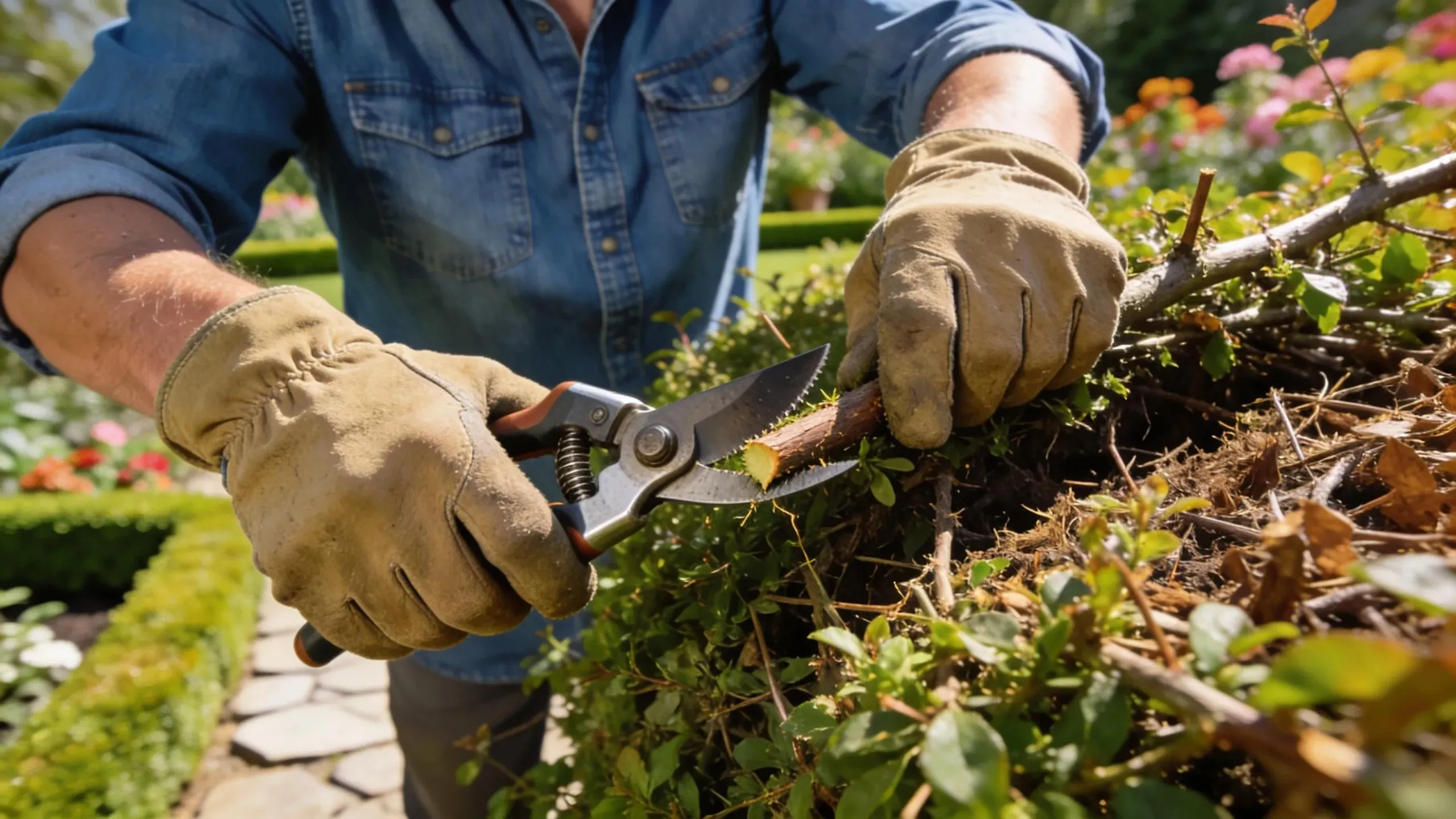
Proper trimming and removal techniques preserve plant health. The following practices reduce stress and support recovery when you manage overgrown bushes.
- Pruning Techniques: Use sharp, clean tools to make precise cuts. This minimizes damage to the plant and promotes healthy regrowth.
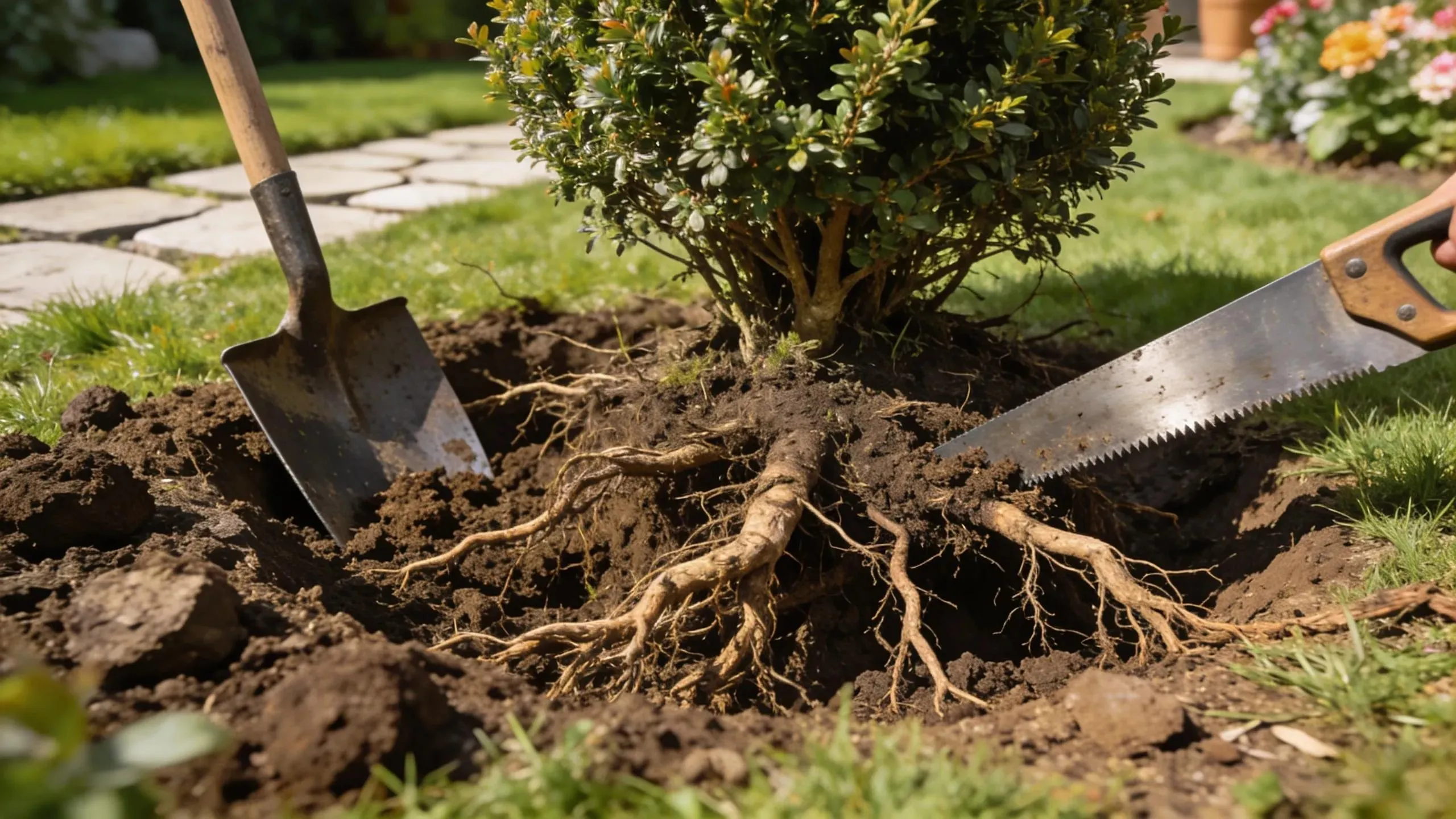
- Removal Methods: For complete removal, ensure that you dig out the root system to prevent regrowth. This may require specialized tools or professional assistance.
- Tools Needed: Essential tools for bush care include pruning shears, loppers, and saws. Always prioritize safety by wearing gloves and protective eyewear.
Using these methods helps control growth and supports overall plant vigor in the landscape.
What Are the Key Signs That Indicate a Bush Needs Removal?
Look for these signs that removal may be necessary:
- Blocking Walkways: If the bush obstructs pathways or access points, it may need to be removed for safety and convenience.
- Crowding Other Plants: Overgrown bushes can compete with neighboring plants for resources, leading to poor growth and health.
- Health Issues: Signs of disease or pest infestations can indicate that removal is necessary to protect the surrounding landscape.
How Does Bush Health Affect the Decision to Remove or Trim?
When the cause of decline is unclear, the Rutgers Plant Diagnostic Laboratory can confirm whether a disease or pest is present before you commit to removal. “Bush condition dictates the appropriate response: healthy specimens often recover well with pruning, while severe damage—such as extensive dieback or heavy pest pressure—may justify removal. Regular health assessments guide these decisions.
Which Overgrowth Conditions Warrant Complete Bush Removal?
Complete removal is appropriate under conditions like the following:
- Blocking Pathways: If a bush is obstructing walkways or entrances, it can create safety hazards and should be removed.
- Crowding Other Plants: Overgrown bushes that compete for space and resources can harm the overall health of your garden.
- Severe Overgrowth: If a bush has grown excessively large and is beyond manageable trimming, removal may be the most practical solution.
Impact on Plant Health
Pruning stimulates new shoots and improves air circulation, which reduces disease risk. Removing a diseased or infested bush prevents spread to neighboring plants. Consider the long-term effects of either action to support a resilient landscape.
What Are Effective Bush Trimming Techniques to Promote Plant Health?
To support plant health, follow these trimming principles:
- Timing: Trim bushes during their dormant season to minimize stress and encourage healthy regrowth.
- Technique: Use the right cutting techniques to shape the bush without damaging its structure. Aim for a natural shape that allows for light penetration.
- Tools: Invest in high-quality pruning tools to ensure clean cuts and reduce the risk of disease transmission.
Consistent application of these techniques enhances bush vitality and contributes to a healthier landscape.
When Is the Optimal Seasonal Timing for Pruning Overgrown Bushes?
Prune in late winter or early spring, before new growth begins, to limit stress and encourage vigorous shoots. Specific timing depends on species and local climate; seek professional input for precise scheduling.
What Tools and Methods Ensure Proper Bush Pruning?
Use correct tools and methods. Essential equipment includes:
- Pruning Shears: Ideal for small branches and shaping.
- Loppers: Suitable for thicker branches that require more leverage.
- Saws: Necessary for larger branches or complete removal.
Keep tools sharp and sanitized to ensure clean cuts and reduce the risk of disease transmission.
What Common Mistakes Should Homeowners Avoid in Bush Care?
Avoid common errors that harm bush health:
- Excessive Trimming: Over-trimming can stress the plant and hinder its growth.
- Ignoring Health Signs: Failing to recognize signs of disease or pest infestations can lead to larger problems.
- Improper Timing: Trimming at the wrong time of year can damage the plant and reduce its vitality.
Avoiding these mistakes helps maintain healthier bushes and reduces future maintenance needs.
Can Excessive Trimming Harm Bush Health?
Removing too much foliage cuts photosynthetic capacity, which can stunt growth and increase susceptibility to pests and disease. Maintain a balance between shaping and preserving leaf area; regular assessments indicate the appropriate amount to remove.
How to Prevent Disease Spread During Pruning and Removal?
Minimize disease spread by following these practices:
- Sanitize Tools: Always clean pruning tools before and after use to prevent the transmission of pathogens.
- Timing of Cuts: Avoid pruning during wet conditions, as this can increase the risk of disease spread.
- Monitor Plant Health: Regularly check for signs of disease and address any issues promptly to prevent further spread.
These measures protect plants and support overall landscape health.
How Do Cost Considerations Influence the Choice Between Bush Removal and Trimming?
Cost influences the decision: trimming is generally less expensive than removal, while removing a severely damaged or diseased bush can be the more economical long-term choice to prevent further problems. Evaluate immediate costs against potential future expenses when deciding.
What Are Typical Bush Removal Costs in Morris County?
In Morris County, typical removal costs range from $150 to $600, depending on bush size and removal complexity. Request written estimates from local providers such as Gebhard Horticulture and Design for an accurate price based on site conditions.
How Does Regular Trimming Impact Long-Term Maintenance Expenses?
Routine trimming controls growth, lowers the likelihood of extensive removals, and reduces long-term maintenance expenses while improving landscape appearance.
How Can Homeowners Make Informed Decisions About Overgrown Bush Care?
Monitor plant health and growth patterns, learn species-specific requirements, and consult a professional when unsure. These steps help homeowners choose the most appropriate care for each bush.
What Role Does Professional Consultation Play in Bush Maintenance?
Companies such as Gebhard Horticulture and Design offer maintenance, pruning, and garden bed creation and redesign services tailored to local conditions and plant needs.
How to Assess Bush Condition for Sustainable Landscape Management?
Assess condition by checking overall health, growth patterns, and environmental impact. Regular inspections for disease, pests, and structural integrity support sustainable landscape management decisions.
Frequently Asked Questions
1. How can I identify if my bush is healthy or needs to be removed?
Inspect foliage, stems, and branch structure. Discoloured or dry leaves, significant dieback, and heavy pest presence indicate decline. A healthy bush shows vigorous foliage, firm stems, and new growth in the proper season. Multiple distress signs may justify removal to protect nearby plants and improve site conditions.
2. What is the best time of year to assess the condition of my bushes?
Assess bushes in early spring before new growth begins. Winter damage is visible at that time, and timely interventions—whether trimming or removal—can be scheduled to support plant health through the growing season.
3. How often should I trim my bushes for healthy maintenance?
Most bushes benefit from annual trimming, ideally before spring growth. Fast-growing varieties may require two to three trims yearly to control size and encourage denser branching. Regular maintenance improves plant health and reduces long-term costs.
4. What should I do if my trimmed bush fails to grow back?
If a trimmed bush does not resprout, review the timing and severity of cuts and inspect for pests or disease. If no obvious issue is present, adjust timing and pruning technique and seek horticultural advice for recovery strategies.
5. Are there specific tools I should avoid when pruning bushes?
Avoid dull or inappropriate tools that leave ragged cuts and increase disease risk. Do not use household scissors on woody stems; choose pruners and loppers sized for the branch. For larger limbs, use a saw designed for pruning.
6. How do local climate conditions impact bush maintenance?
Climate affects maintenance choices: hot regions need more frequent watering and mulching to retain moisture, while cold regions may require winter protection. Local growing seasons also influence pruning timing. Seek regional guidance for best practices.
7. What are the risks associated with ignoring bush health signs?
Ignoring decline signs can allow disease to spread, reduce landscape aesthetics, and create safety hazards. Prompt attention limits damage and can avoid more extensive and costly interventions later.
Conclusion
Managing overgrown bushes correctly improves landscape appearance and protects adjacent plants. Knowing when to trim or remove prevents larger issues and supports a healthy garden. For site-specific recommendations and service options, contact Gebhard Horticulture and Design for practical guidance and care.