
As autumn colors fade, homeowners often underestimate the value of fall garden cleanup. This essential work prepares beds for winter and supports a stronger spring. Below we outline the key benefits—how cleanup supports plant health, reduces pest pressure, and improves soil nutrient balance. Also, we offer practical preparation steps to ready your garden for colder weather. Understanding these measures helps you protect your landscape investment and maintain a healthier outdoor environment.
- Fall garden cleanup prevents mold and disease by removing decaying leaves and debris from garden beds.
- Removing organic matter enhances soil aeration and moisture retention, promoting healthier root growth.
- Clearing debris reduces weed competition, improving nutrient availability for plants in spring.
- Proper pruning before frost minimizes plant stress and prevents pathogen entry during winter.
- Applying mulch insulates plants and conserves soil moisture throughout colder months.
- Timely cleanup reduces pest infestations by eliminating breeding grounds in damp, decaying material.
- Scheduling cleanup before the first frost aligns with local climate to protect garden health effectively.
- Using appropriate tools like rakes and pruners improves efficiency and thoroughness of fall garden maintenance.
- Avoiding common mistakes such as cutting grass too short and neglecting leaf removal prevents winter plant damage.
Benefits of Fall Garden Cleanup
Fall garden cleanup delivers benefits beyond appearance. Removing decaying material reduces mold and disease risk, creating a healthier environment for plants. It also improves soil health by restoring air exchange and moisture balance, and it helps control weeds so nutrients remain available for desired plants come spring.
For effective garden maintenance, firms such as Gebhard Horticulture and Design provide tailored seasonal cleanup services to help keep your outdoor space healthy and vibrant.
Preparation Tips for Fall Cleanup
Preparing for fall cleanup starts with a clear assessment of your garden. Remove leaves and debris to reduce mold and pests, mow lawns to an appropriate height to limit frost damage, and apply mulch to insulate plants and retain soil moisture through winter.
- Assess Your Garden: Identify areas needing cleanup and maintenance.
- Remove Leaves and Debris: Clear away organic matter to prevent mold and pests.
- Mow the Lawn: Keep grass at an appropriate height to protect it from frost.
- Apply Mulch: Insulate plants and retain moisture with a layer of mulch.
These steps improve the effectiveness of your cleanup and support overall garden health.
What Are the Key Benefits of Fall Yard Cleanup for Plant Health?
Fall yard cleanup supports plant health by improving conditions for spring growth. Clearing debris improves soil structure and permits stronger root development, allowing roots better access to nutrients and water. Also, increased moisture retention reduces winter stress, while recycled organic matter enriches soil for future growth.
How Does Leaf Removal Prevent Pest Infestations and Disease?
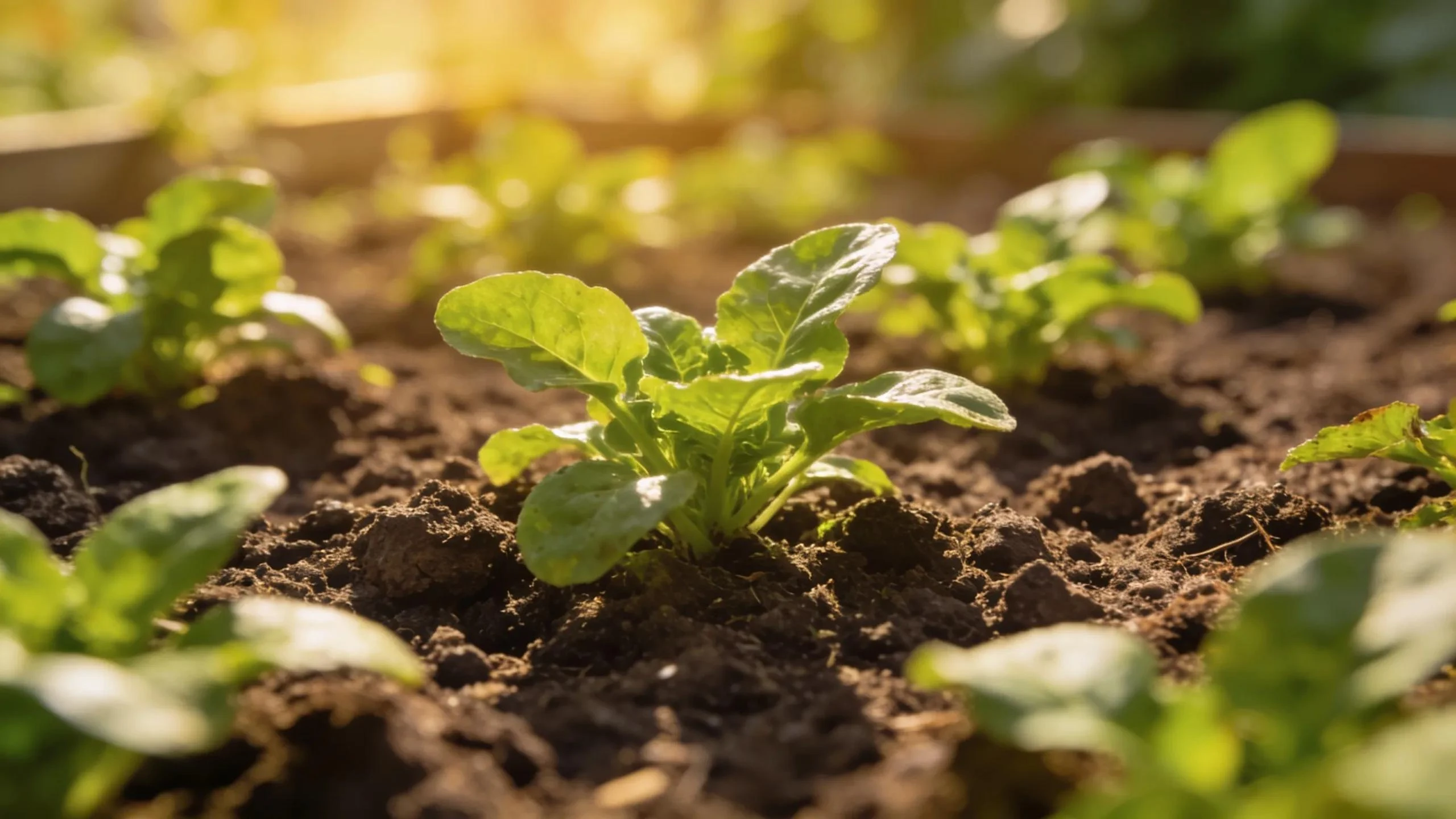
Removing leaves reduces habitat for pests and pathogens that can damage plants. Clearing decaying material lowers the risk of mold growth and turf problems from pest activity. Also, a tidy bed makes the area less attractive to insects that thrive in damp, decaying environments, protecting plants from infestations.
In What Ways Does Fall Cleanup Improve Soil Nutrient Balance?
Fall cleanup helps soil nutrient balance by promoting organic matter cycling and improving aeration. Removing excess debris allows soil to breathe, which supports microbial activity that drives nutrient cycling. This process improves soil structure and fosters beneficial organisms essential to a healthy garden ecosystem, laying a stronger foundation for spring growth.
What Common Mistakes Should Be Avoided During Fall Garden Cleanup?
Common errors during fall cleanup can undermine garden health. Cutting turf too short increases winter injury risk, while leaving leaf cover can encourage mold and pests. Also, fertilizing too late in the season may result in poor uptake before dormancy, limiting its benefit.
Why Is Leaving Wet Leaves on the Ground Harmful?
Wet leaves create breeding grounds for mold and pests and can damage turf and plants by blocking light and air. Remove wet leaf cover promptly to reduce these risks and maintain healthy lawn and beds.
How Can Improper Pruning Affect Winter Plant Survival?
Improper pruning can stress plants and increase vulnerability to cold and disease. Excessive removal of foliage reduces energy reserves, and open wounds can allow pathogens to enter. Use correct pruning techniques to preserve plant resilience over winter.
What Are the Step-by-Step Fall Cleanup Tasks for Effective Garden Maintenance?
Follow these step-by-step tasks for effective fall maintenance:
- Assess the Area: Identify which plants need attention and what debris needs removal.
- Gather Tools: Ensure you have the necessary tools, such as rakes, pruners, and bags for debris.
- Collect Debris: Remove leaves, branches, and other organic matter from the garden.
- Prune Plants: Trim back any dead or overgrown branches to promote healthy growth.
- Mulch: Apply mulch around plants to protect them from winter conditions.
These tasks ensure your garden is prepared for the winter months.
How Should Pruning and Plant Preparation Be Conducted for Winter?
Prune and prepare plants with care, timing work before the first frost to reduce stress. Use clean, sharp tools for precise cuts and remove dead or diseased wood. Also, tailor pruning techniques to each species’ requirements to support winter survival.
How Can You Prepare Your Garden for Winter in Morris County?
Preparing your garden for winter in Morris County requires attention to local climate. Aim to complete cleanup before the area’s typical first frost, often in late October to early November. Tasks may include protective treatments for sensitive specimens and adequate mulching to conserve soil moisture. Accounting for these local factors helps winterize your garden effectively.
What Local Climate Factors Influence Winterizing Strategies?
Local factors such as frost dates, soil moisture, and plant hardiness influence winterize strategies. Knowing when the first frost usually occurs lets you schedule cleanup and protection measures. Also, choosing species suited to local conditions improves garden resilience through winter.
Which Mulching and Plant Protection Methods Are Most Effective?
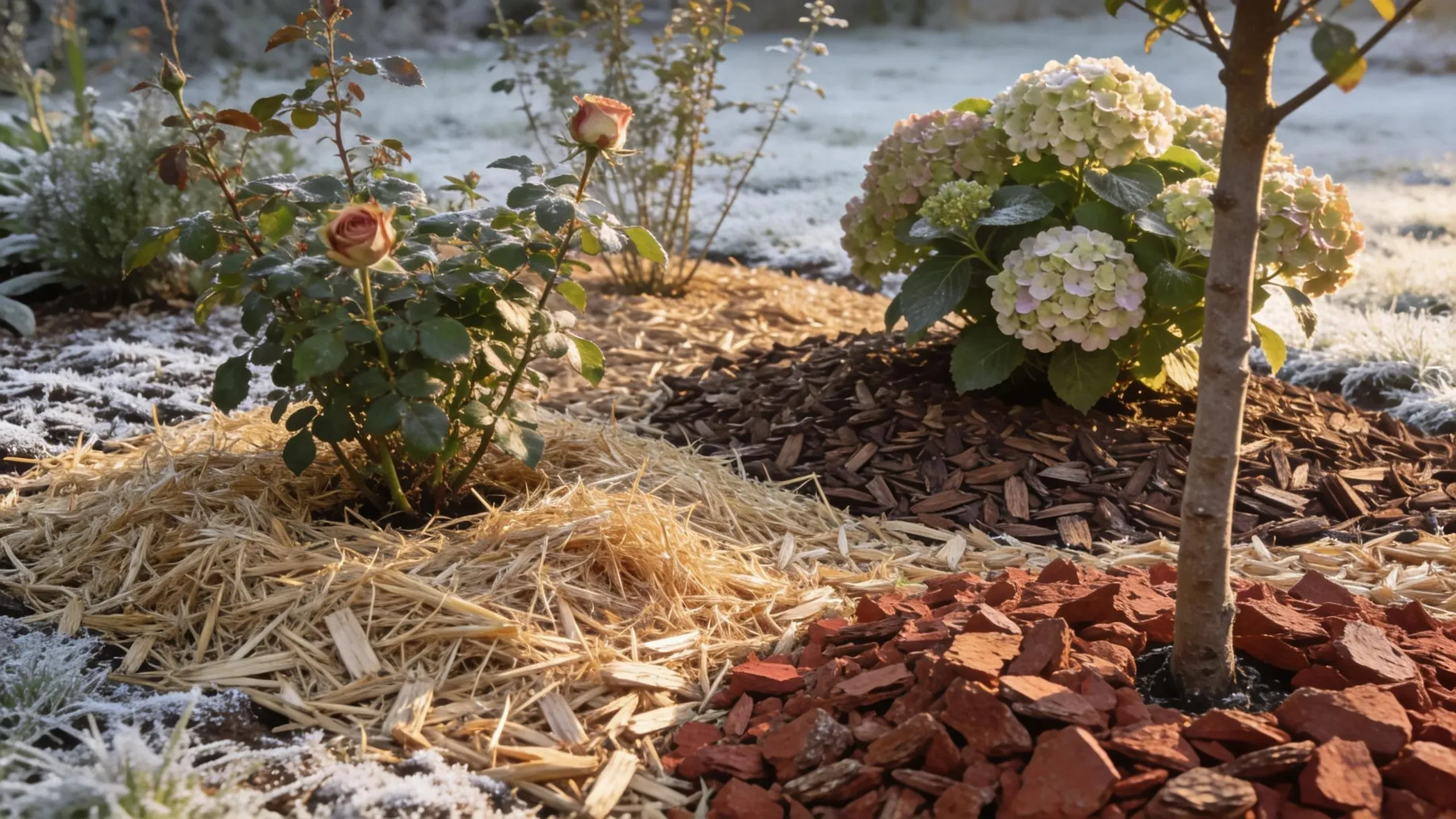
Effective mulching and plant protection reduce temperature swings and conserve moisture. Materials such as straw, wood chips, or shredded leaves provide insulation and limit erosion when applied evenly around plant bases. These measures protect roots from cold stress and help maintain soil health by reducing nutrient loss.
Why Is Fall Cleanup Critical for Pest Prevention and Spring Growth?
Fall cleanup removes potential pest breeding sites and lowers infestation risk. Clearing debris also improves soil health, creating better conditions for strong spring growth.
What Recent Data Supports Pest Reduction Through Fall Cleanup?
Recent studies show that thorough fall cleanup correlates with lower pest incidence in spring. Adopting this proactive approach helps protect plants and supports a healthier garden ecosystem.
How Does Proper Cleanup Enhance Spring Plant Health and Growth?
Proper fall cleanup gives plants better access to nutrients and moisture, encouraging healthy root development. Removing debris and improving soil conditions establishes the foundation for vigorous spring growth.
What Are Practical Tips for Homeowners to Maintain Their Gardens in Autumn?
Homeowners can keep gardens healthy in autumn by following these practical steps:
- Regular Maintenance: Schedule regular checks to assess plant health and address any issues.
- Tool Recommendations: Invest in quality gardening tools to make cleanup tasks easier.
- Timing for Cleanup: Plan your cleanup tasks around local weather patterns to maximize effectiveness.
Following these recommendations helps maintain plant health and garden appearance through autumn.
How Can Homeowners Schedule and Plan Fall Cleanup Efficiently?
Create a cleanup calendar to organise tasks and set reminders for leaf removal and pruning. Break work into manageable steps to avoid overload and ensure timely completion.
What Tools and Resources Support Effective Autumn Garden Care?
Effective autumn care relies on the right tools and reliable information:
- Essential Tools: Rakes, pruners, and bags for debris collection are fundamental for cleanup.
- Sources of Information: Gardening books and online resources can provide valuable tips and techniques.
- Best Practices: Following established best practices for garden maintenance can enhance overall effectiveness.
Using these tools and resources will help homeowners prepare their gardens for winter and maintain plant health.
Frequently Asked Questions
What tools are essential for effective fall garden cleanup?
For effective cleanup, essential tools include a rake for leaf collection, hand pruners for trimming, and a trowel for weeds. Wear sturdy gloves for protection and use bags or bins plus a wheelbarrow for larger loads. Having these items on hand streamlines the process.
When is the best time to start fall garden cleanup?
Timing depends on local climate, but complete cleanup before the first frost. In many areas this falls in late October to early November. Monitor forecasts and finish tasks such as leaf removal and pruning before winter conditions arrive.
How does fall cleanup benefit specific plant types?
Fall cleanup supports different plant types in specific ways. Removing dead foliage from perennials reduces disease and encourages healthy spring regrowth. Certain shrubs benefit from targeted pruning to reduce winter stress. Tailoring tasks to each species improves their chances of thriving next season.
Can fall garden cleanup help with soil erosion?
Yes. Clearing excess debris and applying mulch creates a protective cover that holds soil and reduces runoff during winter rains and thaw cycles. These steps preserve soil structure and nutrients and lower erosion risk.
What are the environmental benefits of fall garden cleanup?
Fall cleanup delivers environmental benefits: removing diseased material reduces pest pressure and supports healthier habitats for local wildlife. Improving soil health encourages beneficial microbes for nutrient cycling, and reducing debris limits pollutant runoff during heavy rain. Responsible maintenance supports a balanced garden ecosystem.
How can mulching benefit my garden during winter?
Mulch insulates soil, moderates temperature, and protects roots from extreme cold. It also conserves soil moisture and suppresses weeds that compete for nutrients, helping maintain soil health and a stronger spring start.
What steps can I take to ensure my garden recovers after winter?
To help your garden recover after winter, remove debris and fallen leaves during fall so pests and diseases do not persist. Apply mulch to protect roots, prune damaged branches before frost, and add compost or organic fertilizer as soils warm to replenish nutrients for spring growth.
Conclusion
Fall garden cleanup is essential to long-term landscape health. By reducing disease risk, improving soil conditions, and protecting plants from pests and weather, you set the stage for vigorous spring growth. Timely, well-executed cleanup strengthens landscape resilience. Plan your fall cleanup to give your garden the best chance to thrive next season.