
Native plants form the foundation of sustainable gardens in New Jersey. Evolved for local climate and soil, they deliver measurable ecological benefits, support native wildlife, and reduce maintenance needs. Therefore, choosing locally adapted species produces attractive landscapes that require fewer inputs. This article outlines their ecological advantages, care requirements, and aesthetic contributions, and identifies native species suited to New Jersey gardens.
- Native plants in New Jersey adapt to local climate and soil, promoting sustainable gardening practices.
- In addition, these plants support biodiversity by providing food and habitat for pollinators and local wildlife.
- As a result, native species often require less water and resist pests, reducing maintenance and chemical use.
- Furthermore, incorporating native plants enhances garden aesthetics with unique colors, shapes, and textures.
- Therefore, selecting native plants by bloom season helps ensure continuous garden interest and ecological benefits.
- Proper planting and care include site assessment, soil preparation, and seasonal maintenance for success.
- Avoid common mistakes like misplanting and overwatering to maintain healthy native gardens.
- Native plant landscaping supports New Jersey’s environmental initiatives and ecosystem restoration efforts.
- Using native plants in Morris County gardens significantly contributes to local biodiversity and ecosystem health.
Ecological Benefits:
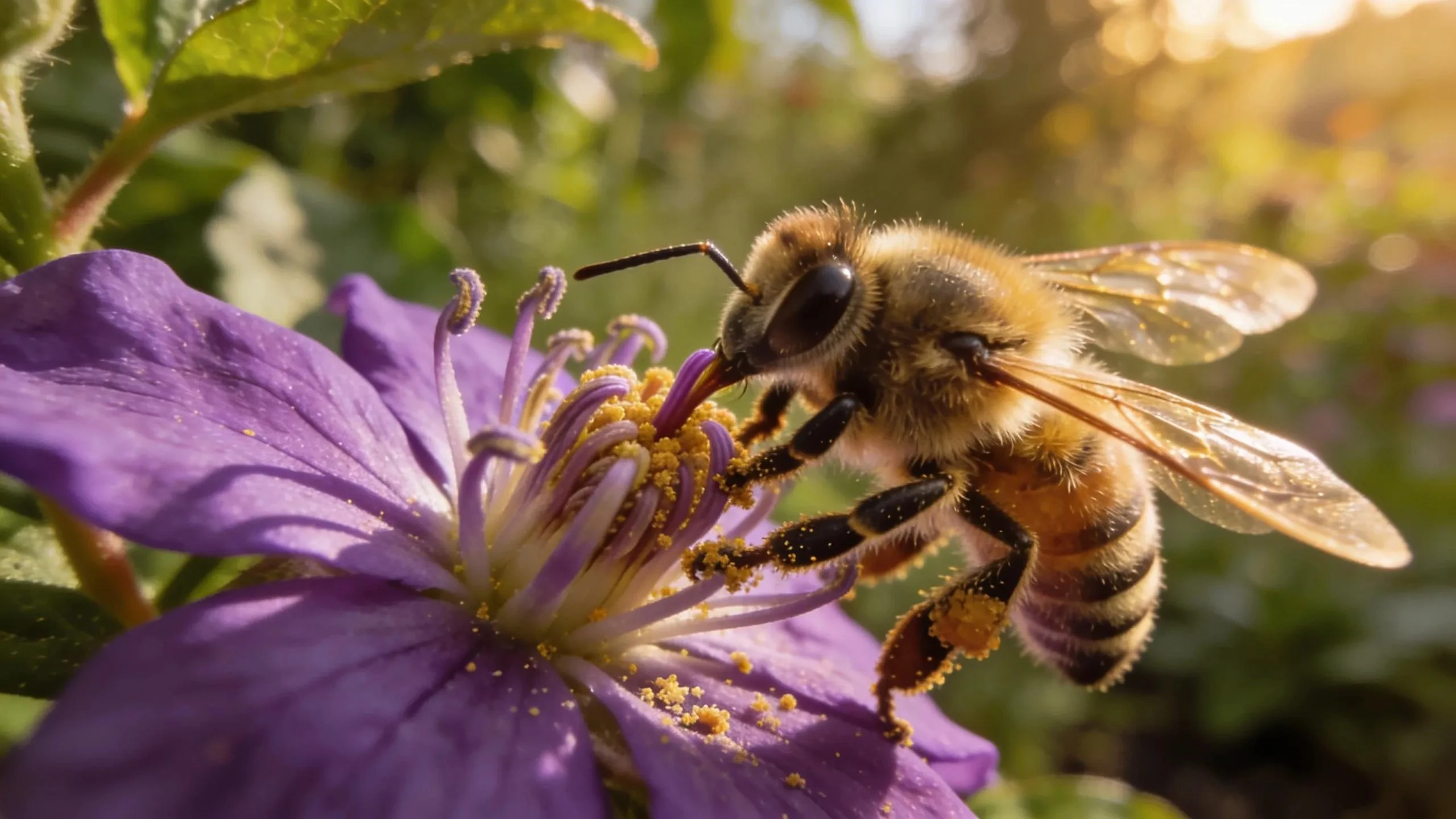
Native plants deliver clear ecological benefits that strengthen local ecosystems. They typically need less irrigation than many non-native species, which supports water-efficient landscaping. They support wildlife by providing food and shelter for pollinators and other native species. By increasing plant diversity, native plantings help preserve ecological balance and resilience.
Gebhard Horticulture and Design provides garden care and landscaping services adapted to local conditions. Their horticultural knowledge helps ensure gardens look attractive while supporting the surrounding ecosystem.
Maintenance Requirements:
Native plants are valued for lower maintenance demands. They show greater tolerance to local pests and pathogens, which reduces reliance on chemical controls. Once established, many species require minimal supplemental watering. This resilience reduces routine upkeep and allows homeowners to manage healthy landscapes with less effort.
Aesthetic Value:
Native species contribute distinct colours, forms, and textures that reflect New Jersey’s natural character. Combining natives with selected ornamental plants produces cohesive designs that are both visually appealing and ecologically functional. This approach enhances outdoor spaces while reinforcing local habitat value.
What Are Native Plants in New Jersey and Why Do They Matter?
Native plants are species that occur naturally in New Jersey and have adapted to regional climate and soil conditions over long periods. They play a central role in maintaining ecological functions by providing food and habitat, and by sustaining local wildlife and plant communities.
Definitions:
Native plants are those that evolved in a region without human introduction. In New Jersey, this classification covers species adapted to a range of habitats, from wetlands and meadows to forests.
Ecological Benefits:
The ecological benefits of native plants are significant. They generally require less irrigation, which conserves water during dry periods, and they provide essential resources for native fauna. Planting native species supports habitat restoration and ecosystem stability.
Importance for Local Biodiversity:
Native plants underpin biodiversity by supporting insects, birds, and mammals that depend on them for food and shelter. Establishing diverse native plant communities increases ecosystem resilience and helps maintain native species populations.
What Are the Key Benefits of Using Native Plants in NJ Gardens?
Using native plants in New Jersey gardens yields environmental and practical benefits: improved habitat value, lower water and chemical inputs, and simplified care for homeowners while maintaining attractive landscapes.
How Do Native Plants Contribute to Water Conservation and Soil Health?
Deep root systems in many native species access moisture from lower soil layers, cutting the need for supplemental irrigation. They also enhance soil structure and nutrient cycling, which helps reduce erosion and improves long-term soil health.
In What Ways Do Native Plants Enhance Local Wildlife and Pollinator Support?
Native plants provide the specific nectar, pollen and host resources that many pollinators and other wildlife require. By planting species suited to the region, gardeners create sustained food sources and habitat that support bees, butterflies and other beneficial organisms.
Which Native Plant Species Are Best Suited for Morris County Gardens?
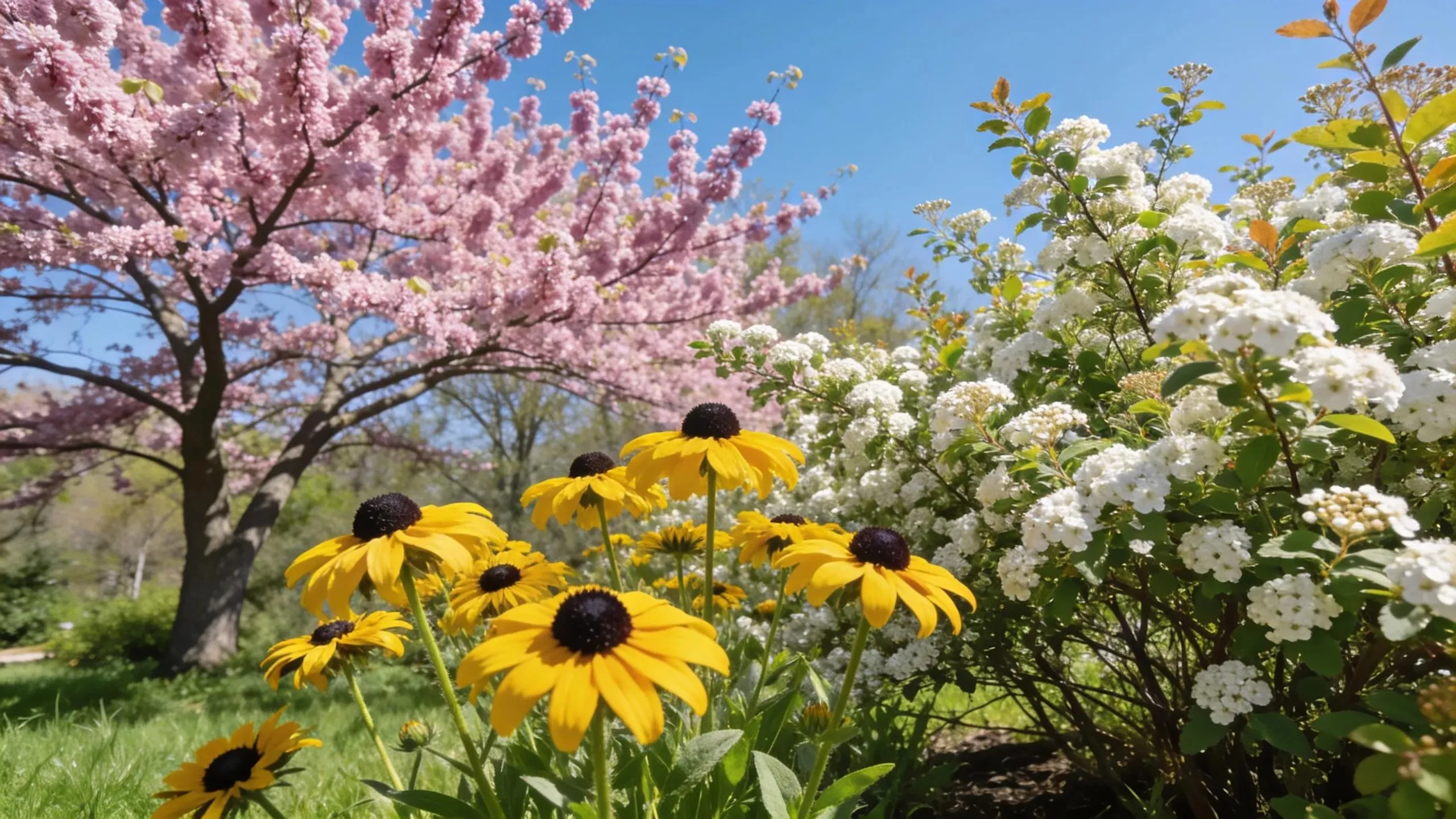
Select species adapted to Morris County soils and microclimates. Good options include:
- Eastern Redbud (Cercis canadensis): A small tree with beautiful pink flowers in spring.
- Black-eyed Susan (Rudbeckia hirta): A hardy perennial that adds vibrant yellow blooms to gardens.
- New Jersey Tea (Ceanothus americanus): A low-growing shrub that attracts pollinators and provides excellent ground cover.
What Are Top Native Wildflowers, Shrubs, and Trees for NJ Gardens?
Planting a mix of wildflowers, shrubs and trees increases both ecological value and seasonal interest. Recommended species include:
- Wild Bergamot (Monarda fistulosa): A fragrant wildflower that attracts bees and butterflies.
- Serviceberry (Amelanchier spp.): A small tree that produces edible berries and beautiful spring flowers.
- Swamp Milkweed (Asclepias incarnata): A crucial plant for monarch butterflies, providing habitat and food.
How to Select Native Plants Based on Bloom Season and Maintenance Needs
Choose a mix of species that bloom at staggered times to provide continuous colour and ecological resources across the growing season. Understanding each plant’s maintenance needs helps establish a resilient, low-input garden.
How Should Homeowners Plant and Care for Native Plants in New Jersey?
Planting and caring for native species requires attention to site conditions, proper timing, and ongoing seasonal care to ensure establishment and long-term health.
What Are Step-by-Step Guidelines for Planting Native Species in NJ?
- Choose the Right Location: Assess sunlight, soil type, and moisture levels to select appropriate planting sites.
- Prepare the Soil: Amend the soil as needed to improve drainage and fertility.
- Plant at the Right Time: Spring and fall are ideal for planting native species, allowing them to establish before extreme weather.
Which Maintenance Practices Ensure Long-Term Success of Native Gardens?
For long-term success, homeowners should:
- Conduct light seasonal cleanups to remove debris and promote healthy growth.
- Reapply mulch to retain moisture and suppress weeds.
- Monitor for pests and diseases, addressing issues promptly to maintain plant health.
What Common Mistakes Should Be Avoided When Using Native Plants in NJ Gardens?
Common mistakes in native gardening include:
- Misplanting: Choosing plants that are not suited for the specific site conditions.
- Overwatering: Native plants generally require less water than non-native species, so it’s important to avoid excessive irrigation.
How to Identify and Prevent Issues with Non-Native Species and Overwatering
Homeowners should learn to recognise local native species and watch for invasive plants that can displace them. Also, follow species-specific watering guidelines to avoid overwatering, which can cause root rot and other problems.
What Are Practical Tips to Avoid Planting Errors and Promote Garden Health?
To promote garden health and avoid planting errors, consider the following tips:
- Assess light and soil conditions before planting.
- Space plants appropriately to allow for growth and airflow.
- Research the specific needs of each plant species to ensure proper care.
How Do Native Plants Align with Sustainable Landscaping and Local Ecosystem Restoration?
Native plants reduce resource inputs and support habitat restoration. Using species adapted to local conditions creates landscapes that need less irrigation and chemical input while providing habitat for native fauna. This approach strengthens ecosystem services and improves site function.
What Role Do Native Plants Play in Supporting NJ State Environmental Initiatives?
State initiatives that promote native plantings aim to restore habitat, increase biodiversity, and protect ecosystem services across New Jersey. Encouraging native species in landscaping supports these conservation objectives.
The economic valuation of New Jersey’s natural capital underscores the significant benefits that native ecosystems provide to both individuals and society.
Economic Value of New Jersey’s Natural Capital & Ecosystem Services
ABSTRACT: This report summarises a two-year study of the economic value of New Jersey’s natural capital. Natural capital includes components of the environment that deliver a long-term stream of benefits to individuals and society; the report values natural capital as the present value of that benefit stream. Many benefits come from ecological systems, or ecosystems, defined as interactive communities of plants, animals and microorganisms together with their non-living environment. Natural capital provides both goods (for example, timber or mineral deposits) and services; services are largely supplied by ecosystems. Examples of ecosystem services include temporary storage of flood waters by wetlands and long-term regulation of climate.This report summarises the results of a two-year study of the economic value of New Jersey’s natural capital. Natural capital consists of those components of the natural environment that provide a long-term stream of benefits to individual people and to society as a whole; the value of natural capital is defined in this report as the present value of that benefit stream. Many of the benefits provided by natural capital come from ecological systems (‘ecosystems’); an ecosystem is a dynamic complex of plant, animal, and microorganism communities and their nonliving environment, all interacting as a functional unit. The benefits provided by natural capital include both goods and services; goods come from both ecosystems (e.g., timber) and abiotic (non-living) sources (e.g., mineral deposits), while services are mainly provided by ecosystems. Examples of ecosystem services (‘ecoservices’) include temporary storage of flood waters by wetlands and long-term storage of climate-regulating functions.The value of New Jersey’s ecosystem services and natural capital, R Costanza, 2006
How Does Native Plant Landscaping Benefit Morris County’s Biodiversity?
Using native plants in Morris County landscapes provides habitat and food resources that sustain local wildlife populations. These plantings support a wider range of species and improve ecological function on neighbourhood and property scales.
Frequently Asked Questions
What should I consider when selecting native plants for my garden?
Evaluate local climate, soil type and available space. Check light and moisture requirements and consider mature plant size and growth habit. Choose species that bloom at different times to provide seasonal interest and support wildlife through the year. Select compatible plants to create a balanced planting community.
How do I know if a plant is native to New Jersey?
Consult local extension services, native plant societies, botanical gardens, and reputable online databases for regional plant lists. Plant identification guides and vetted apps can also confirm a species’ native status. Visiting demonstration gardens can provide practical examples of plants that thrive locally.
Can I combine native plants with non-native species in my garden?
Yes. Combine native species with non-invasive ornamental plants, ensuring the non-natives will not outcompete local flora. Make native plants the structural core of the design so they provide habitat and ecological benefits while ornamentals complement the scheme.
What are the best practices for watering native plants?
Check soil moisture before irrigating to avoid overwatering. Apply water deeply and infrequently so roots develop well; newly installed plants typically need more frequent watering during their first year. Established natives often require irrigation only during extended dry periods.
How can I attract more pollinators to my garden with native plants?
Select a variety of native nectar and host plants that bloom across the season, such as bee balm, coneflower and milkweed. Plant in groups to increase visibility to pollinators, avoid pesticide use, and provide shelter and a water source to support diverse pollinator populations.
What are the environmental benefits of utilizing native plants in landscaping?
Native plant landscaping increases biodiversity, conserves water, and improves soil condition. These plants supply food and habitat for native fauna and help restore ecological balance, contributing to local conservation goals.
What role do native plants play in combating climate change?
Native vegetation sequesters carbon through plant growth and soil organic matter. Their root systems enhance soil structure and water retention, reducing erosion and flood risk. By strengthening ecosystem health, native plantings increase landscape resilience to climate-related stresses.
Conclusion
Adopting native plants in New Jersey gardens supports wildlife, strengthens ecosystem health, and reduces maintenance demands while enhancing landscape character. Incorporating locally adapted species helps preserve regional ecological functions and provides sustained seasonal interest. Consider local plant lists and professional guidance to implement native plantings effectively.