
12 Low-Maintenance Front Yard Plants Perfect for NJ Homes
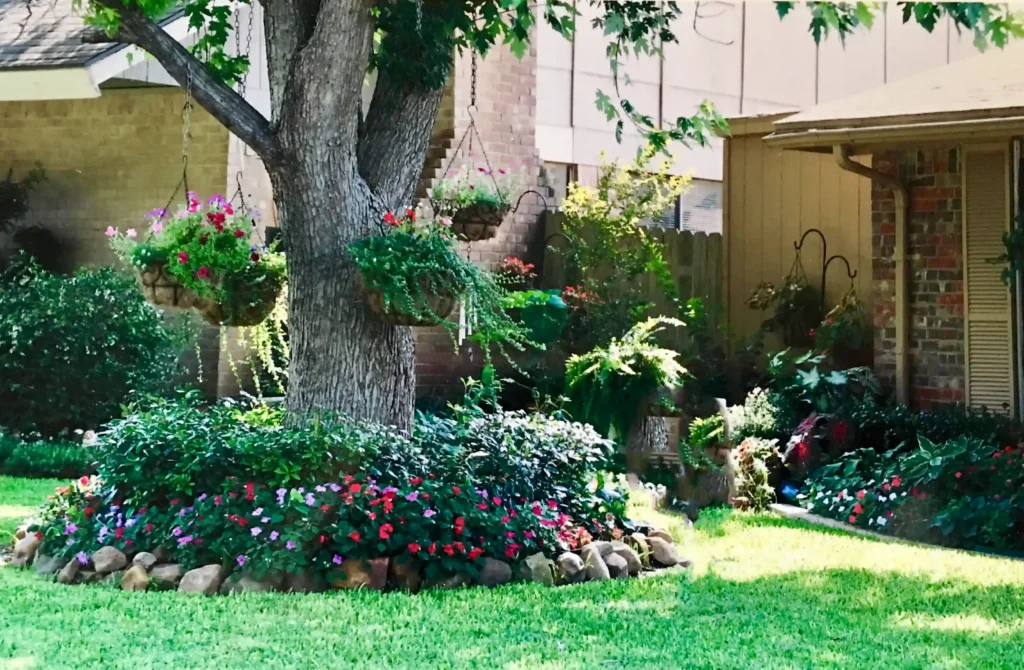
A beautiful yard does not have to mean constant work. The best low maintenance front yard plants for NJ homes are plants that grow well in our local climate, need little watering, and stay attractive without frequent pruning. With the right choices, homeowners can enjoy a clean and colorful landscape that is easy to care for.
Many homeowners want their front yard to feel welcoming but do not want to spend every weekend maintaining it. The good news is that the right plants can do most of the work for you.
According to the United States Environmental Protection Agency, outdoor water use accounts for nearly 30% of total household water consumption in the United States, and a large portion of that water is used for landscaping.
Choosing plants that require less watering can help reduce both maintenance and water usage in residential yards.
Here are 12 low-maintenance front yard plants perfect for NJ homes:
- Boxwood
- Hellebore
- Coneflower
- Black Eyed Susan
- Sedum
- Coral Bells
- Catmint
- Hosta
- Globe Arborvitae
- Switch Grass
- Viburnum
- Virginia Sweetspire
These plants are known for their durability, simple care needs, and ability to thrive in New Jersey landscapes.
12 Low Maintenance Front Yard Plants Perfect for NJ Homes
The following plants combine durability, visual appeal, and simple care requirements. Many of them perform very well in New Jersey landscapes and are commonly used in low maintenance front yard landscaping designs.
1. Boxwood Shrubs
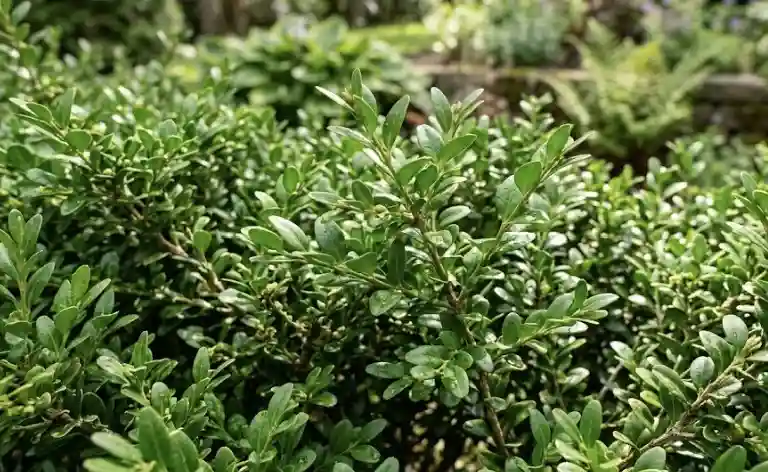
Boxwood shrubs are classic evergreen plants commonly used in front yard landscaping. Depending on the variety, they can grow anywhere from about 2 to 12 feet tall.
Homeowners often plant them along walkways, near foundations, or as low borders because they keep their neat green appearance throughout the year. Boxwoods are also known for being deer resistant and easy to shape with light pruning.
Best use: Along walkways, foundation beds, and entry areas
Maintenance level: Low pruning once or twice a year
2. Hellebore
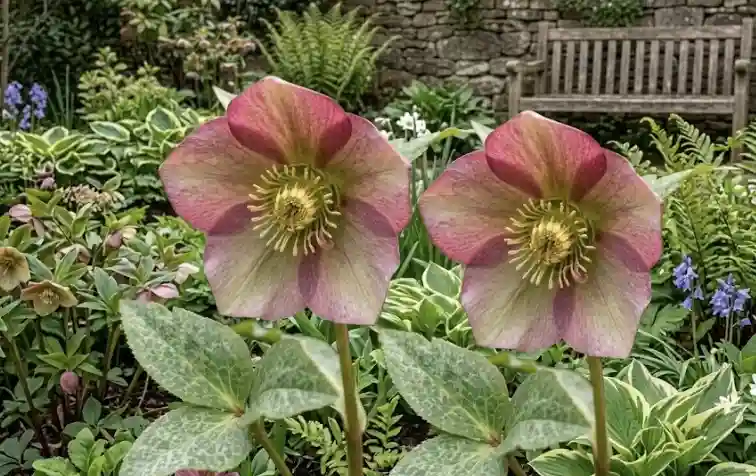
Hellebores are valued for their ability to bloom in late winter or early spring when most plants are still dormant.
Their evergreen foliage adds texture to shaded beds while their flowers bring early seasonal color to the landscape. Once established, hellebores require very little care and can thrive in shaded areas.
Best use: Shaded front yard beds
Maintenance level: Very low once established
3. Coneflower
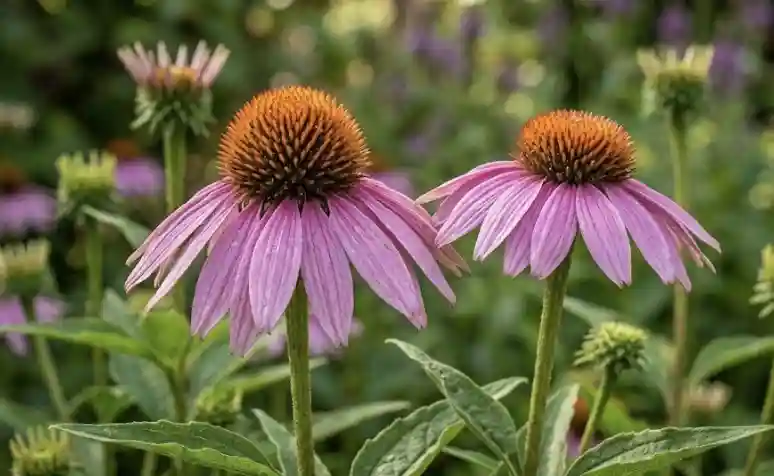
Coneflowers are hardy perennials that bring bright color and pollinator activity to front yard gardens. These plants thrive in full sun and tolerate heat, drought, and different soil types. They are especially attractive to bees and butterflies, making them a great choice for homeowners who want a lively garden with minimal care.
Best use: Sunny garden beds and borders
Maintenance level: Occasional deadheading if desired
4. Black Eyed Susan
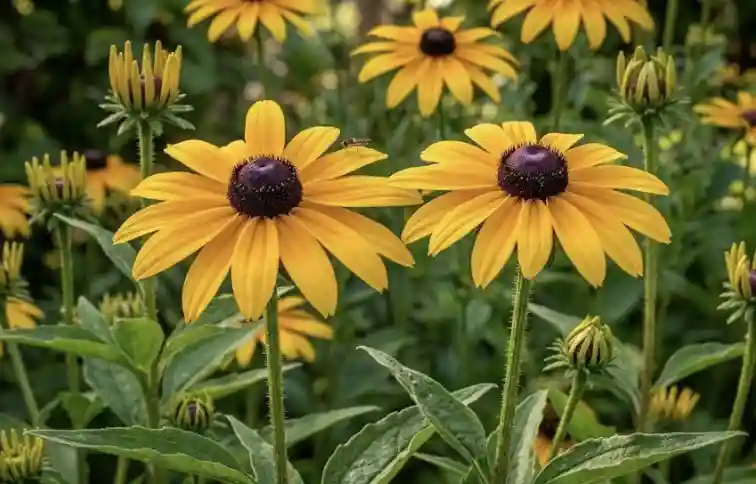
Black Eyed Susans are cheerful flowering plants that bloom from summer through early fall. Their bright yellow petals and dark centers create strong color in landscape beds.
These plants are easy to grow in full sun and can tolerate many soil conditions, which is why they are often seen growing naturally along roadsides.
Best use: Front yard borders or natural style planting beds
Maintenance level: Low care and drought tolerant
5. Sedum

Sedum is a drought tolerant plant that stores water in its thick leaves, allowing it to thrive in sunny and dry locations. It works well in rock gardens, landscape beds, or between stone pavers where other plants might struggle. Sedum also attracts pollinators while requiring very little attention.
Best use: Sunny areas near walkways or foundation beds
Maintenance level: Very minimal watering once established
6. Coral Bells
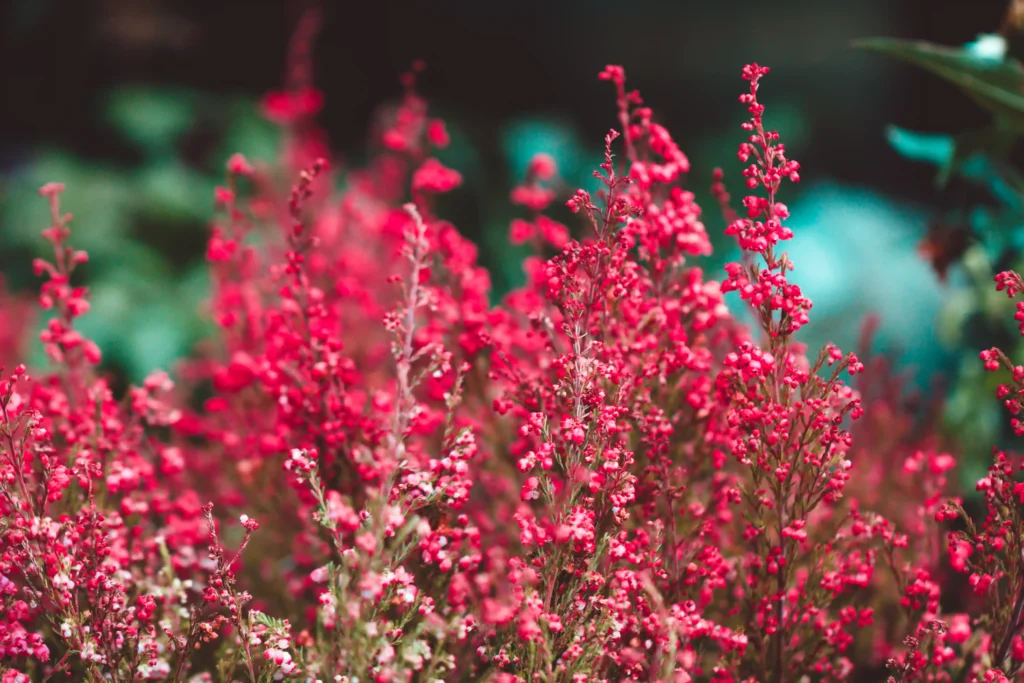
Coral bells are known for their colorful foliage, which can range from deep purple to bright green or bronze tones. These plants add contrast and texture to front yard planting beds and perform well in partial shade. Their compact size makes them a great filler plant in mixed landscape designs.
Best use: Mixed plantings and shaded front yard areas
Maintenance level: Light cleanup once a year
7. Catmint
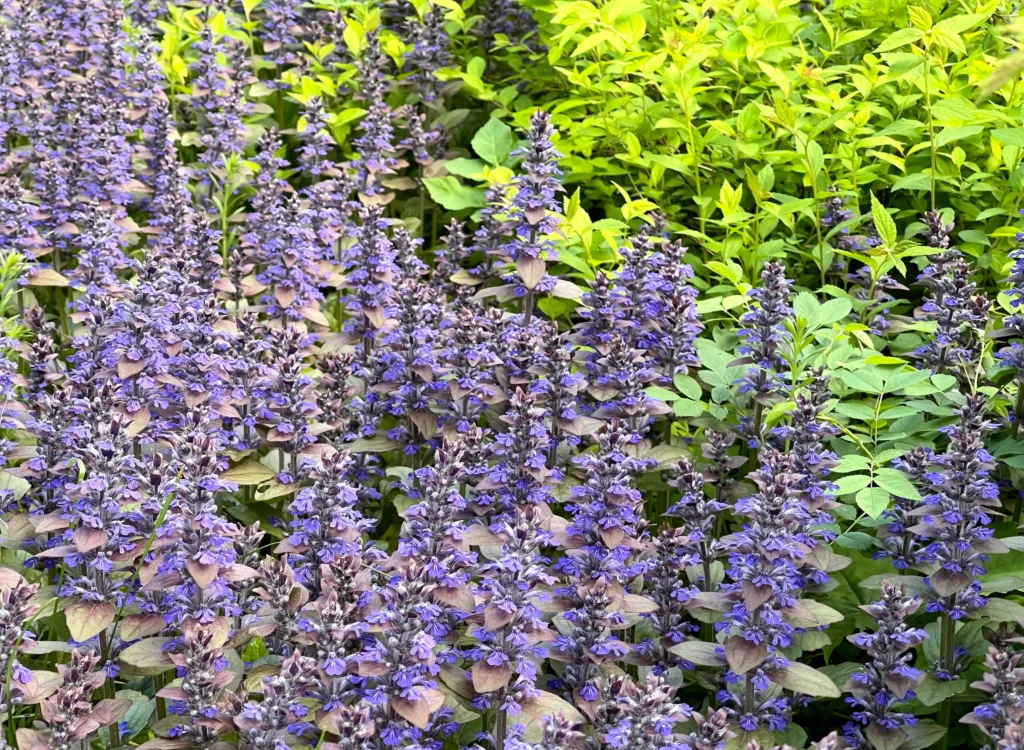
Catmint produces soft lavender flowers that bloom for long periods during the growing season. It grows best in sunny areas and can tolerate dry soil conditions once established. The plant’s fragrant flowers attract bees and butterflies, adding movement and life to the garden.
Best use: Sunny edges of garden beds or along walkways
Maintenance level: Trim after blooming to encourage a second round of flowers
8. Hosta
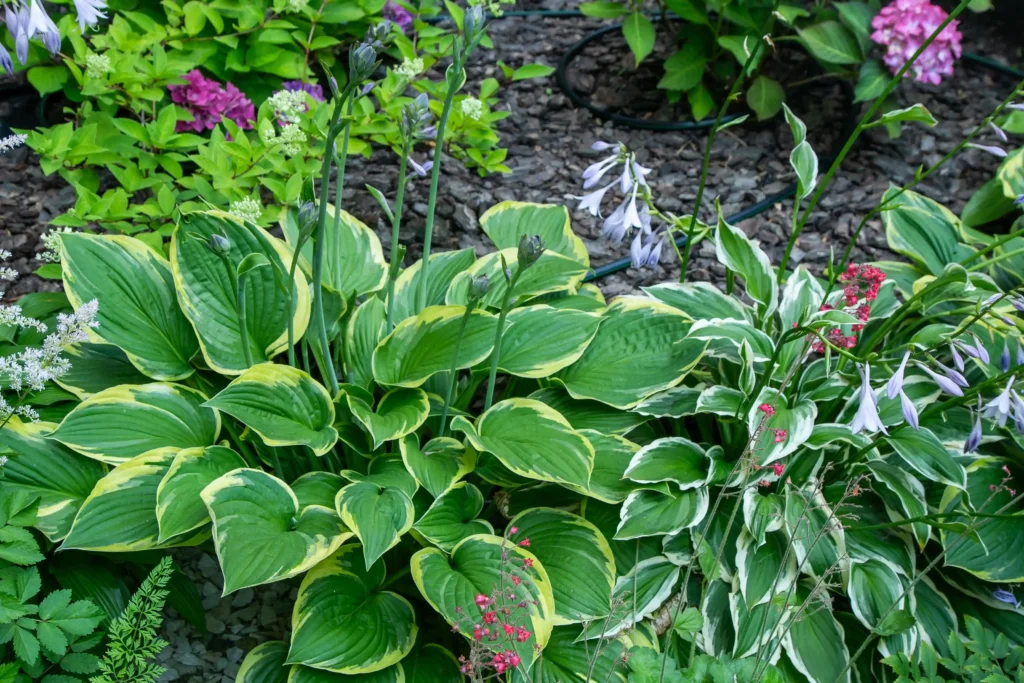
Hostas are one of the most dependable plants for shaded landscapes. Their large leaves come in shades of green, blue green, and gold, adding bold texture to garden beds. Hostas prefer partial shade and benefit from deep watering and mulch to help retain soil moisture.
Best use: Shaded areas near porches or under trees
Maintenance level: Simple seasonal cleanup
9. Globe Arborvitae
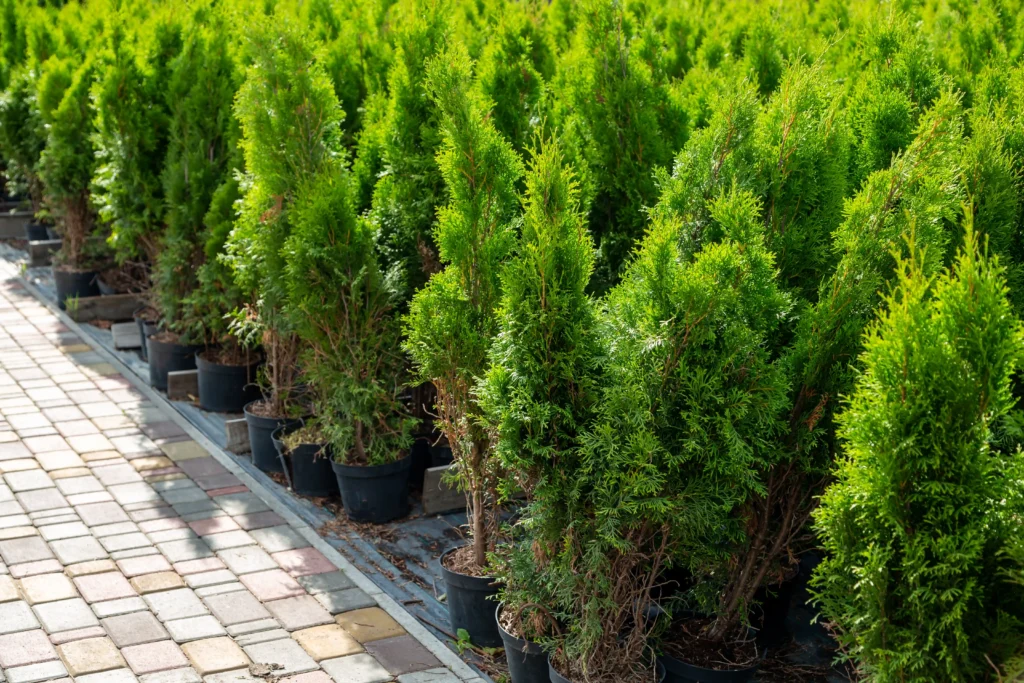
Globe arborvitae is a compact evergreen shrub that keeps its rounded shape naturally. It provides year round greenery and structure without needing constant trimming. Because of its tidy form, it fits well in foundation plantings and entry landscapes.
Best use: Foundation plantings and entry landscaping
Maintenance level: Minimal trimming
10. Switch Grass
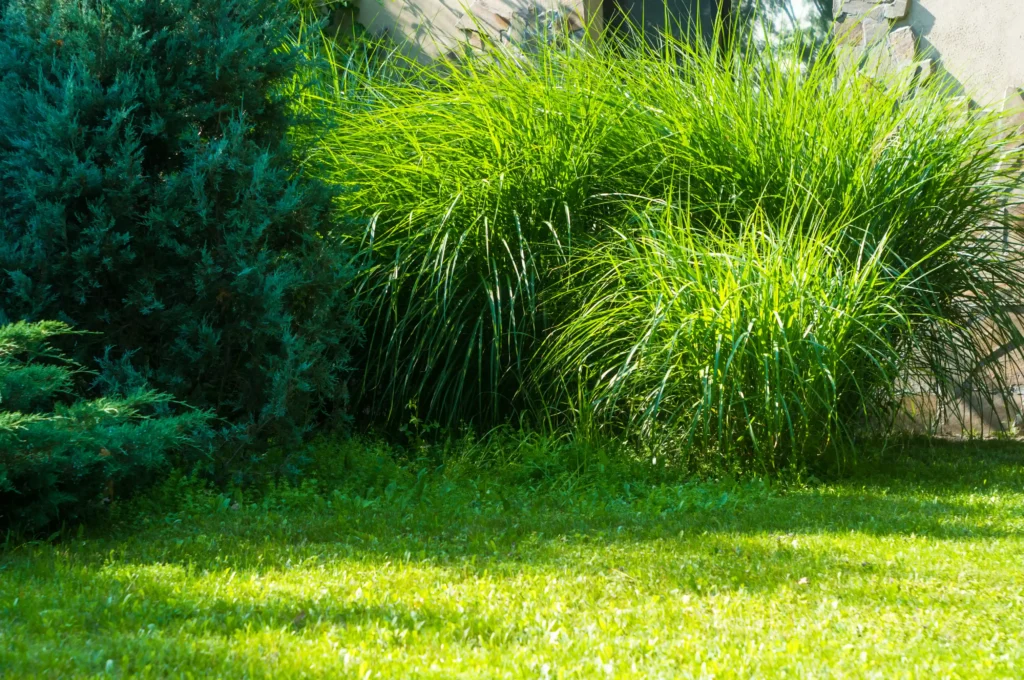
Switch grass is an ornamental grass that adds movement and texture to front yard landscapes. Its upright growth creates height without blocking windows or views. This plant performs well in sunny areas and requires little care throughout the season.
Best use: Back rows of garden beds
Maintenance level: Cut back once in early spring
11. Viburnum
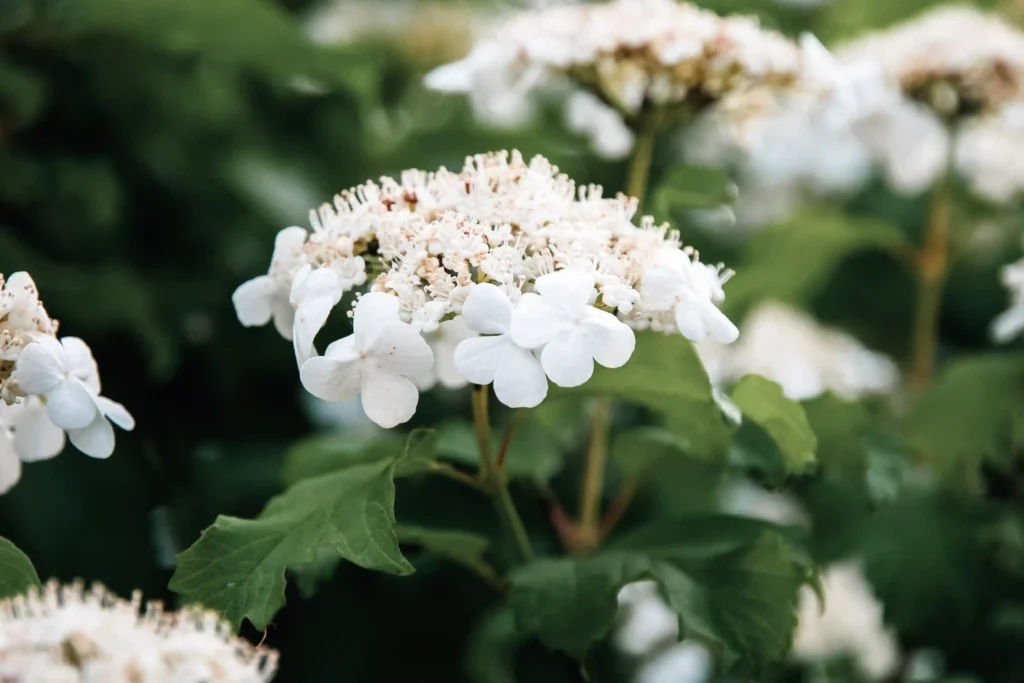
Viburnum shrubs offer multiple seasonal benefits. They produce attractive spring flowers, lush summer foliage, and in some varieties, berries that attract birds. These shrubs grow well in many soil conditions and can become beautiful focal points in front yard landscapes.
Best use: Larger front yard plantings or property borders
Maintenance level: Light pruning when needed
12. Virginia Sweetspire
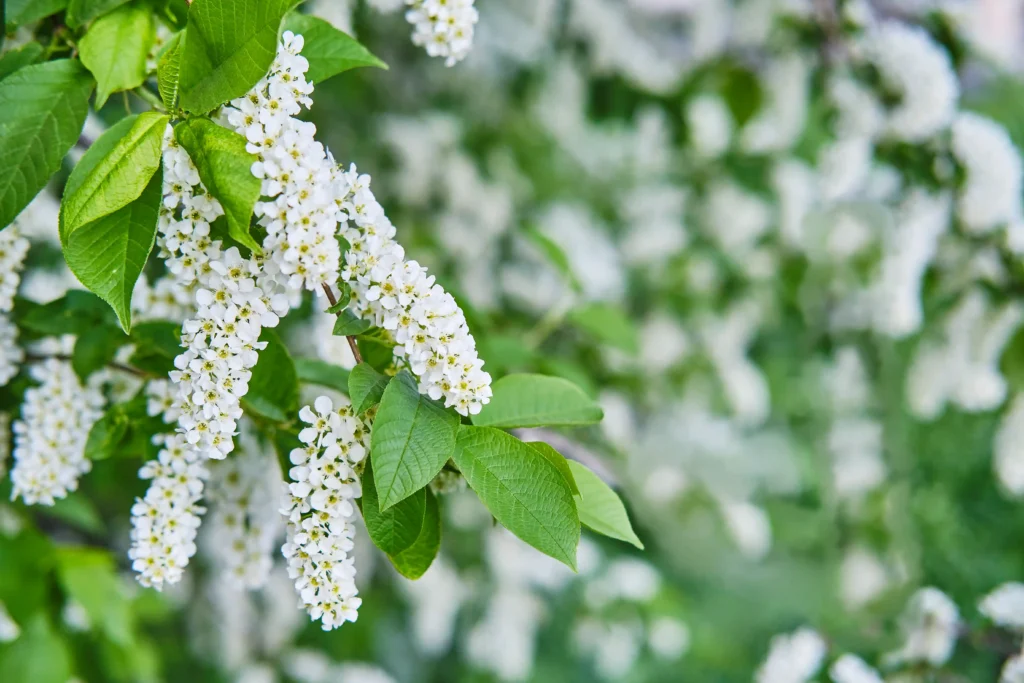
Virginia sweetspire is a native shrub known for its elegant white flower clusters and vibrant fall color. It adapts well to different soil conditions and grows easily in both sun and partial shade. This plant is also valued for its ability to attract pollinators.
Best use: Foundation beds, natural style gardens, or mixed shrub plantings
Maintenance level: Very easy to maintain
Simple Tips for a Low-Maintenance Front Yard
Choosing the right plants is important, but how you arrange them also makes a big difference. A thoughtful layout, along with proper garden design and planting, can reduce maintenance and help your front yard look clean and organized.
Here are a few simple tips to keep your landscape easy to manage:
- Group plants with similar needs: Place plants that require the same sunlight and water together so they are easier to care for.
- Layer plants by height: Put shorter plants in the front, medium plants in the middle, and taller plants in the back to create a balanced look.
- Repeat plant varieties: Using the same plants in different areas creates a more organized and professional appearance.
- Leave space for plants to grow: Avoid overcrowding so plants can reach their natural size without constant pruning.
- Use mulch in planting beds: Mulch helps keep soil moist, prevents weeds, and gives the garden a clean finished look.
With the right design, plant choices, and occasional mulching services, your front yard can stay beautiful while requiring much less effort to maintain.
Common Front Yard Planting Mistakes to Avoid
Even low maintenance plants can become difficult if they are placed in the wrong location.
One common mistake is choosing plants based only on appearance. Sunlight exposure, soil conditions, and available space should guide every planting decision.
Another issue is ignoring mature size. Plants that grow too large for their space eventually require constant trimming.
Deer pressure is also important to consider in many New Jersey neighborhoods. Selecting more resilient plants can prevent frequent damage.
Proper planning, including thoughtful garden bed creation service and seasonal care can help protect plant roots and keep landscapes healthier throughout the year.
Bringing Simplicity and Beauty to Your Front Yard
Low maintenance landscaping is about making smart plant choices that naturally thrive in New Jersey. When the right plants are used, your yard can stay healthy, attractive, and easy to manage.
At Gebhard Horticulture, we help homeowners across Morris County design and care for gardens that balance beauty and practicality. Our experience allows us to choose plants that fit the space, the soil, and the local climate.
Ready to upgrade your front yard with plants that are easier to maintain? Contact Gebhard Horticulture today and let our team help create a landscape that looks great all season.
Frequently Asked Questions
When is the best time to plant front yard plants in New Jersey?
Spring and early fall are usually the best times. The soil is easier to work with, and cooler temperatures help plants establish strong roots before extreme summer heat or winter cold.
How often should front yard plants be watered after planting?
Most new plants need regular watering during their first growing season to help them establish roots. Once established, many low-maintenance plants can rely mostly on natural rainfall, except during long dry periods.
Do low-maintenance plants still need mulch?
Yes. Mulch helps retain moisture, regulate soil temperature, and reduce weeds. Even low-maintenance plants benefit from a fresh layer of mulch each year.
Can I mix evergreen and flowering plants in the front yard?
Yes, and it is often recommended. Evergreen plants provide structure year round, while flowering plants add seasonal color. Combining both creates a balanced and attractive front yard landscape.
How can I keep my front yard looking neat without constant pruning?
Choose plants that naturally keep their shape and give them enough space to grow. For easier upkeep, a professional service like Gebhard Horticulture can help maintain plant health and keep your front yard looking tidy.