
Tree Health Assessment Tips for NJ Homeowners Before Winter
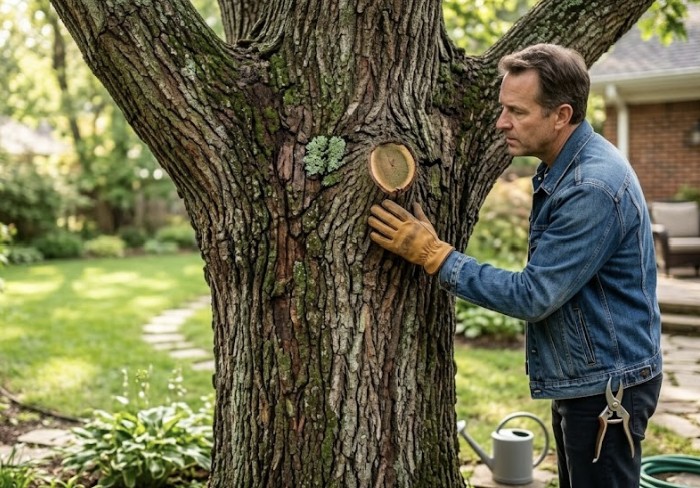
A tree health assessment before winter helps NJ homeowners protect their trees and property from snow, ice, and strong winds. Cold weather often reveals hidden problems such as weak branches, trunk damage, or unstable roots.
Checking trees early allows you to address these issues before winter storms increase the risk of falling limbs or tree failure. Three simple steps can make a big difference.
First, inspect the canopy for dead or damaged branches that could break under heavy snow. Second, examine the trunk for cracks, decay, or missing bark that may weaken the tree. Third, check the base and root area for soil movement, exposed roots, or leaning that may signal instability.
Taking a few minutes to assess your trees before winter can prevent costly damage and help keep your landscape healthy through the colder months.
Why Should Trees Be Checked Before Winter in NJ?
New Jersey winters bring conditions that can quickly stress trees. Ice storms, heavy snow accumulation, and freezing temperatures can place extra pressure on branches and trunks that may already be weakened.
Many homeowners assume tree problems appear suddenly after storms. In reality, most failures begin with small structural issues that were present long before the storm arrived. Cracks, weak branch attachments, or root problems may go unnoticed until winter weather pushes the tree past its limit.
Performing a seasonal inspection helps catch these warning signs early. It also gives homeowners time to address issues before snow and ice make outdoor work more difficult.
Another important factor is safety. Trees located near homes, driveways, or walkways can cause serious property damage if they fail during winter storms.
A careful inspection before the cold season helps reduce these risks and gives homeowners peace of mind, especially for homeowners who value low maintenance front yard landscaping where healthy, stable trees play an important role in keeping the yard both attractive and easy to manage.
Start With a Safe Ground-Level Tree Health Assessment
A professional inspection always provides the most detailed evaluation. However, homeowners can still learn a lot by carefully observing their trees from the ground.
Start by walking around your property and viewing each tree from multiple angles. Take your time and look closely at the entire structure of the tree.
Check the canopy for dead or damaged branches
The canopy is the first place where problems often appear. Look for branches that are broken, hanging, or completely dead. Dead limbs are especially vulnerable to snow weight and winter winds.
Branches that rub against each other can also weaken over time. Friction removes protective bark and creates entry points for disease or decay.
Inspect the trunk for cracks or decay
The trunk acts as the main support system of the tree. Any structural weakness here should be taken seriously.
Look for visible cracks, open wounds, or areas where bark is missing. Mushrooms or fungal growth on the trunk or near the base can also indicate internal decay.
These signs do not always mean the tree will fail, but they are important signals that the tree may need professional evaluation.
Examine the base and root area
The base of the tree often reveals problems that started underground. Pay attention to exposed roots, raised soil, or areas where the ground appears disturbed.
Soil movement can sometimes indicate root instability. When the root system weakens, the entire tree may become vulnerable to leaning or falling during storms.
Also check that mulch around the base is not piled directly against the trunk. Trees need the root flare to remain visible for proper health.
Look for unusual leaning
Some trees naturally grow at slight angles, but sudden changes in lean can signal structural problems.
If a tree appears to be leaning more than before, or if the soil around the base looks lifted on one side, it is worth investigating further.
Common Warning Signs NJ Homeowners Should Never Ignore
During our seasonal landscape visits, we often notice the same warning signs that homeowners miss. Recognizing these early can help prevent bigger problems later.
- Large cracks where branches meet the trunk: Weak branch unions can split under heavy snow loads.
- Dead branches in the upper canopy: Deadwood becomes brittle and can break easily during winter storms.
- Mushrooms growing near the base of the tree: Fungal growth may indicate internal decay in the trunk or root system.
- Peeling or missing bark: This can expose the tree to pests, disease, and moisture damage.
- Sudden changes in tree lean: Movement in the root system can increase the risk of failure.
- Past storm damage that never healed properly: Old wounds often become weak points in the tree’s structure.
Spotting one of these signs does not always mean the tree must be removed. However, it does mean the tree deserves closer attention before winter weather arrives.
What Homeowners Can Do Before Winter?
After inspecting your trees, there are several simple steps that can help support tree health during the colder months.
Remove small debris and broken twigs
Clearing minor debris from the canopy and around the base improves airflow and reduces stress on the tree.
Maintain surrounding shrubs and plants
Regular shrub and bush trimming helps remove weak or overgrown growth so plants stay healthy and better prepared for winter conditions.
Keep mulch at the proper depth
A light mulch layer helps regulate soil temperature and moisture during winter. Just make sure the mulch does not touch the trunk.
Monitor soil moisture before the ground freezes
Trees still need moisture before winter fully sets in. When autumn has been dry, occasional watering before the ground freezes can help trees enter winter in stronger condition.
Keep an eye on surrounding conditions
Construction, soil compaction, and heavy equipment near trees can damage roots. Reducing disturbance around the root zone supports long term stability.
Seasonal plant care, including thoughtful garden bed maintenance, plays an important role in protecting the health of your landscape year-round.
When a Professional Tree Inspection Is the Better Choice?
Homeowners can observe many signs from the ground, but some tree problems require expert evaluation.
Professional assessments become especially important when trees show structural defects such as deep cracks, cavities, or major limb damage. Trees located close to homes, garages, driveways, or utility lines should also receive extra attention.
Storm damage is another reason to schedule an inspection. Even when branches remain intact after severe weather, internal stress may still be present.
A professional evaluation helps determine whether a tree can be preserved through pruning and care or whether more advanced treatment is necessary.
A Simple Before Winter Tree Checklist for Homeowners
Use this quick checklist to inspect your trees before winter arrives. Walk around your property and review each point carefully.
✔ Check the canopy for dead, broken, or hanging branches
✔ Look for branches rubbing against each other
✔ Inspect the trunk for cracks, wounds, or peeling bark
✔ Check for mushrooms or fungal growth on the trunk or near the base
✔ Look at the base of the tree for exposed roots or lifted soil
✔ Make sure mulch is not piled against the trunk
✔ Notice any sudden leaning or changes in tree position
✔ Check trees that are close to your home, driveway, or walkways
✔ Look for old storm damage that never healed properly
✔ Remove small broken twigs or debris around the base
Completing this checklist before winter helps homeowners catch potential tree problems early and reduce the risk of damage during snow, ice, and strong winds.
Protecting Your Landscape Through Seasonal Tree Care
Trees play a huge role in the beauty and safety of your property. A careful inspection before winter helps protect both your landscape and your home.
At Gebhard Horticulture, we have spent decades helping Morris County homeowners care for their landscapes through every season. Our team understands how local weather conditions affect trees, shrubs, and plant health throughout the year.
With proper care and seasonal attention, trees can stay healthy and continue to enhance your outdoor space for years. If you notice concerns or want a professional check before winter, contact Gebhard Horticulture to help keep your trees and landscape in good condition.
FAQs
How often should trees be assessed for health problems?
Most homeowners should check their trees at least once a year, ideally in fall before winter weather arrives. Seasonal inspections help spot weak branches, structural damage, or root issues early. Trees near homes, driveways, or power lines may benefit from more frequent observation.
Do different tree species need different winter care?
Yes. Some trees handle cold weather better than others. Evergreen trees, young ornamental trees, and newly planted trees often need more attention before winter. These trees may benefit from proper mulching, moisture monitoring, and protection from winter winds.
Can winter salt damage nearby trees?
Yes. Road salt and de-icing products can affect soil and root health, especially for trees planted near sidewalks, streets, and driveways. Excess salt may lead to leaf browning, poor growth, or long term stress on the tree.
Is winter a good time to plant trees in New Jersey?
Planting is usually more successful during spring or early fall when soil temperatures are moderate. However, some hardy tree species can still be planted in late fall if the ground has not frozen yet and the tree has time to establish roots.
What should homeowners do after a winter storm damages a tree?
Start by observing the tree from a safe distance. Look for hanging branches, cracks, or leaning trunks. Avoid attempting major cleanup on your own, especially for large limbs. A professional inspection can help determine whether the tree can recover or needs further care.