
Elegant Perennial Shade Garden Ideas for Low-Light Landscapes
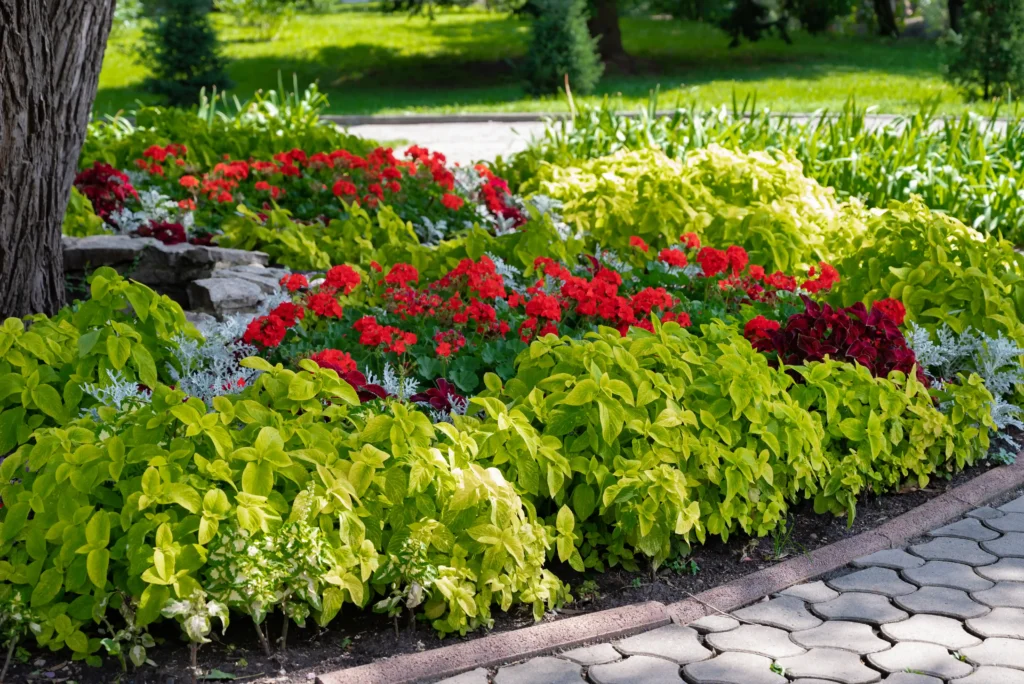
If you are looking for perennial shade garden ideas, start with three simple approaches. Create a layered woodland garden, focus on rich foliage textures, and add shade-tolerant flowering plants for seasonal color.
The key is matching the right plants to your shade conditions and designing in layers. When done right, even the darkest areas under trees, along foundations, or inside yards can become elegant, low-maintenance spaces instead of neglected problem spots.
In this guide, we’ll walk you through how to design a shade garden, which plants actually work, and how to avoid the most common mistakes.
What Is a Perennial Shade Garden?
A perennial shade garden is a planting area designed for low-light spaces using plants that come back every year. These gardens are often found under trees, along the sides of homes, or in areas that do not get much direct sunlight.
With the right perennial shade garden design, these spaces can be transformed into structured and visually balanced landscapes.
Unlike full-sun gardens that rely on bright flowers, shade gardens focus more on leaf texture, different shades of green, layered planting, and soft seasonal blooms. The goal is to create depth and interest using a mix of plant heights, shapes, and colors.
It is also important to understand that not all shade is the same. Some areas may still get a few hours of sunlight, while others stay fully shaded all day. Soil and moisture also play a big role, especially under trees where roots compete for water.
When you match the right plants to these conditions, a shade garden becomes easier to maintain and more successful long term.
Why Do Shade Gardens Look More Elegant?
Shade gardens often have a softer and more natural look compared to full-sun areas. Instead of bold, bright flowers, they use layers of greenery, different leaf shapes, and subtle colors to create depth and balance. This makes the space feel calm, clean, and well-designed.
Because shaded areas are usually cooler and less exposed, they can also feel more private and relaxing. With the right plant choices and layout, a shade garden can turn a difficult area into one of the most visually appealing parts of your landscape, especially when paired with low maintenance front yard plants that keep the design simple and easy to manage.
Understanding Your Shade Before You Plant
Not all shade is the same. This is where most people go wrong.
Dappled Shade
Dappled shade happens when sunlight filters through tree branches, creating a mix of light and shadow. This is one of the easiest conditions to work with because many perennials can still get enough light to grow well.
Plants in this setting often perform best because they receive indirect sunlight without harsh exposure.
Partial Shade
Partial shade means the area gets about 3 to 6 hours of sunlight each day, usually in the morning or late afternoon. This type of shade supports a wide variety of plants, including both foliage and flowering perennials. It is one of the most flexible conditions for designing a balanced shade garden.
Full Shade
Full shade areas receive less than 3 hours of direct sunlight daily. These spaces rely mostly on indirect or reflected light. Plants that grow here need to tolerate low light and slower growth conditions. Foliage plants tend to perform better than flowering ones in full shade.
Deep Shade
Deep shade has little to no direct sunlight, often found under dense tree canopies or between buildings. This is the most challenging condition because plant options are limited. Only highly shade-tolerant plants will survive, and growth may be slower compared to other areas.
According to the University of Minnesota Extension, light or partial shade areas typically receive about 3 to 6 hours of sunlight per day.
Before choosing plants, observe your yard throughout the day. Morning and afternoon light can change everything.
Understand Your Site Conditions Before Planting
Before choosing any plants, it is important to understand the conditions in your yard. This step helps prevent common issues and ensures your shade garden grows successfully over time.
Focus on these key factors:
- Soil quality and drainage
- Moisture levels
- Tree root competition
- Available planting space
- Maintenance expectations
Each of these directly affects how well your plants will grow.
For example, planting under mature trees is very different from planting along a shaded foundation. Tree roots can compete for water and nutrients, while foundation areas may have more stable soil but different light and moisture conditions.
According to extension-based guidance, soil and site conditions play a major role in plant survival and long-term performance. Understanding your site first makes it much easier to choose the right plants and avoid costly mistakes.
Perennial Shade Garden Ideas That Actually Work
Now let’s get into the ideas. These go beyond what competitors show because we’re not just listing plants, we’re helping you design.
Layered Woodland Garden
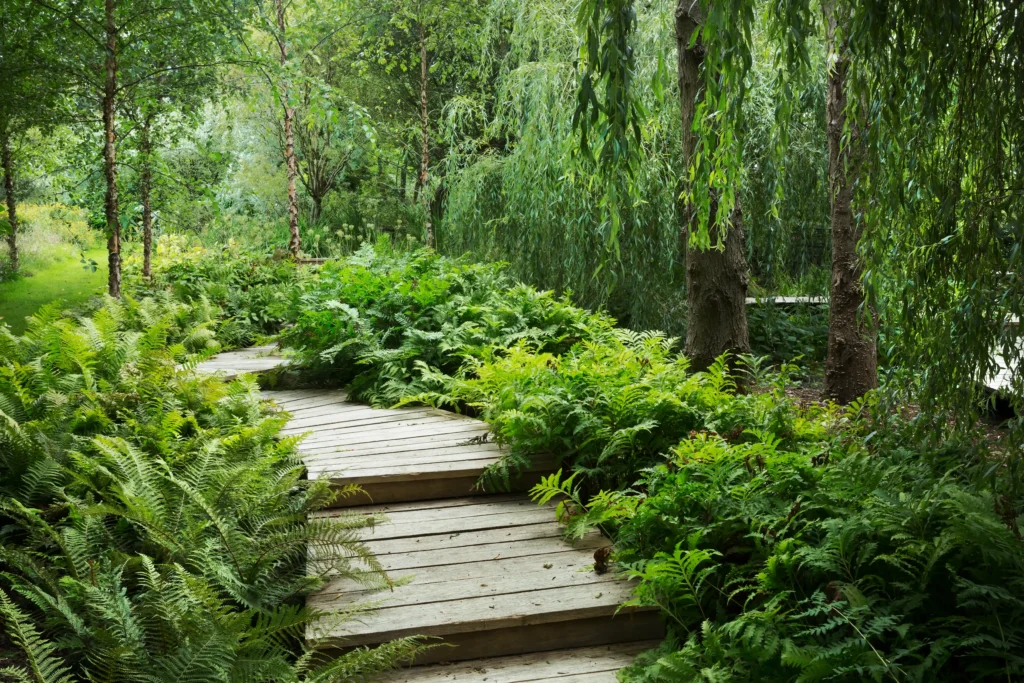
This is one of the most natural and effective approaches for a shade garden. You create a balanced look by placing taller plants in the back, medium-sized plants in the middle, and low groundcovers in the front.
This layered setup adds depth and makes the space feel full and well-designed without looking overcrowded.
Foliage-Focused Shade Garden
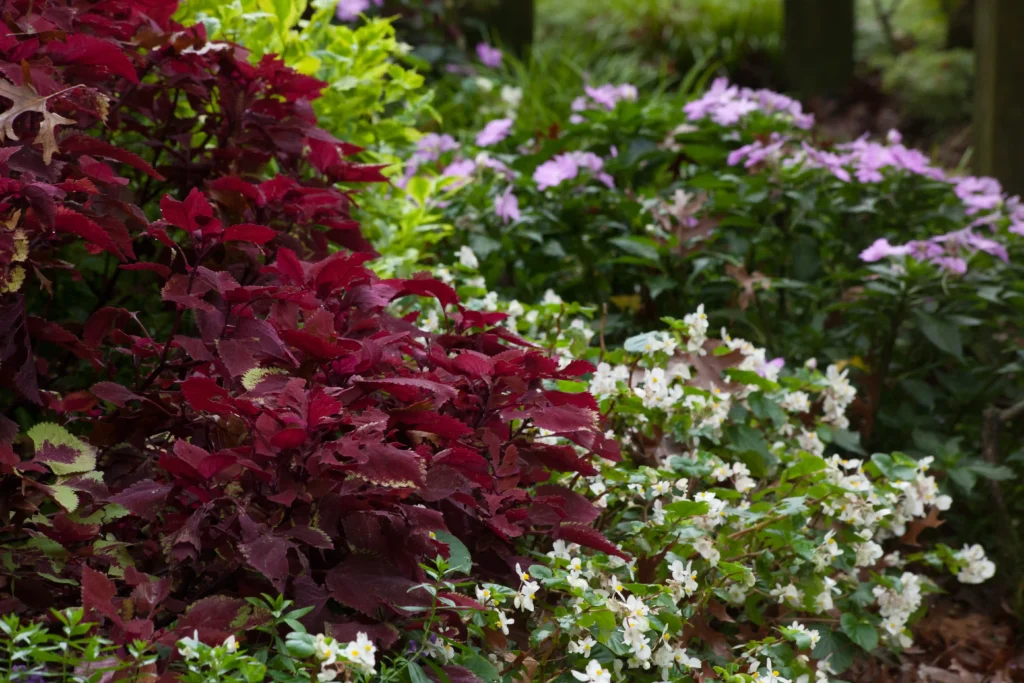
In low light, foliage matters more than flowers.
Use plants like:
- Hostas
- Ferns
- Coral bells
Mix leaf shapes, sizes, and shades of green for contrast.
Flowering Shade Garden for Seasonal Color
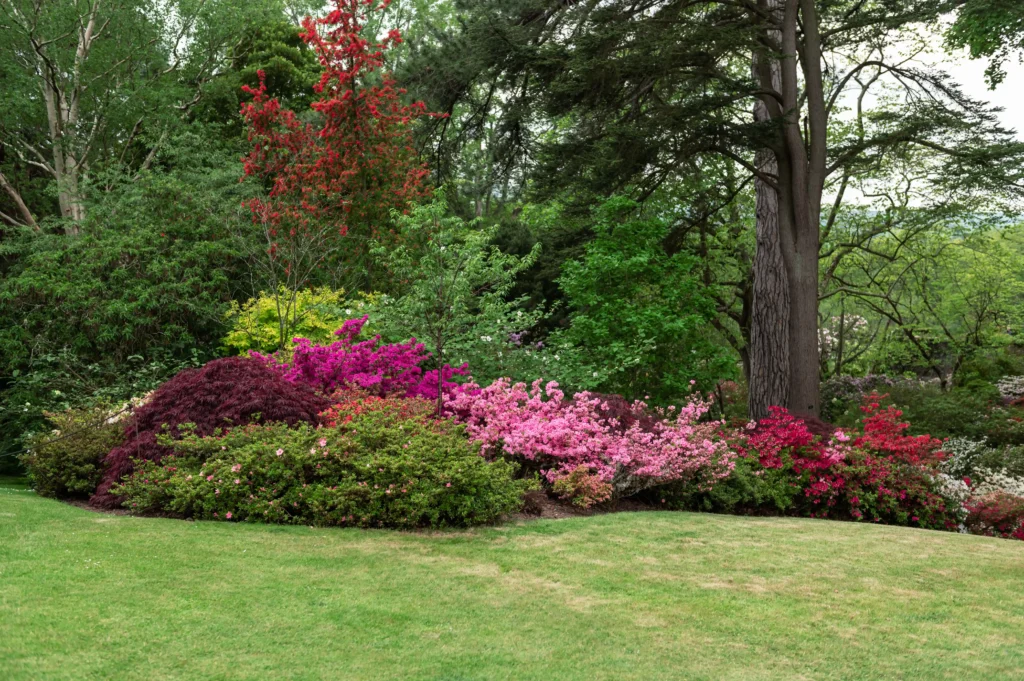
This is one of the most natural and effective approaches for a shade garden. You create a balanced look by placing taller plants in the back, medium-sized plants in the middle, and low groundcovers in the front.
This layered setup adds depth and makes the space feel full and well-designed without looking overcrowded.
Shade Gardens Under Trees

This is one of the most challenging areas to work with. These spaces often have dry soil, strong root competition, and limited nutrients. Because of this, it is important to choose plants that can handle dry shade conditions and avoid digging too deeply, which can damage tree roots.
Foundation Shade Gardens

Shade gardens along the foundation of your home are great for improving curb appeal. A structured design works best here by using repeating plant patterns, clean edges, and layered heights.
This creates a neat and polished look that makes the space feel intentional and well-planned, often as part of a full garden bed creation and redesign services approach.
Low-Maintenance Shade Gardens
If you want a garden that is easy to manage, focus on simple and reliable choices. Use hardy perennials, group plants with similar needs, and limit high-maintenance flowering plants. This approach helps reduce long-term upkeep while still keeping your shade garden attractive.
How to Choose the Right Plants for Your Space
Choosing the right plants starts with understanding your specific conditions. When you match plants to your space, your shade garden becomes easier to maintain and more successful long term.
Focus on these key points:
- Match plants to light levels (partial, full, or deep shade)
- Consider soil and moisture conditions
- Choose plants based on mature size, not pot size
- Group plants with similar needs together
- Mix foliage and flowering plants for balance
By following these basics, you can avoid common planting mistakes and create a shade garden that grows well and looks complete.
Soil Preparation Makes or Breaks Your Shade Garden
Most problems in a shade garden are not caused by the plants. They are caused by poor soil conditions. If your soil is not healthy, even the right plants may struggle to grow.
Improve your soil by focusing on these basics:
- Adding compost
- Increasing organic matter
- Avoiding compacted soil
Healthy soil helps retain moisture, improve drainage, and support strong root growth. According to the University of Maryland Extension, organic matter improves soil structure, increases moisture retention, and supports overall plant health.
Common Shade Garden Mistakes to Avoid
We see these all the time.
- Treating all shade the same
- Ignoring dry shade conditions
- Overcrowding plants
- Skipping soil prep
- Choosing plants outside your climate
Avoiding these mistakes saves time, money, and frustration.
Are Native Shade Plants Worth It?
Native shade plants are a practical choice because they are adapted to local conditions, which helps them grow more reliably with less water and maintenance. They also support pollinators and wildlife, making your garden more beneficial to the environment.
However, they may have a more natural appearance, which does not always match a structured design. For best results, many homeowners combine native and ornamental plants to balance durability with a clean, polished look.
What Works Best for Shade Gardens in New Jersey?
Not all plants perform the same everywhere.
In New Jersey, you need to consider:
- Hardiness zones
- Seasonal temperature changes
- Soil conditions
- Deer pressure
According to the USDA Plant Hardiness Zone Map, plant selection should be based on your local zone to ensure plants can survive winter temperatures and grow properly year after year.
How to Know If You Should Handle It Yourself or Call a Professional?
At some point, many homeowners realize shade gardens are harder than expected.
You should consider professional help if:
- You are planting under large trees
- Your soil is compacted or poor
- You want a cohesive design
- You’ve tried before and plants failed
If you’re unsure where to start, getting expert advice can help you avoid costly trial and error and ensure your shade garden is built to last. If you need guidance, you can contact Gebhard Horticulture to create a shade garden plan that fits your space and conditions.
How We Help Create Elegant Shade Gardens That Actually Work
At Gebhard Horticulture, we focus on creating shade gardens that are built around your property, not a one-size-fits-all plan. Every yard is different, especially when it comes to shade, so we start by understanding your light conditions, soil quality, and overall layout.
We design with purpose by selecting plants that match your specific environment. This includes choosing the right perennials for your shade level, improving soil where needed, and arranging plants in layers to create a clean and balanced look.
Our approach to professional garden design and planting ensures your garden not only looks good on day one but continues to grow well over time.
We also consider long-term maintenance. By grouping plants with similar needs and using proven combinations, we help reduce upkeep while keeping your landscape looking complete and well-maintained.
From planning to installation, we focus on creating shade gardens that are simple, functional, and visually appealing.
Turn Your Shade Garden Into a Finished, Lasting Landscape
Creating a successful shade garden comes down to understanding your space, choosing the right plant combinations, and designing with purpose. When done right, even difficult low-light areas can become elegant and functional parts of your landscape.
At Gebhard Horticulture, we use our experience in plant selection and garden design to handle challenging shade conditions and create balanced, long-lasting results tailored to your property.
If you are ready to improve your shaded areas, get expert guidance and create a shade garden that is built to grow and last.
Frequently Asked Questions
How often should I water a shade garden?
Shade gardens usually need less frequent watering than full-sun areas, but it depends on the soil and location. Areas under trees may dry out faster, while shaded beds near structures may retain moisture longer. Check the soil regularly and water when the top layer feels dry.
Do shade gardens need fertilizer?
Yes, but not as much as sun gardens. A slow-release fertilizer or compost added once or twice a year is usually enough to support healthy growth without overfeeding the plants.
Can I plant a shade garden in containers?
Yes, shade-tolerant perennials can grow well in containers. Just make sure the pots have good drainage and use high-quality soil to support root growth.
How long does it take for a shade garden to fill in?
Most shade gardens take one to three growing seasons to fully fill in, depending on plant size and spacing. Proper planning and grouping can help the garden look complete sooner.
How do I keep weeds from growing in a shade garden?
Use groundcover plants, mulch, and proper spacing to reduce open soil where weeds can grow. A well-planned garden naturally limits weed growth over time.