
Perennial Shade Garden Design That Thrives in New Jersey
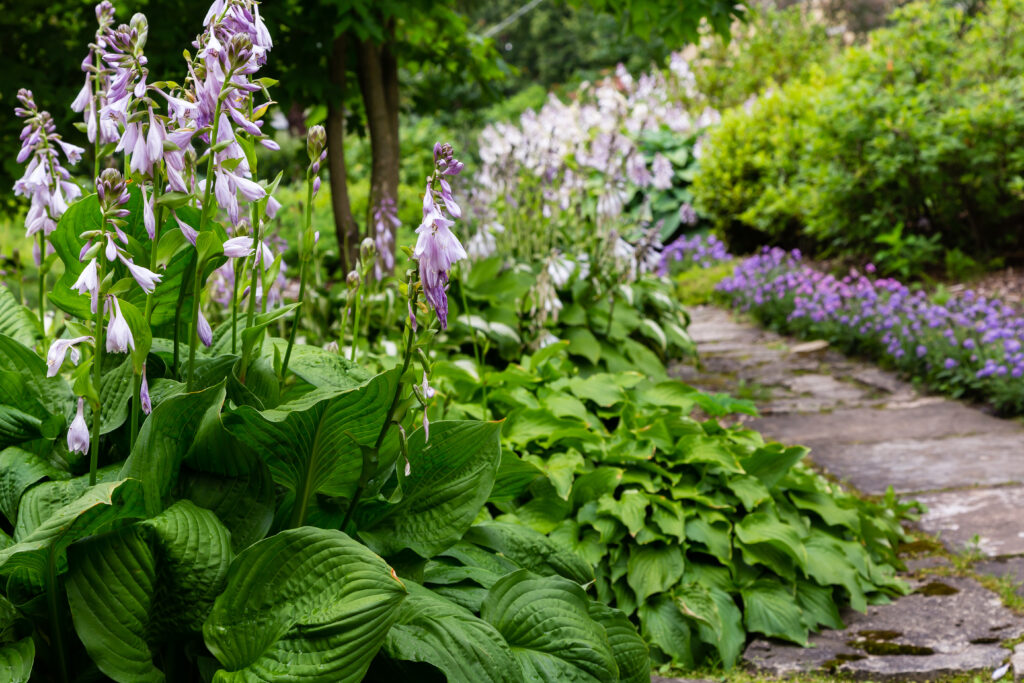
A perennial shade garden design that thrives in New Jersey starts with choosing shade-tolerant plants, understanding your yard’s soil and moisture, and using a layered layout that supports long-term growth. When done right, it turns low-light areas into a healthy, low-maintenance landscape that comes back every year.
Many homeowners in New Jersey struggle with shaded areas where grass won’t grow and plants fail to last. Instead of trying to fight these conditions, the better approach is to design around them.
A well-planned shade garden works with your environment, not against it. With the right setup, even the darkest parts of your yard can become one of the most stable and visually balanced areas of your landscape.
What Is a Perennial Shade Garden?
A perennial shade garden is a landscape area made up of plants that return every year and grow well in low-light conditions.
Instead of replanting every season, perennials establish roots and continue growing over time. This makes them a practical choice for shaded areas where conditions are more stable.
Shade can come from:
- Large trees
- Fences or nearby buildings
- North-facing areas of your yard
The key difference is that shade gardens rely less on sunlight and more on soil quality, moisture, and plant compatibility, making them a strong option for low maintenance front yard landscaping in shaded spaces.
Why Do Shade Gardens Work So Well in New Jersey?
In New Jersey, shaded yards are more common than most people realize.
Many neighborhoods have:
- Mature trees that block sunlight
- Humid summers that keep shaded soil moist
- Clay-heavy soil that holds water longer
These conditions make it harder for traditional lawns to grow. But they create the perfect environment for shade-loving perennials.
This is especially important when you look at how soil behaves in the region. According to Rutgers Cooperative Extension, improving soil with organic matter helps increase both moisture retention and nutrient availability, which are critical for plant health in landscape beds.
Shaded areas lose moisture more slowly, so the soil stays consistently damp. This creates a stable environment for perennial roots to grow and establish.
New Jersey’s freeze–thaw cycles can also stress shallow-rooted plants, but perennials with deeper roots are better able to handle these seasonal changes.
What Types of Shade Should You Know Before Designing?
Not all shade is the same. This is one of the biggest reasons shade gardens fail.
Full Shade
Less than 3 hours of direct sunlight per day. Common under dense tree canopies or behind structures.
Partial Shade
About 3 to 6 hours of sunlight. Often found in side yards or areas with morning sun.
Dappled Shade
Filtered sunlight through tree branches. This is one of the easiest conditions for many perennials.
When plants are placed in the wrong type of shade, they struggle to grow. Leaves may thin out, colors fade, and growth slows down.
How Do You Design a Perennial Shade Garden Step by Step?
Design is what separates a thriving garden from one that constantly needs fixing.
Step 1: Evaluate Your Yard Conditions
Start with the basics:
- Is your soil compacted or loose?
- Does water drain or sit for long periods?
- Is the area consistently moist?
Soil quality plays a major role in how well your plants grow. According to university extension research, soil structure, drainage, and nutrient content directly impact plant health and long-term performance.
Step 2: Choose the Right Shade Perennials
Not all plants handle shade the same way.
Some of the most reliable options in New Jersey include:
- Hostas for structure and low maintenance
- Ferns for natural woodland feel
- Astilbe for color and texture
- Bleeding Heart for early-season blooms
- Heuchera for foliage variety
These plants are commonly used because they adapt well to local conditions, especially when planned as part of professional garden design and plating services that match plants to specific site conditions.
Step 3: Use Layering for a Natural Look
A good shade garden is not flat. It has depth.
Think in layers:
- Taller plants in the back
- Medium plants in the middle
- Ground cover in the front
This helps:
- Fill empty space
- Reduce weeds
- Improve visual balance
Step 4: Plan for Growth Over Time
Perennials spread as they mature.
If planted too close:
- They compete for nutrients
- Airflow is reduced
- Disease risk increases
Spacing may look wide at first, but it fills in naturally over time.
Step 5: Add Mulch to Protect the Soil
Mulch is essential in shade gardens.
It helps:
- Retain moisture
- Control weeds
- Regulate soil temperature
Most recommendations suggest applying about 2 to 4 inches of mulch, which is enough to protect the soil without trapping excess moisture.
What Are the Best Perennial Shade Plants for New Jersey?
Choosing the right plants makes everything easier.
Here are some proven options:
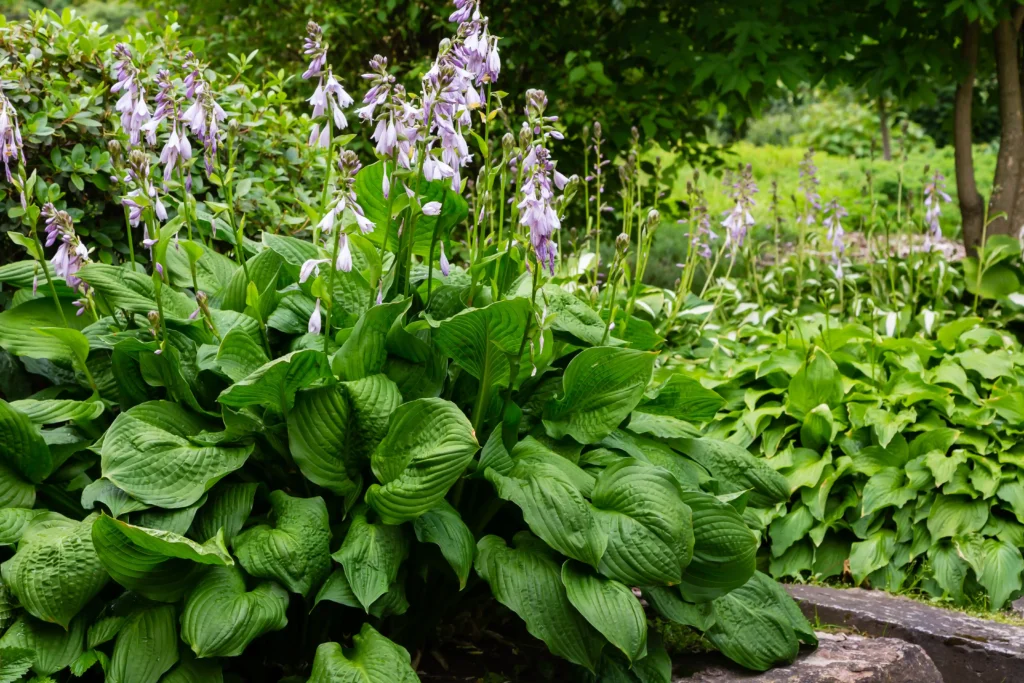
Hostas
Low maintenance and available in many varieties. Great for filling space.
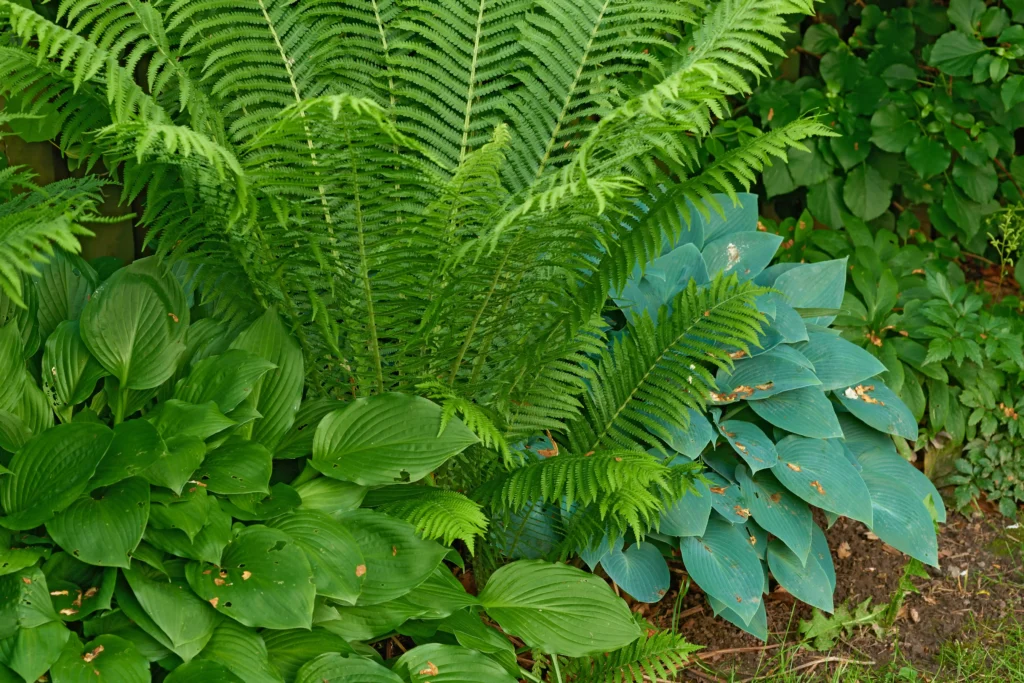
Ferns
Perfect for natural, woodland-style gardens. Thrive in moist shade.
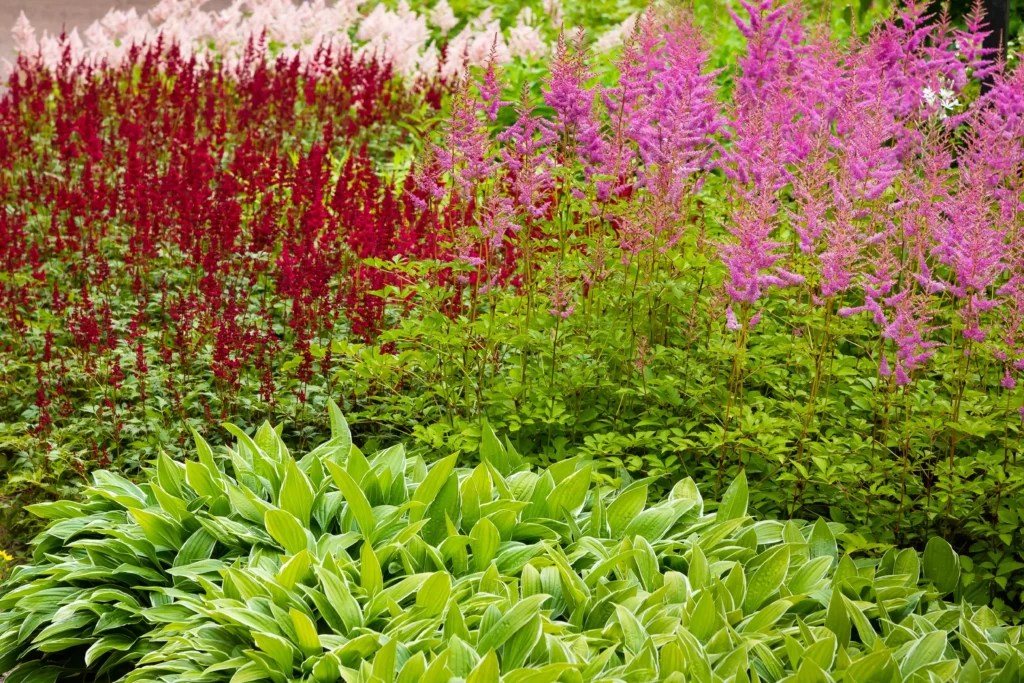
Astilbe
Adds color with soft, feathery blooms. Works well in partial shade.
Coral Bells (Heuchera)
Known for colorful foliage. Adds contrast.

Bleeding Heart
A classic shade plant that blooms early in the season.
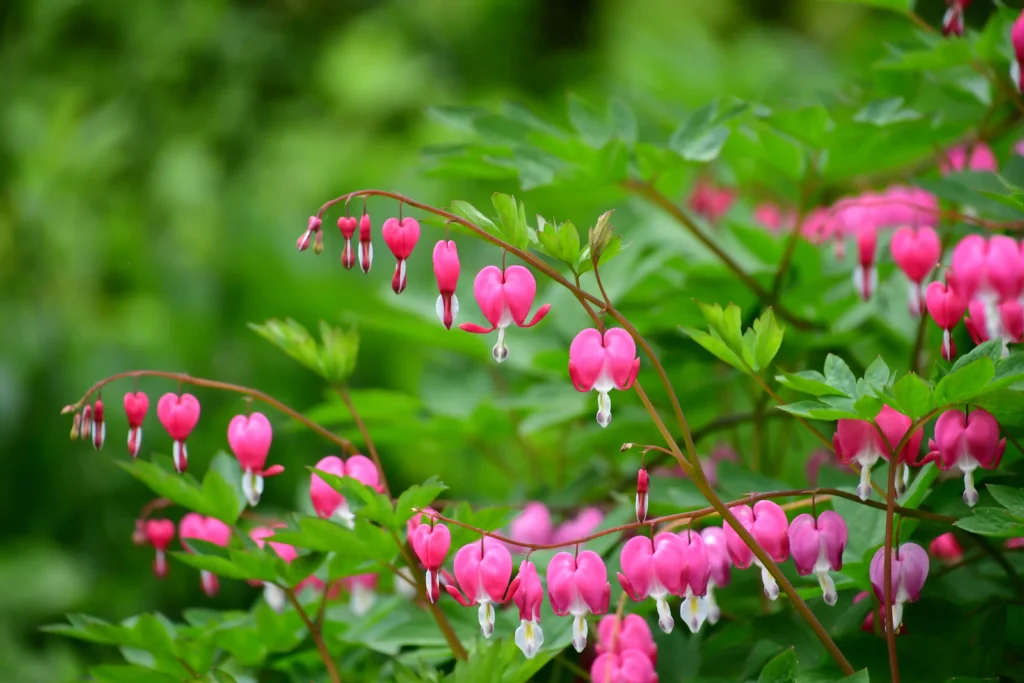
These plants are widely used because they match New Jersey’s climate and soil conditions.
What Problems Happen in Shade Gardens and Why?
Even a well-designed shade garden can run into problems if key conditions are overlooked. Poor drainage can cause water to sit too long in the soil, leading to root rot.
Placing plants in the wrong type of shade can result in weak growth because they are not getting the light they need. Overwatering is another common issue, since shaded areas already retain moisture and too much water can stress plants.
Low-quality soil also makes it harder for plants to establish and grow properly. These problems are common, but they can be avoided with proper planning and the right setup.
What Signs Should You Watch for in a Failing Shade Garden?
Knowing the signs early can save your plants.
Watch for:
- Yellowing leaves
- Slow or stunted growth
- Bare patches in the garden
- Mold or mildew on soil or leaves
These usually point to moisture imbalance or poor soil conditions.
How Do You Maintain a Perennial Shade Garden?
Maintenance is simple when the garden is designed properly.
Focus on:
- Light seasonal cleanup
- Dividing plants every few years
- Reapplying mulch annually
- Watering only when needed
Shade gardens are naturally lower maintenance compared to full-sun landscapes.
When Is the Best Time to Plant a Shade Garden in New Jersey?
Timing matters more than most people think.
- Spring: Best for establishing new plants
- Fall: Ideal for root development before winter
According to Rutgers Cooperative Extension, planting in cooler seasons like fall helps reduce plant stress and supports stronger root development, since lower temperatures and reduced competition allow roots to establish more easily.
Should You Choose Native or Non-Native Shade Plants?
Choosing between native and non-native shade plants is one of the most common questions homeowners face when planning a garden. The right choice can affect how easy your garden is to maintain and how well it adapts to your yard over time.
Native Plants
Native plants are adapted to New Jersey’s local conditions, which makes them easier to grow and maintain over time.
They typically require less watering and care because they are already suited to the climate and soil. They also help support local ecosystems by providing food and habitat for pollinators and wildlife.
Non-Native Plants
Non-native plants offer more variety in terms of color, texture, and overall design options. They can help create a more customized look in your garden, especially if you want specific visual features. While they may need a bit more care, they can still perform well when chosen for the right conditions.
A balanced mix of native and non-native plants often works best, giving you both low maintenance and design flexibility.
Is a Perennial Shade Garden Right for Your Yard?
A perennial shade garden is a great option if your yard has limited sunlight, heavy tree coverage, or areas where grass struggles to grow.
Instead of trying to force sun-loving plants to survive, this approach works with your natural conditions. It creates a low-maintenance space that stays consistent year after year, improves soil health, and fills in bare or difficult areas with plants that are better suited for shade.
If you need help getting started or want expert guidance tailored to your property, you can always schedule a professional services consultation to plan your space properly.
Making the Most of Your Shaded Yard
A perennial shade garden is a practical way to improve areas where sunlight is limited. With the right plants, proper soil preparation, and a simple layout, these spaces can stay healthy and low maintenance year after year.
From our experience working with New Jersey landscapes, small details like drainage, plant spacing, and shade type make a big difference in long-term results. Getting these right early helps avoid common problems and keeps your garden consistent through the seasons.
If you want to go further, learn more about planning a low-maintenance landscape or choosing the right plants for your yard.
Frequently Asked Questions
How long does it take for a perennial shade garden to fill in?
Most perennial shade gardens take about 1 to 3 growing seasons to fully fill in. In the first year, plants focus on root development. By the second and third year, you will start to see fuller growth and better coverage.
Can you grow a shade garden under large trees?
Yes, but it requires careful planning. Tree roots compete for water and nutrients, so it is important to choose plants that can tolerate dry shade and avoid disturbing the root system during planting.
Do shade gardens require fertilizer?
In many cases, they need less fertilizer than sun gardens. If your soil is healthy and enriched with organic matter, most shade perennials can grow well without frequent feeding. A light application in early spring is usually enough.
How do you prevent weeds in a shade garden?
Weeds can still grow in shaded areas, especially in bare soil. Using mulch, proper plant spacing, and ground cover plants helps reduce weed growth by limiting open space and sunlight exposure.