
How to Mulch Trees Properly: Prevent Volcanoes & Boost Health
By Louie Paracuelles, Gebhard Horticulture and Design
Proper mulching is essential to maintain tree health and prevent problems such as mulch volcanoes. Incorrect mulching can suffocate roots and increase pest and disease pressure. This article explains correct mulching techniques to improve soil structure and support healthy root growth. It outlines the benefits, common errors, and seasonal maintenance needed to protect trees and sustain a healthy landscape.
-
- Proper mulching around trees prevents mulch volcanoes that suffocate roots and promote diseases.
-
- Applying 3-4 inches of organic mulch like wood chips or bark enhances soil moisture and nutrient content.
-
- Mulch should be placed several inches away from the tree trunk to allow airflow and prevent decay.
-
- Organic mulch materials decompose, improving soil structure and supporting beneficial microbial life.
-
- Seasonal mulch maintenance in spring and fall ensures consistent depth and prevents compaction.
-
- Proper mulching regulates soil temperature, reducing stress from extreme weather conditions on tree roots.
-
- Mulch helps control weeds naturally, reducing competition for water and nutrients around trees.
-
- Regular monitoring and adjustment of mulch layers prevent root rot and pest infestations over time.
-
- Using locally sourced organic mulch supports regional ecology and tree health in specific growing conditions.
Techniques for Proper Mulching
Correct mulching requires selecting suitable materials, maintaining proper depth, and placing mulch to promote soil moisture, suppress weeds, and insulate roots. Apply mulch in spring or fall to support nutrient availability and seasonal growth.
Choose organic mulches such as wood chips, bark, or shredded leaves so they decompose and add organic matter. Avoid materials that compact or obstruct moisture movement, such as stone or rubber. For most trees, a 3–4 inch mulch layer is appropriate.
What Are the Best Mulch Materials?
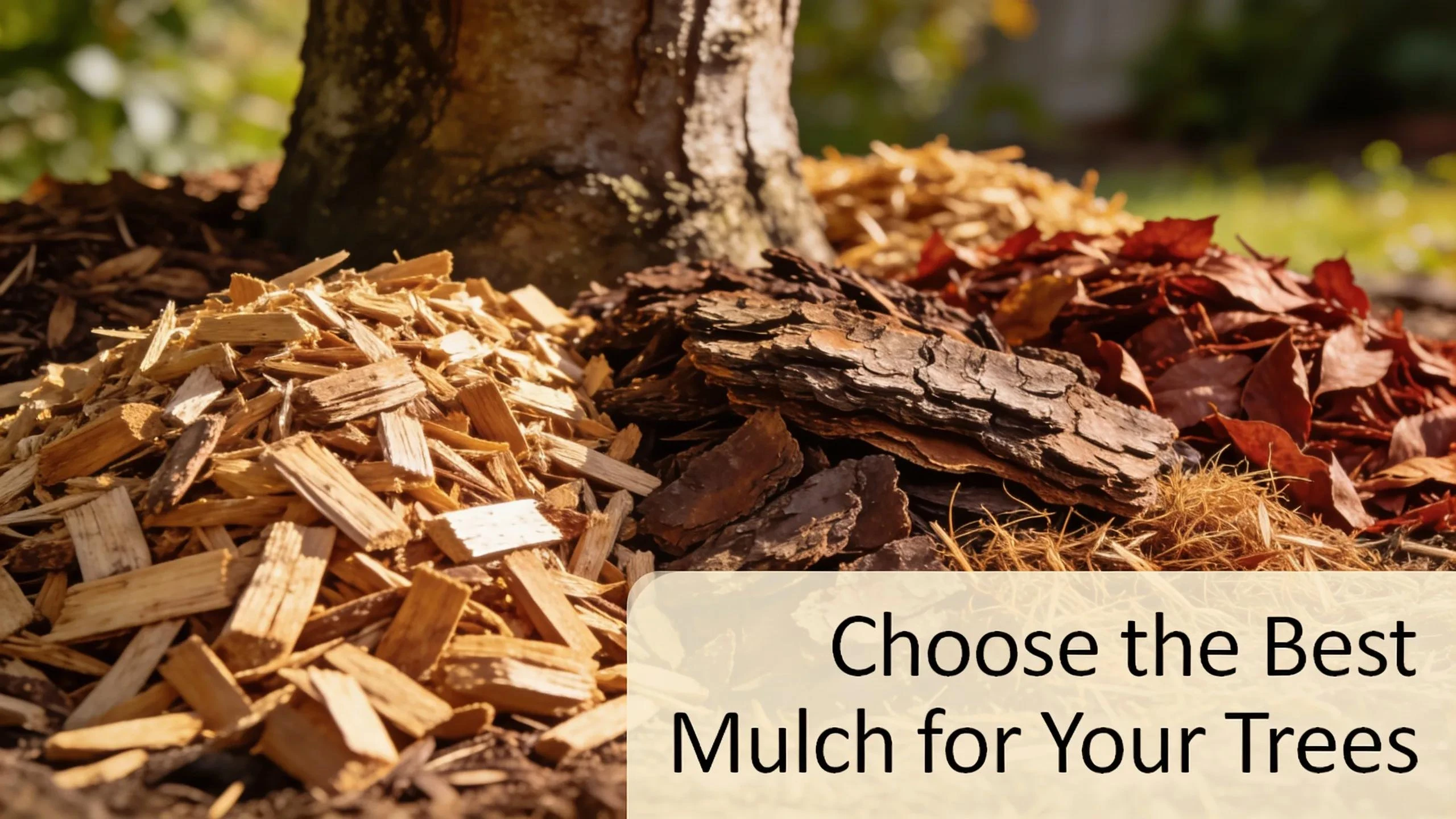
Select mulch materials that meet root-zone needs; recommended organic options include:
-
- Wood Chips: Excellent for moisture retention; slowly decomposes to enrich the soil.
-
- Bark Mulch: Provides a decorative appearance and retain soil moisture while suppressing weeds.
-
- Shredded Leaves: An environmentally friendly option that decomposes and adds nutrients back into the soil.
Use mulch that is free of chemical contaminants to protect root and soil health.
Benefits of Proper Mulching
Proper mulching conserves soil moisture, moderates soil temperature, and reduces weed competition. It also supports soil microbial activity that benefits tree health.
As organic mulch decomposes it releases nutrients and increases soil organic matter, supporting nutrient uptake and root development.
How Does Mulch Help with Soil Health?
Mulch plays a critical role in enhancing soil health by:
-
- Increasing Organic Matter: Decomposing mulch contributes essential nutrients.
-
- Improving Soil Structure: Enhances soil aeration and drainage, which supports root growth.
-
- Encouraging Soil Microbes: Beneficial microorganisms thrive in mulched environments, promoting plant health.
These processes collectively strengthen root systems and improve tree resilience against pests and stress.
Why Is Proper Mulching Around Trees Important for Tree Health?
Mulch preserves soil moisture during dry periods and insulates roots from temperature extremes, both of which promote stable root growth.
Properly applied mulch reduces surface runoff and encourages deeper water infiltration, reducing both root rot risk from excess surface moisture and stress from drought.
What Are the Risks and Consequences of Mulch Volcanoes?
Mulch piled against trunks creates “mulch volcanoes” that trap moisture and limit gas exchange at the root collar, increasing fungal and pest risks and contributing to trunk decay.
Watch for trunk decay, increased pest activity, wilting, or stunted growth. Early correction, which means removing excess mulch and restoring proper clearance, prevents further damage.
What Is the Correct Mulch Depth and Placement Technique Around Trees?
Apply mulch 3–4 inches deep, starting several inches from the trunk and extending outward to cover the root zone. Keep mulch off the trunk to avoid prolonged moisture contact that can cause rot.
Form a shallow “donut” with the center clear of mulch to allow airflow around the trunk while maintaining soil moisture beyond the cleared zone.
How Far Should Mulch Be Kept Away from the Tree Trunk for Optimal Growth?
Maintain a clearance of at least 3 inches from the trunk to promote airflow and prevent moisture accumulation. Regular checks and adjustments will help maintain this clearance.
Which Mulch Materials Are Best for Healthy Trees in Morris County?
In Morris County, organic materials such as wood chips, bark, and composted leaves perform well, supplying nutrients, retaining moisture, and moderating soil temperature.
Where possible, select locally sourced mulch to match regional soil conditions and support local ecology.
What Are the Environmental Benefits of Organic Mulch?
Using organic mulch provides several environmental advantages:
-
- Soil Health: Organic materials decompose, enhancing soil structure and nutrient availability.
- Biodiversity: Mulched areas encourage beneficial insects and microbial life, promoting a healthy ecosystem.
- Weed Control: A thick layer of mulch inhibits weed growth without the need for chemicals.
These environmental benefits reinforce the role of proper mulch selection and application in sustainable tree care.
When and How Should Seasonal Mulch Care and Maintenance Be Performed?
Inspect mulch in spring and fall, replenish to maintain target depth, and ensure even coverage. Spring application prepares the root zone for growth; fall maintenance protects roots through winter.
Remove compacted or matted layers and debris that block water movement. Consistent maintenance preserves mulch function year-round.
Seasonal Maintenance and Refreshing Your Mulch
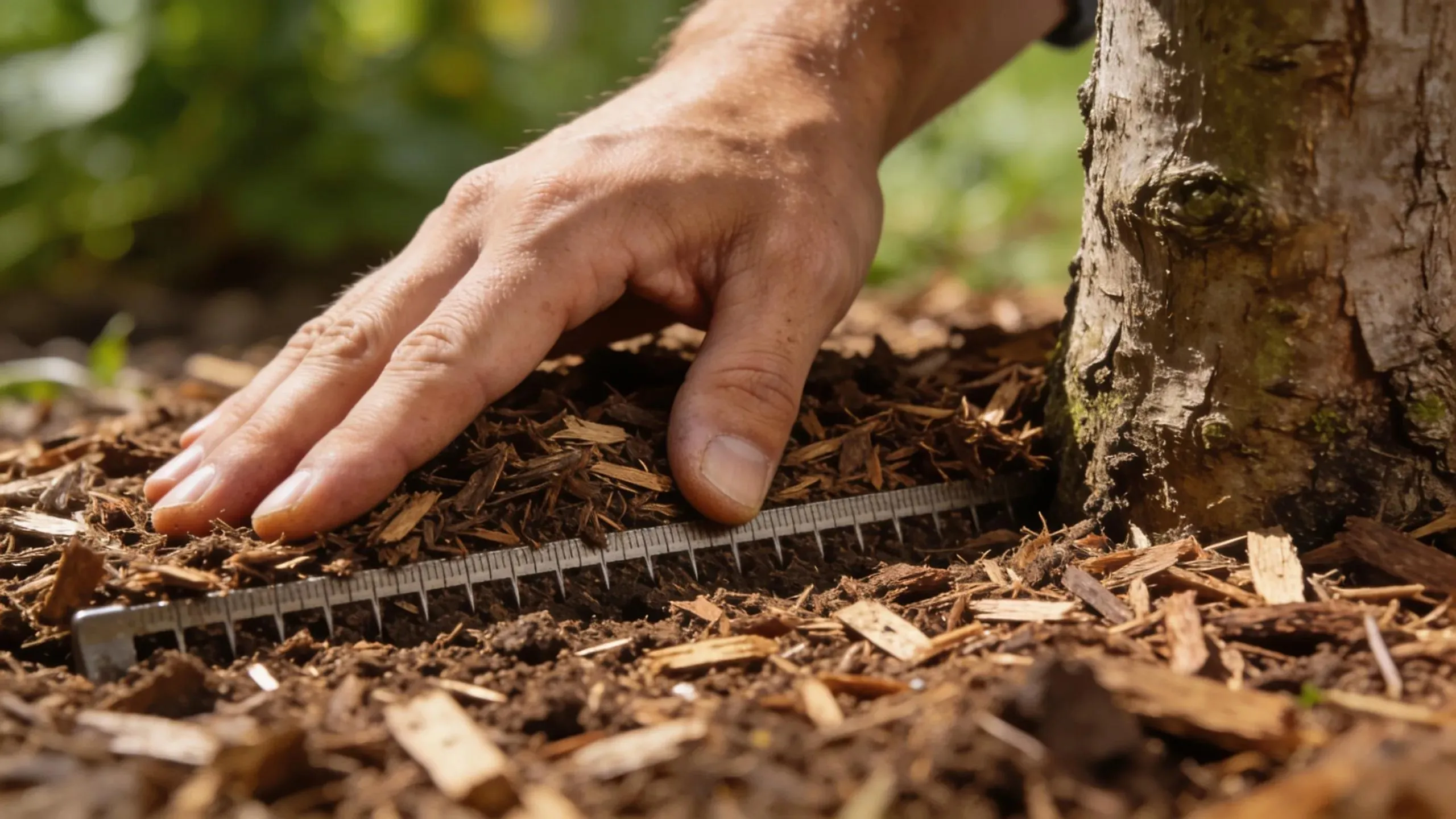
Maintain consistent depth and evaluate mulch quality regularly. Key steps include:
-
- Regularly Check Depth: Ensure mulch remains at an appropriate depth, adding more if necessary.
- Rotate Materials: Change mulch materials periodically to maintain soil health and diversity.
- Remove Compacted Mulch: If mulch becomes compacted, freshen it by turning or replacing it.
Adopting these steps reduces common mulching problems and promotes root health.
How Can Proper Mulch Maintenance Prevent Tree Health Issues Over Time?
A regular mulch maintenance routine prevents moisture imbalances and ensures nutrients remain accessible to roots. It also lowers disease and pest incidence.
Professional services can further support tree health. Gebhard Horticulture and Design in Morris County provides garden care and landscape design services that include correct mulch application and seasonal maintenance to help reduce tree health risks.
Frequently Asked Questions
What is the ideal time to apply mulch around trees?
Apply mulch in early spring or early fall. Spring applications support the upcoming growth season by conserving moisture and moderating soil temperature; fall applications insulate roots and contribute organic matter through decomposition.
Can using mulch attract pests to my trees?
Incorrectly maintained mulch can attract pests if it remains overly moist or decomposes excessively. Keep correct depth, avoid contact with the trunk, and inspect for pest activity to minimize risk.
What are the signs that indicate mulch needs to be refreshed?
Refresh mulch when depth is uneven, compacted, or below about 3 inches. A foul odor from anaerobic decomposition, exposed roots, or visible weed growth also indicates replacement is needed.
Is there a difference between organic and inorganic mulch?
Organic mulch like wood chips, bark, and leaves decomposes and enriches soil. Inorganic options such as rubber or stone do not break down and can retain heat; they may limit the return of organic matter to the soil.
How should I dispose of old or worn-out mulch?
Reuse disease-free mulch in other beds or add it to a compost pile. Severely degraded material can be accepted by yard-waste services. Recycling mulch returns organic matter to the landscape and reduces landfill waste.
Can I use mulch in all types of trees?
Most tree species benefit from mulch, but optimal type and depth vary by species and site conditions. Check species-specific recommendations and adjust mulch to maintain airflow and appropriate moisture.
How does mulch affect soil temperature in different seasons?
Mulch moderates soil temperature: it cools the root zone in summer by reducing solar heating and insulates roots in winter against extreme cold, supporting steady biological activity and nutrient uptake.
Conclusion
Proper mulching prevents mulch volcanoes, conserves moisture, and regulates soil temperature, key factors for tree vitality. Maintain appropriate depth and clearance, perform seasonal checks, and sustain regular maintenance to keep trees healthy. Refer to our guides for detailed techniques suited to your trees.